
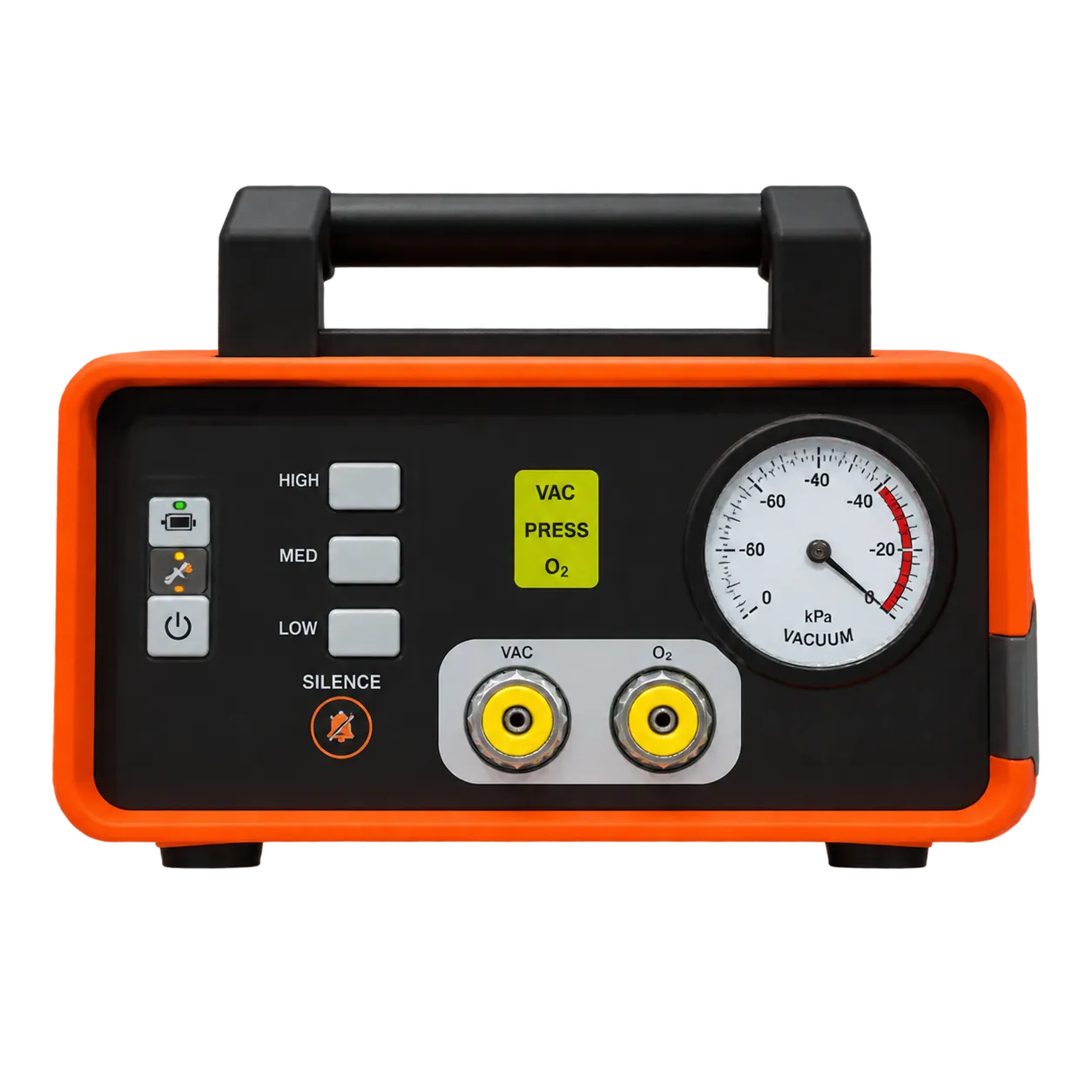
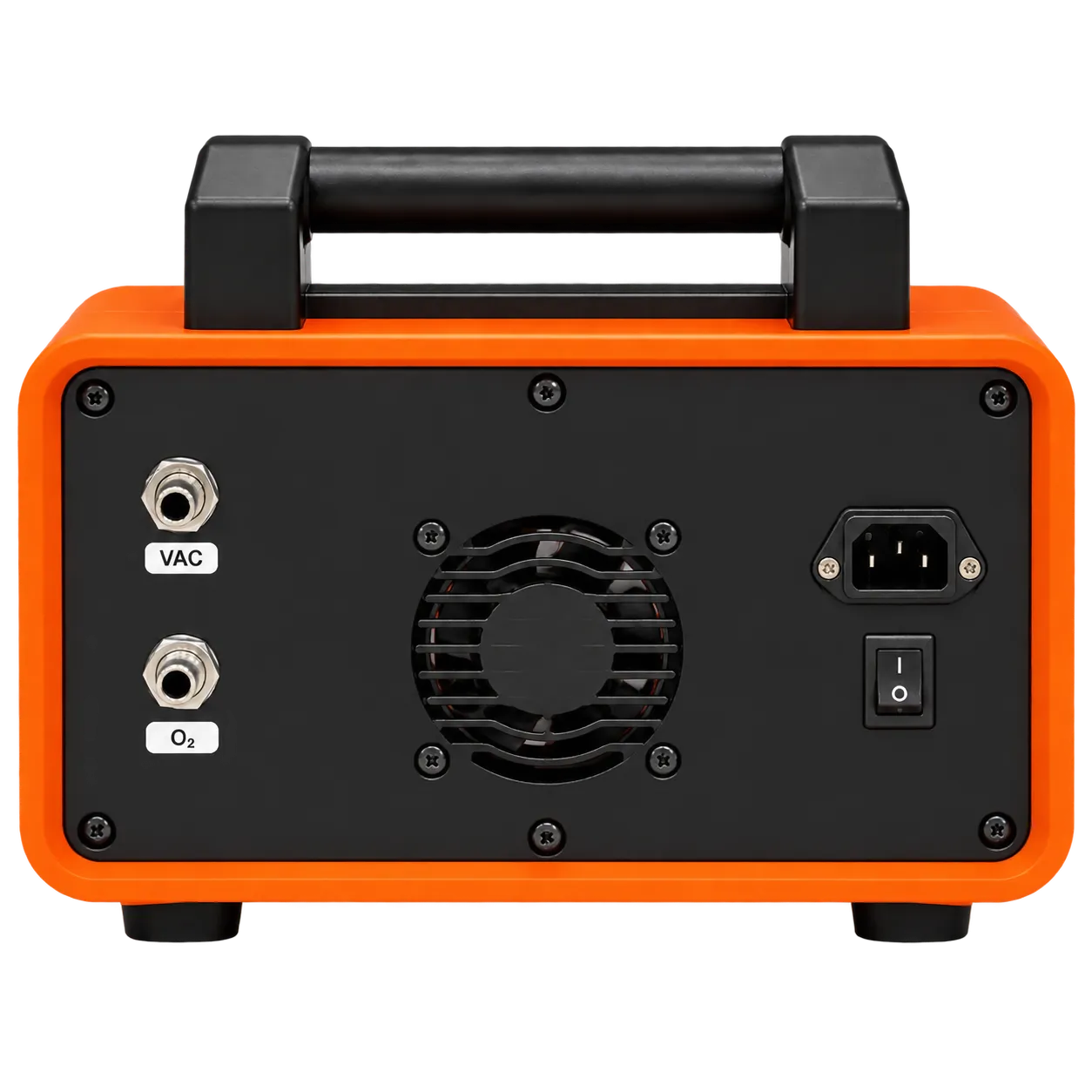
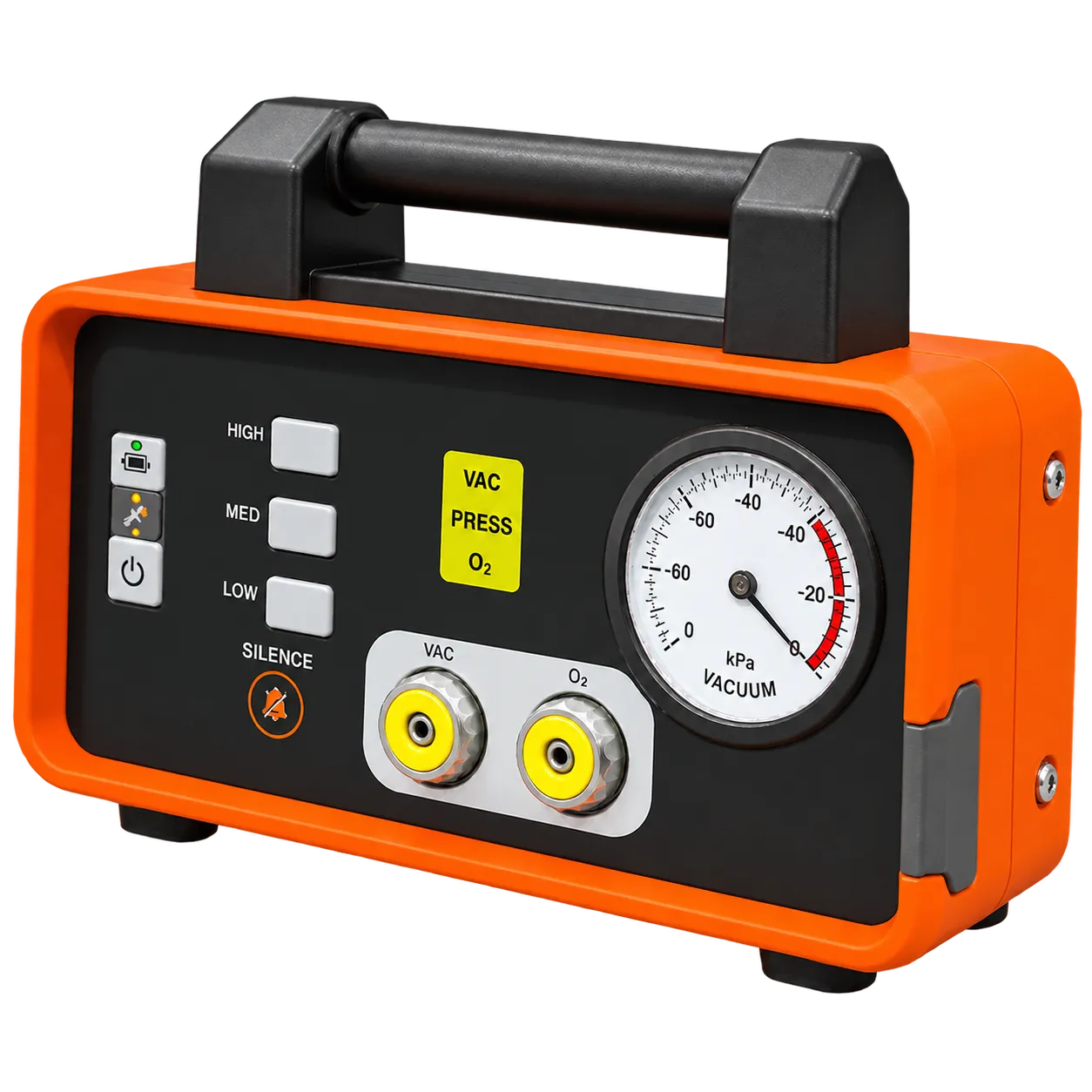
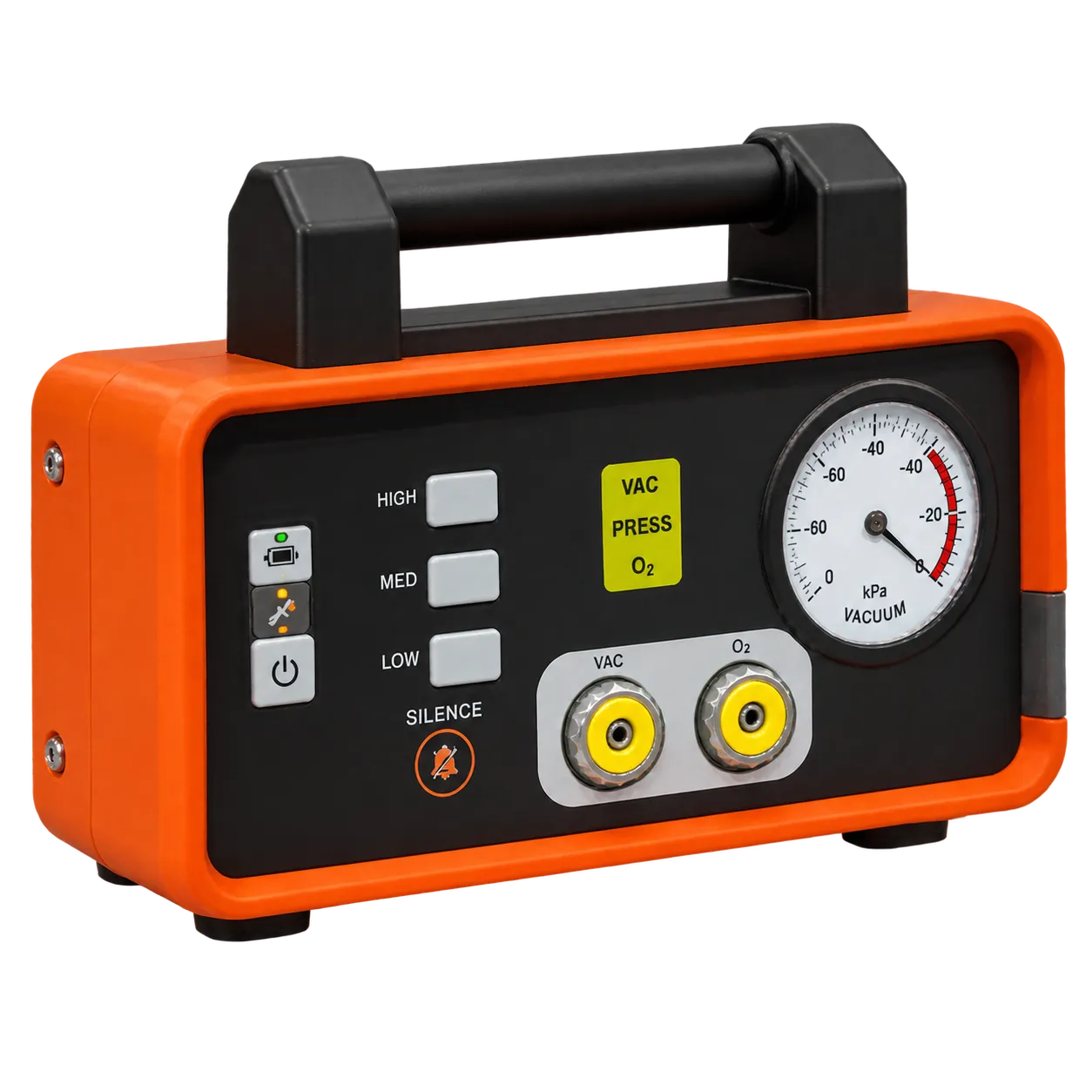
Place this emergency ventilator correctly, and it makes sense. A single-mode emergency ventilator delivering controlled breaths at a set rate is what an emergency team wants when a patient is apneic and hands are needed elsewhere; freeing someone from squeezing a bag during a resuscitation or transfer is the entire point of owning one. Simplicity is a virtue in that setting—fewer controls, less to set wrongly, and nothing to learn under pressure.
The boundary is equally clear. A patient who begins breathing will fight a machine that cannot see their effort, and CMV offers nothing to synchronise with. The fixed 1:2 ratio compounds that. A patient with obstructive disease needs a longer expiratory time, and no setting provides it. Neither limitation counts as a fault in a machine built for apnoeic ventilation. Both decide the point at which a patient must be handed over to something else.
Battery endurance is where it quietly beats its more sophisticated stablemates. Blackstone publishes more than eight hours as its longest figure anywhere, and the HS-200, a far more capable portable machine, publishes nothing. For a transfer team planning a journey, a stated eight hours is worth more than an unstated mode list, because one can be relied upon and the other cannot.
Medigear.uk establishes what the second oxygen position delivers, whether any PEEP is provided, what drives the breath, and what the alarm arrangement is before supplying this emergency ventilator to anyone.