
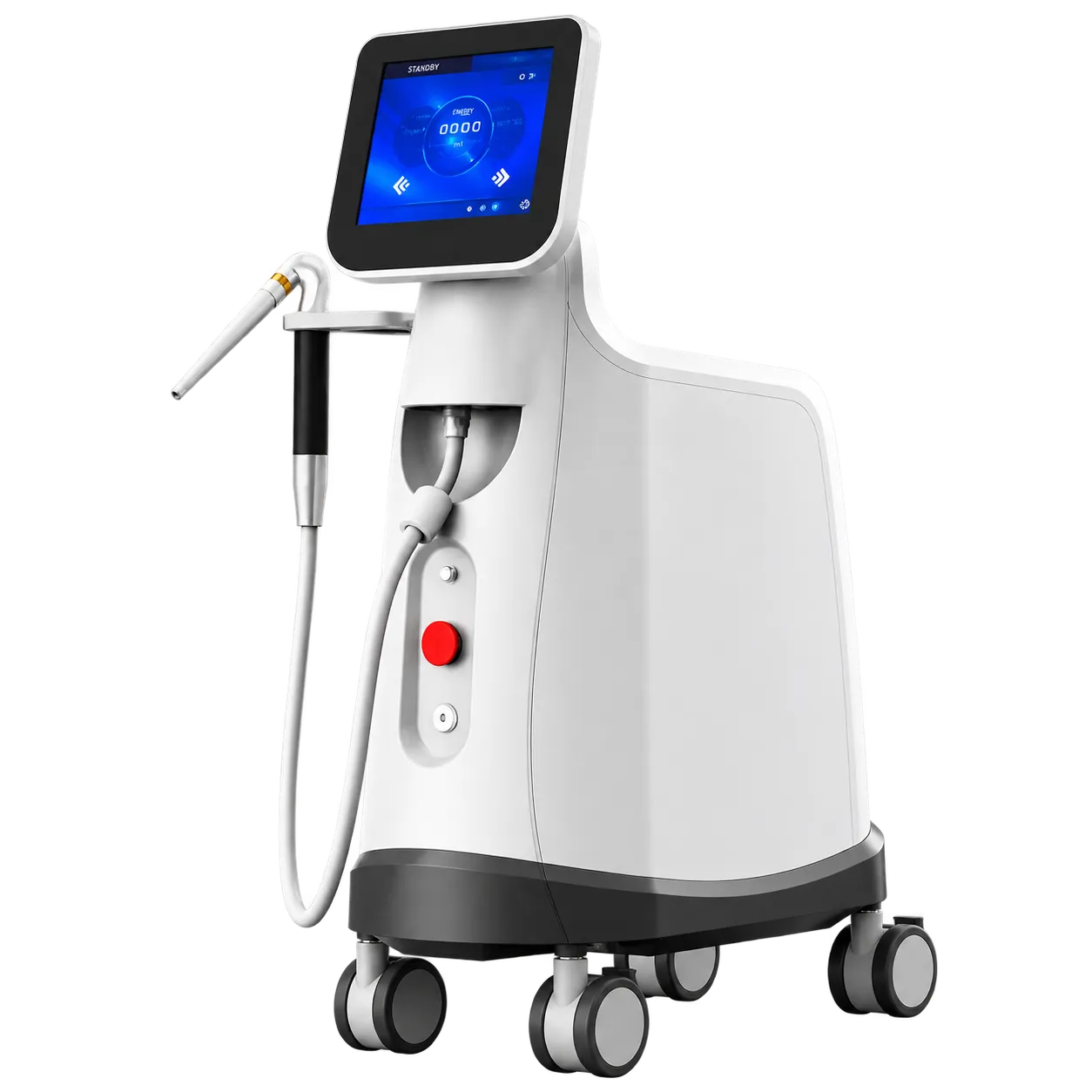
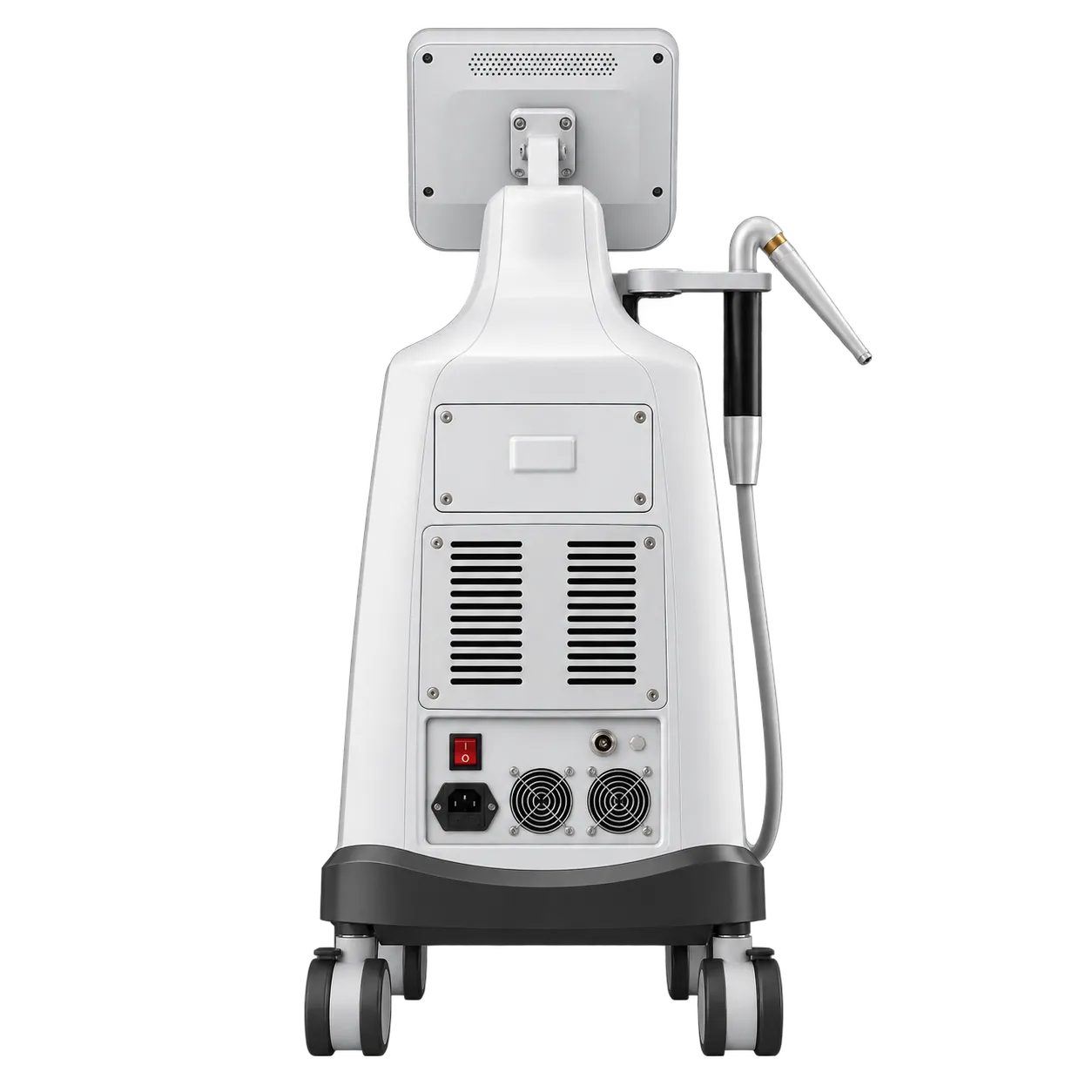
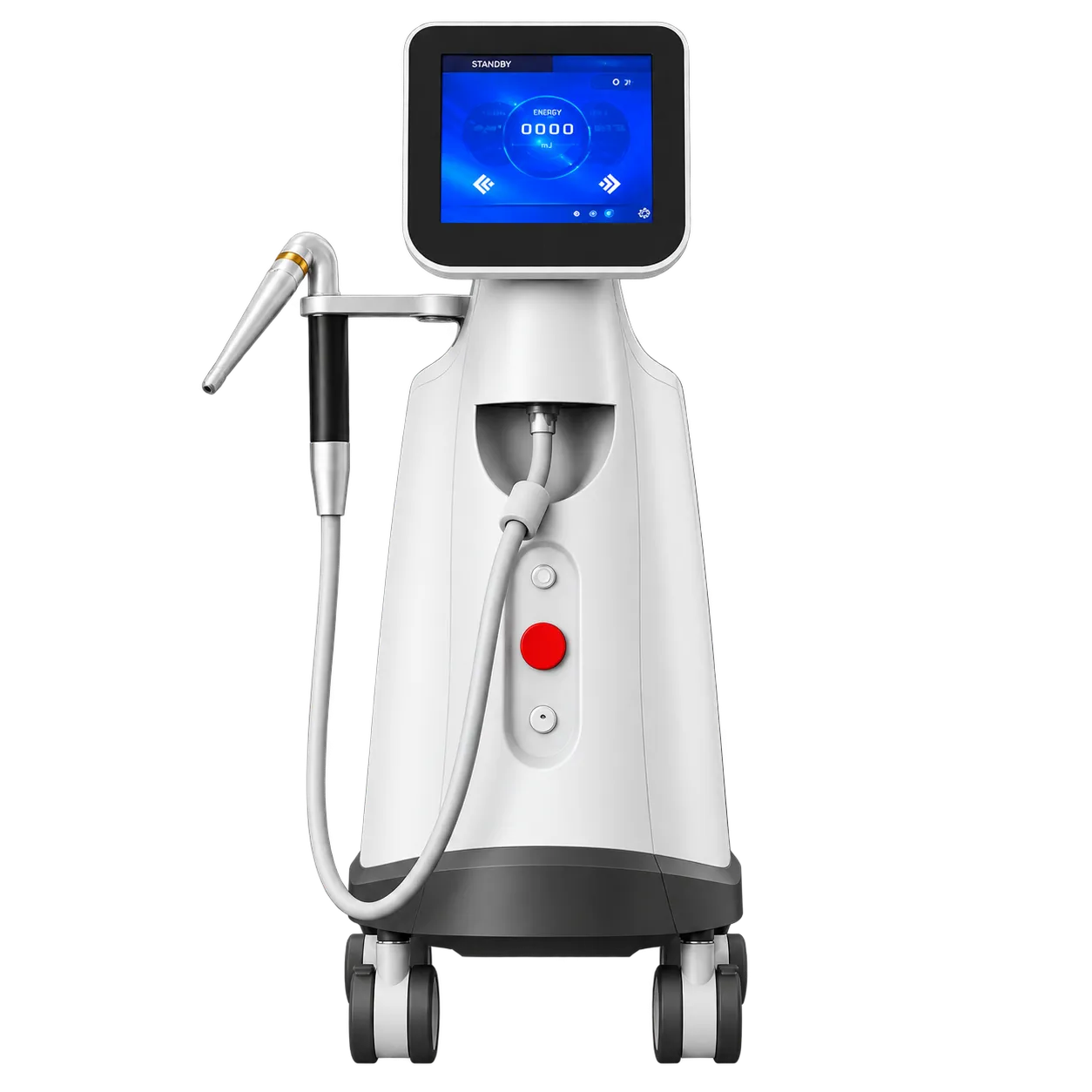
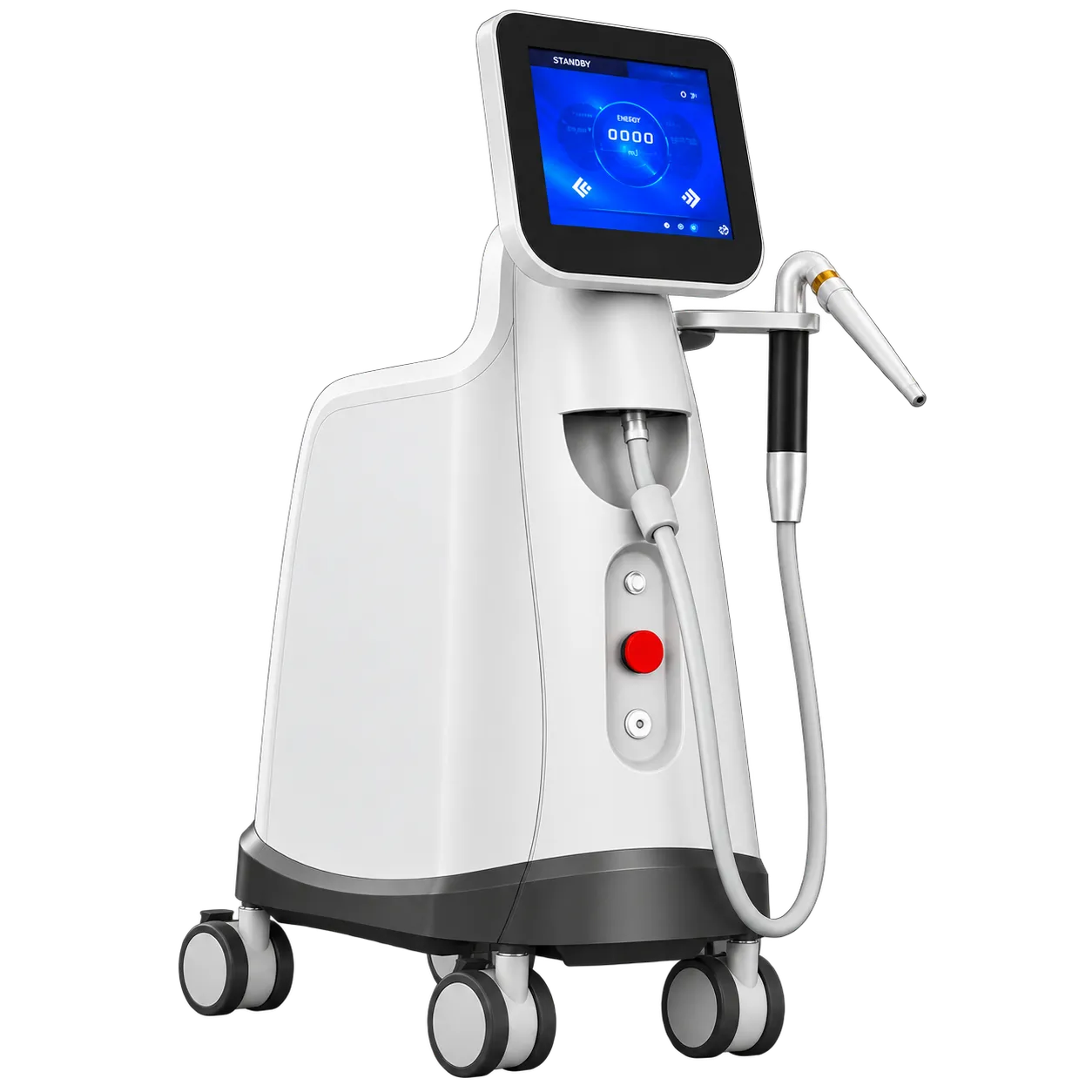
General dental practices use the HS-WDEL-02 across hard and soft tissue, switching modes on the screen as a session moves from a carious lesion to a gum margin. Because the beam is generated inside the handpiece and the handpiece rotates through 360 degrees, the clinician changes the approach angle with the wrist, which counts most in posterior and lingual areas.
Periodontal therapy works along pocket margins, and implant teams use the laser around implant sites during restoration. Endodontists reach for the finer tips, down to 0.1 mm, where access is narrow. Paediatric dentists treating young patients and orthodontists working around brackets use the soft tissue modes for small, precise procedures. Aesthetic restoration, including gum contouring around crowns and veneers, uses the same handpiece in a different mode.
Dental nurses manage the single-use tips, fitting a new tip for each patient on the adsorption lock, and make sure everyone in the room wears 2940 nm eye protection during emission. Practices running specialist and general lists side by side keep one laser for both, with customised modes holding each clinician's routine settings. Referral clinics that see periodontal, implant and endodontic cases in the same week can pair the straight body for anterior access with the angled body for posterior work. For a practice adding laser work for the first time, the preset modes give a starting point for each tissue, and customised modes capture settings as clinicians gain experience.
Practices that rely on deep coagulation for bleeding control, or that want reusable tips, sit outside what the HS-WDEL-02 is built for.