
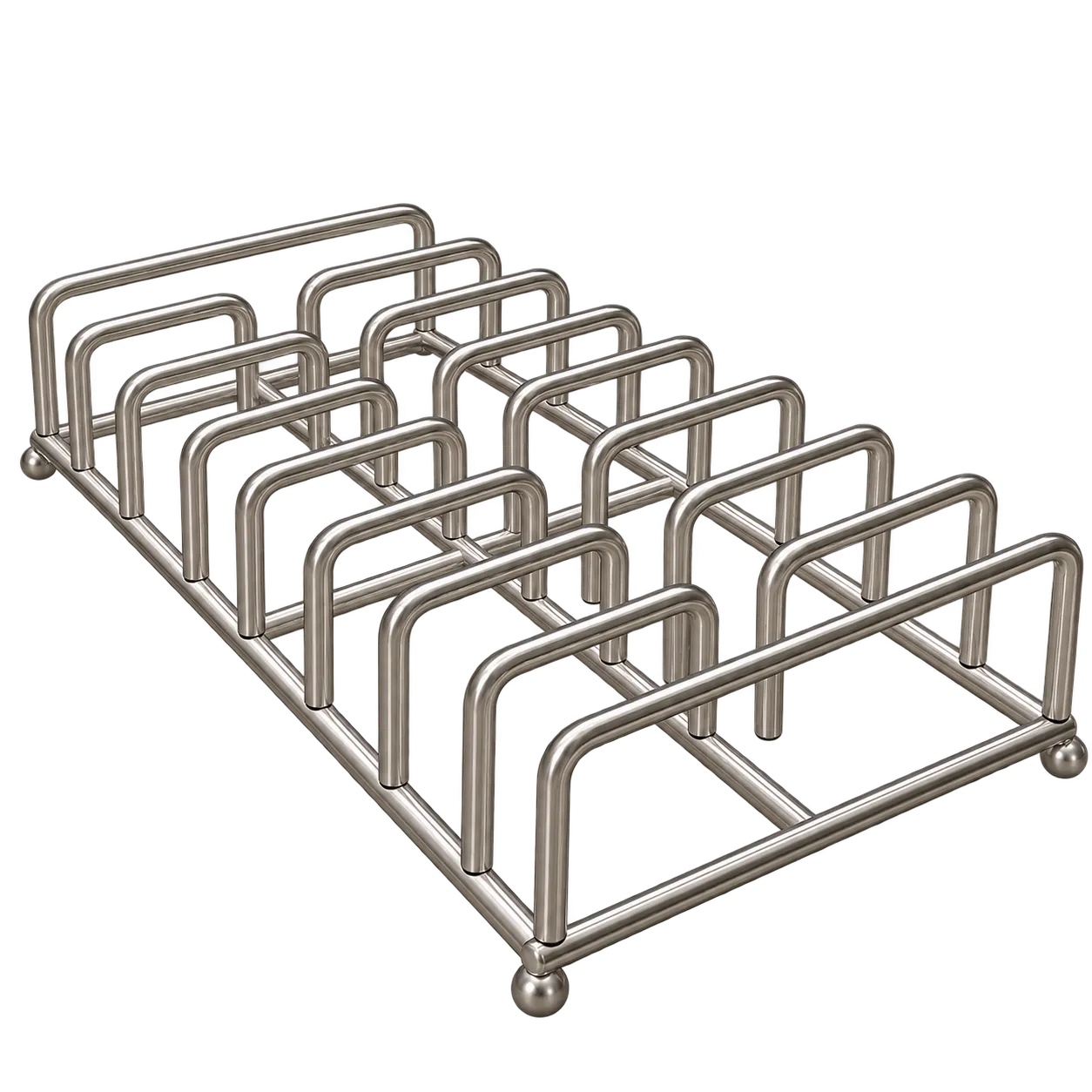
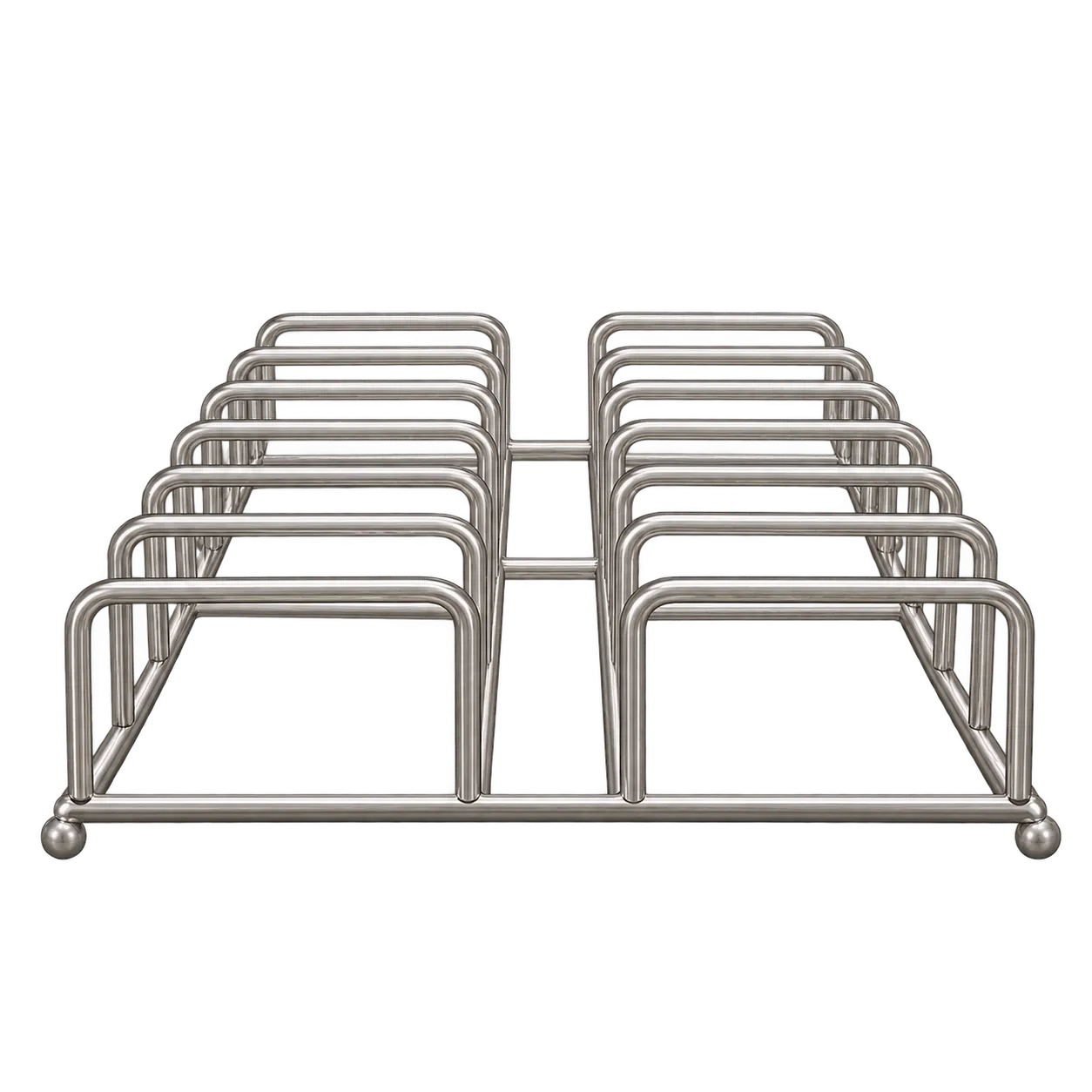
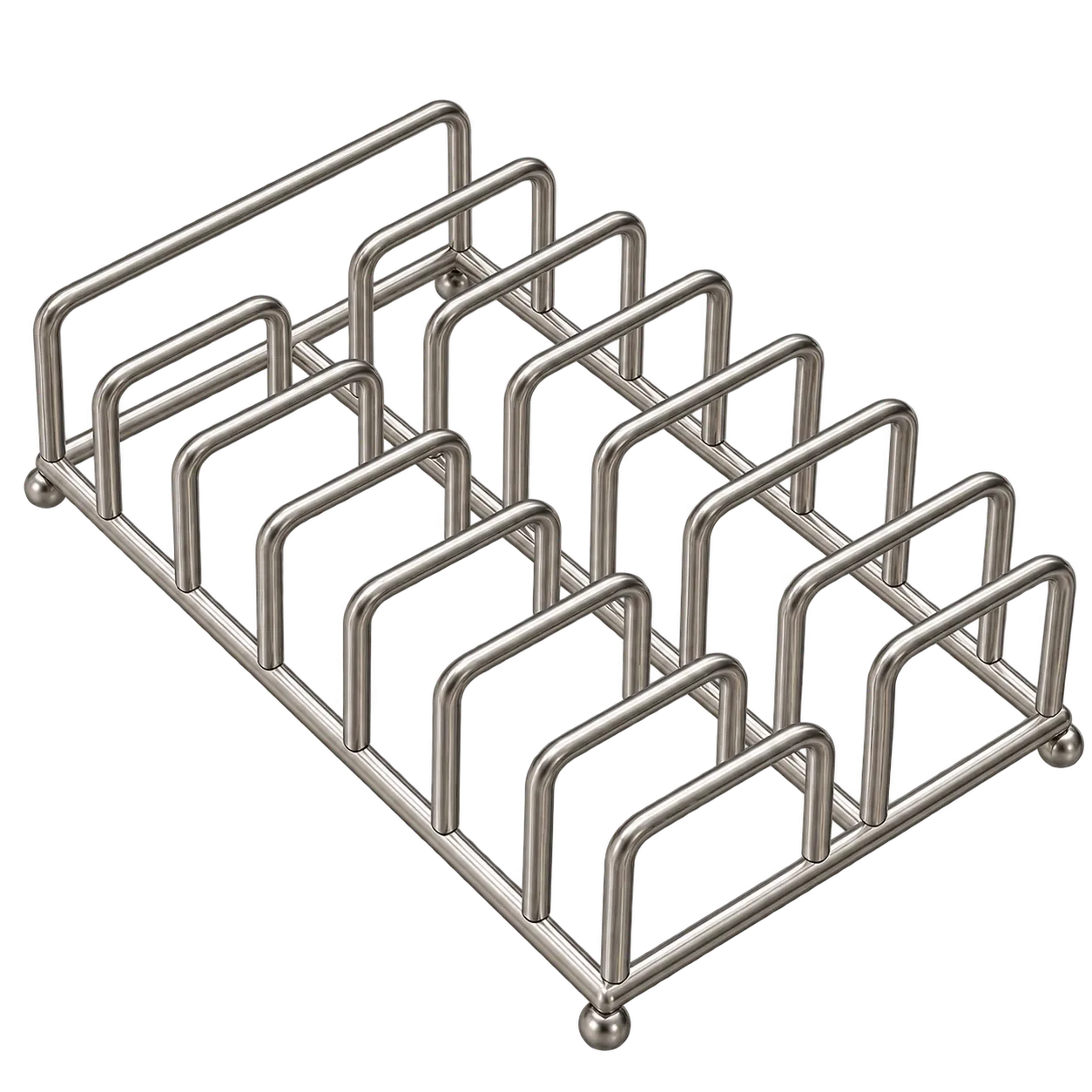
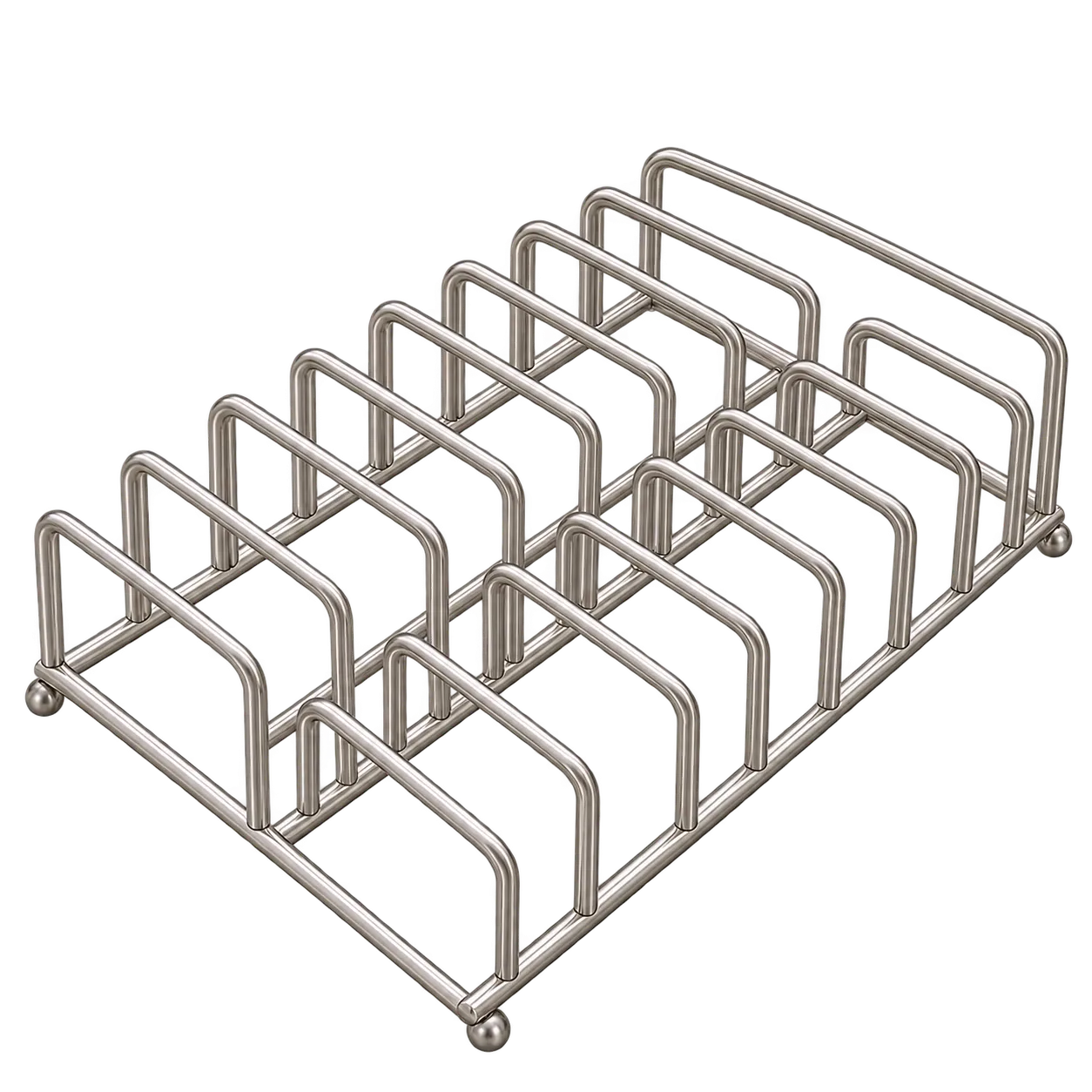
Dental surgeries that pouch their instruments use the HS-IC rack in the decontamination room, beside a benchtop steam steriliser. Staff place sealed pouches into the bench slots as each patient's set comes through, and once the rack is full, they load it into the chamber with each pouch standing on edge. The 8 litre rack goes with a compact steriliser, and the 18 and 23 litre racks with larger chambers that run bigger loads.
GP and minor surgery clinics, podiatry practices, veterinary practices and beauty, piercing and tattoo studios use it the same way for the instruments they reprocess on site. Wherever it works, the job is identical: a load of pouches held apart, with steam free to circulate between them and moisture free to leave in the drying phase.
After the cycle, the rack stays in the chamber until it has cooled, then comes out with its pouches still standing. Operators check each pouch for dryness, intact seals, and a changed process indicator before it goes into storage, and send any damp pouch back for reprocessing.
The rack sets out the load and leaves the sterilising and drying to the steriliser's cycle. An overfilled pouch or a load packed too tightly can still come out damp, so pouch size and fill matter as much as spacing. Each rack is sized for one chamber volume, so the order code becomes the deciding detail when a practice runs sterilisers of different sizes.
Sterilisers limited to unwrapped cycles, chambers of other sizes or shapes, and loads of loose instruments or cassettes call for other loading equipment.