
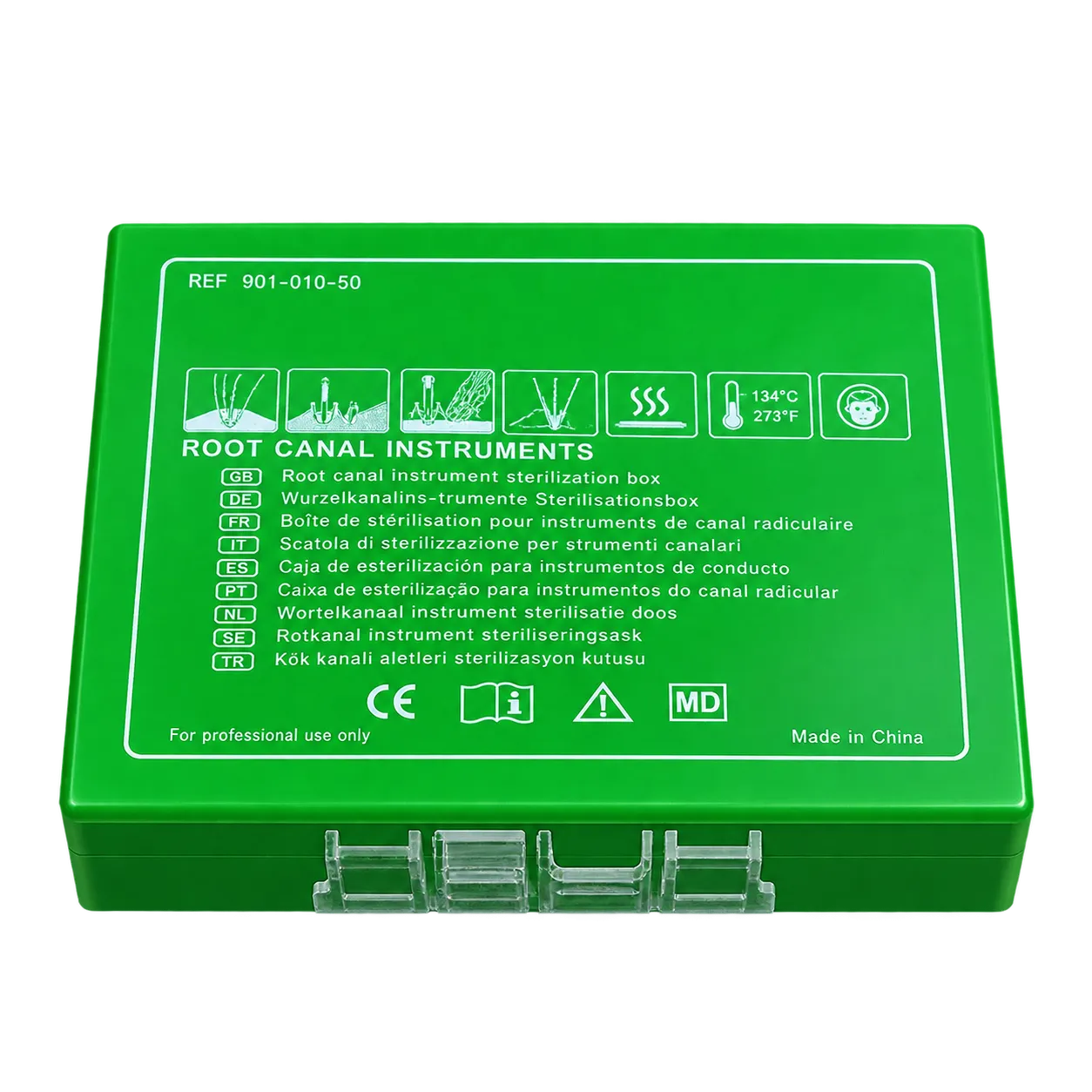
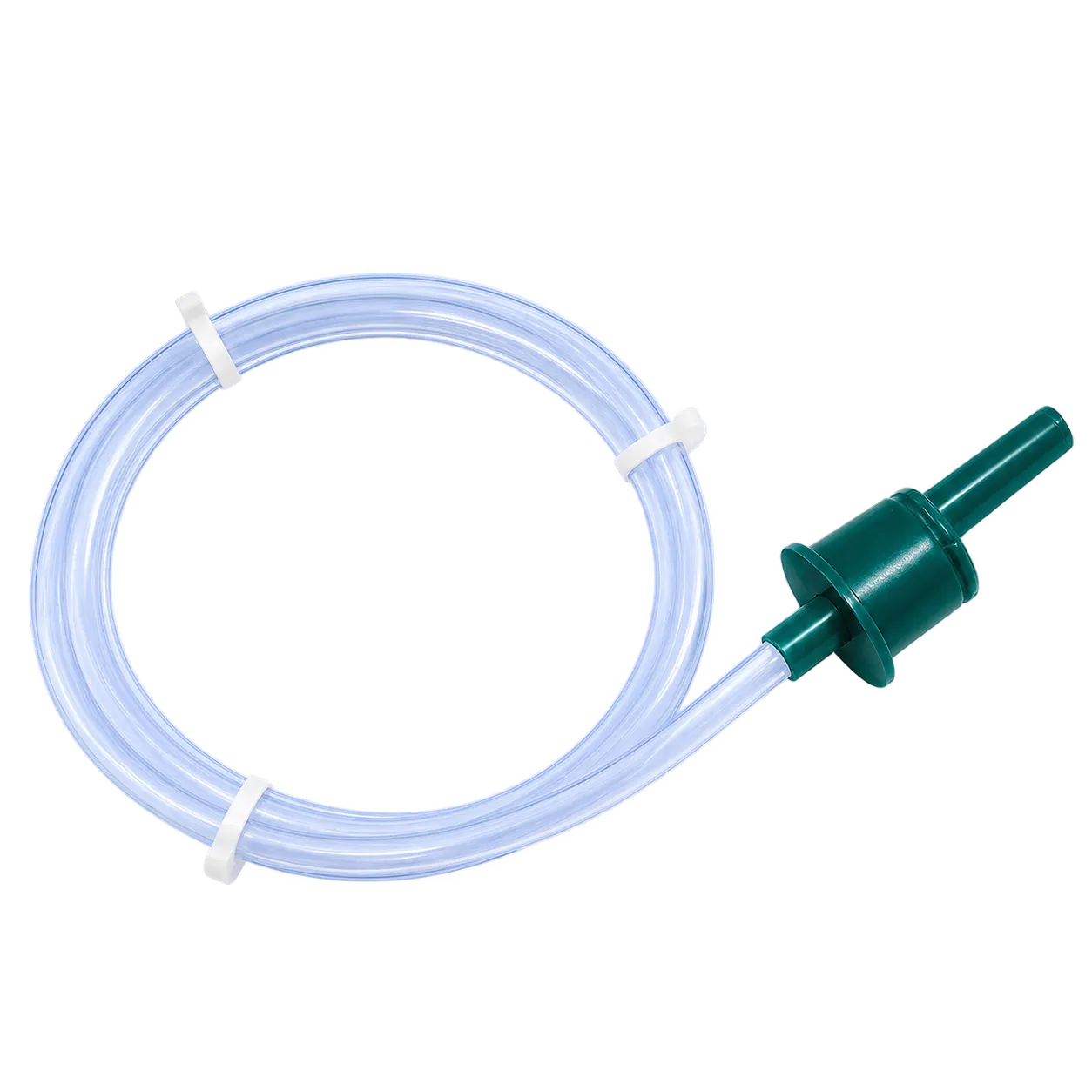
Dental practices with Class B sterilisers are the main users, because handpieces and other hollow instruments depend on steam reaching their internal channels. At the start of the day, a nurse places a fresh strip in the capsule, sets the tube in the empty chamber and runs the steriliser's test cycle, then reads the strip before the first load goes in.
The coil exists to make that test demanding. Steam has to drive air out along the full length of a narrow tube, so a steriliser that turns the strip black shows the kind of air-removal lumen instruments need. A partly yellow strip flags the problem before instruments are processed for that day's patients.
Podiatry clinics, minor surgery suites in general practice, oral surgery clinics and veterinary practices run the same routine wherever cannulated or hollow instruments are processed. Tattoo and piercing studios sterilising hollow grips and tubes use it too.
Decontamination leads also run the test after a service visit or repair, and record each result in the steriliser logbook. Training clinics use the visible colour change to show students what air removal means in practice. Practices running more than one Class B steriliser test each machine separately, so their strips are used up faster. Newly installed or relocated sterilisers go through the same test before they return to service, giving a baseline result on day one.
The kit asks nothing of the room: no power, no cables and no software.
Sterilisers not designed for hollow loads, and teams that need electronically logged test results, need a different solution.