
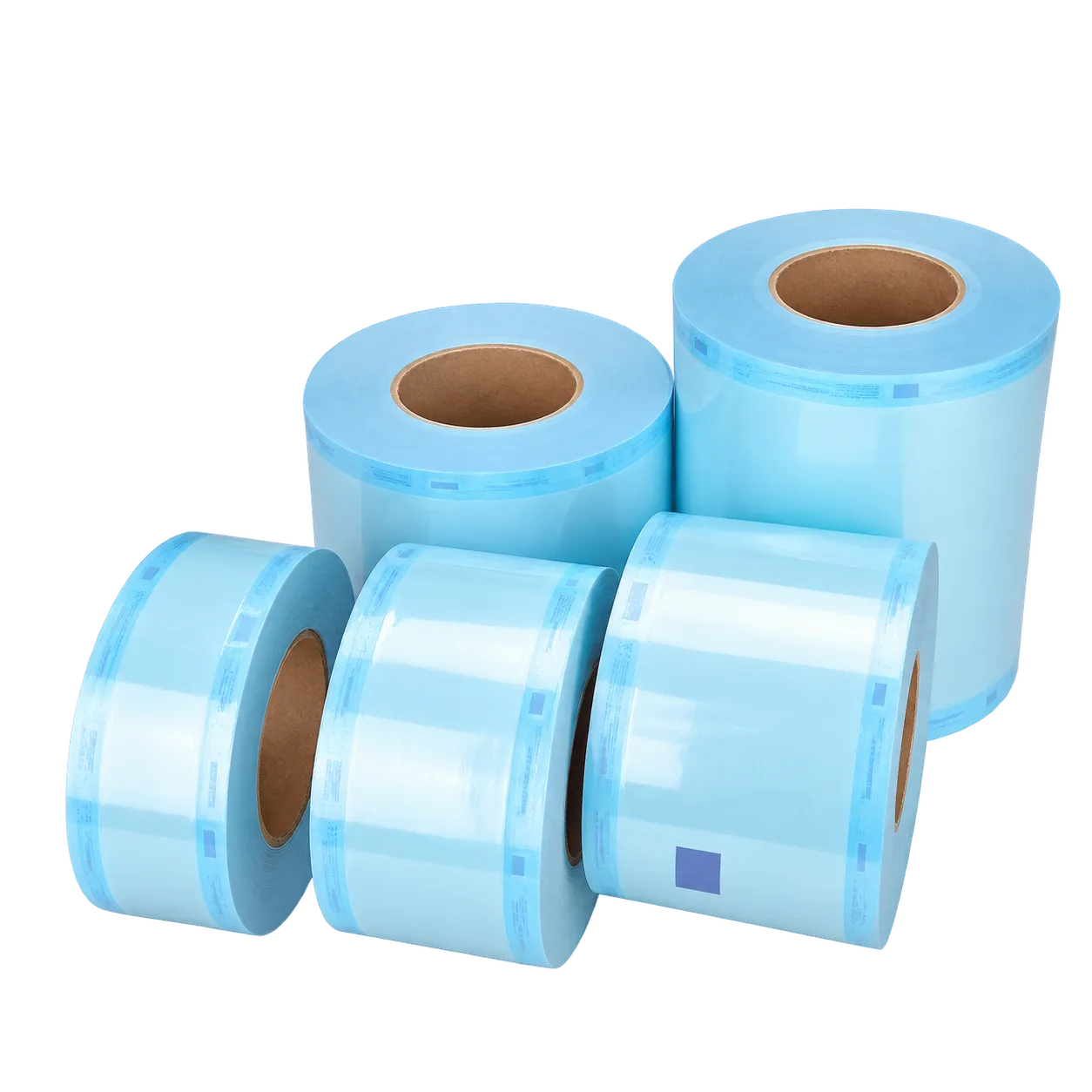
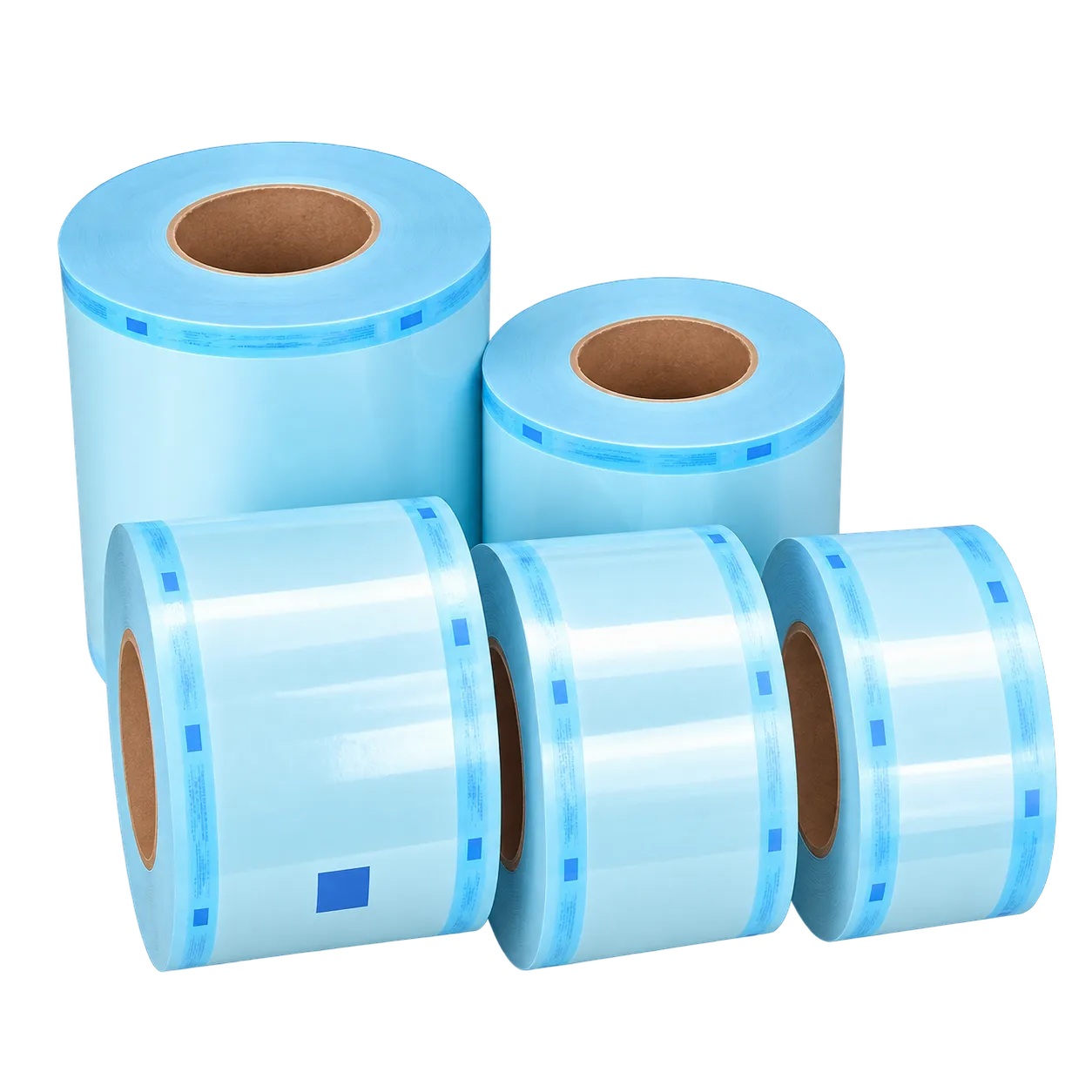
Dental practices use the HS-816 at the packing bench, between the cleaning step and the steriliser. A nurse picks the width for the set: 5 cm for a bur block, 7.5 cm for a mirror and probe, 10 cm for forceps and a handpiece. The piece is cut to fit, sealed at one end, loaded, and sealed at the other.
Supply planning is where reels pay off. A practice that stocks four widths can pack almost any small set without ordering a dozen ready-made pouch sizes, and each pouch is only as long as its contents. Practice managers reorder by the reel, not by the box, and the 200 m reel on the 10 cm width suits the size a busy practice uses most.
Podiatry clinics pack nippers, scalpel handles and burs in the narrower widths, and GP surgeries use the 15 cm reel for minor surgery sets. Veterinary practices, tattoo and piercing studios and beauty clinics follow the same cut-seal-sterilise routine for their reusable instruments, and small laboratories pack heat-tolerant tools for steam sterilisation.
The transparent film helps at both ends of the process. Staff confirm a pack's contents ahead of the steriliser, and the clinician sees the instruments inside before opening the pouch at the chair.
Reels pair with any heat sealer whose bar is at least as wide as the reel, whether a lever bar sealer or a continuous rotary unit. Practices without a sealer, or packing trays wider than 15 cm, need self-seal pouches or wider reels instead.