
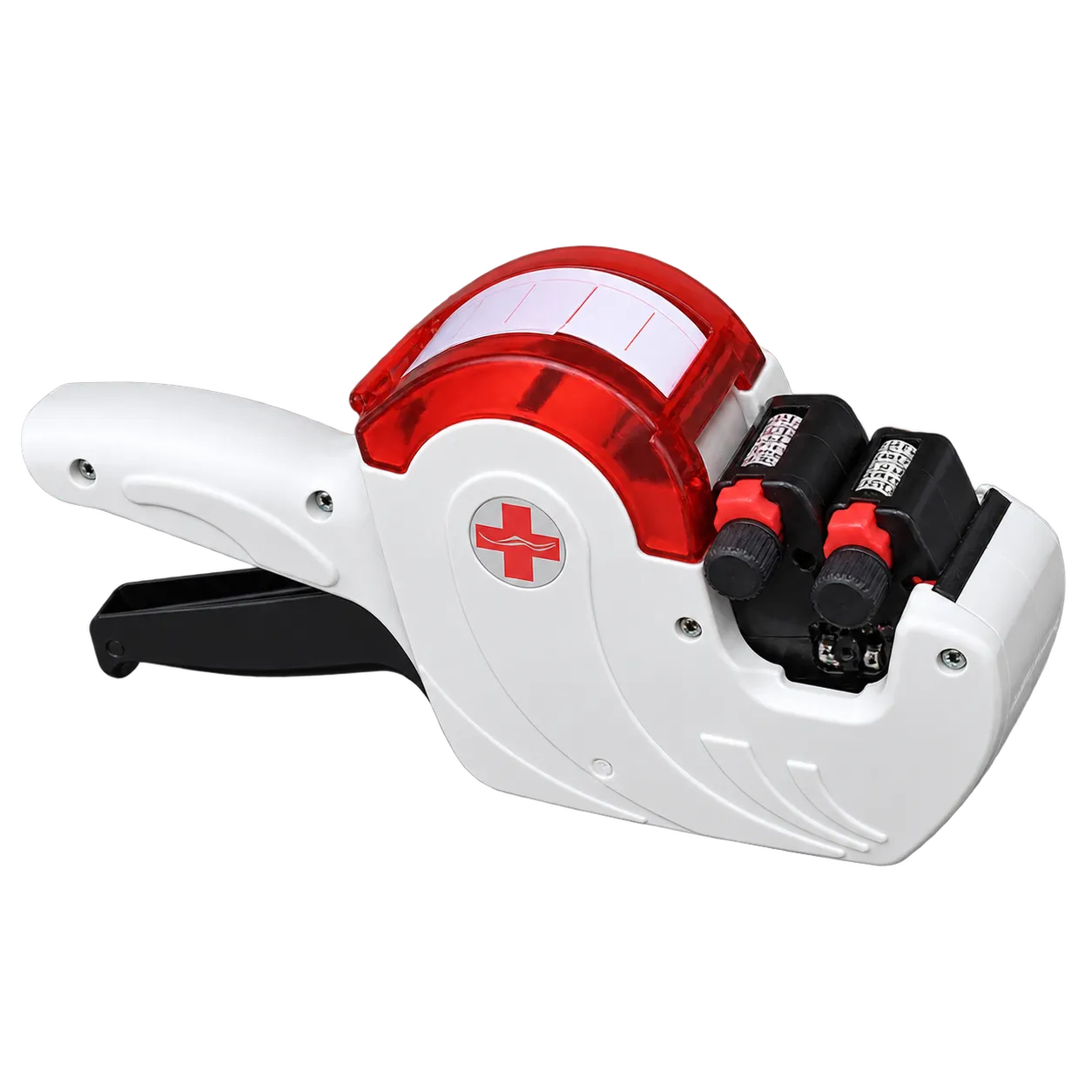
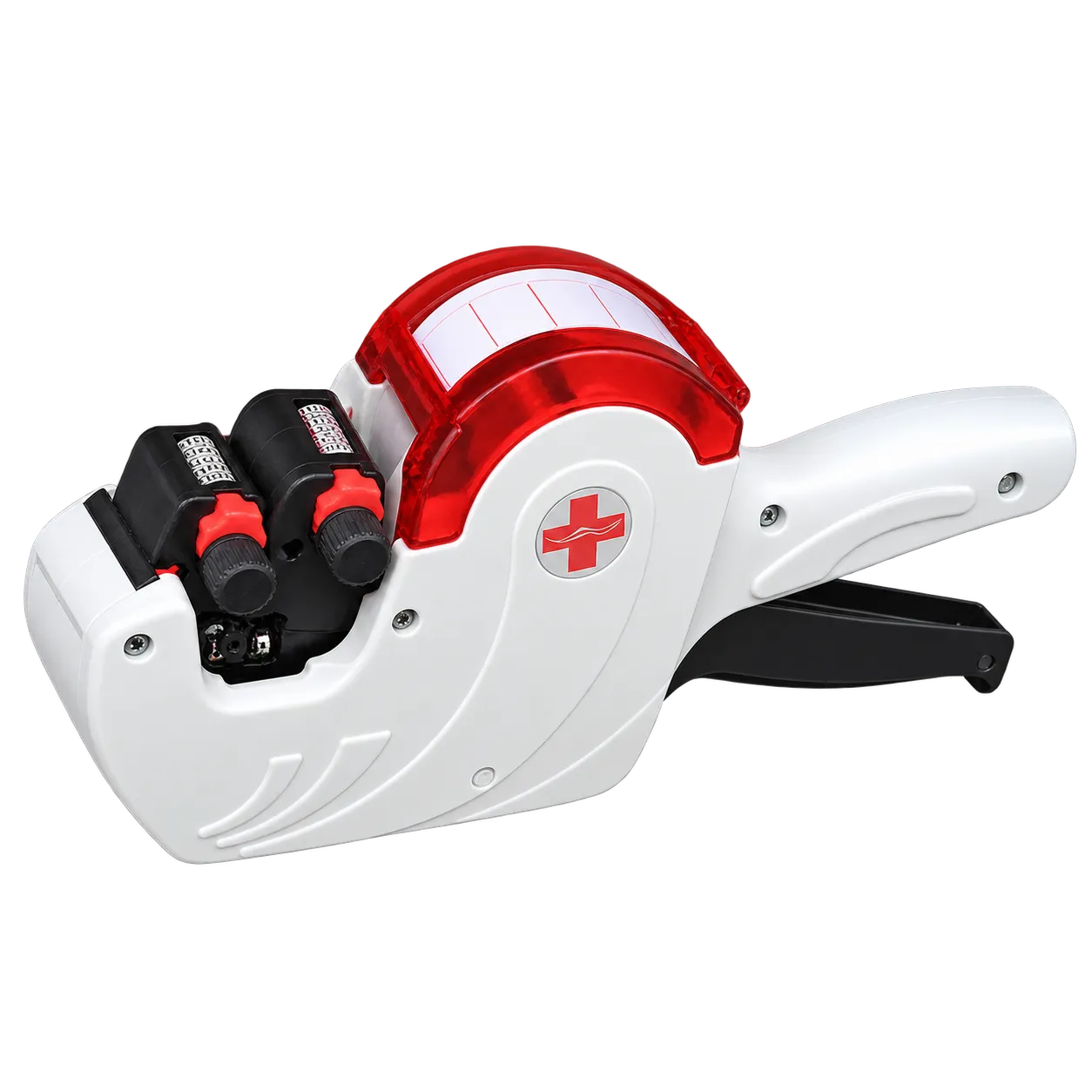
Dental practices use the HS-815 at the packing stage of decontamination. A nurse sets the day's production date, expiry date, sterilisation number, and lot on the labeller, labels each pouch before it goes into the steriliser, and the indicator turns from pink to brown during the cycle. At the chair, the top layer of the label peels off the opened pouch and goes into the patient's notes.
That label is what protects the practice if a cycle is ever called into question. A failed test or an engineer's finding can be traced back to one load, and the lot and sterilisation numbers in the notes show which patients were treated with instruments from it. Follow-up becomes a short, specific list, not a broad search of the diary.
GP surgeries carrying out minor surgery, podiatry clinics and hospital outpatient departments use the same routine for their instrument packs. Practices with more than one steriliser can build each unit's number into the sterilisation code, so records also show which machine processed the pack. Veterinary practices stick the labels into animal records, and tattoo, piercing and beauty studios add them to client cards, giving each client a record of the batch used on them.
Inspection and audit visits also benefit. A sample of patient records showing batch labels, alongside the steriliser's cycle logs, demonstrates that instruments are traceable from pack to patient.
The expiry date on every label keeps stock rotation straightforward, since staff can see at a glance which unused packs need reprocessing. Practices that want barcodes printed automatically from the steriliser, or that sterilise by methods other than steam, need different labelling.