
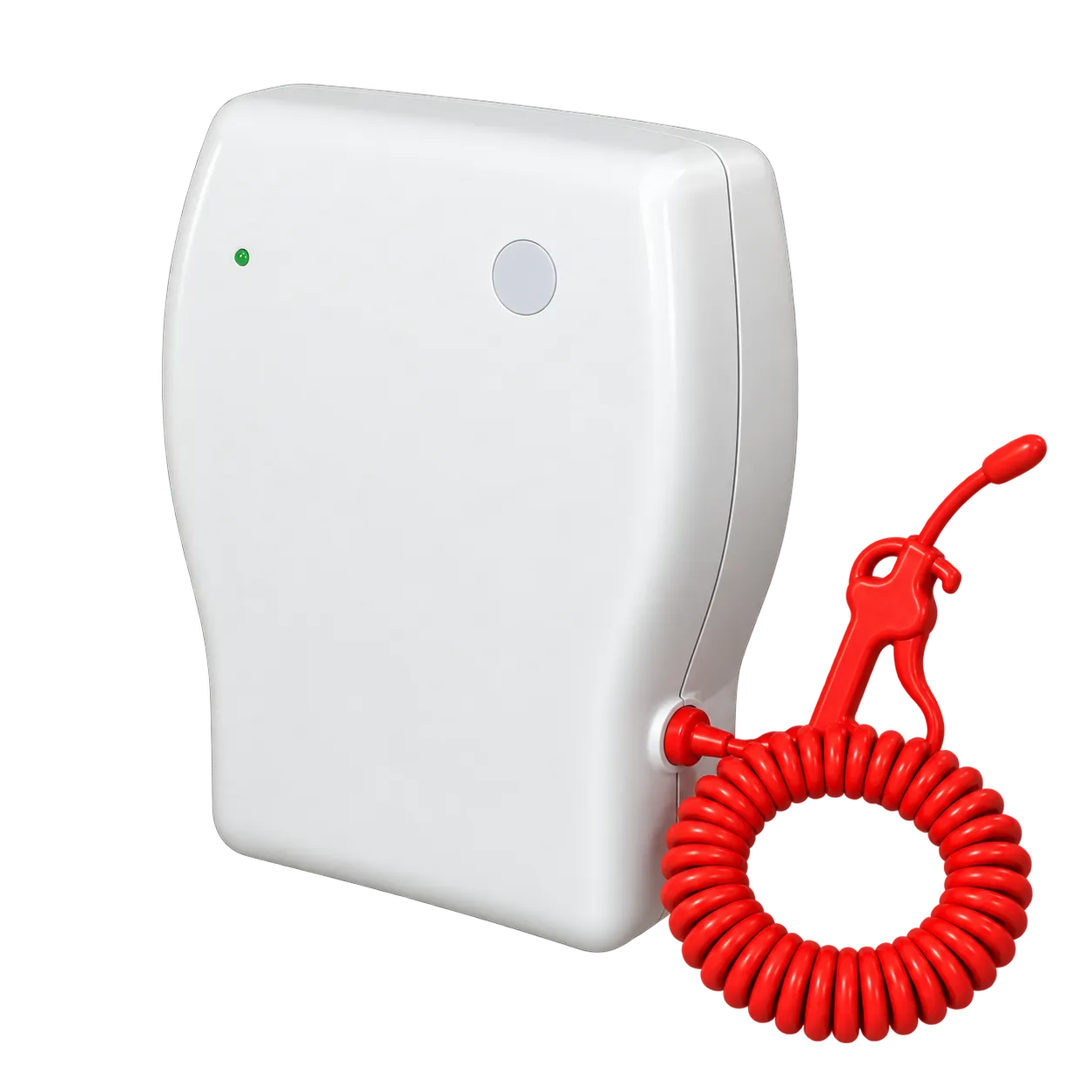
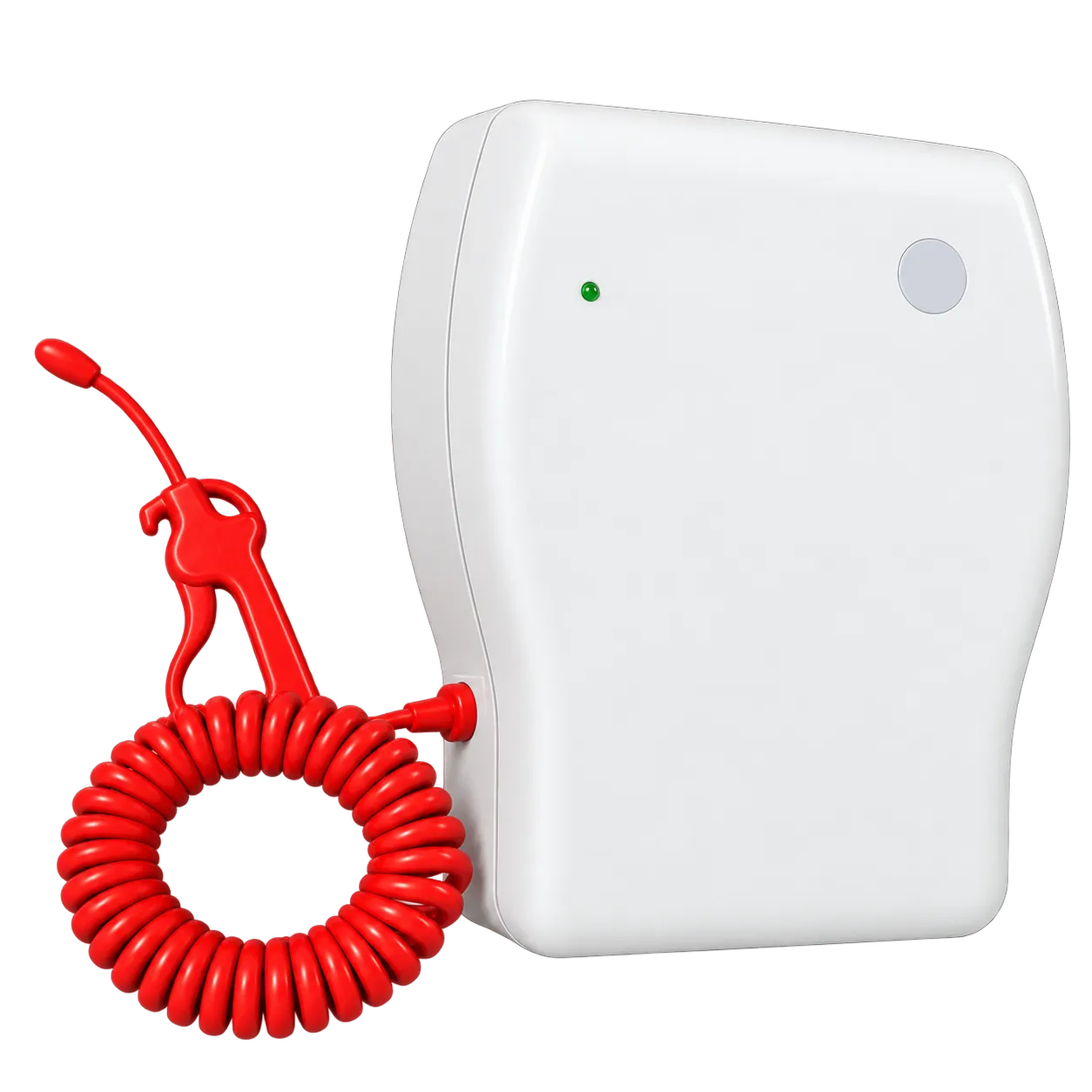
Dental practices running benchtop steam sterilisers are the main users, because those sterilisers take their feed water from a reservoir filled by hand. With the HS-814 on the wall beside the steriliser, the nurse tops up the reservoir from the pistol whenever the steriliser asks for water, with no carton to fetch from the store cupboard.
That on-demand routine suits busy decontamination rooms where the steriliser runs back-to-back cycles. A refill takes as long as it takes the pistol to deliver a litre or two, so a low-water prompt in the middle of a session costs only a minute or so. New staff learn the routine at once: lift the pistol, fill the reservoir to its line and hang the pistol back. Practices that used to stockpile bottled water also win back the storage space it took up.
Podiatry clinics, GP surgeries with minor surgery suites, veterinary practices, and tattoo, piercing and beauty studios with benchtop sterilisers of their own follow the same routine. Small laboratories draw deionised water for rinsing glassware and preparing routine solutions where demineralised water is enough.
Hard-water areas get particular value from the indicator. Resin runs out faster when the incoming water carries more minerals, and the red light shows the moment output quality slips, so staff know before water above the limit reaches the steriliser.
Upkeep comes down to cartridge exchanges, made at the wall with the cartridge key. Rooms without a tap near the steriliser, and steriliser units that need a plumbed automatic feed, need a different set-up.