
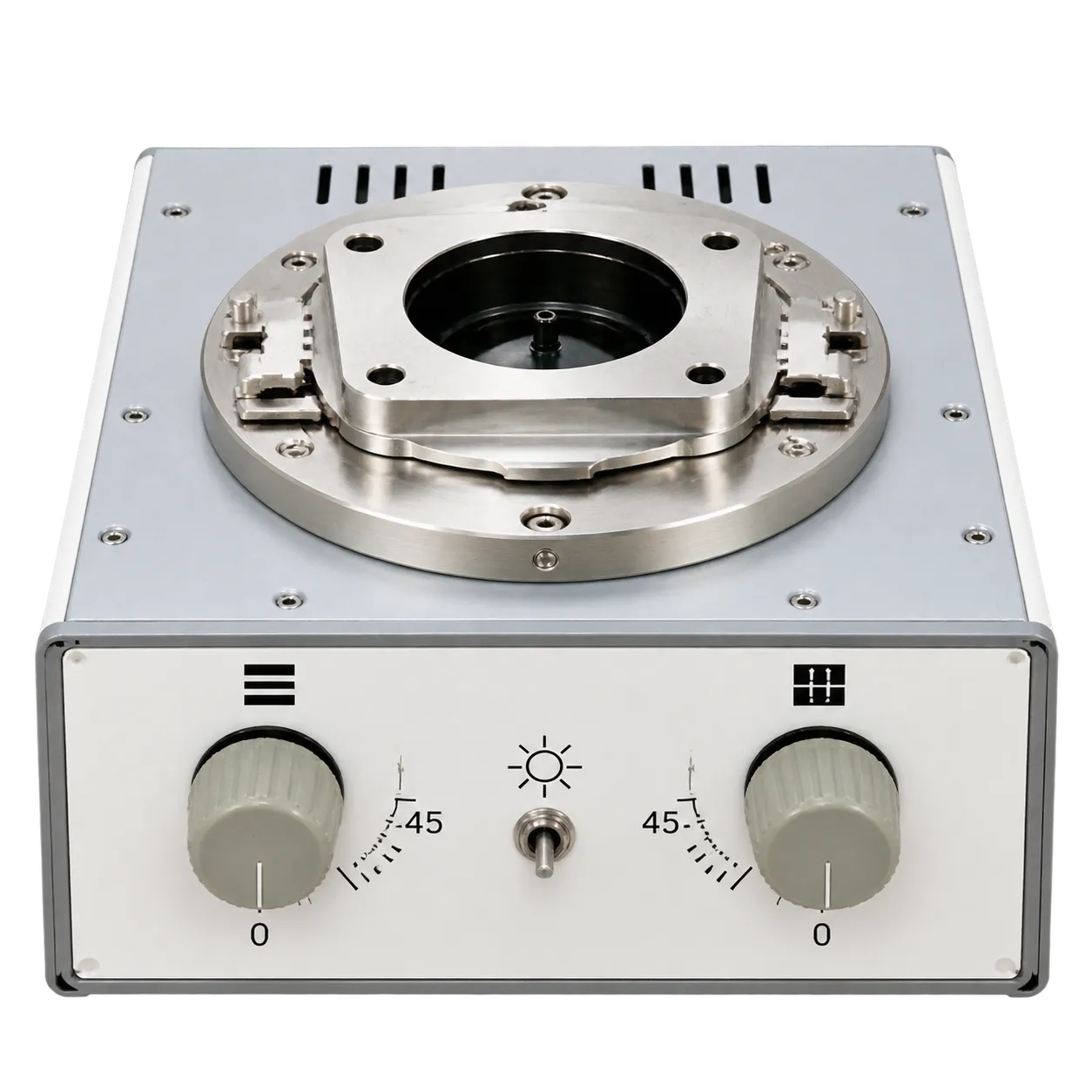
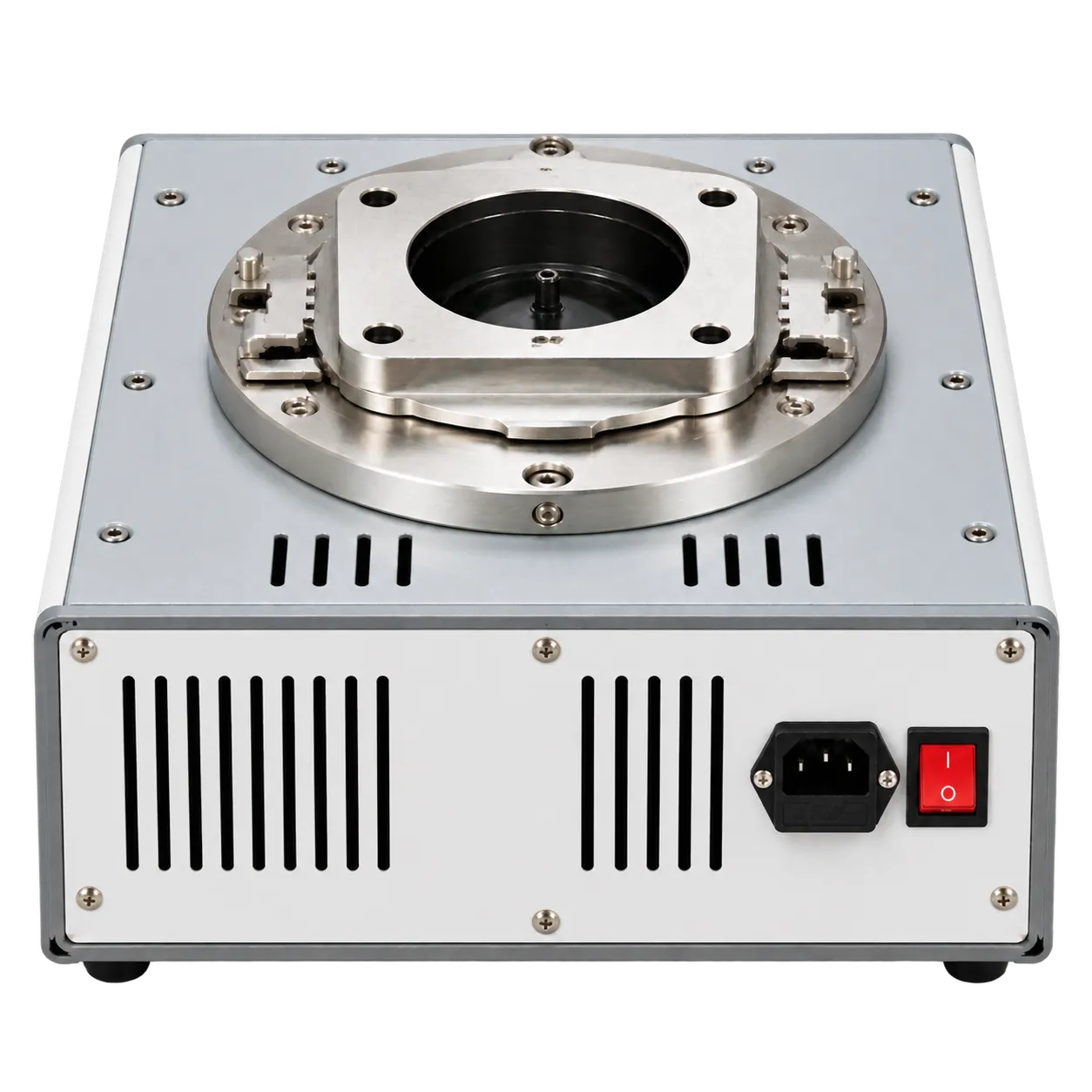
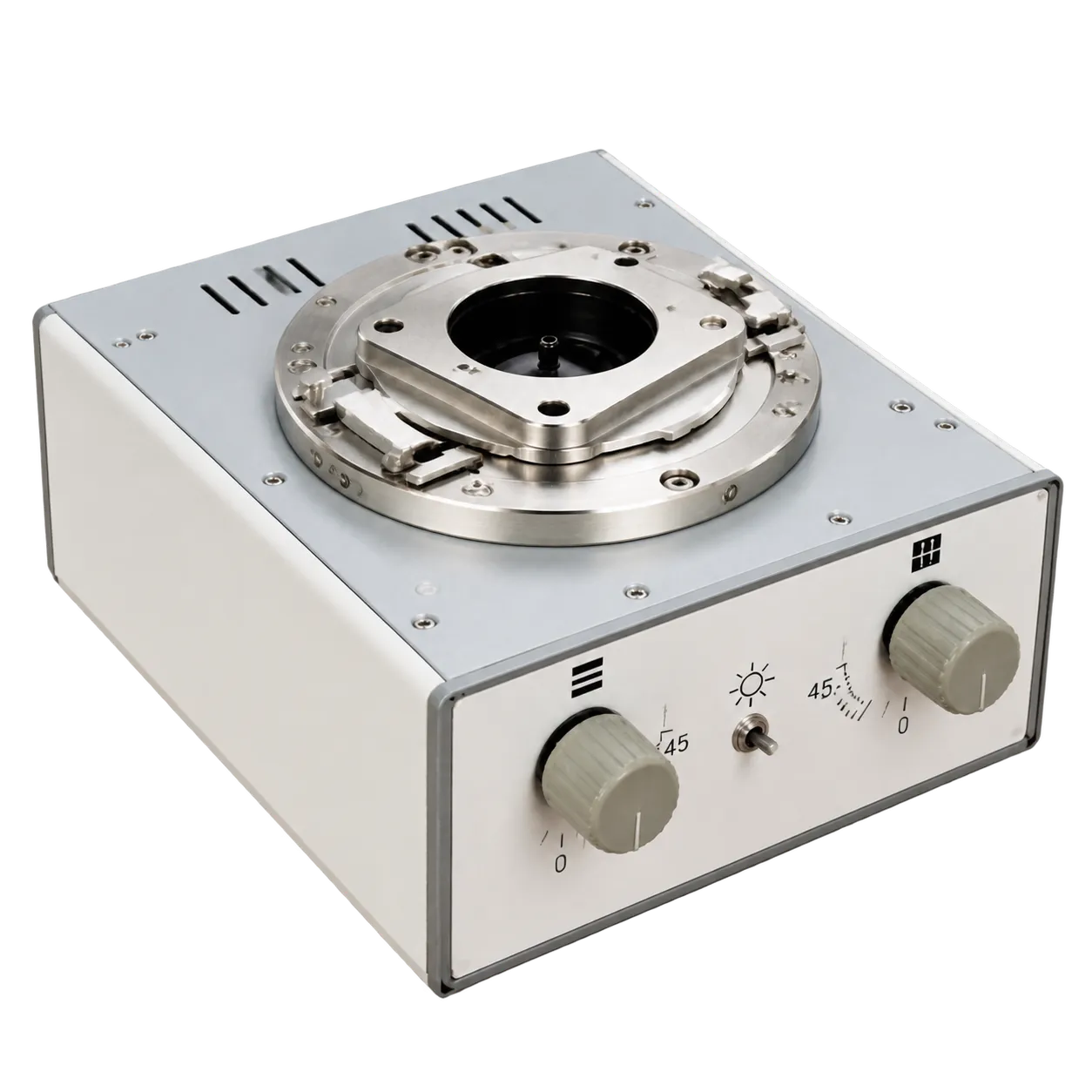
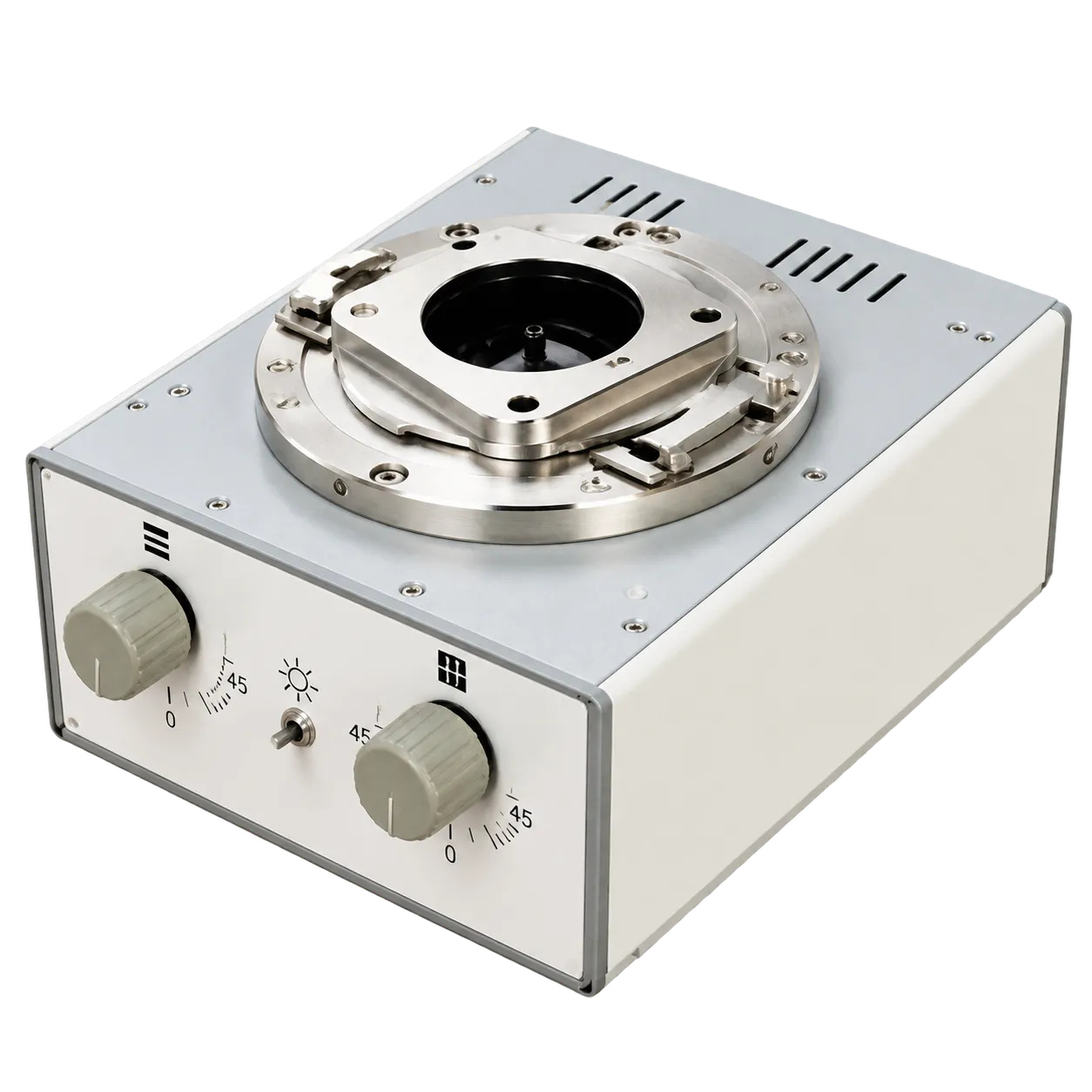
Collimating to the anatomy lowers dose without any extra equipment, and the light field is how a radiographer does it. A bright, accurate field lets staff set the borders confidently on the first attempt, rather than opening up for safety and accepting more scatter. An LED source helps here, since brightness holds steady across the lamp's life instead of dimming as a filament ages. You can overlook that kind of consistency until it goes, usually in the middle of a list.
The thirty-second timer is a small feature with a practical effect. It stops the light being left on between patients, which saves the lamp, and it removes one more thing from the radiographer's list during a busy session. What the sheet does not settle is how closely the light field tracks the radiation field. Physics teams measure that agreement at commissioning and periodically after, and a manufacturer's tolerance should be on record before the first of those tests.
Filtration deserves a second look when comparing the two models Blackstone lists. This one adds a millimetre of aluminium; its stablemate adds a little more, and the total combines whichever is fitted with the tube's own contribution. General radiography above 70 kV usually calls for 2.5 mm of aluminium equivalent overall, so the pairing has to be worked out rather than assumed.
Medigear.uk obtains the leakage figures, mounting pattern, and window distance from Blackstone so the physics team and installer can plan properly.