

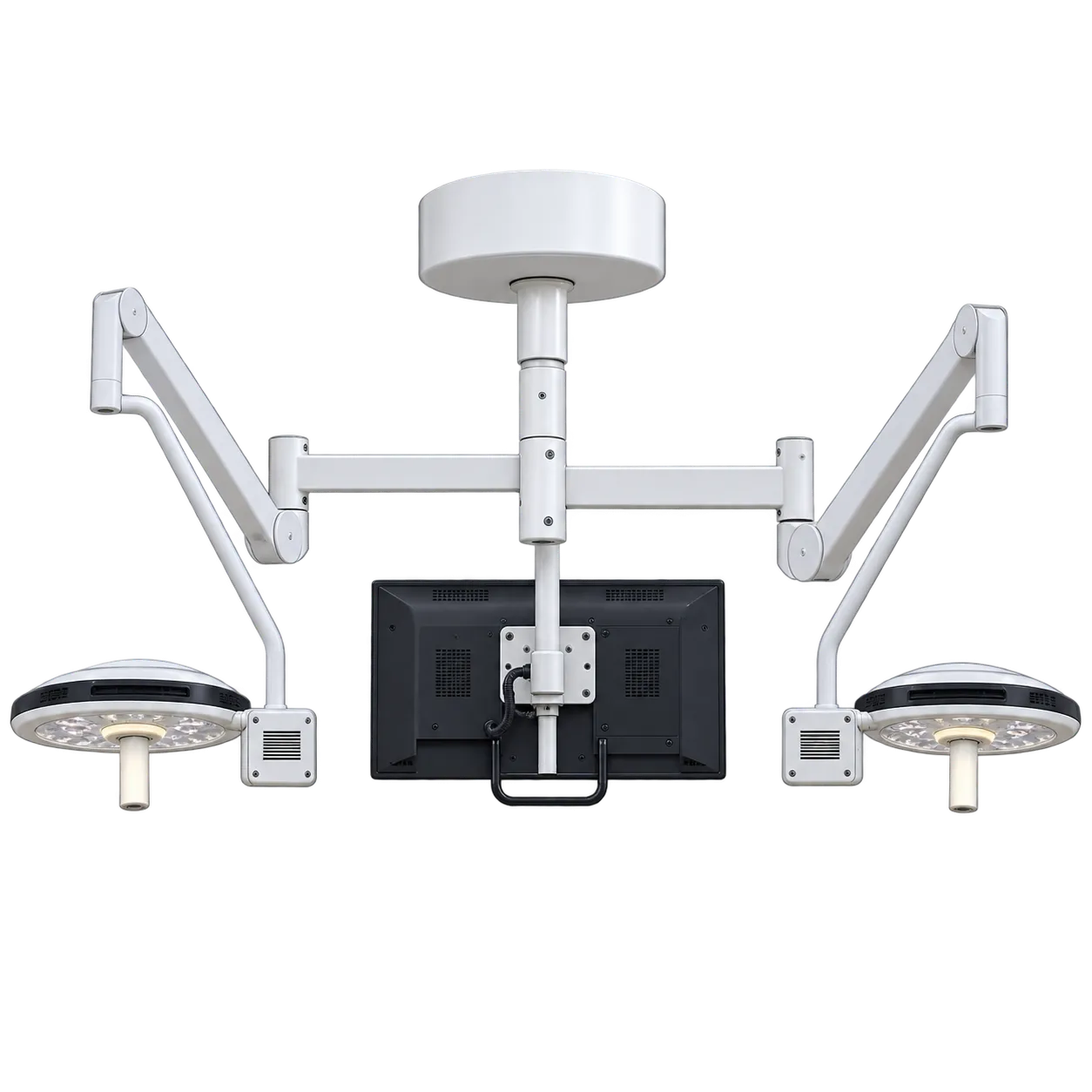
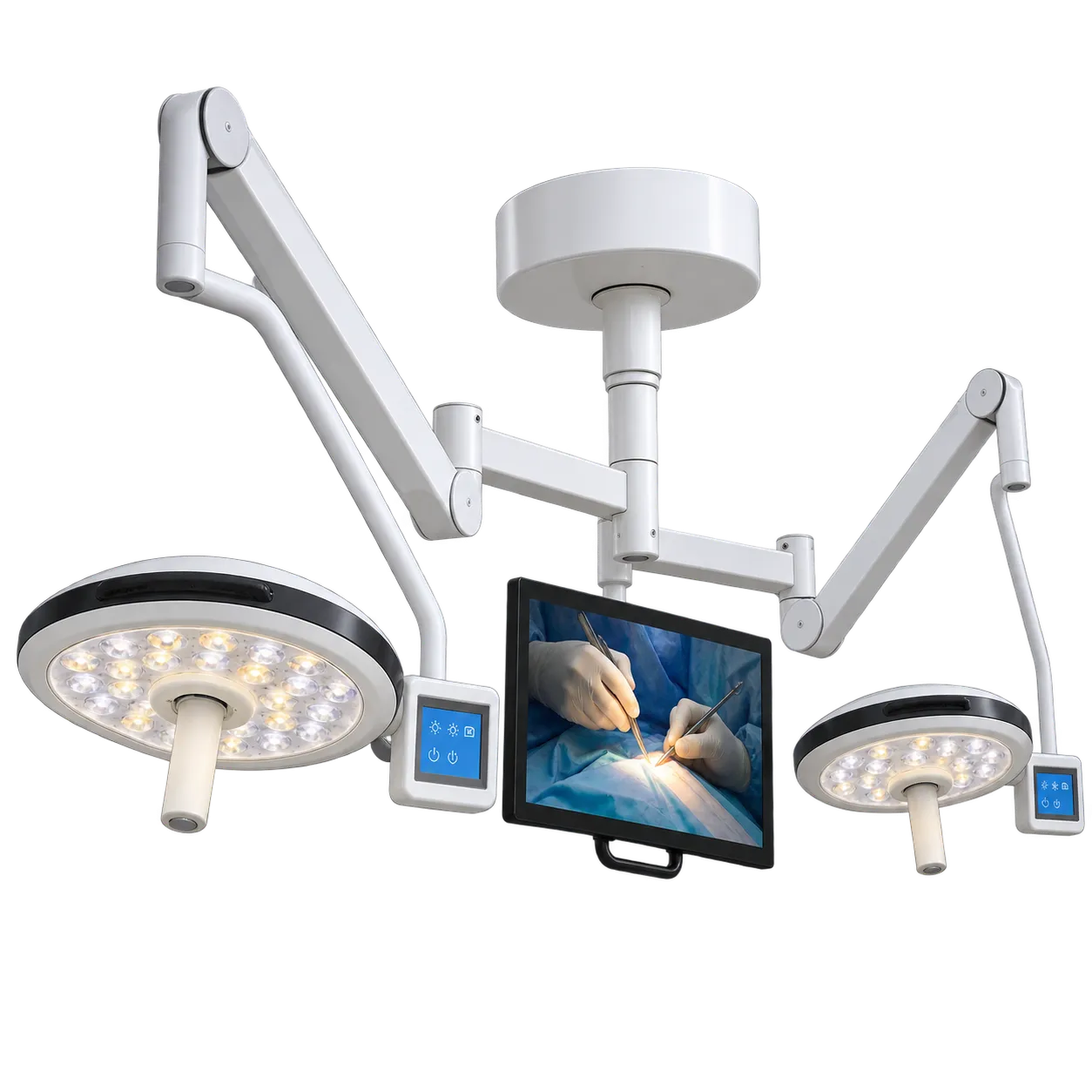
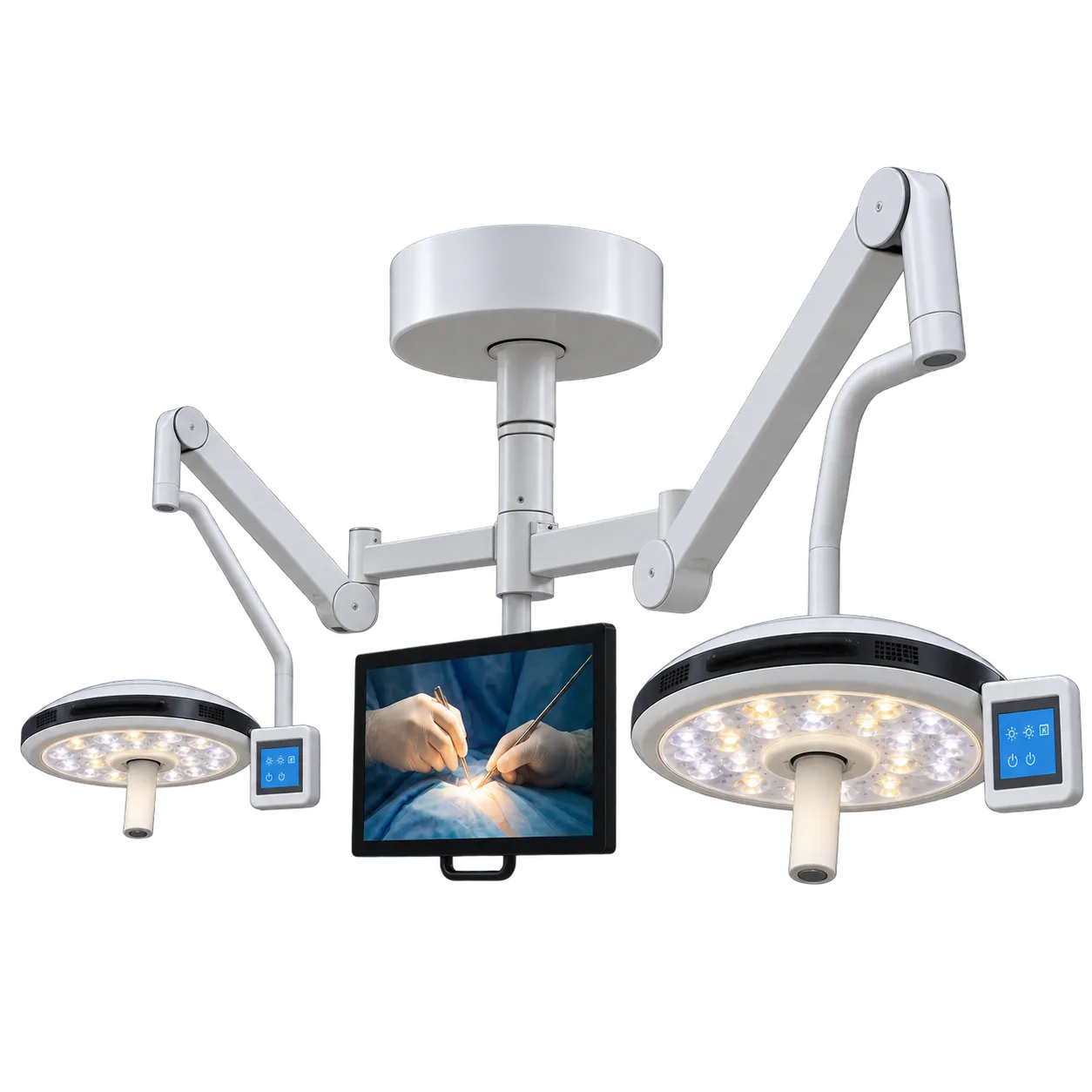
On this dual-head lighting system, the camera should be the main focus, not the optics. Three million pixels describes a sensor, not a recording: video resolution, frame rate, and output format are separate figures, and none are printed. A recorder described as large capacity with no capacity given tells a buyer nothing either. Before any of that, though, surgical video is patient-identifiable material. Where it is stored, how long it is kept, how it is exported, who can retrieve it, and how it is deleted are information governance questions, and they are settled before a camera is switched on rather than afterwards.
Used properly, the camera earns its place. Teaching, case review, remote opinion during an unusual procedure and a record for later discussion all justify it, and a camera built into the lamp head sees what the surgeon sees without anyone holding anything. The practical questions are about control: whether zoom and focus can be driven from a sterile handle, or whether somebody unscrubbed has to work the panel.
On the lighting itself,f the twin arrangement is the strongest shadow management in the Blackstone range, better than any single head with compensation fitted. What n'tot published is how far apart the arms place the heads, and that distance determines how much angular difference they actually deliver. Two heads hung close together behave rather like one wide one.
Medigear.uk obtains the arm reach, trailing loa and trailing figures before this system reaches a theatre.