
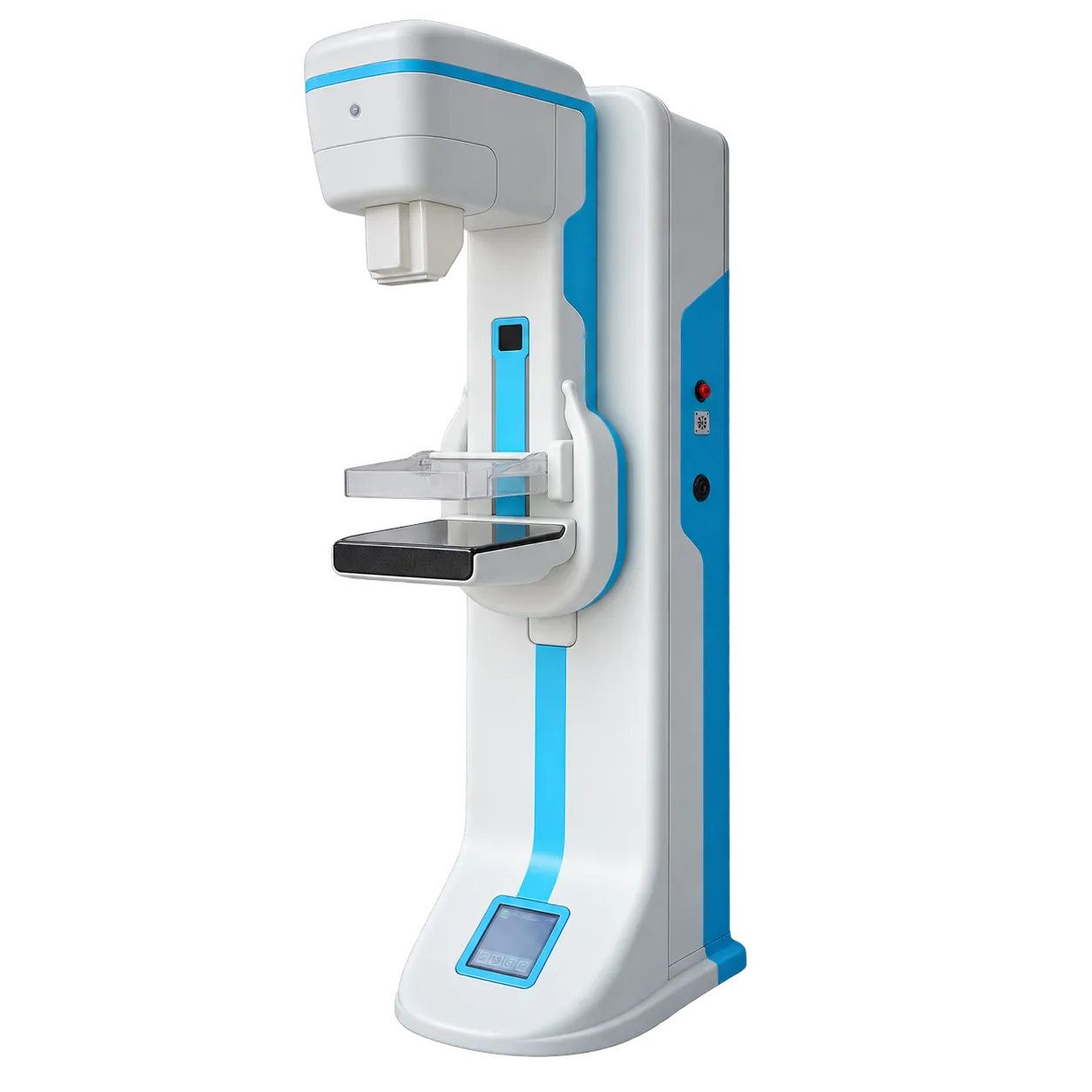
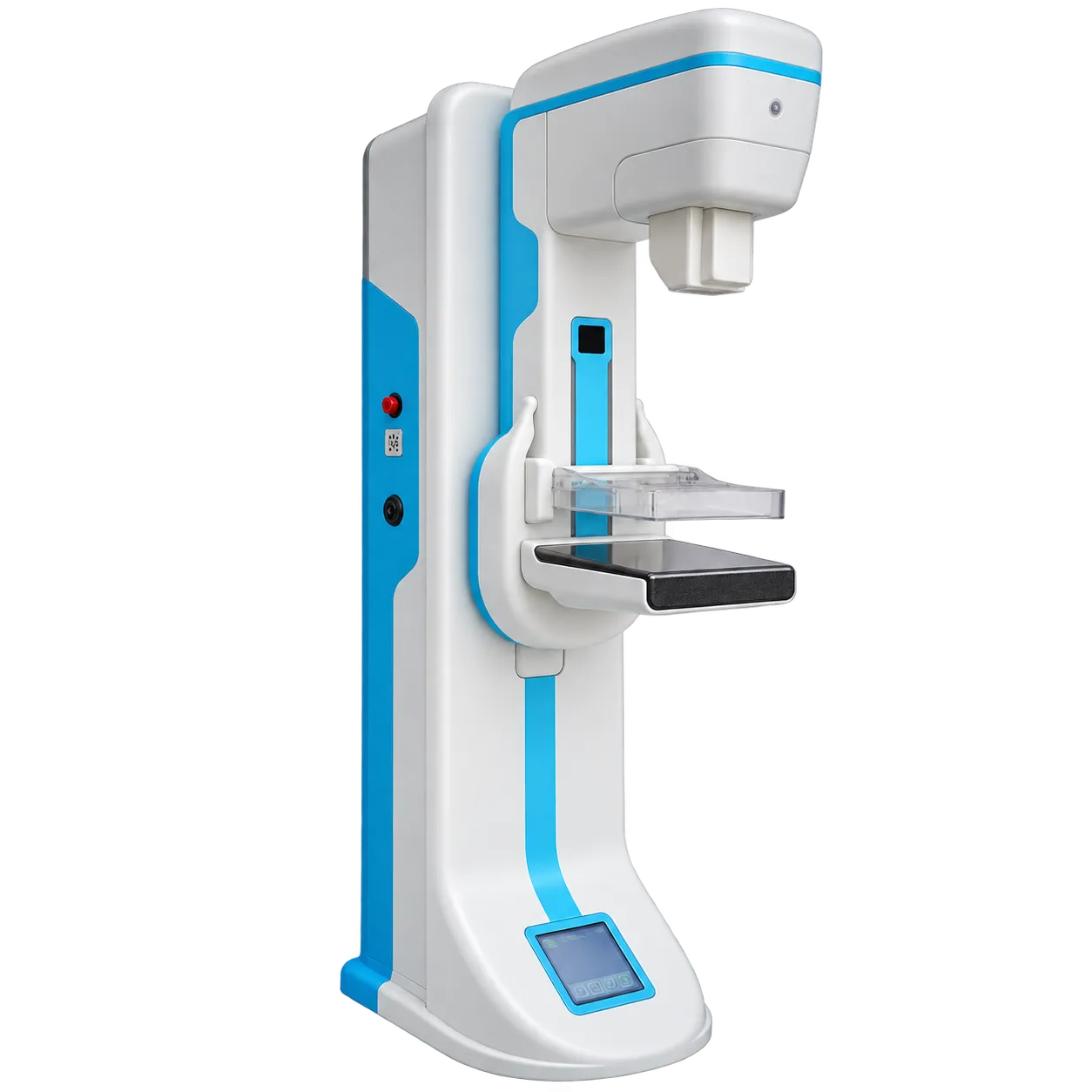
Mammography demands more of a machine than general radiography. Low kilovoltage, small focal spots, and tight filtration provide the contrast needed to separate soft-tissue densities. Compression then spreads the breast, which cuts both thickness and dose. The C-arm figures here support the standard views, with 180° of rotation in total and 560 mm of height adjustment for seated and standing patients. Positioning is most of the work in breast imaging, so that range matters. Comfort during compression also influences whether women return for later screening rounds.
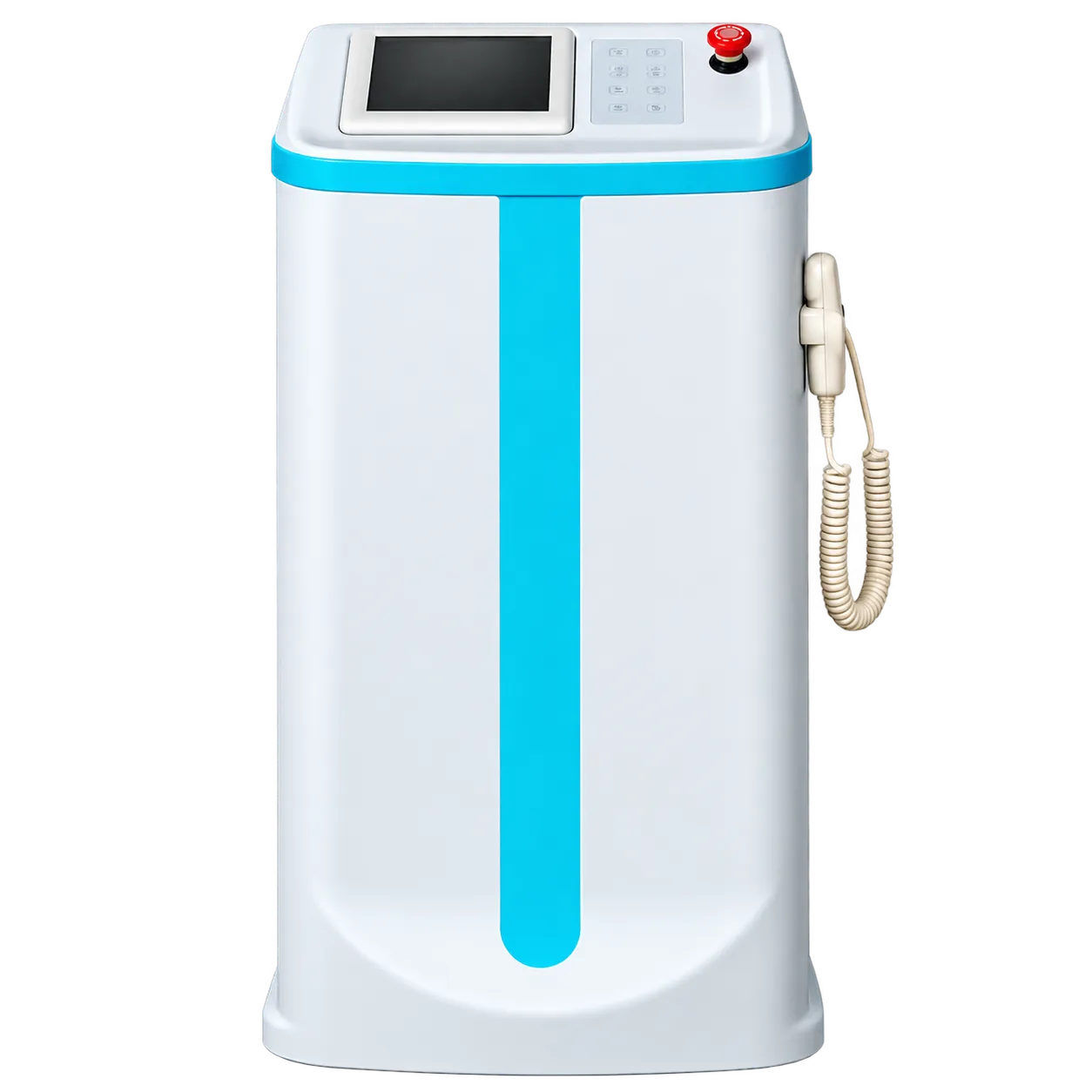
The optional items are the first to settle. Without automatic exposure control, each exposure rests on the radiographer judging breast composition, which invites repeats and lets dose drift upwards. Without a grid, scatter lowers contrast on thicker breasts. Filtration sets the beam's energy, so confirm the target-and-filter pairing rather than assume it. These are not accessories in the usual sense of the word. The console layout is worth seeing too, since it shapes how quickly a list runs.
For a UK buyer, the receptor is the bigger question. Breast services here work digitally, with images read on reporting workstations and stored on PACS. A cassette unit therefore suits services elsewhere that still film or use computed radiography. Mammography equipment in the UK also faces a demanding physics quality assurance regime, with regular testing of dose, image quality and compression.
Medigear.uk asks whether a digital receptor is available for this stand, and obtains the dose and exposure data a medical physics expert will want.