


Suction and irrigation sit behind much of routine laparoscopic surgery. In cholecystectomy, they clear bile and stones spilled from a torn gallbladder, and they keep the liver bed visible while bleeding is controlled. With a perforated appendix, pus is suctioned from the pelvis and flanks, often with a washout as well. In gynaecology, a ruptured ectopic pregnancy can leave a large haemoperitoneum that has to be emptied before the tube can be seen, and the spilled contents of a dermoid cyst are washed out to limit chemical peritonitis.
Technique shapes how the pump is used. Suction removes carbon dioxide along with fluid, so strong suction with the tip clear of the fluid can collapse the pneumoperitoneum and lose the view within moments. Surgeons therefore keep the tip submerged, work in short bursts,s and rely on the insufflator to keep pace. The adjustable range helps, because a lower setting leaves more gas behind. Clots and tissue fragments block narrow probes, so the bore of the tip matters as much as the vacuum. NICE also asks for all irrigation fluid used in surgery to be warmed in a thermostatically controlled cabinet to 38 to 40°C. The pump heats nothing itself, so a warming cabinet belongs in the plan.
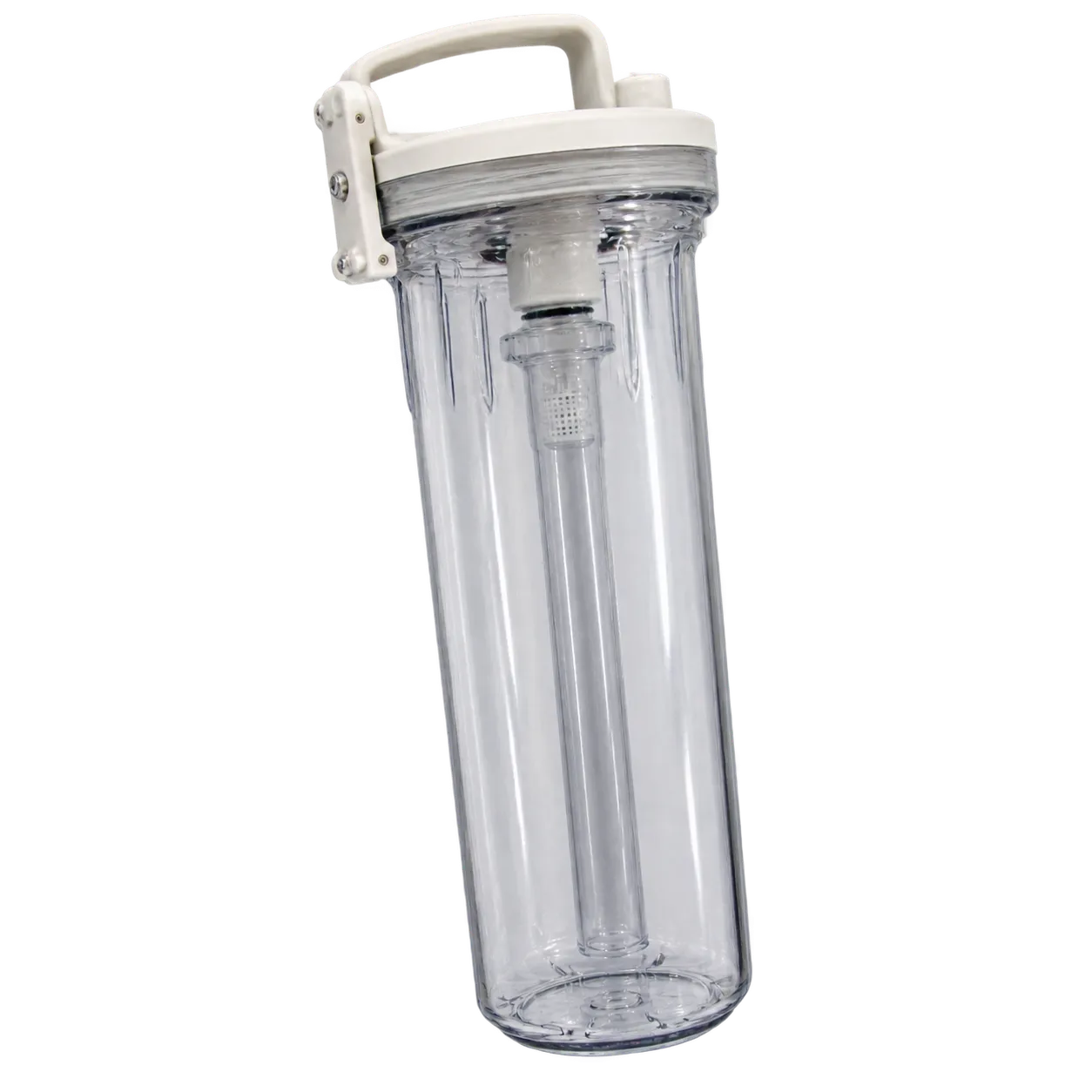
Fluid accounting is the third practical point. Blood loss is estimated by subtracting the irrigation volume from the total reaching the suction canister, which needs a clearly graduated container, and none is described.
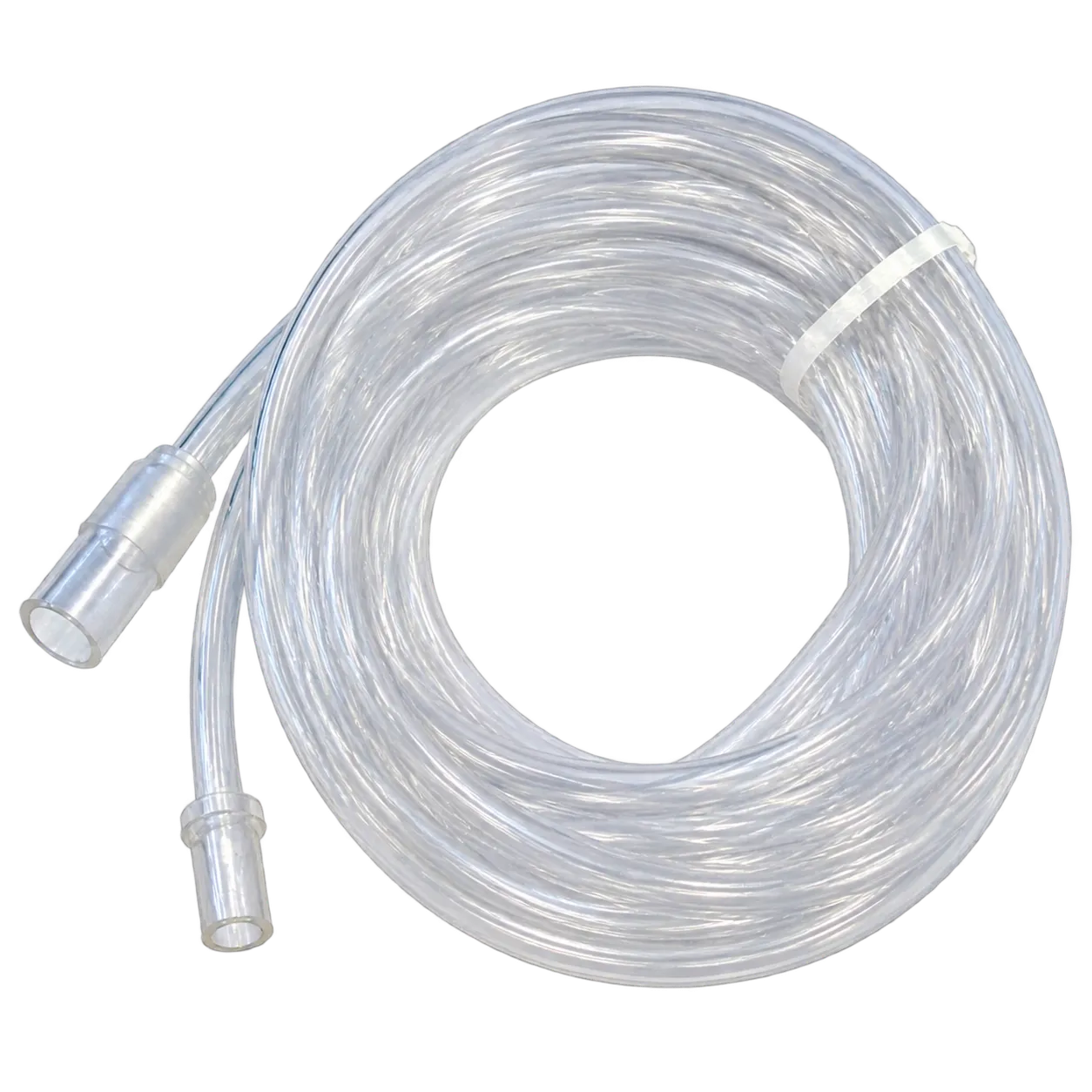
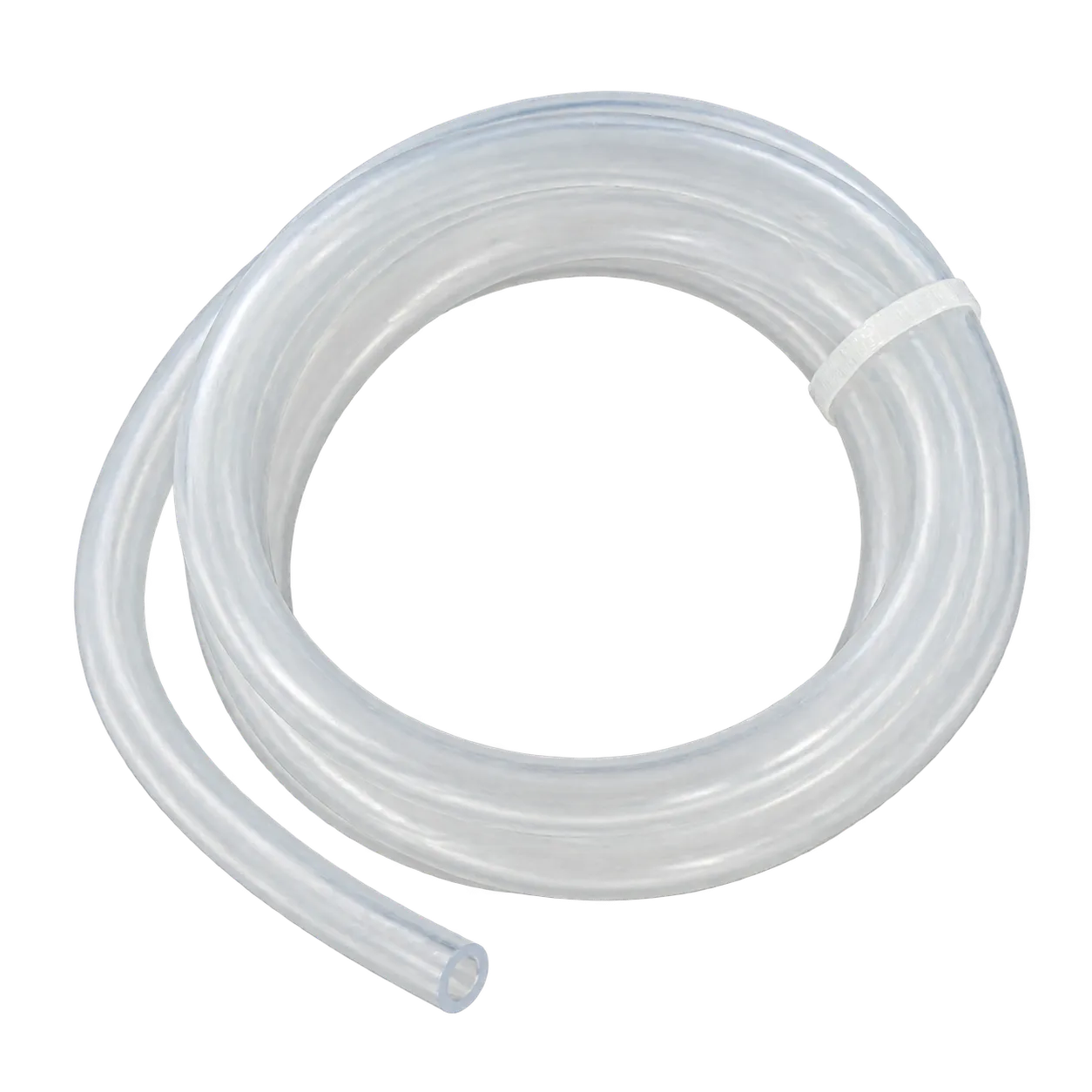
Medigear.uk has asked Blackstone for the flow rates, the tubing and canister arrangement,nt and any overflow protection, and it passes the answers to theatre teams and to the clinical engineers commissioning the unit.