
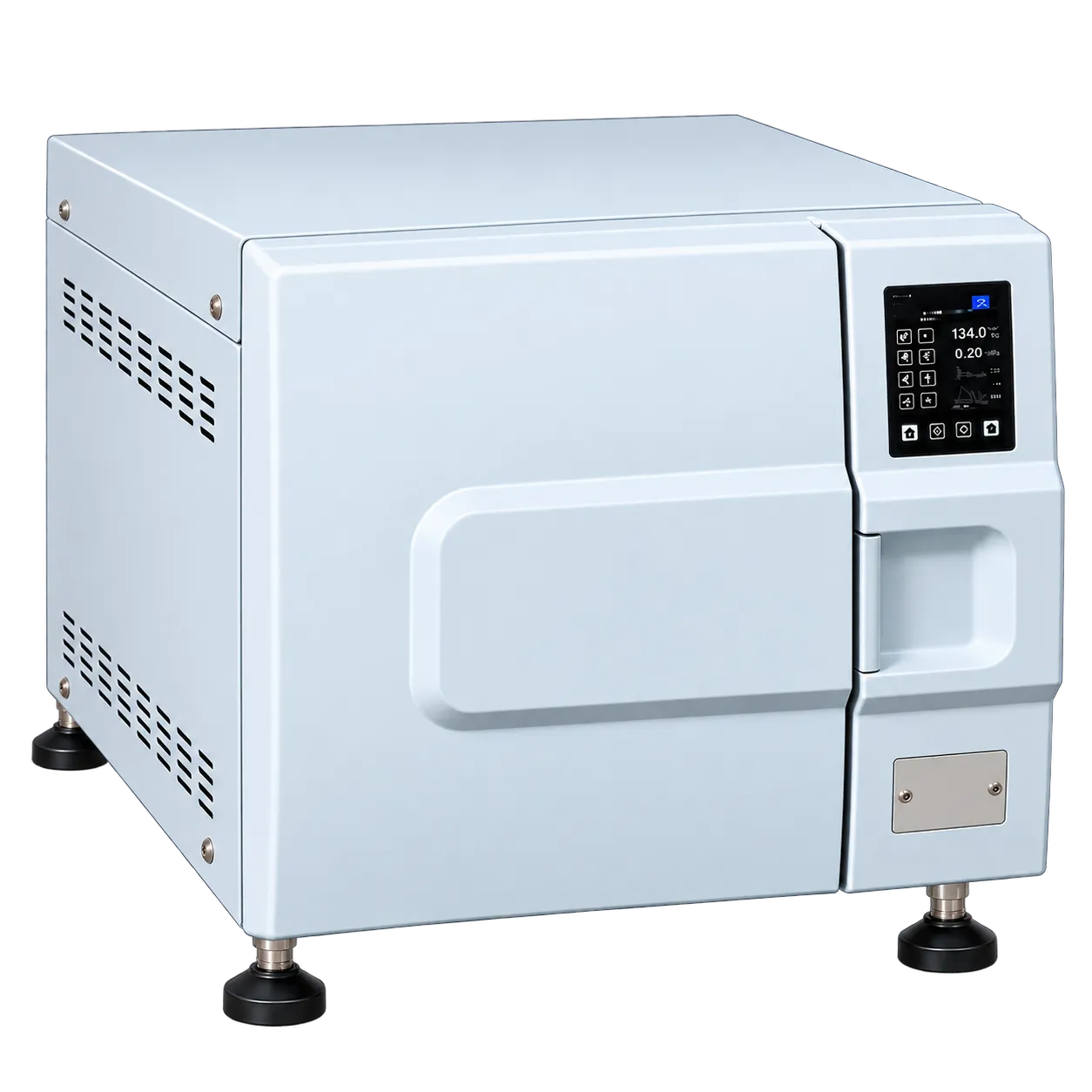
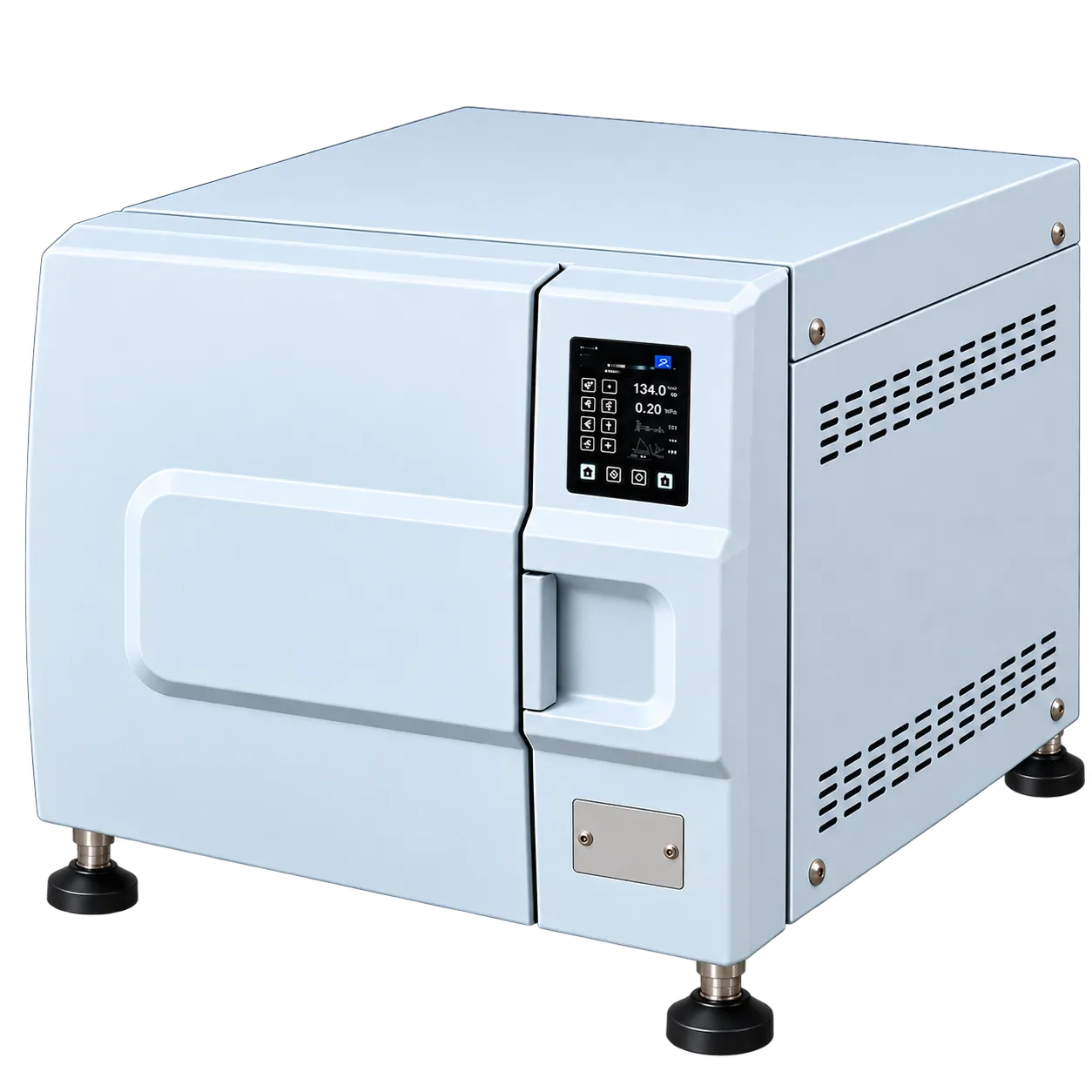
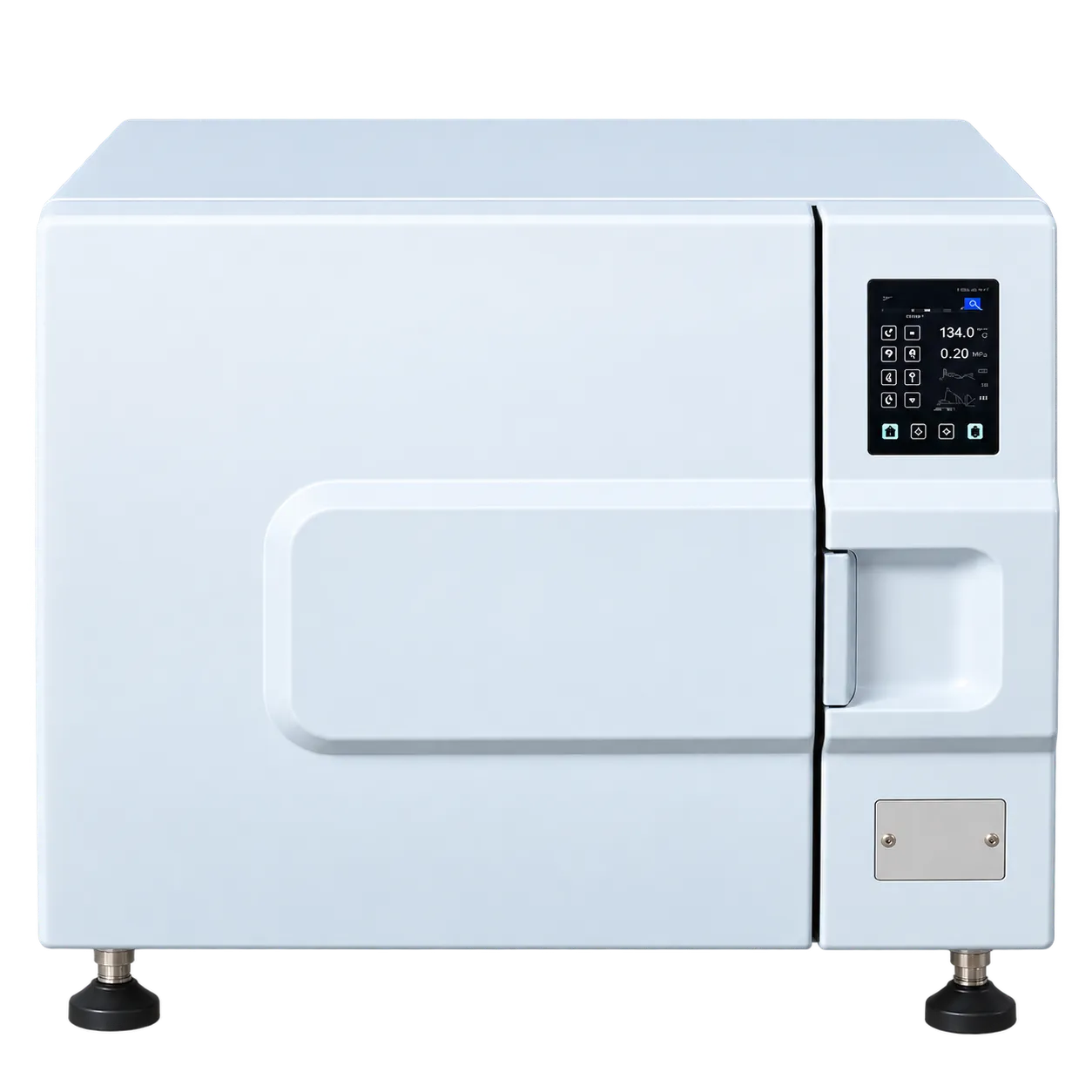
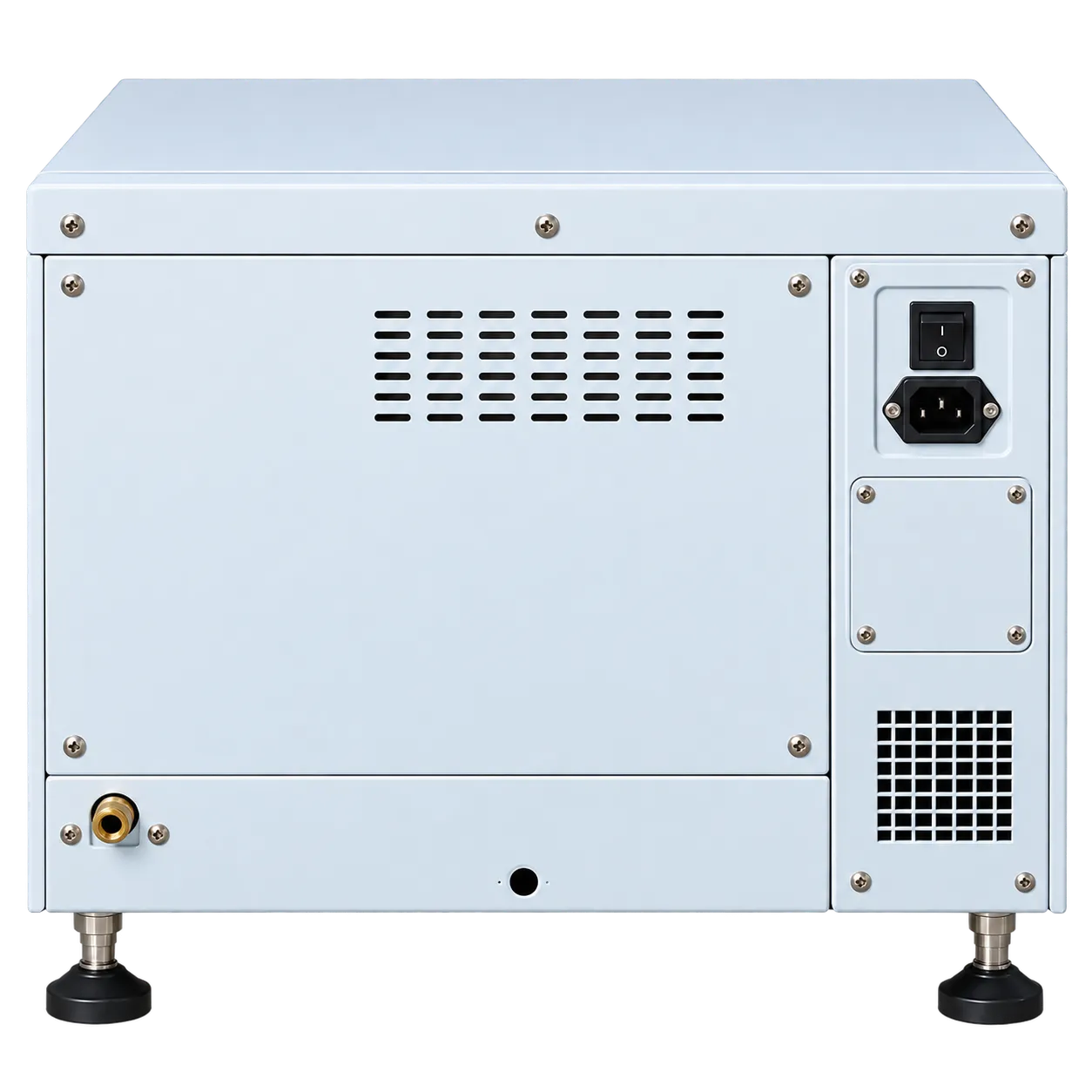
Busy dental practices and dental hubs, hospital outpatient departments, day surgery units and clinics that want large batches from a benchtop Class B steriliser are the natural buyers for the DGT-50Z. Its vacuum cycles take pouched trays, cannulated and hollow instruments including handpieces, and textiles or other porous items.
Staying under the small-steriliser threshold keeps the standards position simple, but it does not reduce the duties of the department that runs the machine. A Scottish survey of dental practices showed how often those duties slip: only 51% of sterilisers had been tested when installed and 26% commissioned, and the documents reviewed rarely showed whether daily, weekly, quarterly or yearly tests had been done. Written operating instructions were missing in 61% of practices, while pressure vessel insurance covered 79% of surgeries with bowl-and-instrument sterilisers.
Those figures describe the paperwork a 50-litre benchtop steriliser requires. Before its first load, it needs commissioning and validation. From then on it needs a written scheme with periodic examinations, daily air removal tests and periodic testing, written instructions that staff can follow, and a logbook that links every load to its cycle.
Planned at purchase, those obligations become routine; left until an inspection, they become findings. Naming one person to own them from day one is the simplest safeguard.
Tender specifications, including NHS ones, set out compliance documentation alongside capacity for sterilisers of this kind, and buyers in other public systems follow suit. The conformity documentation those procurement routes require is issued by the manufacturer and shared by the enquiry team.