
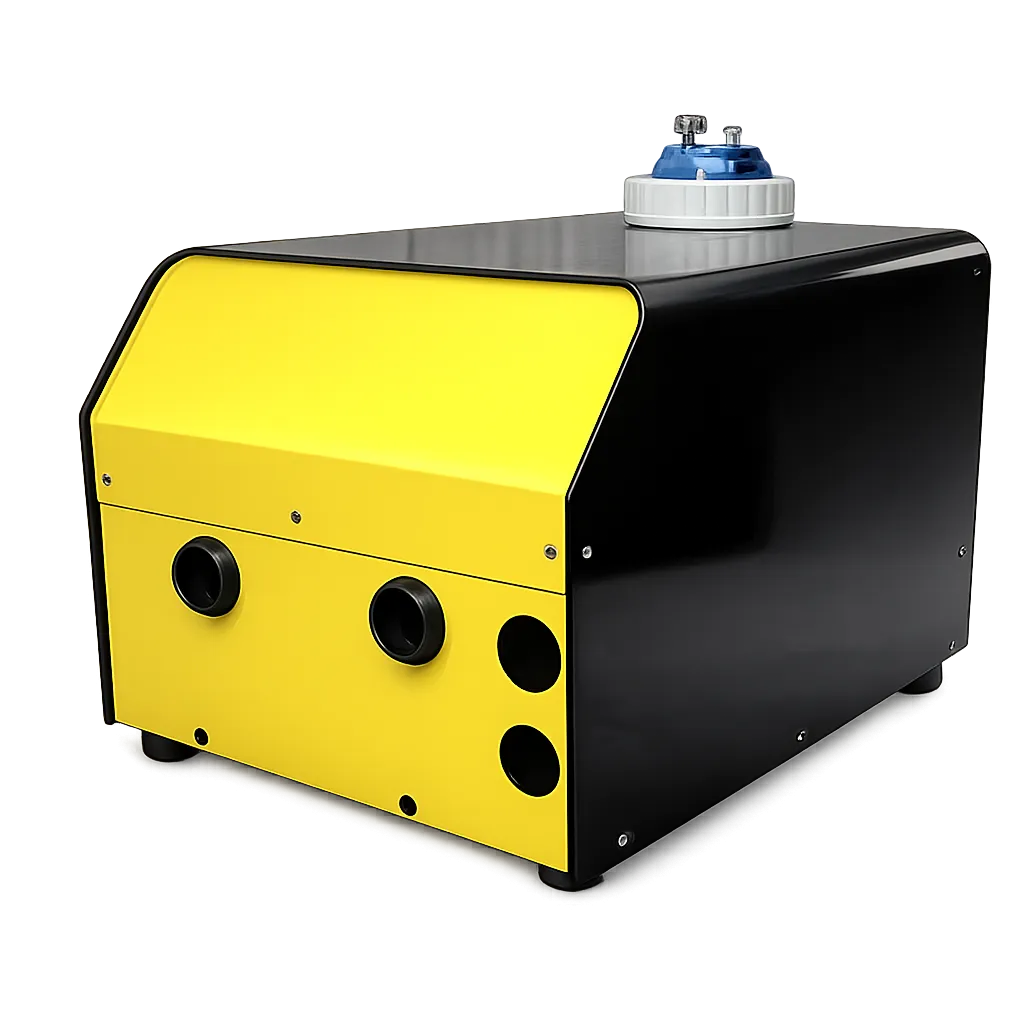
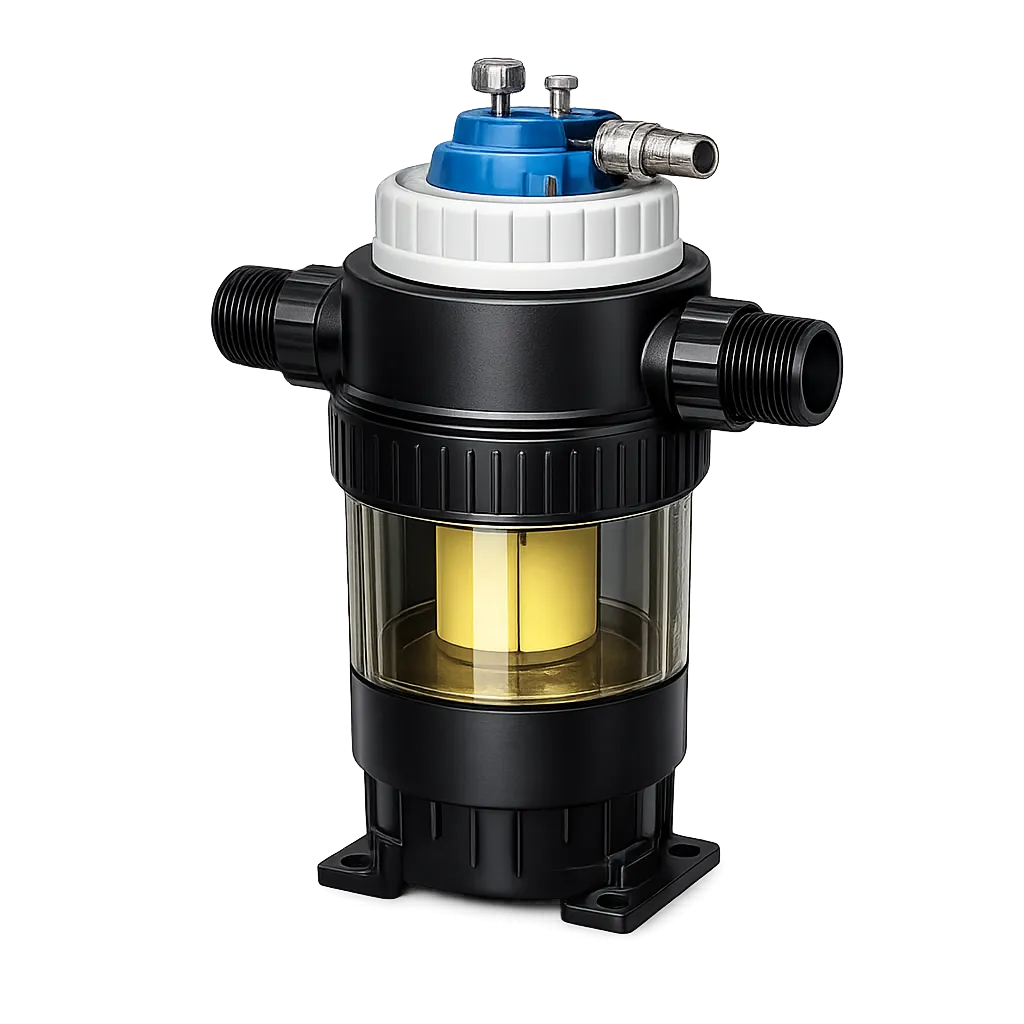
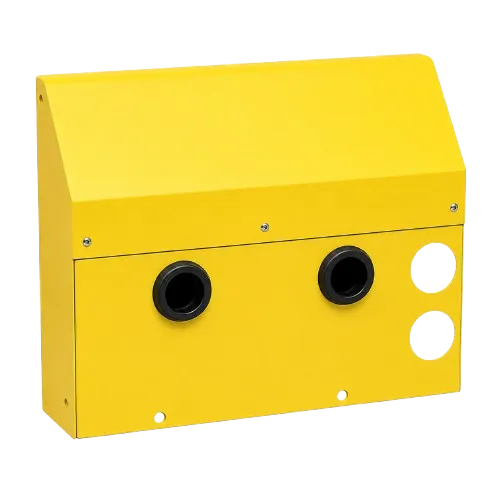
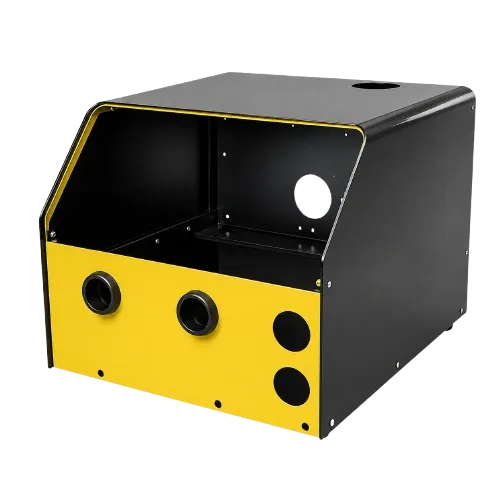
Physiotherapy and rehabilitation settings depend on this unit more than its modest specification suggests, because water quality in a small recirculating volume is entirely a function of filtration. Sand filtration removes bulk particulate at the flow rates generated by a bather-load system, and hair collectors protect the pumps that keep the water moving. Where circulation falters, every other stage of treatment falters with it. Medigear.uk supplies the station on the basis that the service's own infection control assessment governs operating procedure, and provides the full plant specification to support it.
Clinics running scheduled patient lists should treat hair collector access as a siting requirement rather than a preference. Emptying collectors is routine work, and a cabinet positioned so a collector cannot be opened without moving the unit turns a two-minute task into a deferred one. Deferred collector maintenance is the commonest cause of poor circulation in recirculating systems. Medigear.uk confirms access clearances during planning.
Facilities operating the equipment commercially should understand where this unit fits within the plant set, since a machine may be supplied with some units but not others. The hydraulic station provides power; the water tank provides heating, circulation, and ozone treatment; and this station provides sand filtration and pump capacity. Specifying an incomplete set produces an installation that cannot be commissioned. Medigear.uk confirms which units a given machine requires before quotation.
Operators dependent on the equipment should also hold consumables and consider a spare. Filter media, pump seals, and collector baskets are all wearing items, and a pump failure stops circulation and, therefore, the machine. Medigear.uk confirms the spare parts schedule at order.