
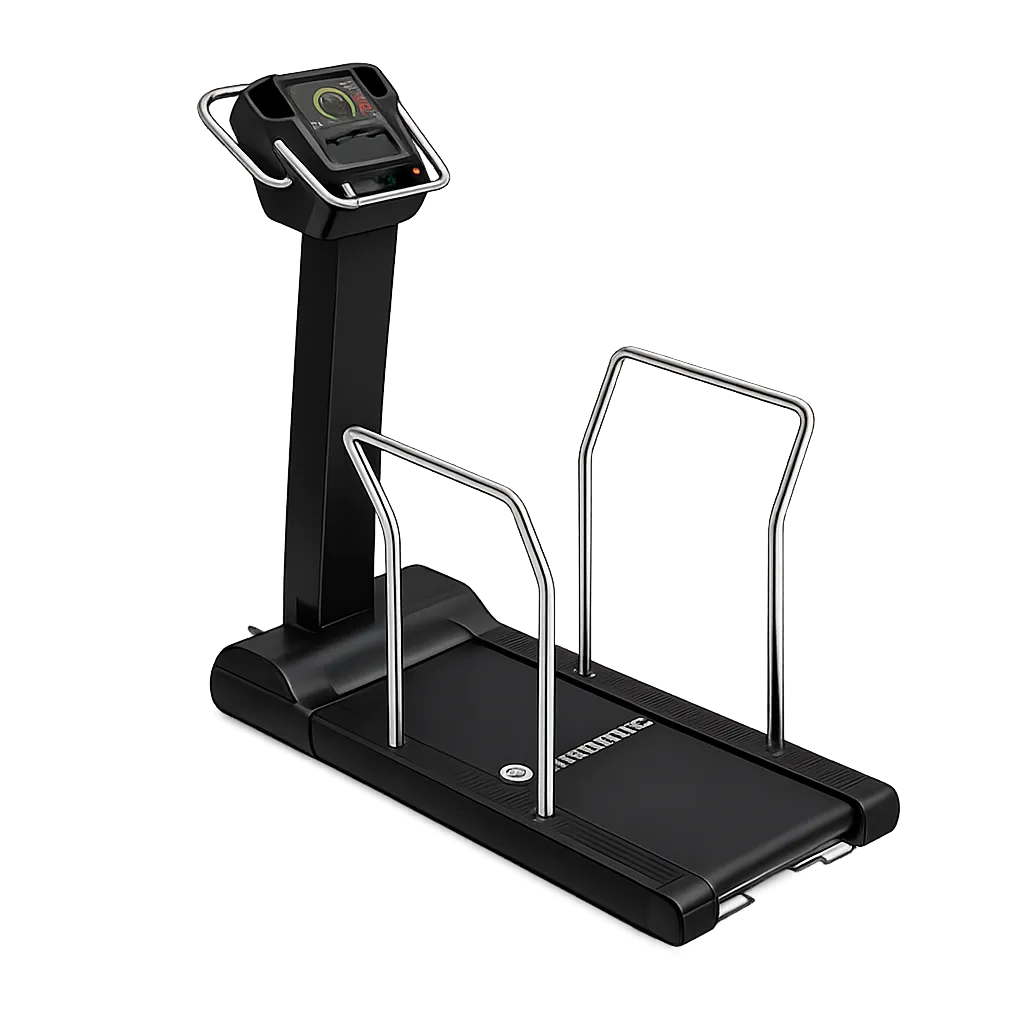
Physiotherapy departments with existing pool access are a natural fit for the L800, because the machine converts the water a facility already owns into a gait-training resource. Working at depths of 1.1 to 1.3 m, buoyancy carries a proportion of body weight through the walking cycle, allowing loaded movement earlier than land walking would permit. Because the treadmill is placed rather than built in, it can be removed when the pool is needed for other programmes. Medigear.uk supplies the L800 on the basis that programme design and clinical decision-making remain with the qualified practitioner directing the session.
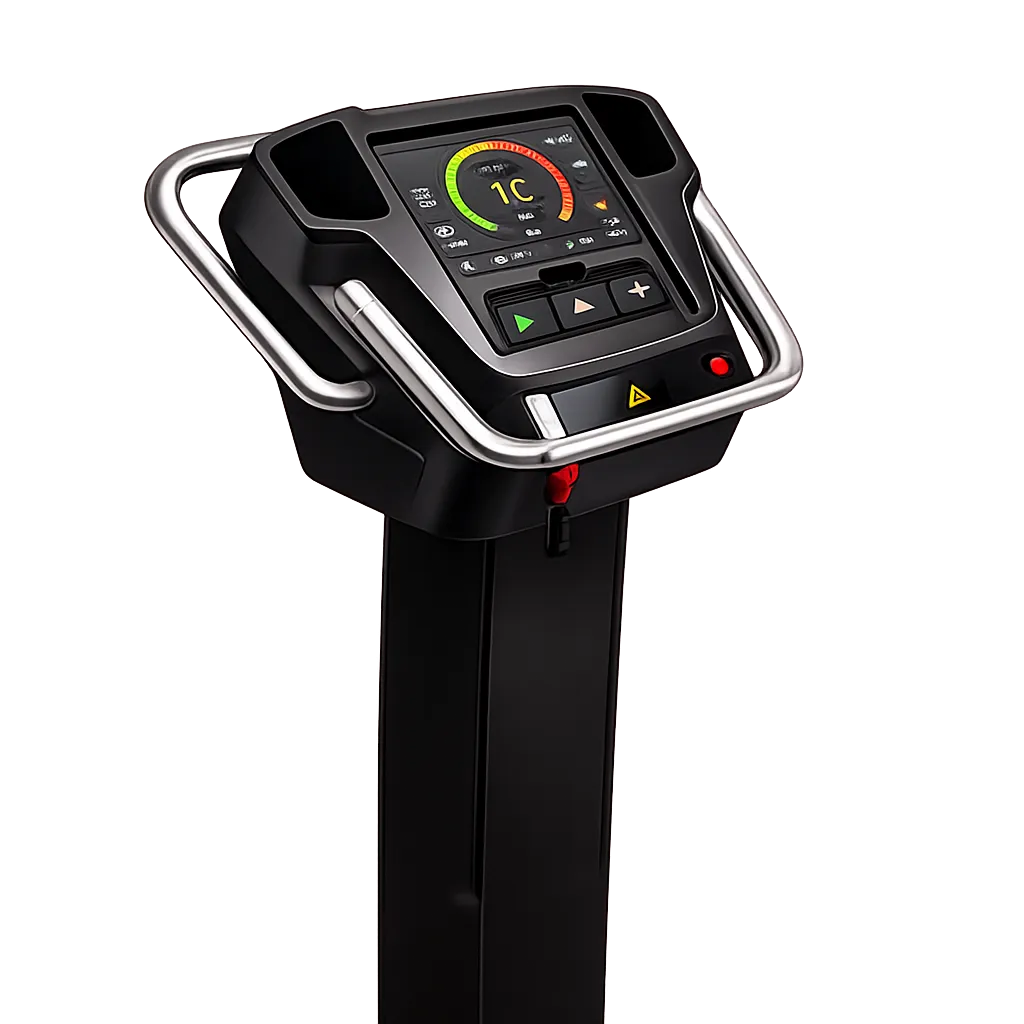
Rehabilitation facilities benefit particularly from the detachable control panel, which allows the supervising practitioner to remain on the deck while operating the machine. Adjusting belt speed from poolside allows a session to be modified immediately, without the practitioner entering the water or the user interrupting their gait. The published 150 kg bearing capacity lets a service establish clearly which users the machine accommodates. Medigear.uk provides the manufacturer's parameter documentation to support each facility's own equipment assessment.
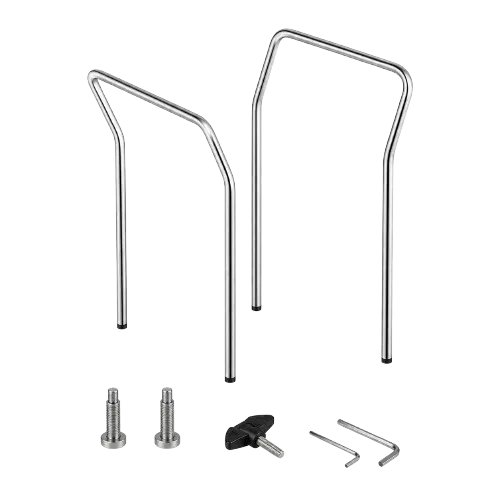
Sports conditioning and return-to-training environments use in-pool treadmills to reduce impact during running volume. Athletes recovering from lower-limb injury can maintain running mechanics while joint loading remains below land equivalents, and two removable auxiliary armrests allow the setup to be adapted between users. A frequency converter regulates speed, giving graded control across a session. Medigear.uk supplies performance facilities on account terms.
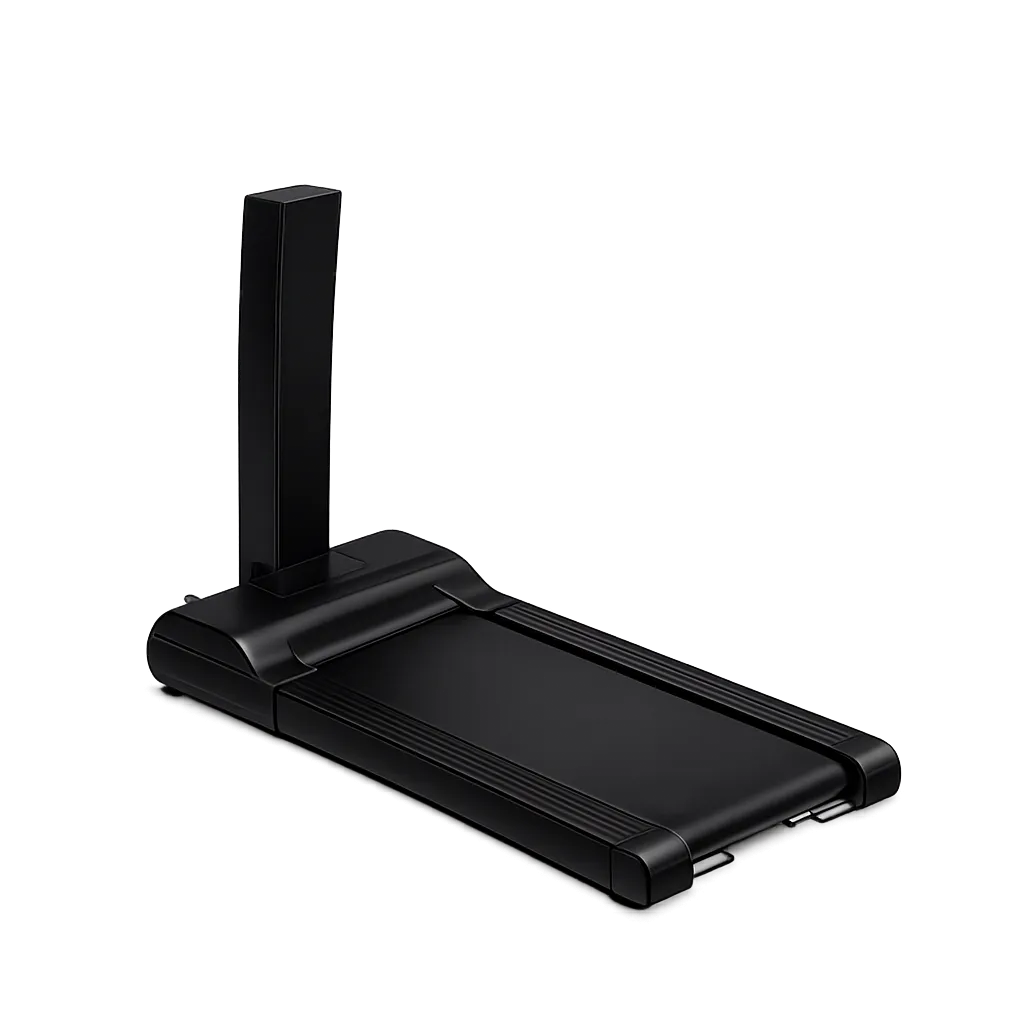
Hydrotherapy pools and shared aquatic centres gain flexibility from equipment that does not permanently occupy the water. The treadmill body weighs 111 kg and is handled as equipment rather than building works, so the pool reverts to general use when the machine is lifted out. Medigear.uk advises on handling and installation as part of the order preparation process.