
Physiotherapy and rehabilitation settings benefit from this component more than any specification sheet conveys, because keeping electrical plant out of the water changes the risk assessment for a facility treating patients. Where a station sits on the bank and delivers drive hydraulically, no electrical service runs to the submerged equipment at all. The manufacturer cites an SGS certificate for that separation, and Medigear.uk obtains the documentation for the specified configuration so that a service can hold it on file rather than take it on trust.
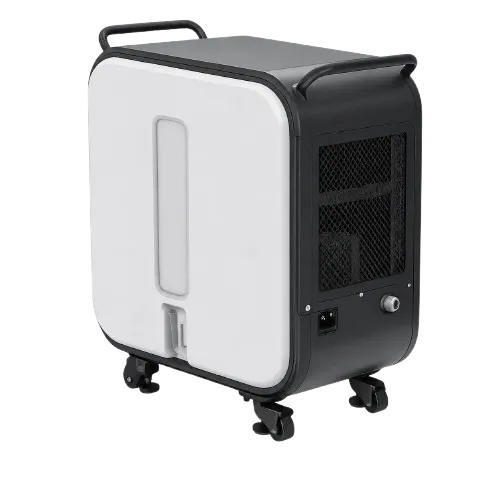
Aquatic centres and shared pools gain operational flexibility from a station that can be repositioned. Because the cabinet is roller-mounted and occupies less than 0.5 m² of deck space, it can be relocated as programming changes occur rather than being fixed while remaining in commissioning, and it remains within reach of its connected lines. Deck space is contested in most aquatic facilities, so a small movable footprint often determines whether an installation is practical at all.
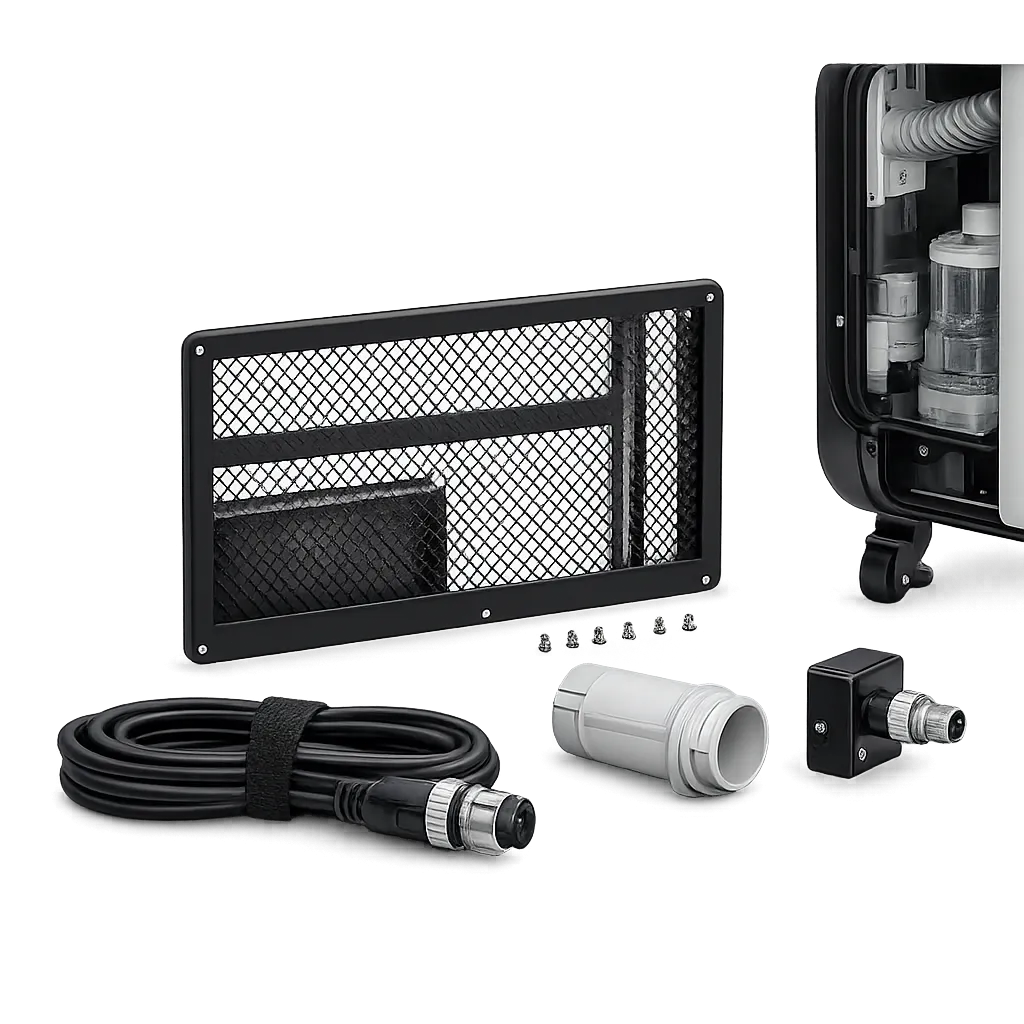
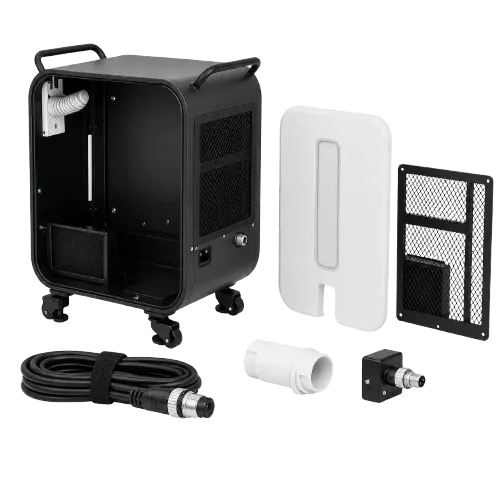
Commercial operators running services that depend on the equipment should consider holding a spare station. A hydraulic failure that takes a treadmill or swim machine out of use closes a revenue stream or a clinic list until the part arrives. Because the station is a discrete unit rather than an integrated assembly, a spare can be swapped rather than repaired in place. Medigear.uk confirms compatibility with installed equipment so a held spare is known to fit.
Facilities planning a new installation should treat the 4-metre line length as a design constraint rather than a detail. It defines where the station can sit relative to the water, and extending it is a specification decision rather than a later adjustment. Medigear.uk establishes the requirement during planning.