
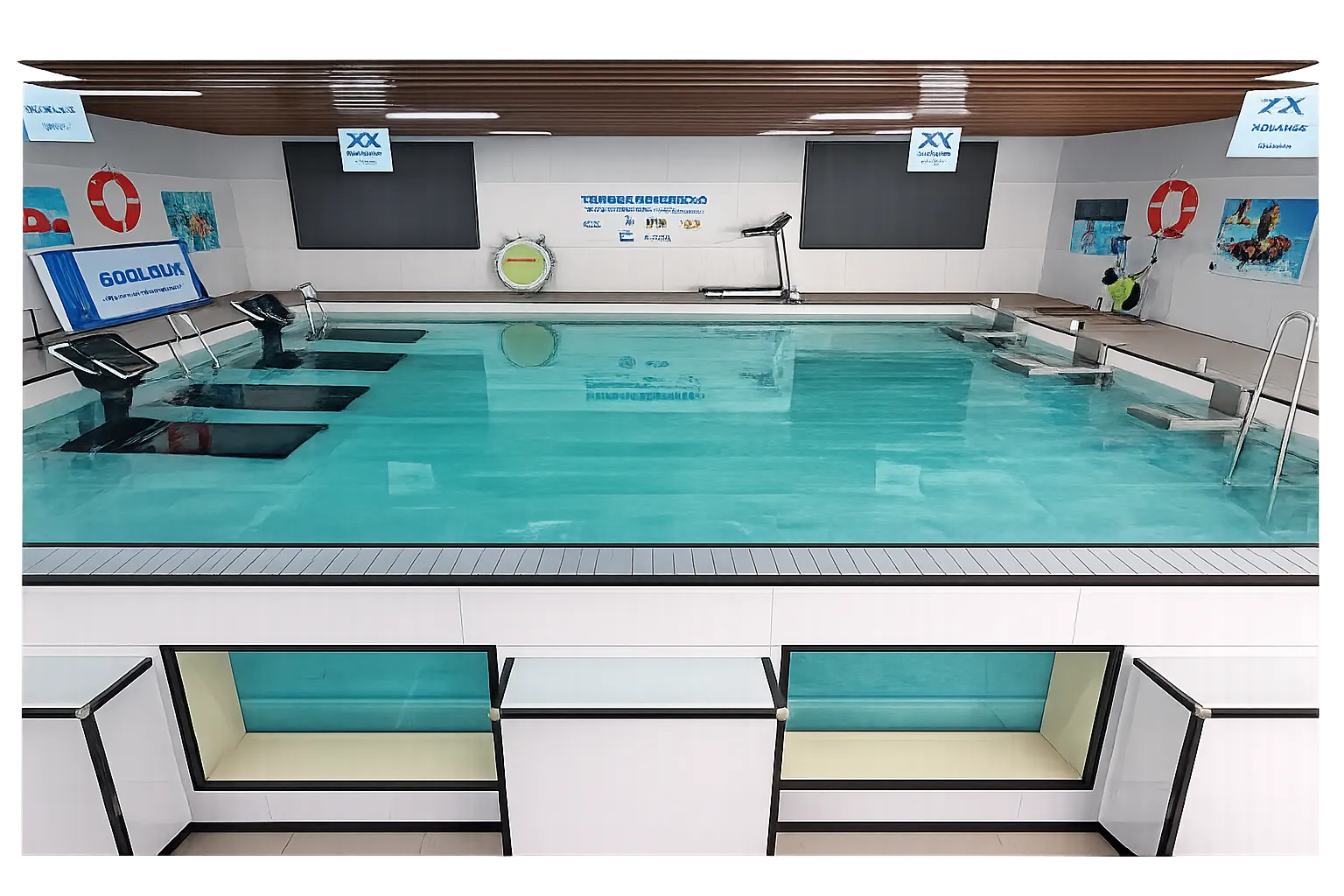
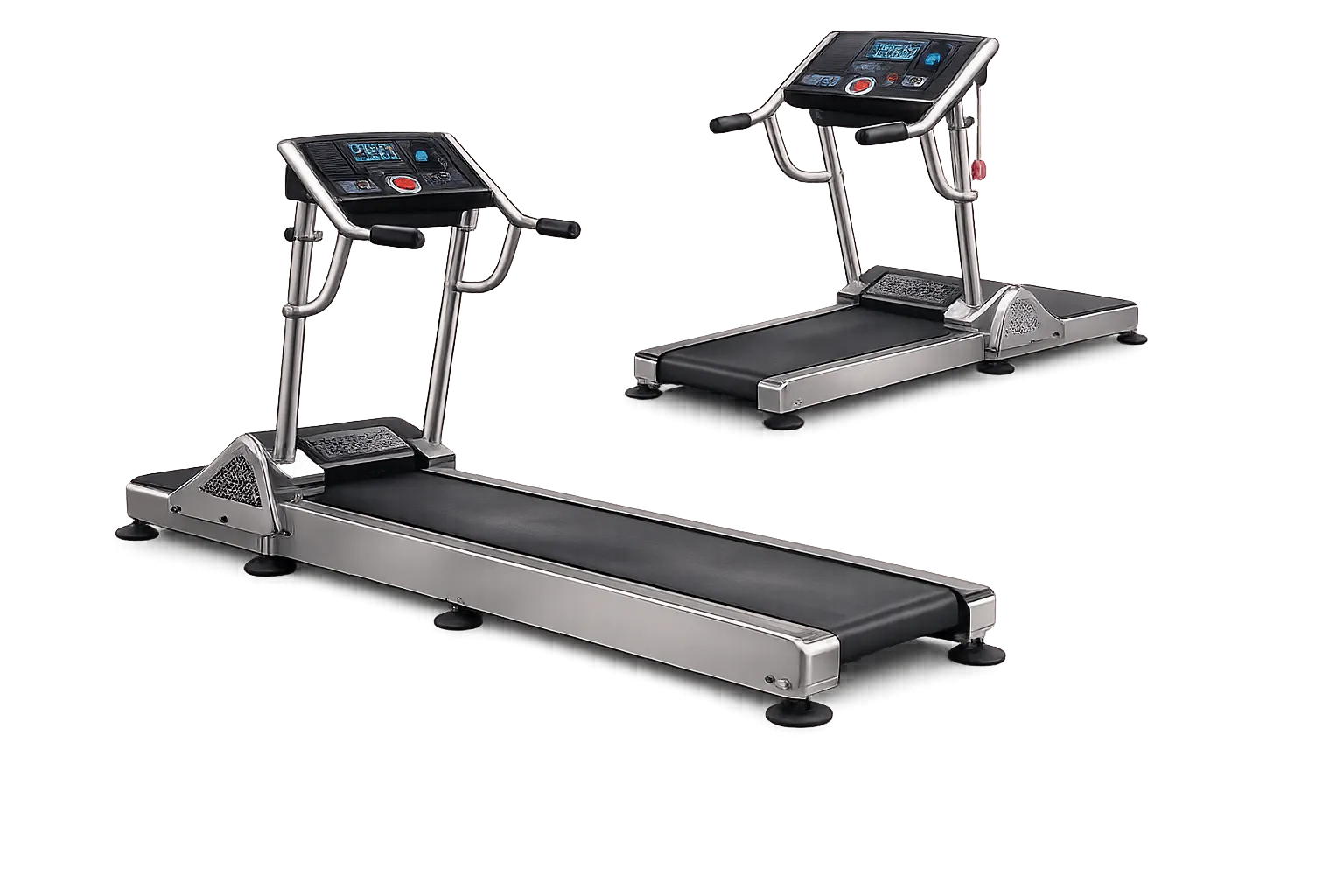
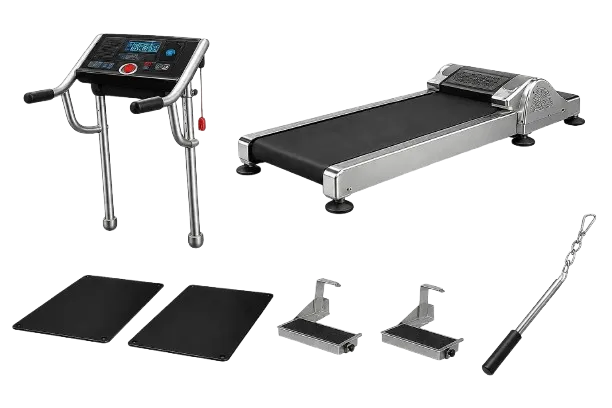
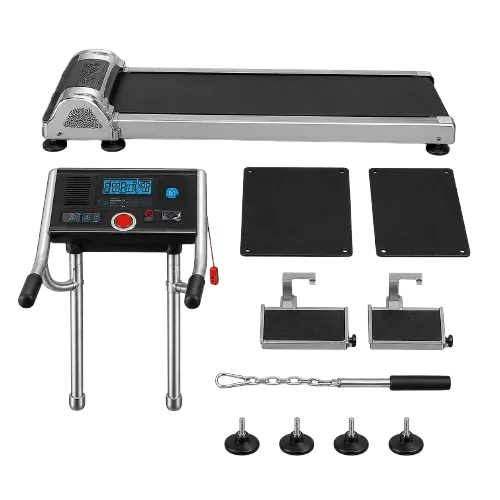
Hospitals and large rehabilitation departments are settings where a facility of this type earns its cost, because only a service with a full caseload justifies a dedicated pool. Several stations in a single body of water allow patients at different stages to work simultaneously under supervision, and underwater observation windows let a practitioner assess gait and limb position directly rather than infer them from the surface. Medigear.uk scopes these installations on the basis that programme design and clinical decision-making remain with the qualified practitioners who will use the facility. That equipment certification and any access-equipment obligations are established during design rather than after commissioning.
Sports institutes and university sports science facilities use comprehensive training pools for reduced-impact conditioning across squads, combining treadmill stations with swimming and group exercise in a single installation. Observation windows support technique analysis in a way surface-level coaching cannot. Because different equipment carries different depth requirements, the depth profile and the equipment mix have to be resolved together, which Medigear.uk does at scoping stage rather than treating them as separate purchases.
Commercial aquatic centres and leisure operators use multi-station pools to broaden programming beyond swimming alone to include aqua aerobics, conditioning, and instructor-led classes. One treatment and heating plant serving several stations is what makes that breadth affordable. Medigear.uk sizes plant against realistic bather load rather than water volume alone, since underestimating usage is the usual cause of water quality problems in commercial installations.
Mixed-use and community facilities benefit from a design that accommodates both non-disabled and assisted users, provided entry provision is settled early. Medigear.uk establishes the access requirement as part of the initial scope.