
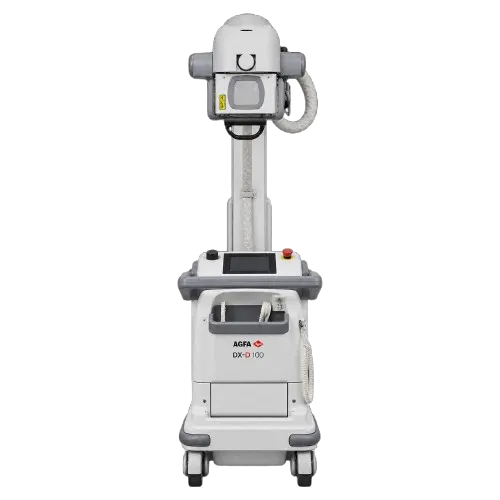
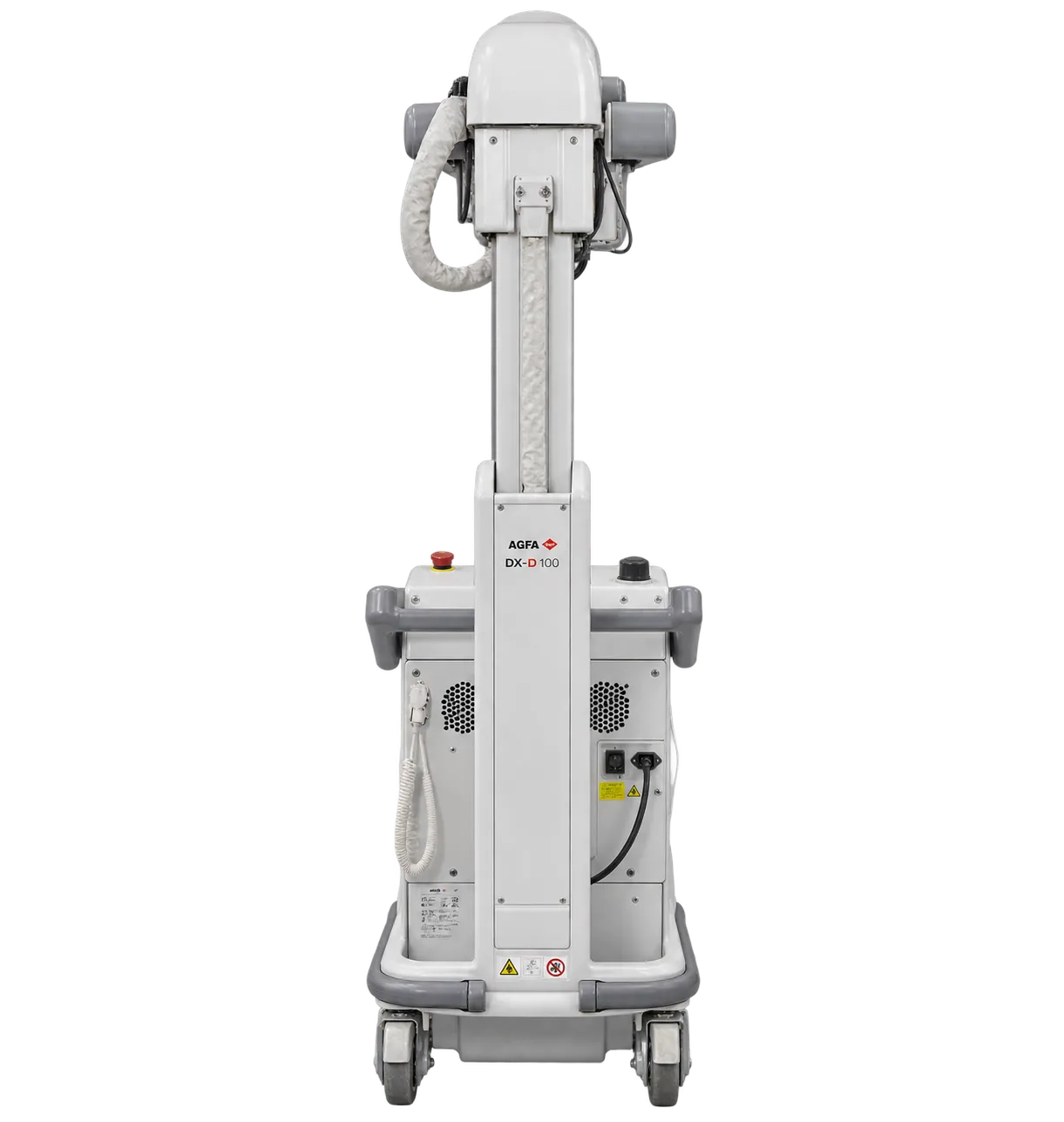
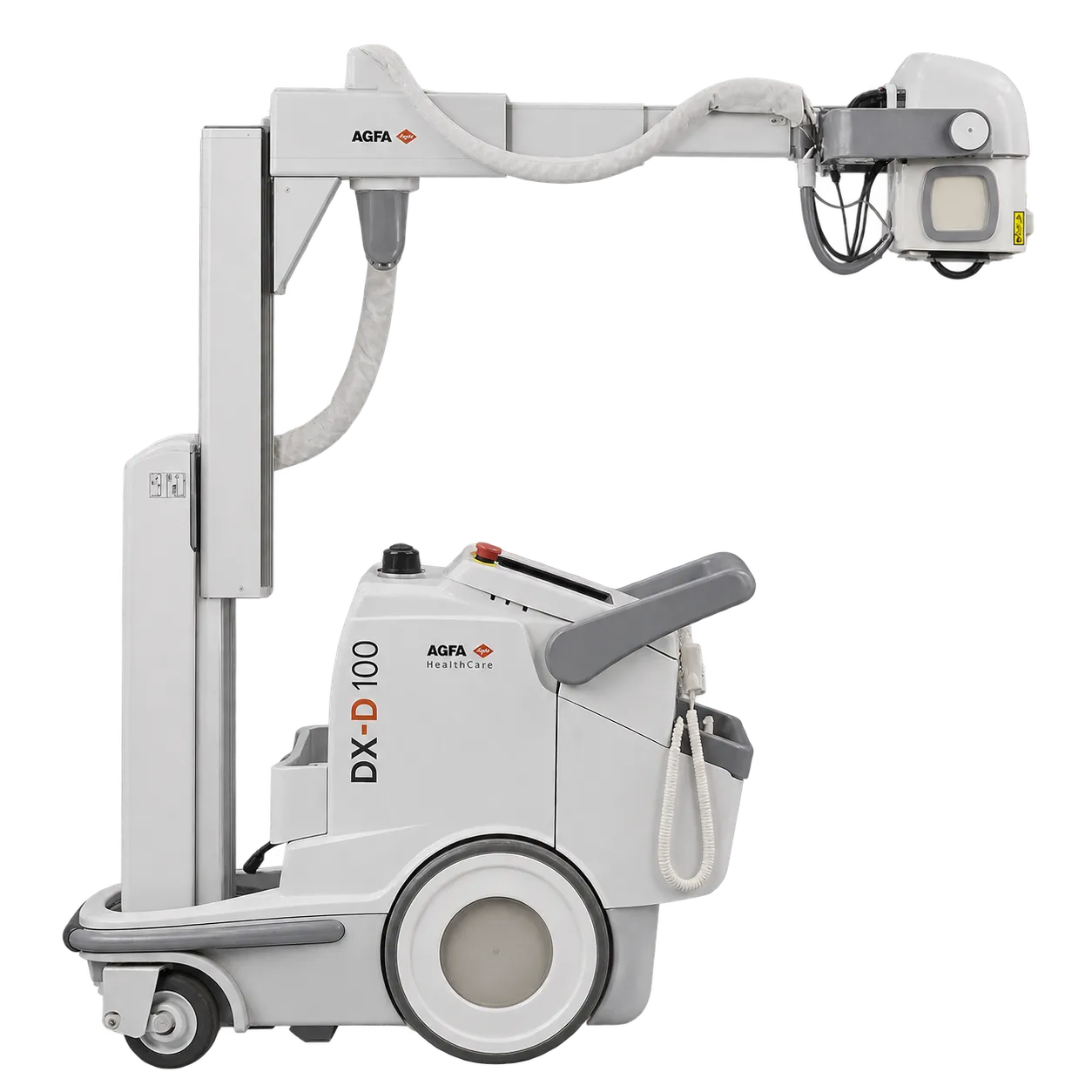
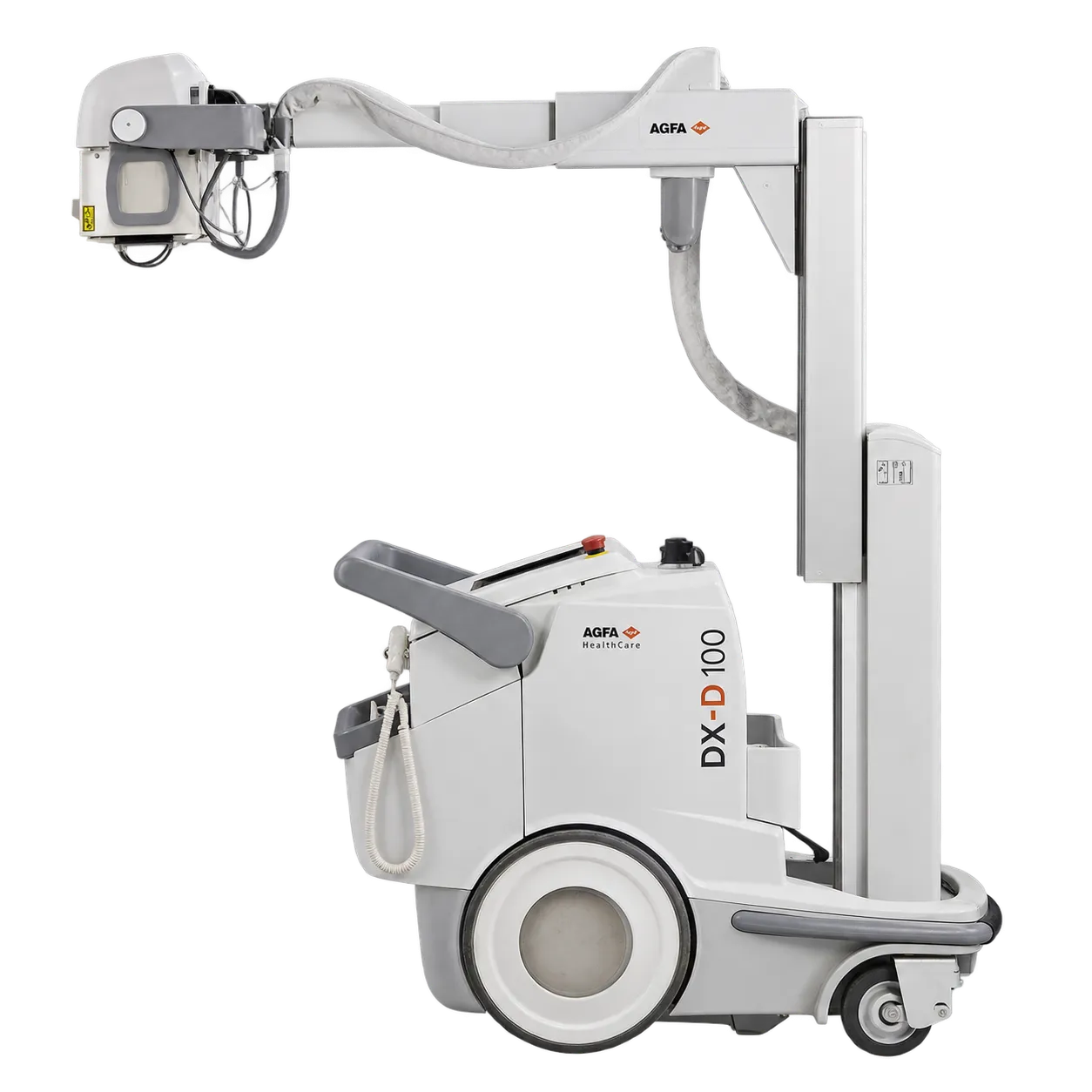
Ward and bedside chest radiography is the core of what this system delivers, across intensive care, high dependency, general wards and emergency settings, for patients whose condition or care requirements make a trip to the imaging department difficult or undesirable. All clinical judgement, including whether an examination is justified, remains with the referring and reporting clinicians, and Medigear.uk supplies configuration and condition detail rather than clinical guidance.
Intensive care work is where mobile DR earns its keep most visibly, with line and tube position, chest review and post-procedure checks all achievable without disconnecting and transferring a ventilated patient. Immediate bedside image review means positioning problems are corrected while the radiographer is still present rather than discovered afterwards.
Theatre and recovery imaging benefits from the same immediacy, and the motorised drive and collapsible column make moving between locations practical rather than laborious in a working department.
Isolation and infection control settings suit mobile imaging particularly well, since the equipment travels to a contained patient rather than the patient travelling through shared spaces. Cleaning a machine and a panel between uses is a considerably lighter task than decontaminating a room and the route to it.
Trauma and emergency departments gain from having imaging capacity that can be positioned wherever the workload appears, which adds resilience at busy periods without committing a fixed room.
Services planning capital cycles should note that a mobile DR platform can be maintained in stages rather than replaced in one step. Batteries are scheduled consumables, the detector has an independent upgrade path, and the chassis and generator have long working lives. Medigear.uk supplies the detector, battery and licence position so that staged plan can be built on real figures.