
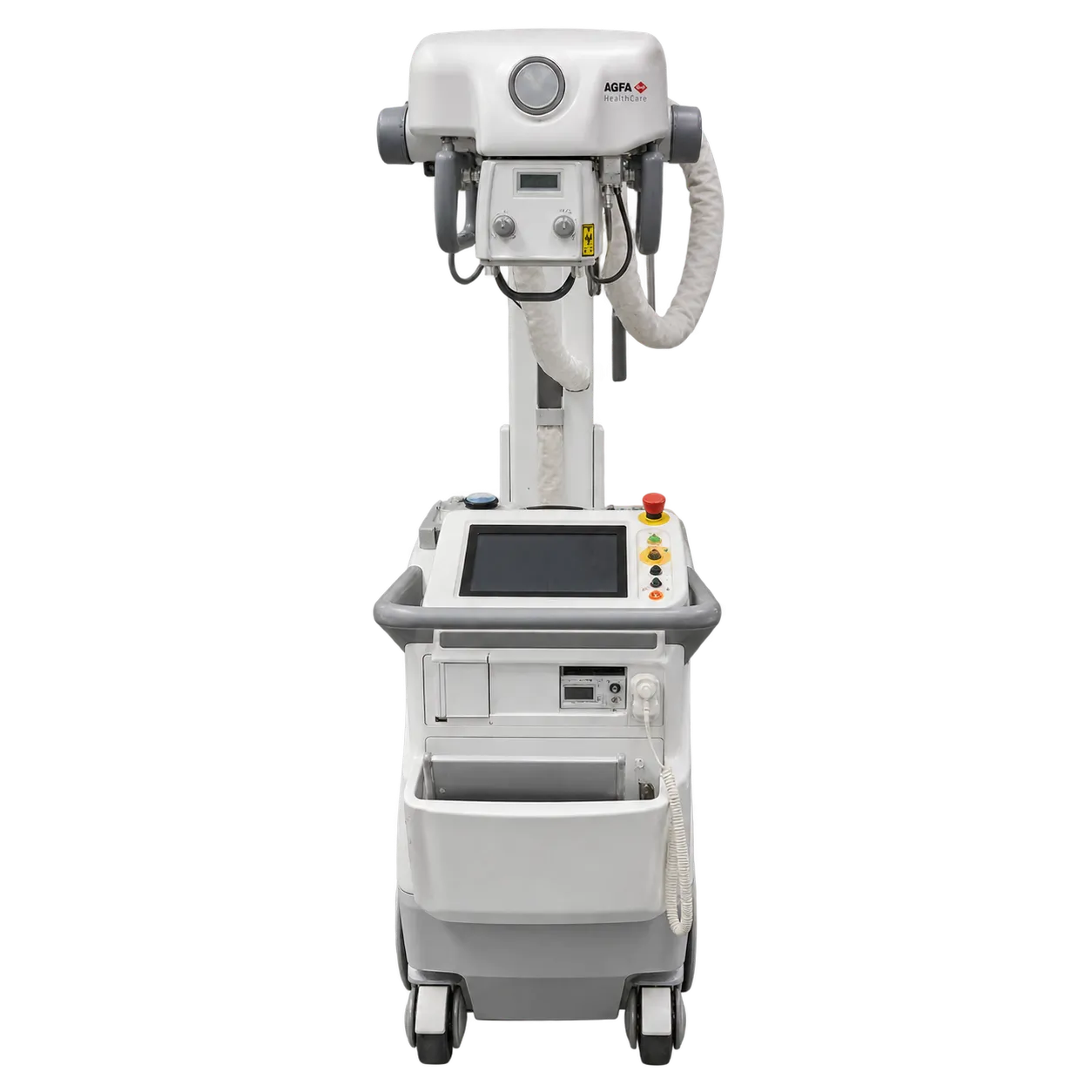
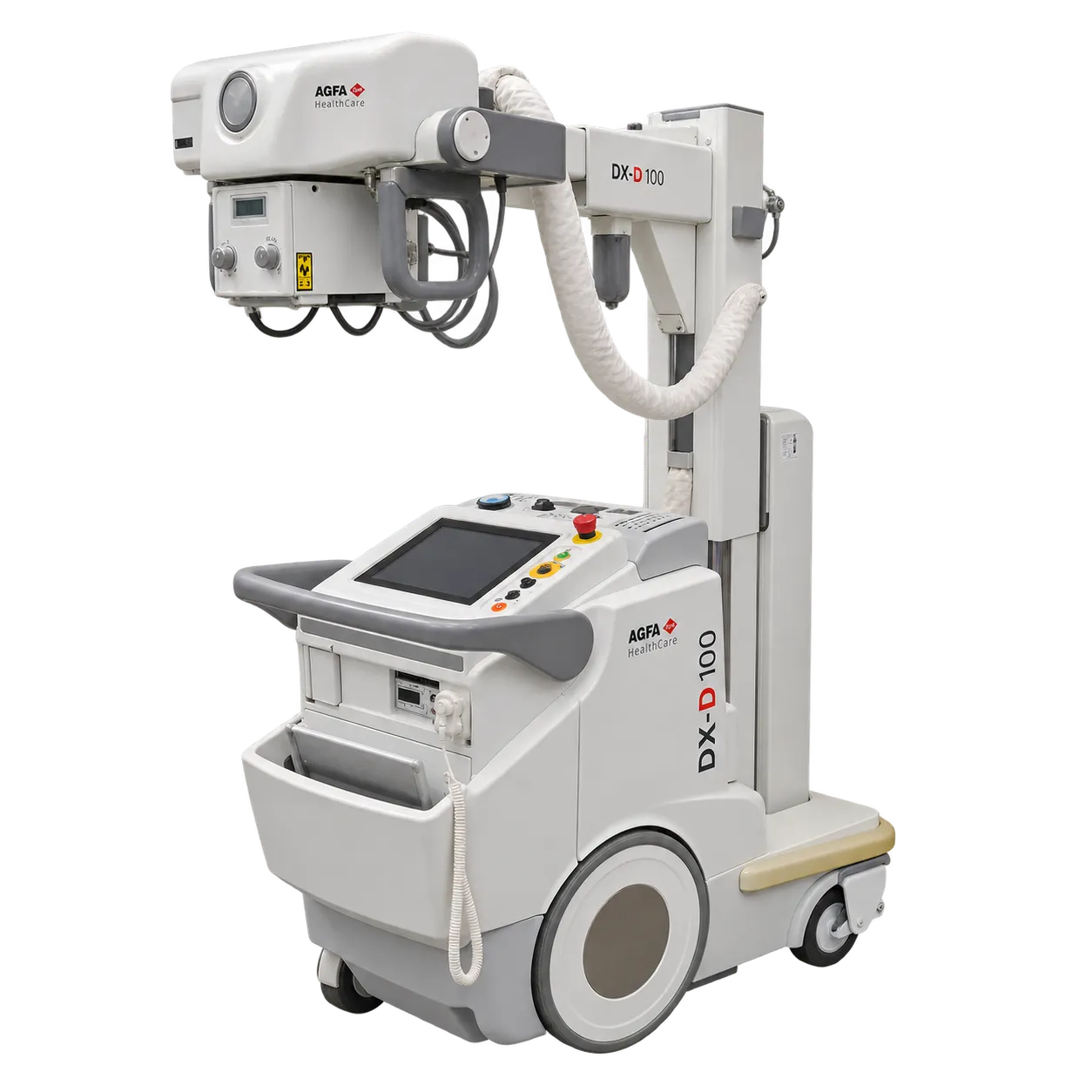
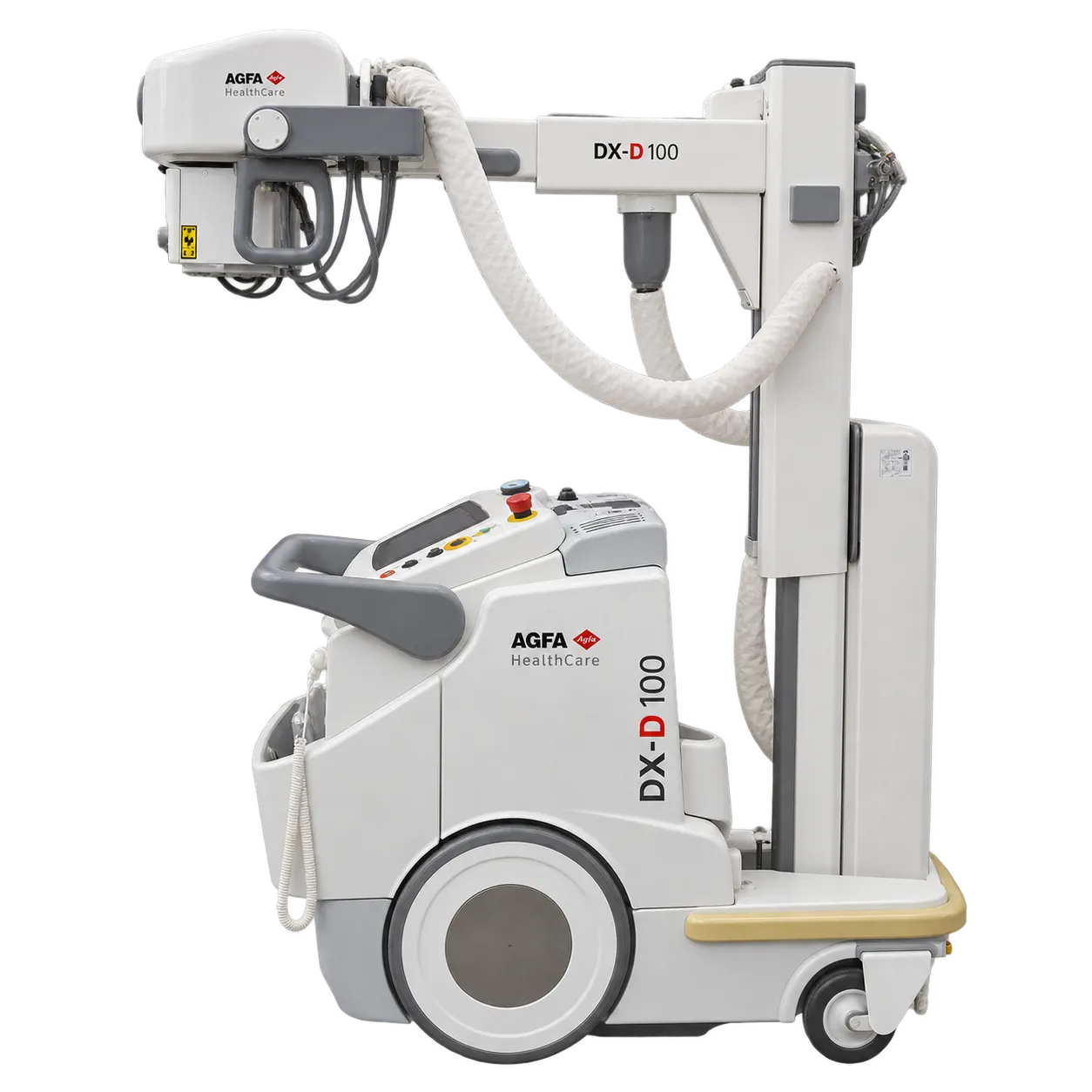
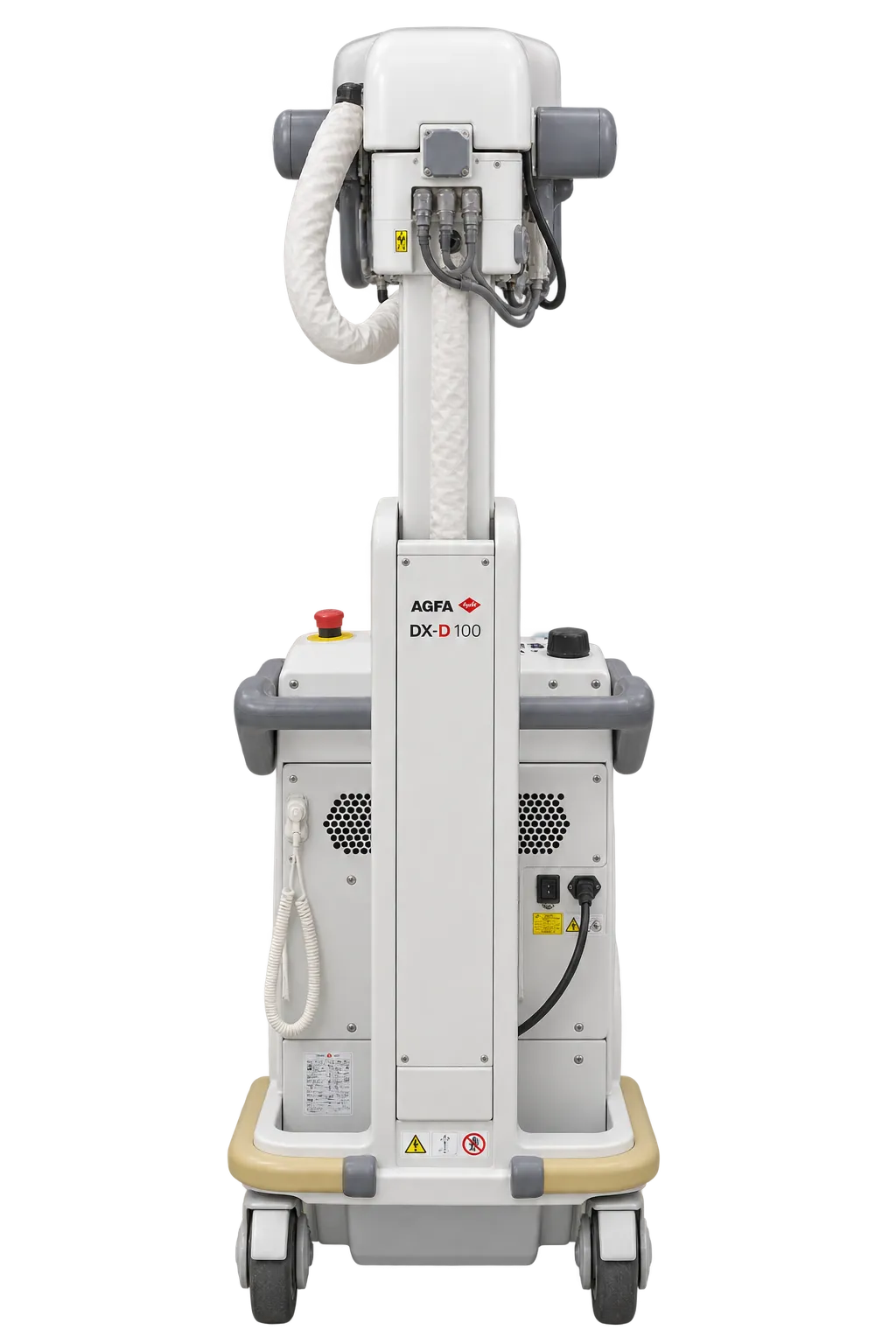
Ward and bedside chest radiography across intensive care, high dependency, general wards and emergency settings is the core of what this system delivers, for patients whose condition makes a trip to the imaging department difficult or undesirable. All clinical judgement, including whether an examination is justified, remains with the referring and reporting clinicians, and Medigear.uk supplies configuration and condition detail rather than clinical guidance.
Continuity of service is where a second matched unit contributes most directly. Planned maintenance, unexpected faults and panel damage all take a mobile unit out of use, and a department with only one machine either suspends ward imaging or moves patients who should stay put. A second unit on the same platform absorbs that without a change in working practice.
Parallel demand is the other case. Intensive care rounds, theatre recovery and emergency workload frequently peak together, and two units allow a department to cover more than one location at once rather than queueing requests behind a single machine.
Reporting benefits from consistency across the estate. Where both units run the same processing, films from either machine present the same way, which speeds reporting and makes comparison between serial studies on the same patient cleaner.
Services planning capital cycles should weigh a second matched unit against the recurring cost of downtime and patient transfers rather than against the specification of a newer standalone machine. Medigear.uk supplies the compatibility, detector, battery and licence position so the comparison can be made on operational figures.