
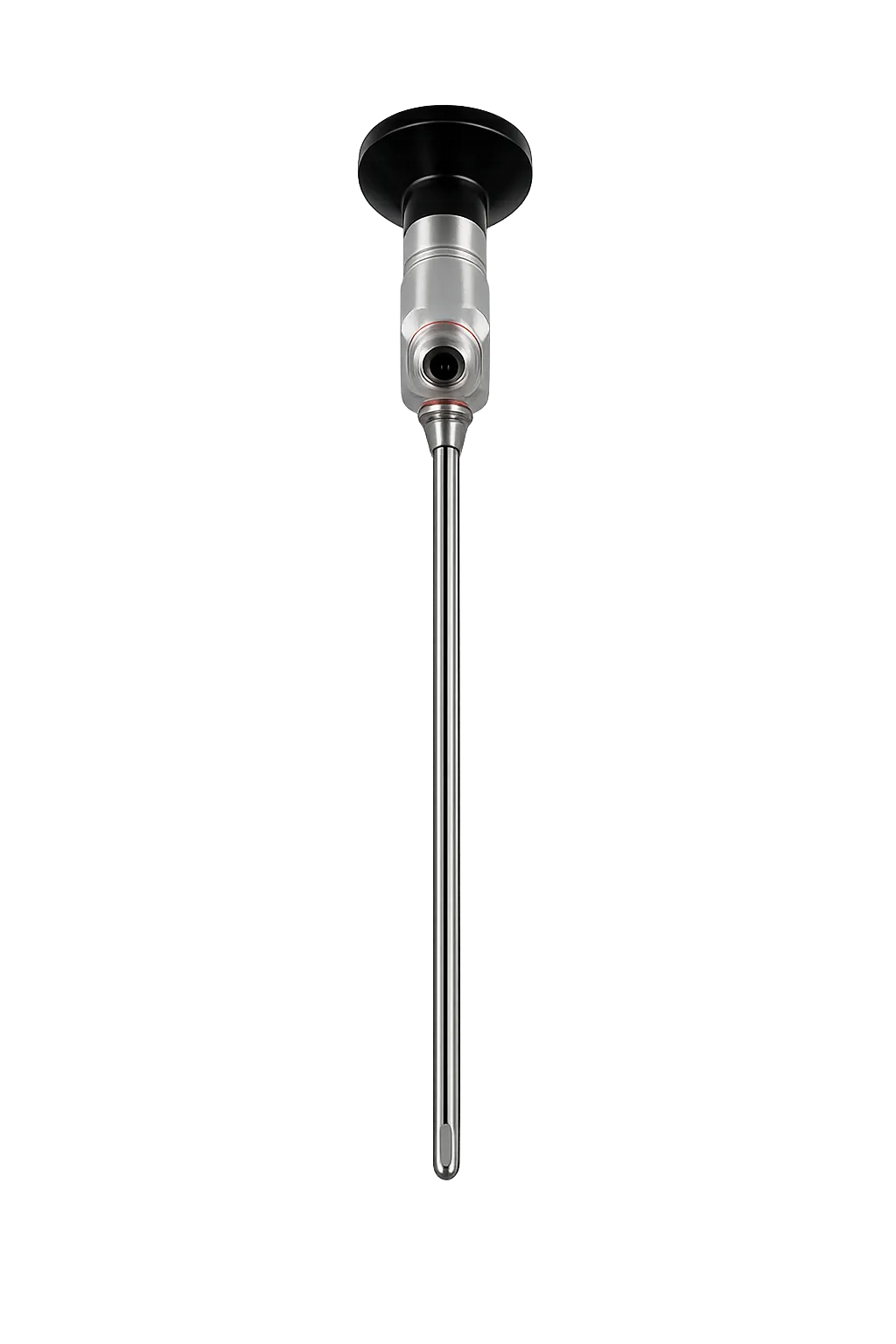
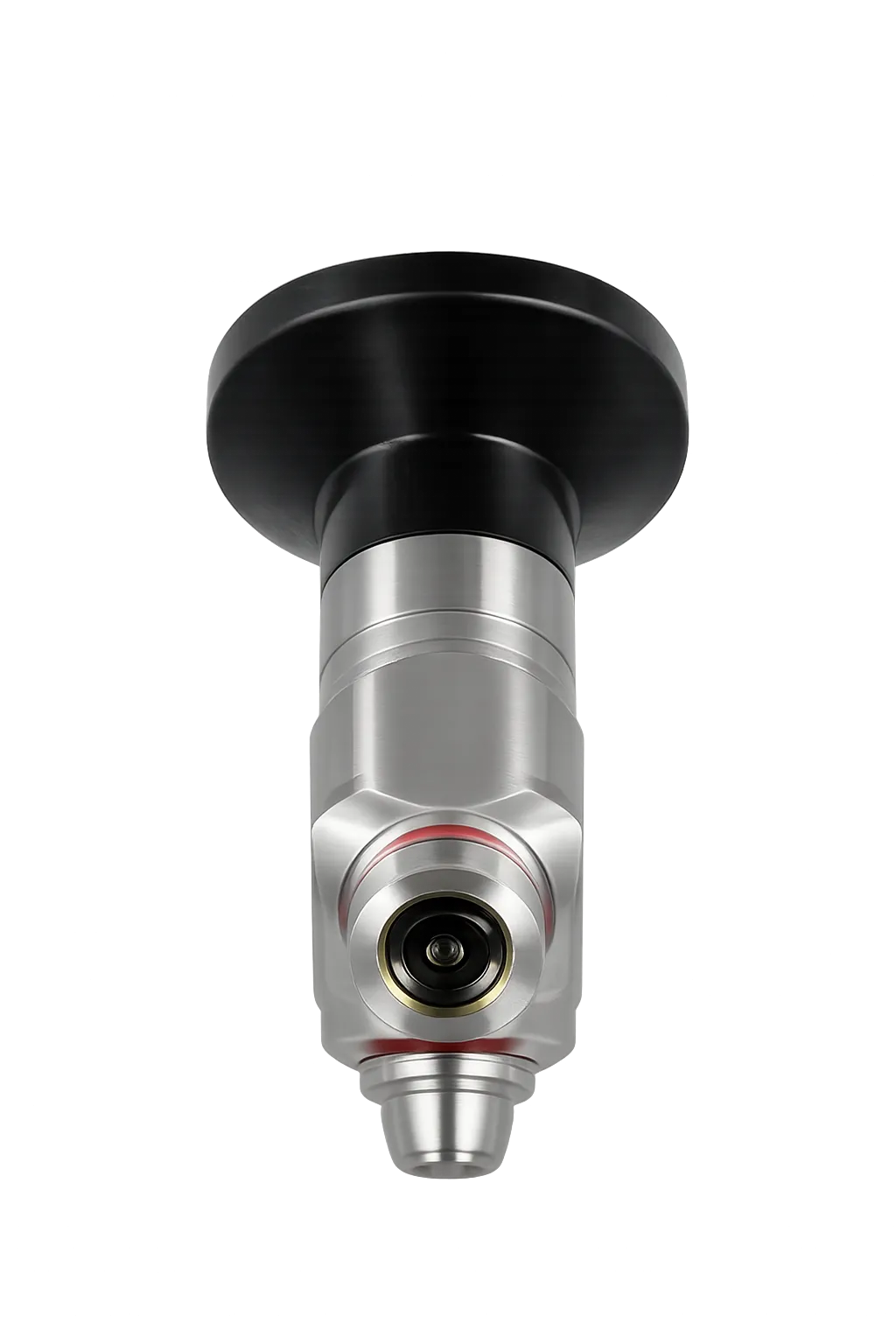
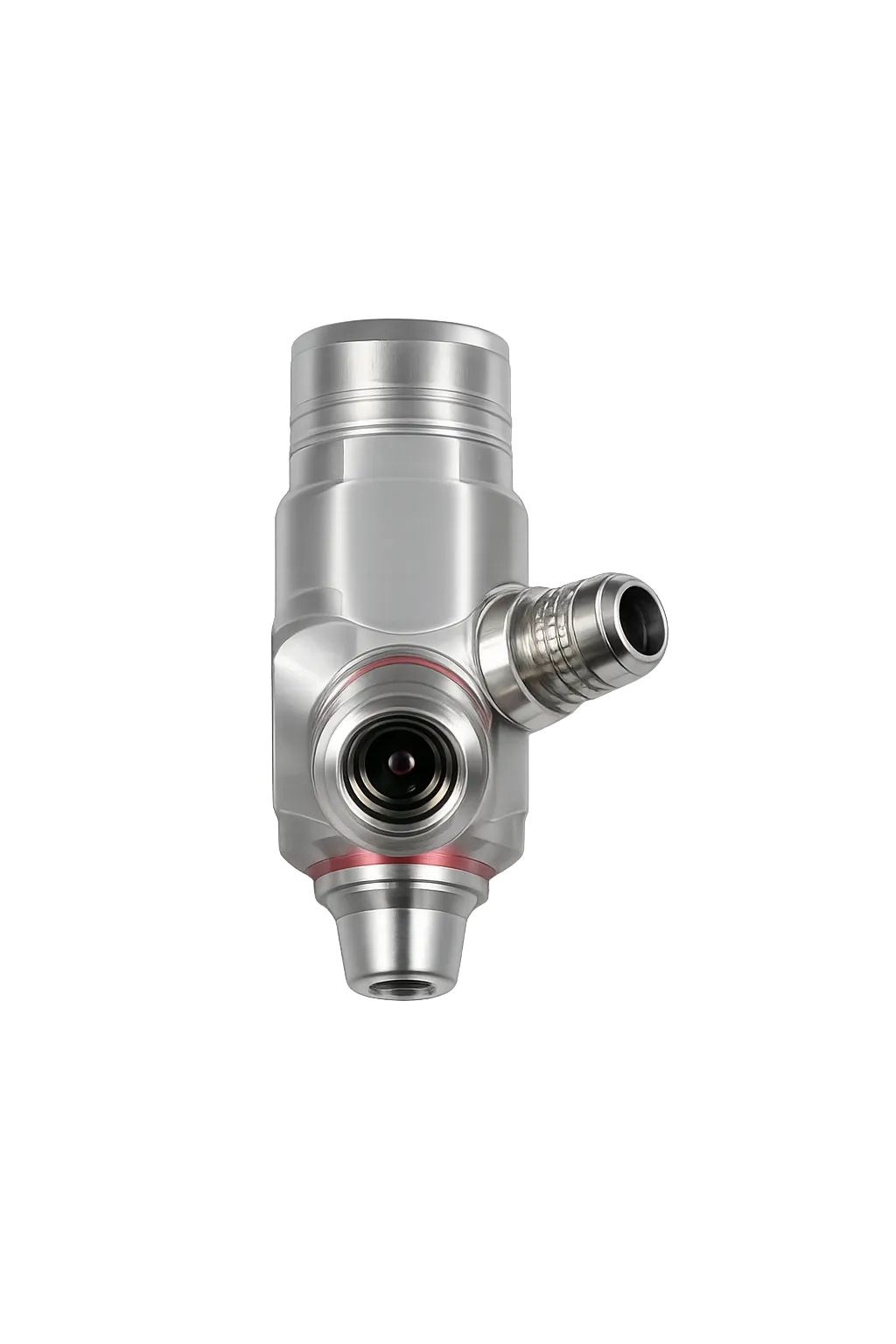

The 233 Medical UHD Hysteroscope serves UK NHS gynaecology departments, outpatient hysteroscopy clinics, day-case gynaecological surgery centres, and private gynaecological practices performing diagnostic and operative hysteroscopy across the case mix. The three viewing angle configurations (0°, 30°, and 70°) cover the range of clinical viewing requirements from endocervical canal assessment through routine cavity examination to specialised cornual and septum assessment.
In outpatient diagnostic hysteroscopy — the NICE NG88 first-line investigation pathway for heavy menstrual bleeding — the 30° scope is the workhorse choice, providing the lateral cavity views needed for complete assessment of the fundus, cornual regions, and lateral walls. Common indications include heavy menstrual bleeding, intermenstrual bleeding, postmenopausal bleeding, suspected endometrial polyps, and infertility investigation where uterine cavity assessment is part of the diagnostic pathway. Outpatient hysteroscopy avoids theatre time, reduces patient morbidity, and supports the one-stop diagnostic pathways widely adopted across UK NHS gynaecology services following BSGE (British Society for Gynaecological Endoscopy) standards.
In operative hysteroscopy performed under general or regional anaesthesia in theatre settings, the 30° scope continues to serve as the workhorse for endometrial polypectomy (removal of endometrial polyps confirmed on prior imaging or hysteroscopy), submucous fibroid resection for Type 0, I, and II fibroids by classification, endometrial ablation as an alternative to hysterectomy for heavy menstrual bleeding refractory to medical management, intrauterine adhesion release for Asherman's syndrome, and retained products of conception (RPOC) removal after pregnancy loss or delivery.
For specialised procedures involving the cornual regions or uterine septum, the 70° scope provides the lateral viewing geometry needed for cornual angle assessment before proximal tubal disease evaluation or hysteroscopic sterilisation reversal, and for uterine septum resection where accurate assessment of the septum extent and cornual anatomy affects surgical planning.
For the 0° forward-viewing configuration, applications include endocervical canal assessment before or during cervical cytology work, IUD retrieval when the device threads are not accessible by external traction, direct cannulation procedures, and situations where axial visualisation is preferred over angled viewing.
For gynaecology training and skills laboratories, the hysteroscope range supports diagnostic and operative technique training across the three viewing angles. Training-use scopes typically suffer faster service-life consumption than theatre-use scopes due to higher handling rates by less-experienced users; departments running active training programmes typically budget separately for training-fleet and clinical-fleet inventory.