
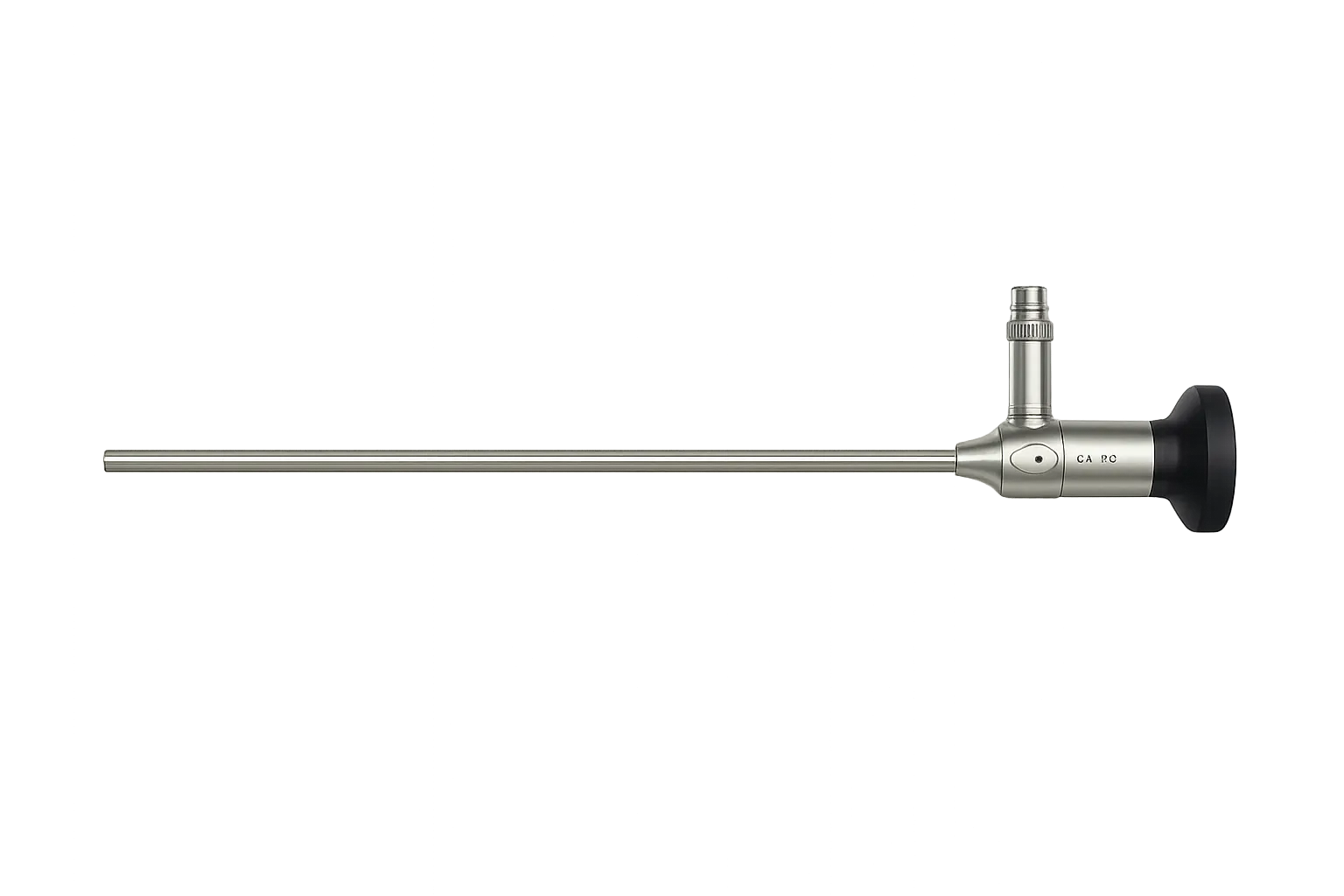
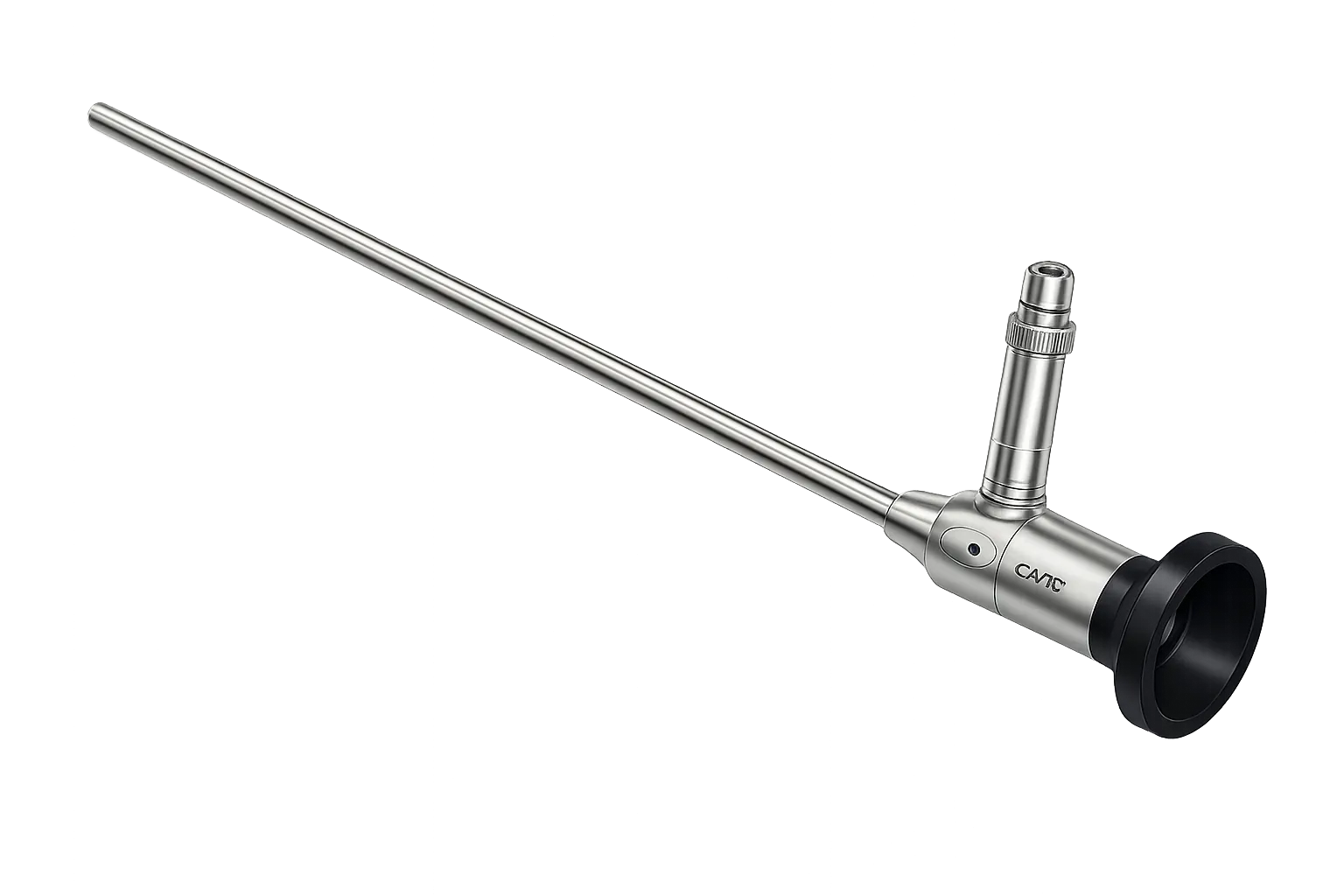
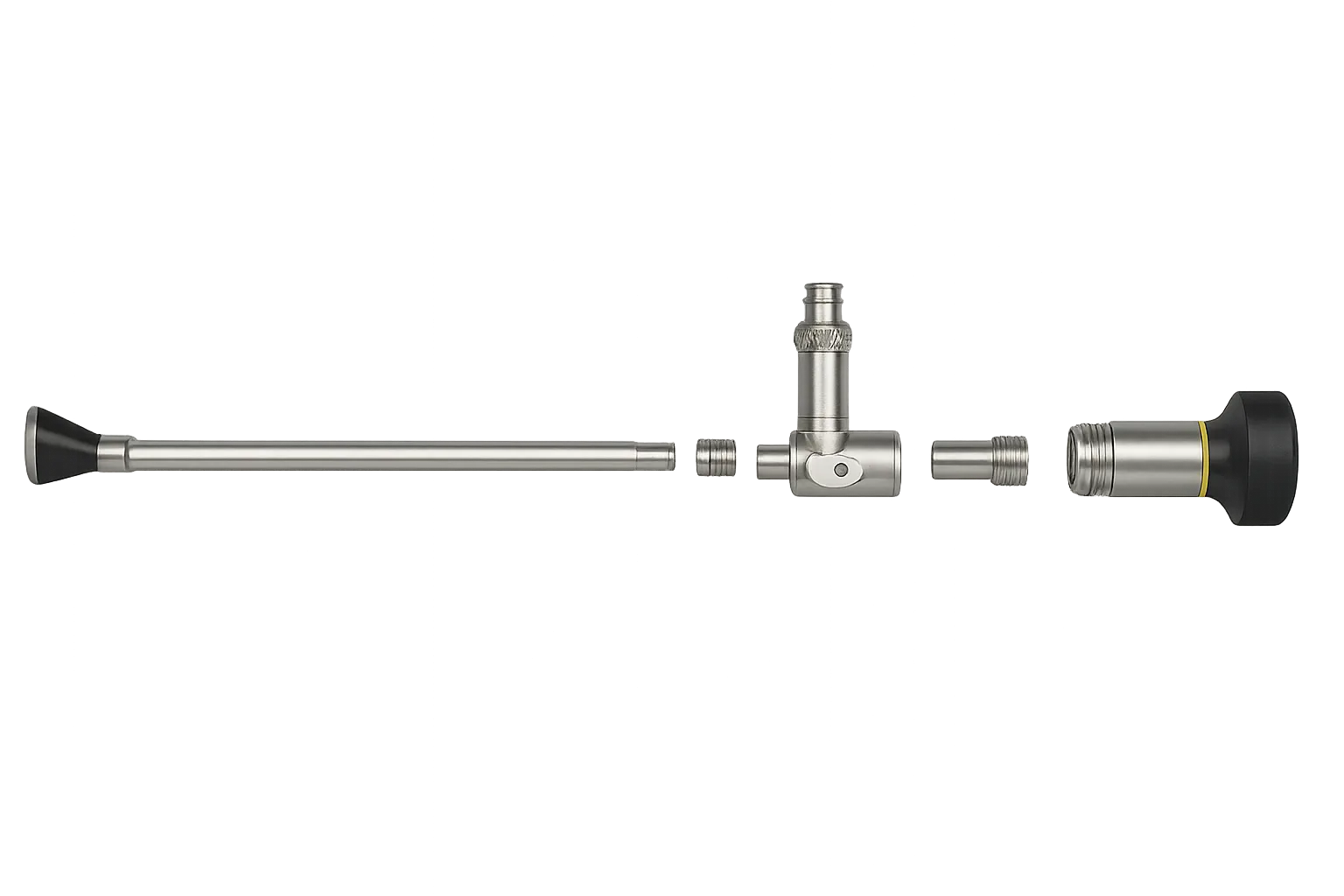
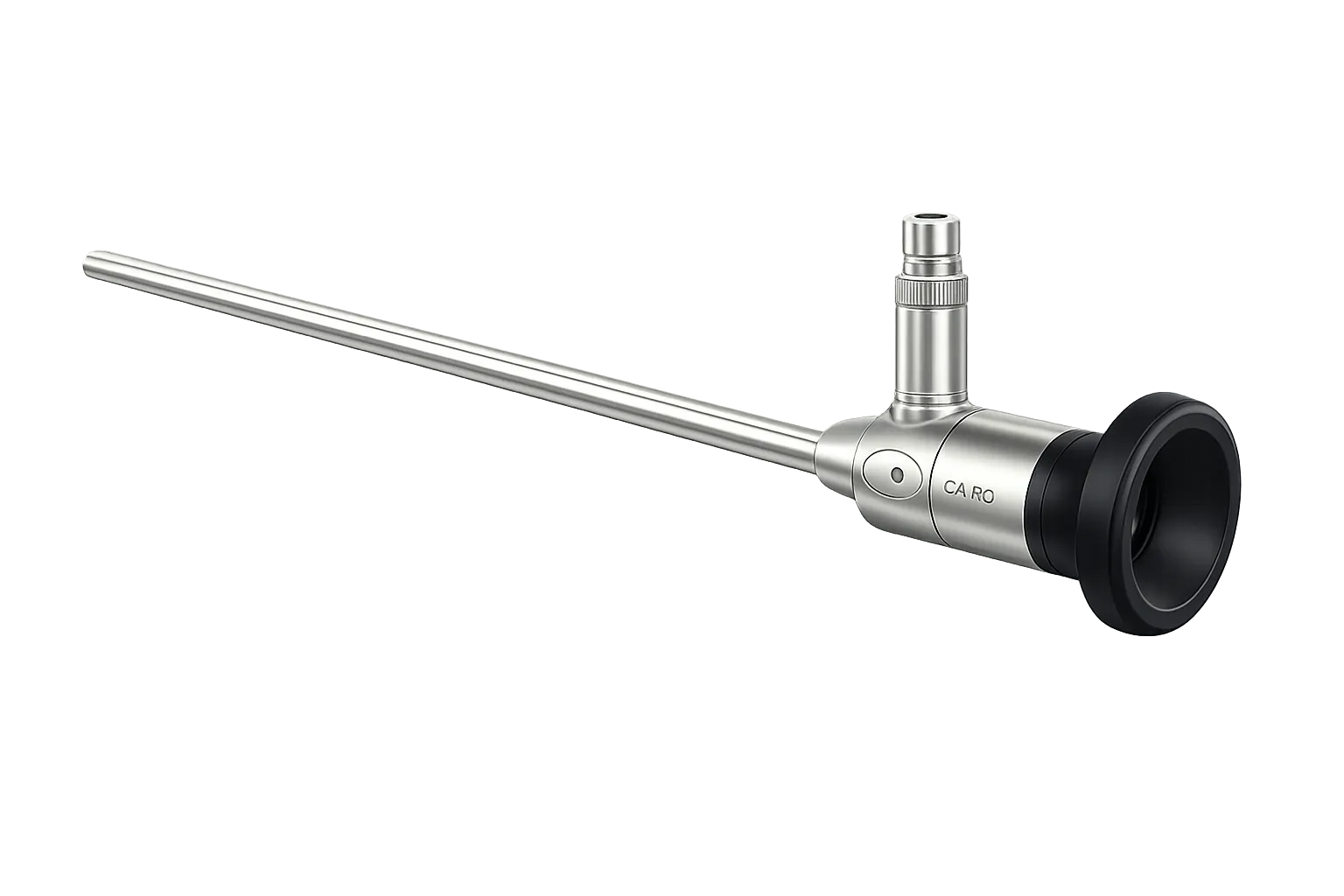
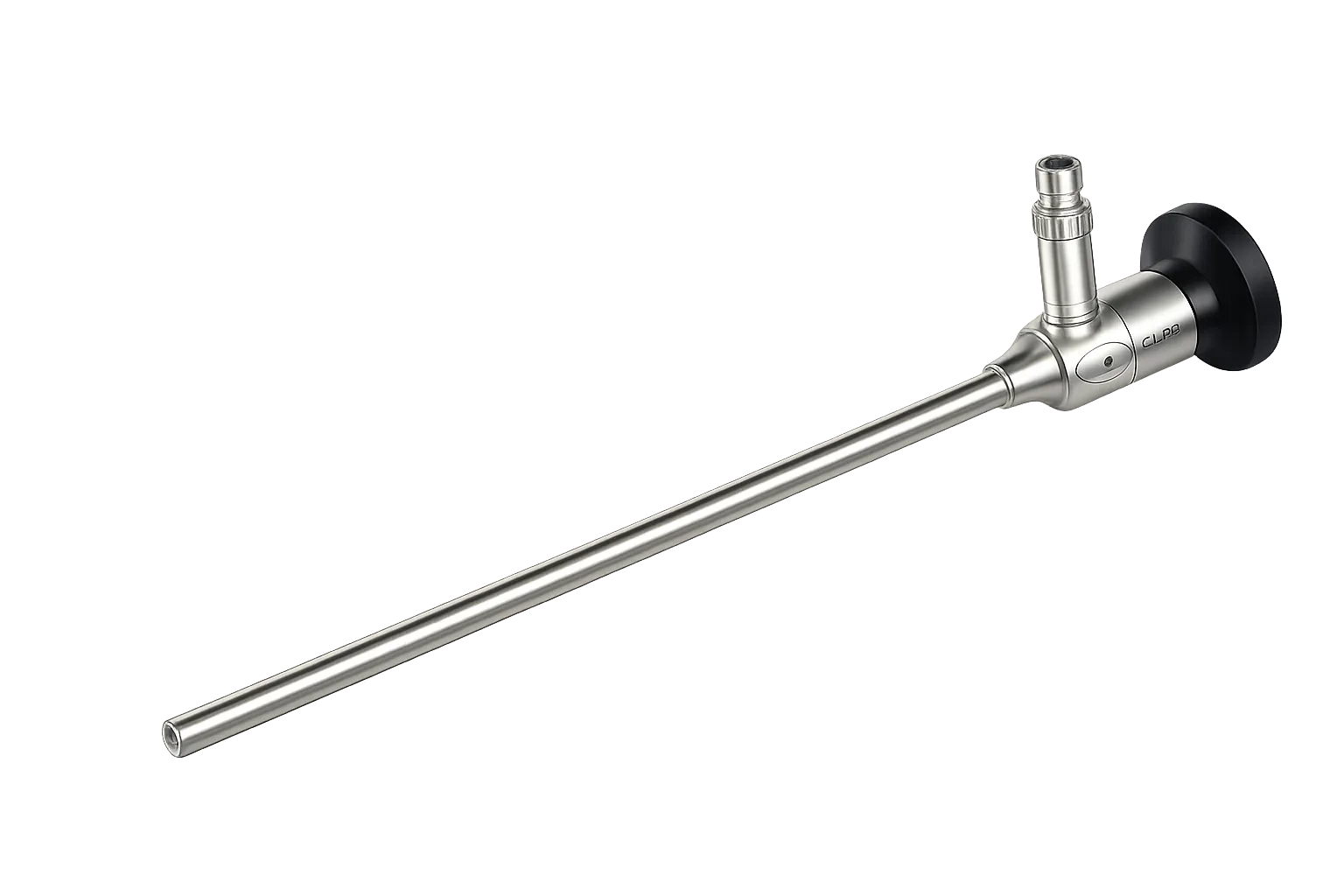
The 233 Medical G-J2001.1 serves UK NHS orthopaedic departments, day-case orthopaedic surgery centres, and private orthopaedic practices performing arthroscopy across the joint case mix. The 0° wide-angle configuration provides axial visualisation with an extended field of view, supporting straight-line procedures, diagnostic work, teaching applications, and situations where the axial viewing geometry suits the surgical approach.
In knee arthroscopy — the highest-volume arthroscopic procedure in UK orthopaedic practice — the 0° arthroscope supports diagnostic arthroscopy for suspected meniscal or ligamentous injury, partial meniscectomy for symptomatic meniscal tears, chondroplasty for cartilage lesions, anterior cruciate ligament (ACL) reconstruction as the visualisation component of the imaging chain, loose body removal, and synovectomy for inflammatory joint disease. Most active knee arthroscopy services pair the 0° scope with a 30° angled scope for procedure-specific angle selection; the 30° geometry is the workhorse for most cavity examination, while the 0° is deployed when axial views suit the specific procedural step.
In shoulder arthroscopy, the same 0° wide-angle geometry supports axial visualisation during rotator cuff repair, labral repair (SLAP lesions, Bankart lesions), subacromial decompression, biceps tenodesis, and capsular release procedures. Shoulder arthroscopy typically uses posterior portal entry, and the axial view from a 0° scope covers the initial diagnostic sweep before angled scope work begins for detailed instrumented procedures.
In ankle arthroscopy, the 0° scope covers diagnostic arthroscopy for chronic ankle pain investigation, osteochondral lesion assessment (particularly talar dome lesions), anterolateral impingement release, and loose body removal. The compact working space of the ankle joint favours the shorter 175 mm working length and 4 mm diameter of the standard adult arthroscope.
In elbow arthroscopy, the 0° scope covers selected cases including loose body removal, some capsular release procedures, and diagnostic arthroscopy. Many elbow arthroscopy surgeons prefer smaller-diameter scopes (2.7 mm) for the confined elbow joint space, though the 4 mm scope is used where the anatomy accommodates it.
For orthopaedic training and skills laboratories, the arthroscope supports arthroscopic technique training, portal placement teaching, scope handling practice, and trainer-box simulation work. Training-use scopes typically suffer faster service-life consumption than theatre-use scopes due to higher handling rates by less-experienced users; departments running active training programmes typically budget separately for training-fleet and theatre-fleet inventory.