
Laparoscopic and General Surgery
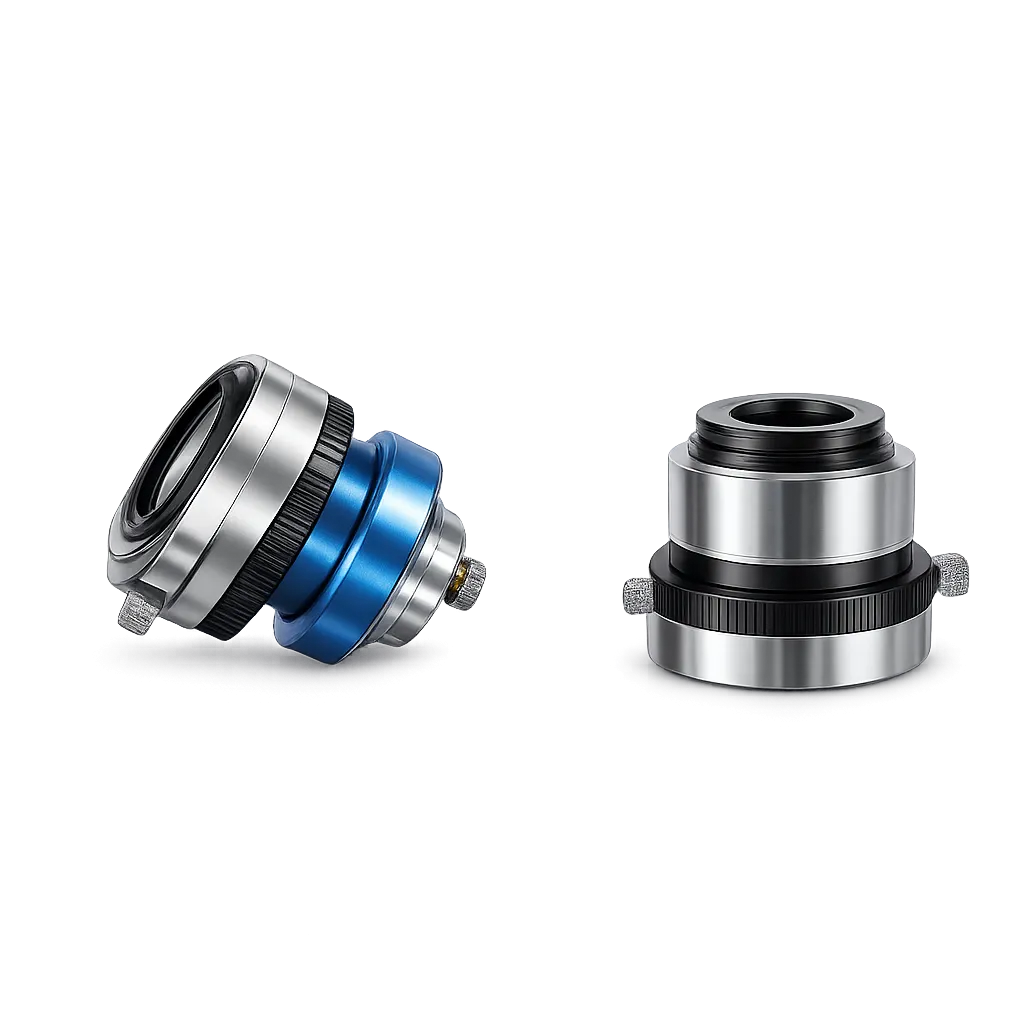
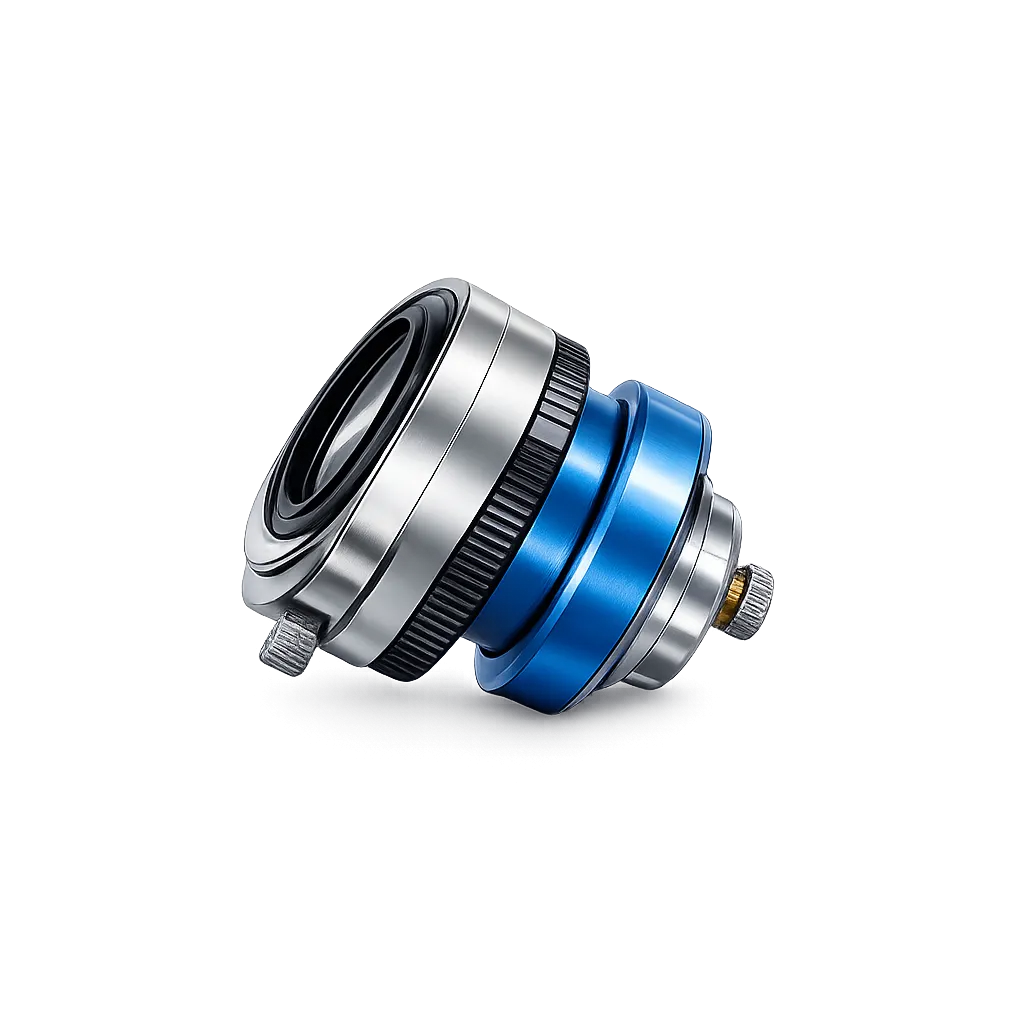
Abdominal work involves working distances that change considerably as dissection proceeds, which is where an adjustable coupler earns its place. Altering magnification without moving the scope keeps the field stable while bringing a structure closer for careful work. Full 4096 by 2160 capability means the detail a high resolution camera can capture is not lost at the coupling before it ever reaches the sensor. Stable framing also helps the assistant follow what is happening.
Arthroscopy and Orthopaedic Procedures
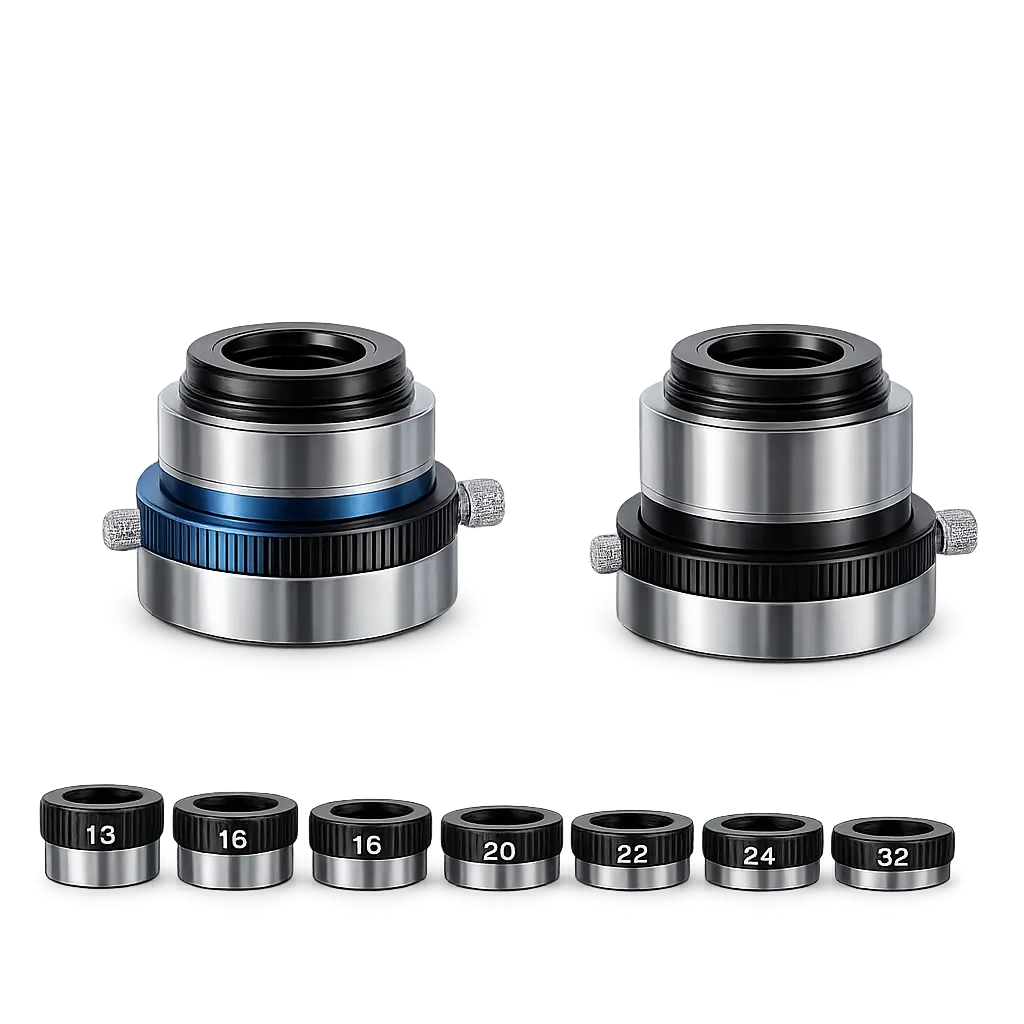
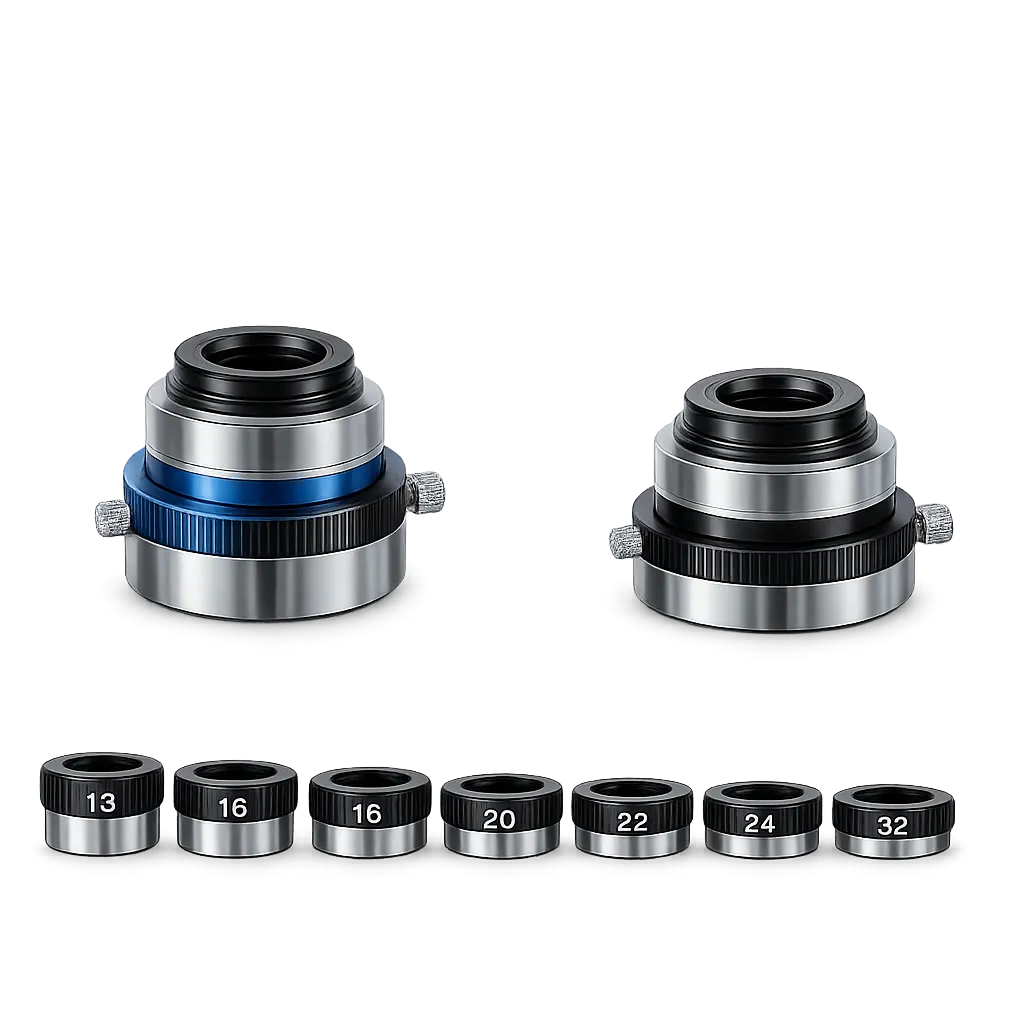
Joint work happens at short and fairly consistent working distances, which suits a fixed focal coupler chosen to match. Removing adjustment removes something that can shift during the frequent repositioning arthroscopy involves, and the shorter fixed focal lengths available are well suited to the confined spaces these procedures work within. Selecting the right fixed length for a room repays the thought it takes.
ENT, Urology and Gynaecology
Narrow-lumen endoscopy across these specialties uses a range of scopes and working distances, and having nine fixed focal lengths alongside two adjustable ranges means a department can equip each room appropriately. Ergonomic handling matters where the coupler and camera are held together for prolonged periods during outpatient lists. Equipping each room to its own habitual work avoids compromise across specialties.
Departments Upgrading Their Imaging Chain
Where a service has invested in higher resolution cameras and displays, the coupler is a common and easily overlooked bottleneck. Replacing an older coupling with one rated for the full ultra high definition width lets existing scopes continue in service while the imaging chain around them is brought up to standard. Scopes themselves often remain perfectly serviceable through such an upgrade.