
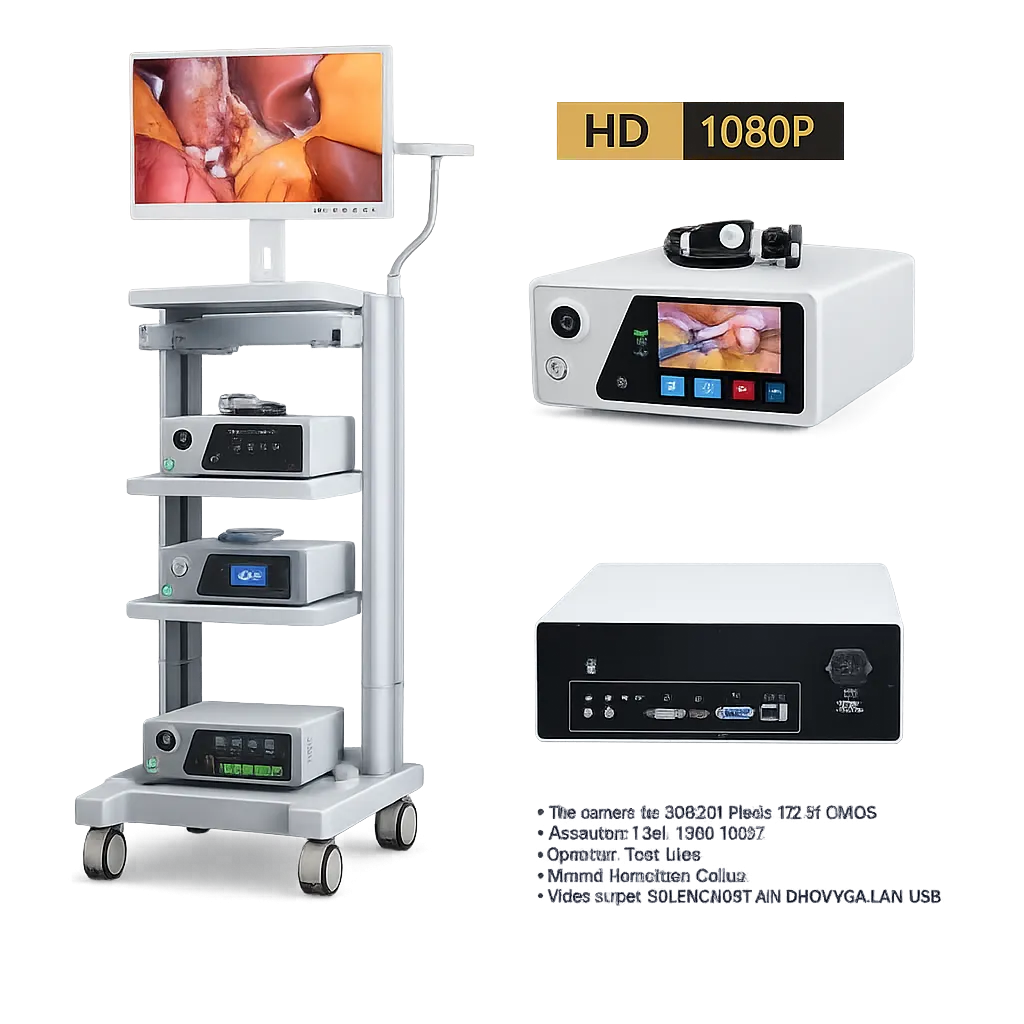
Gynaecology and Urology
Work through narrow passages depends on the camera holding detail where illumination weakens toward the periphery, and sensitivity at 0.3 lux serves that directly. White balance correction keeps mucosal colour faithful as conditions shift within a single examination. Onboard capture carries real weight in these services, since findings frequently require documenting for the record, for planning further management, or for discussion with the patient once the examination has concluded. Stored material stays retrievable long after the clinic session has ended.
Hepatobiliary and General Surgery
Abdominal procedures run long and the operative field changes character as dissection proceeds, so stable colour and consistent detail matter throughout. The wide shutter range manages reflections thrown back by instruments and irrigation without darkening the tissue around them. Continuous recording preserves the entire procedure, leaving the team a complete account available for audit, for morbidity review or for teaching once the list is done.
Orthopaedics and Otolaryngology
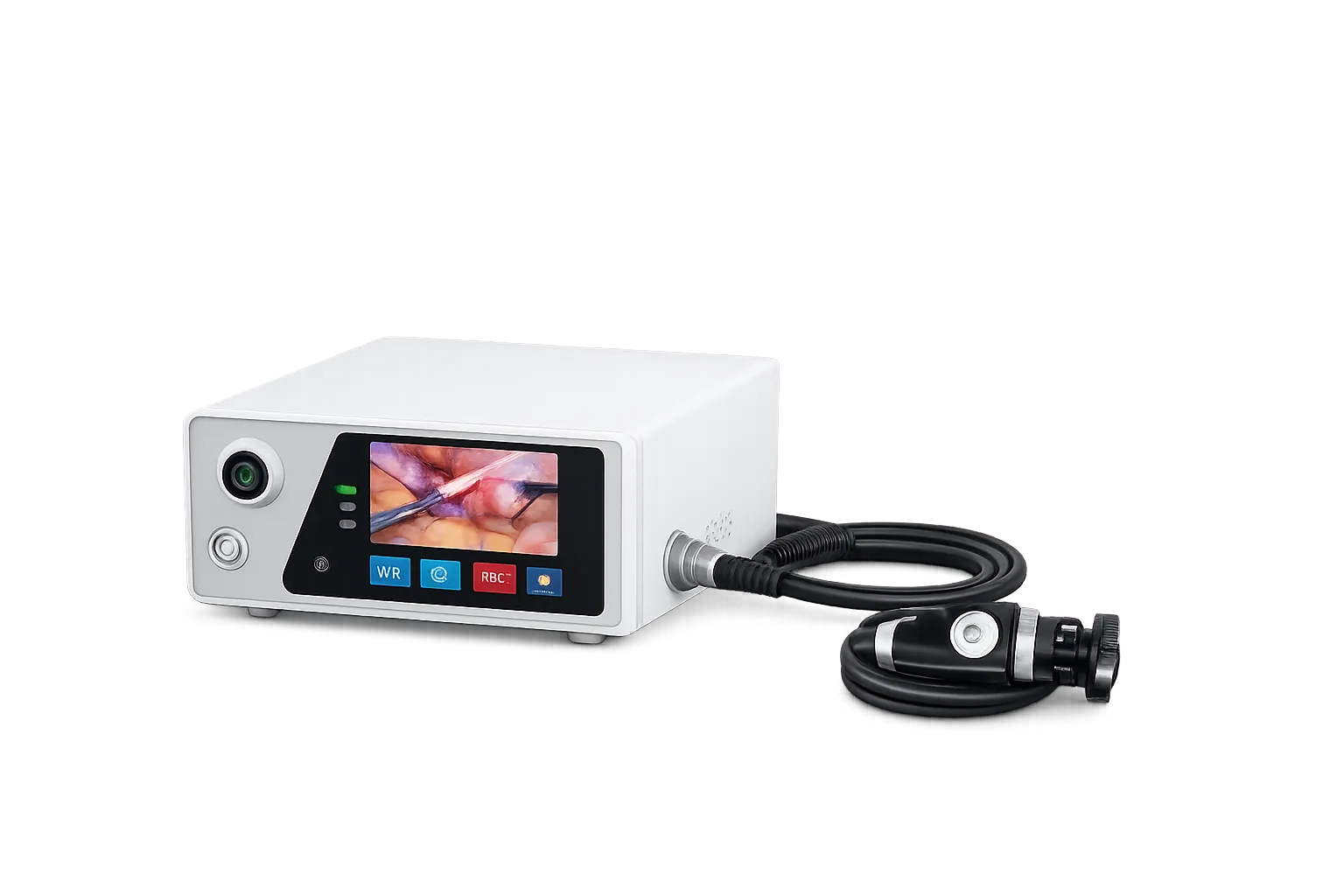
Joint and airway work take place in confined reflective spaces requiring frequent repositioning of the scope. The lightweight camera head suits that handling, and its 2.5 metre cable permits movement around the patient without straining against the console. Freeze and photography capture surface findings at the moment they become visible, which is often the only practical chance to record them.
Neurosurgery, Cosmetology and Remote Teaching
Fine work rewards faithful colour and steady detail, and playback supports careful assessment afterwards. Network capability combined with audio channels in both directions lets a specialist elsewhere observe the live field and hold a spoken exchange with the operating team, turning remote consultation into a genuine conversation and ordinary lists into teaching material.