
Teaching and Group Observation
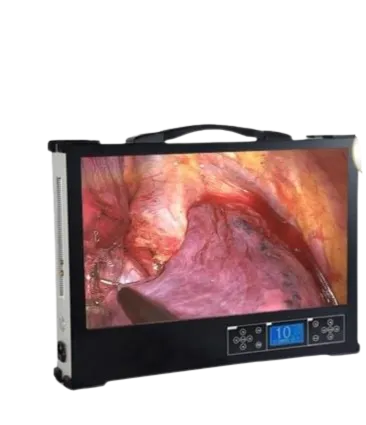
Screen size determines how many people can genuinely follow a procedure, and a 24 inch panel serves a room in a way a smaller one cannot. Because that panel travels in a case, teaching is no longer confined to whichever room holds the large monitor. A session can be set up wherever it suits, which matters for departments where teaching space is allocated week by week rather than permanently. Trainees see detail that a small panel would lose entirely.
Gynaecology and Otolaryngology
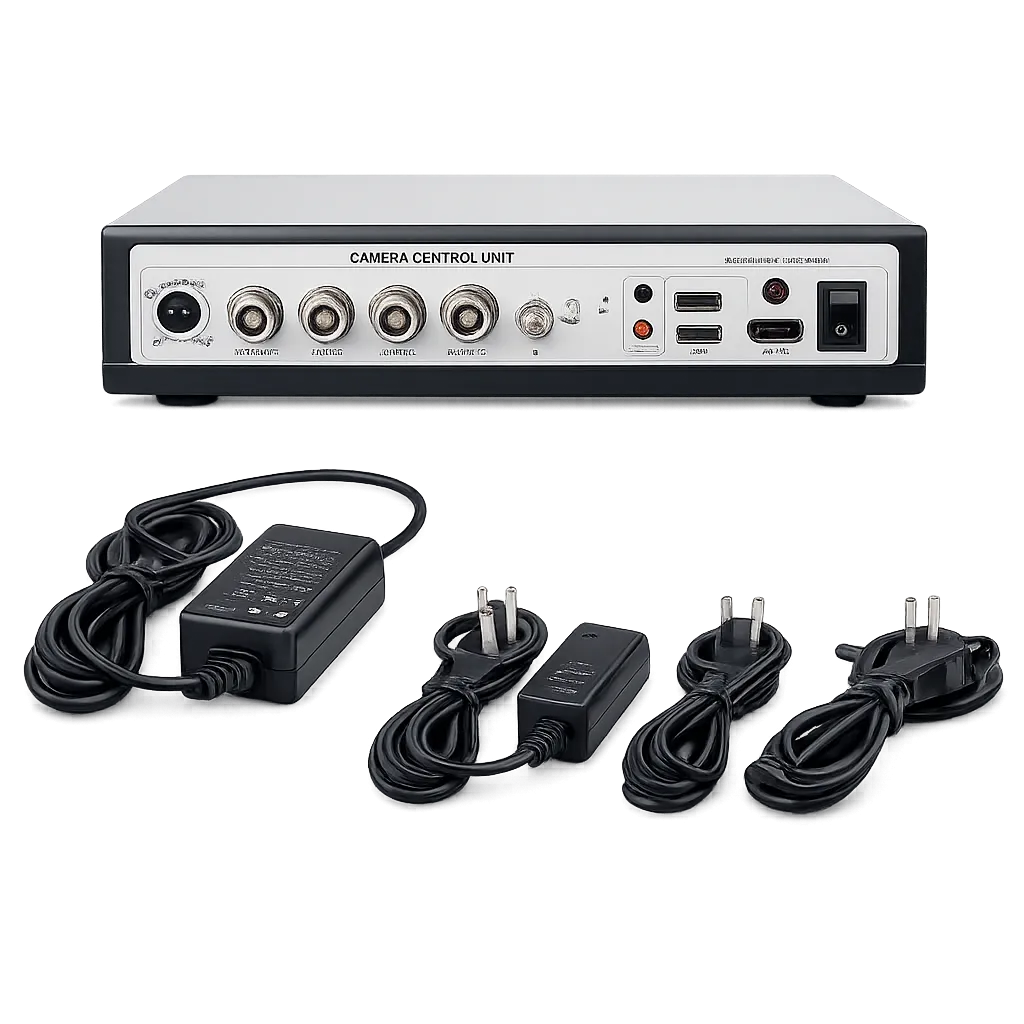
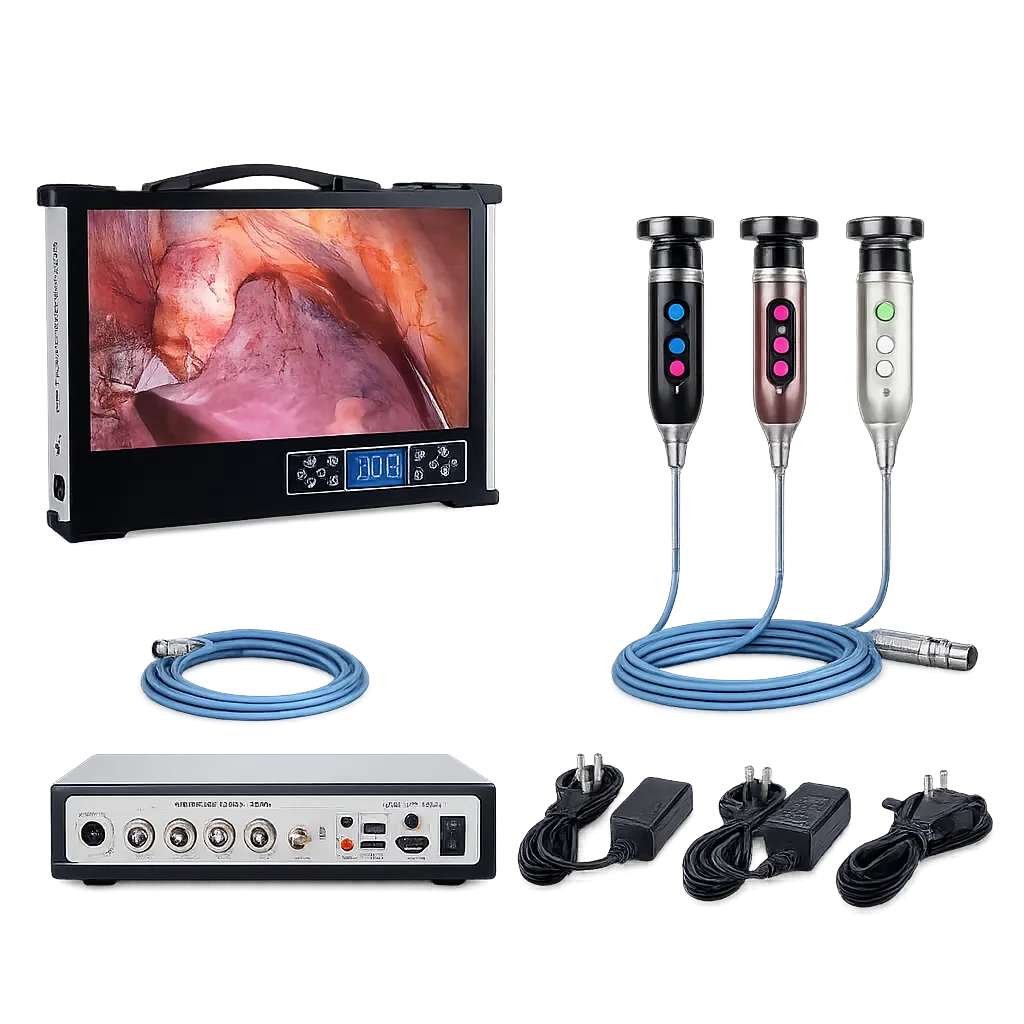
Both specialties are listed among the intended departments, and both often work in rooms serving several functions. A self-contained case with its own screen and lighting needs no permanent installation and leaves when the session ends. Integrated 100 watt illumination feeds the scope directly, and BNC output connects to whatever monitor a room may already have fitted. Nothing has to be installed in the room beforehand.
Orthopaedic and Cosmetic Procedures
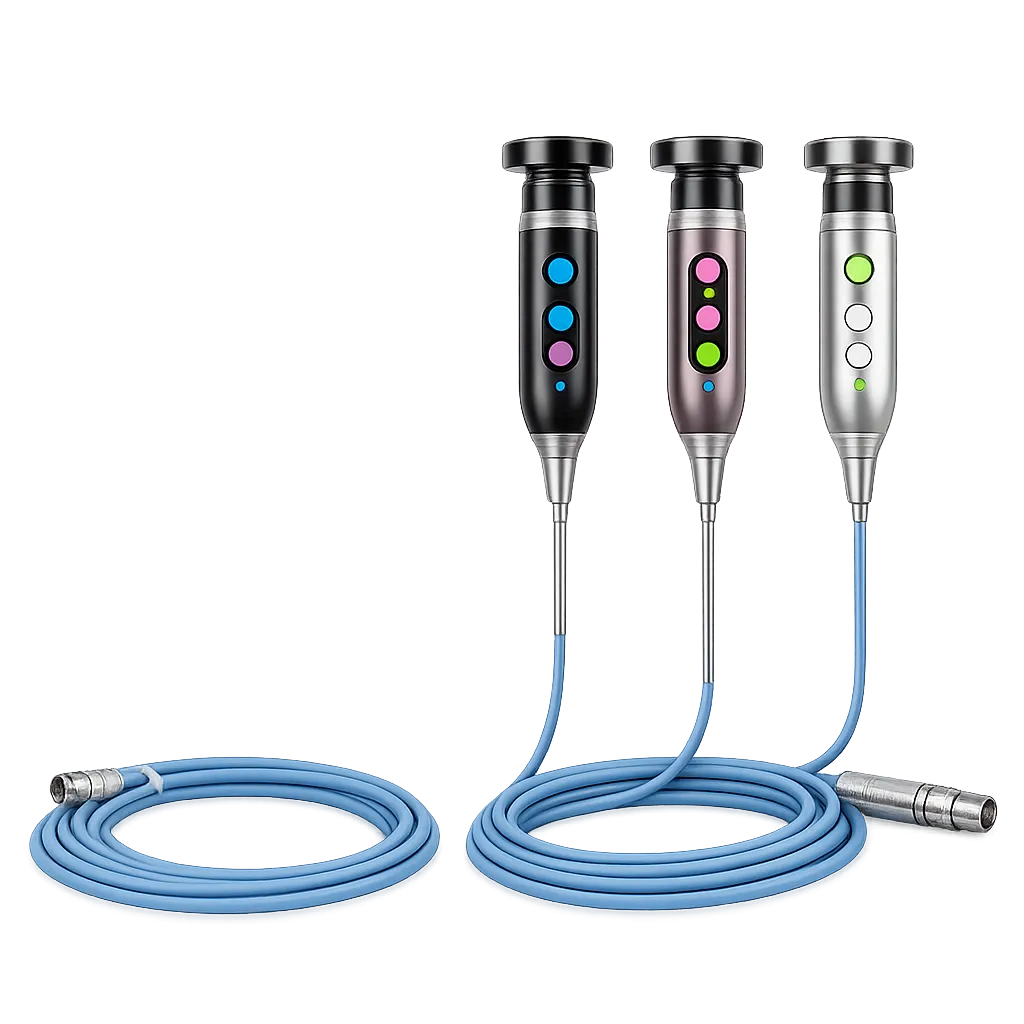
Routine work across these areas benefits from a console that starts quickly and behaves predictably. With lighting integrated, two connections to make and nothing to configure, preparation is brief. The camera panel function menu keeps imaging adjustments within reach during the procedure rather than requiring a separate control position. Staff move between rooms without relearning the controls.
Rooms Running Established Equipment
Departments whose monitors and recorders were installed years ago frequently find newer equipment will not connect without adaptors. BNC output at standard definition connects to that existing estate directly, so a room gains a portable imaging capability without any accompanying replacement of the screens already in place. Existing display investment continues earning its place.