
Rooms Running Standard Monitors
The great majority of clinical displays are built for 1920 by 1080, and matching that format exactly avoids the scaling that softens an image resampled to fit. A department whose screens are standard widescreen gains a picture that fills them precisely, which is a practical advantage over a format the monitor has to adapt before showing. Existing screens need no adjustment to show the picture properly. Detail reaches the screen as the sensor recorded it.
Clinic Rooms and Shared Spaces
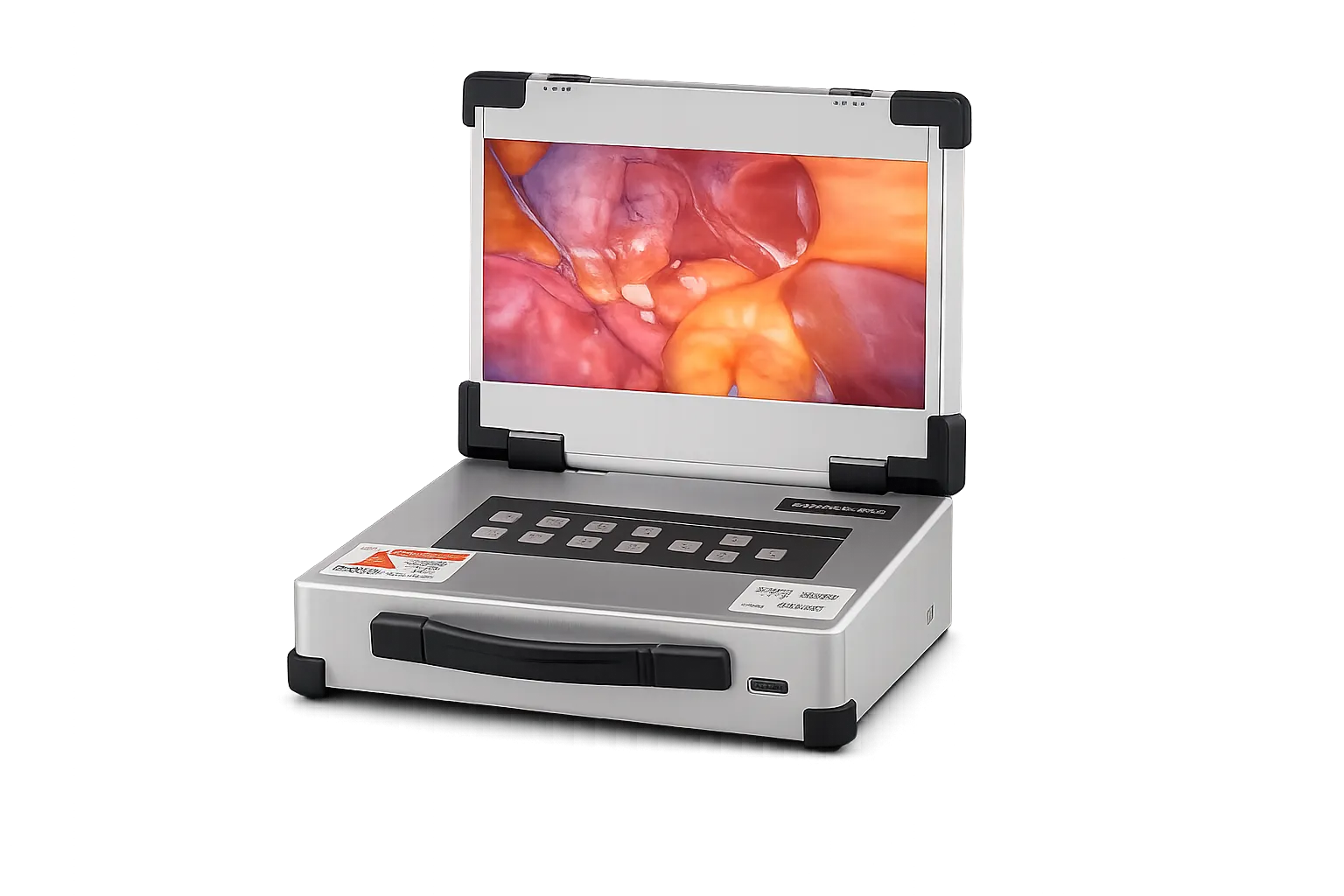
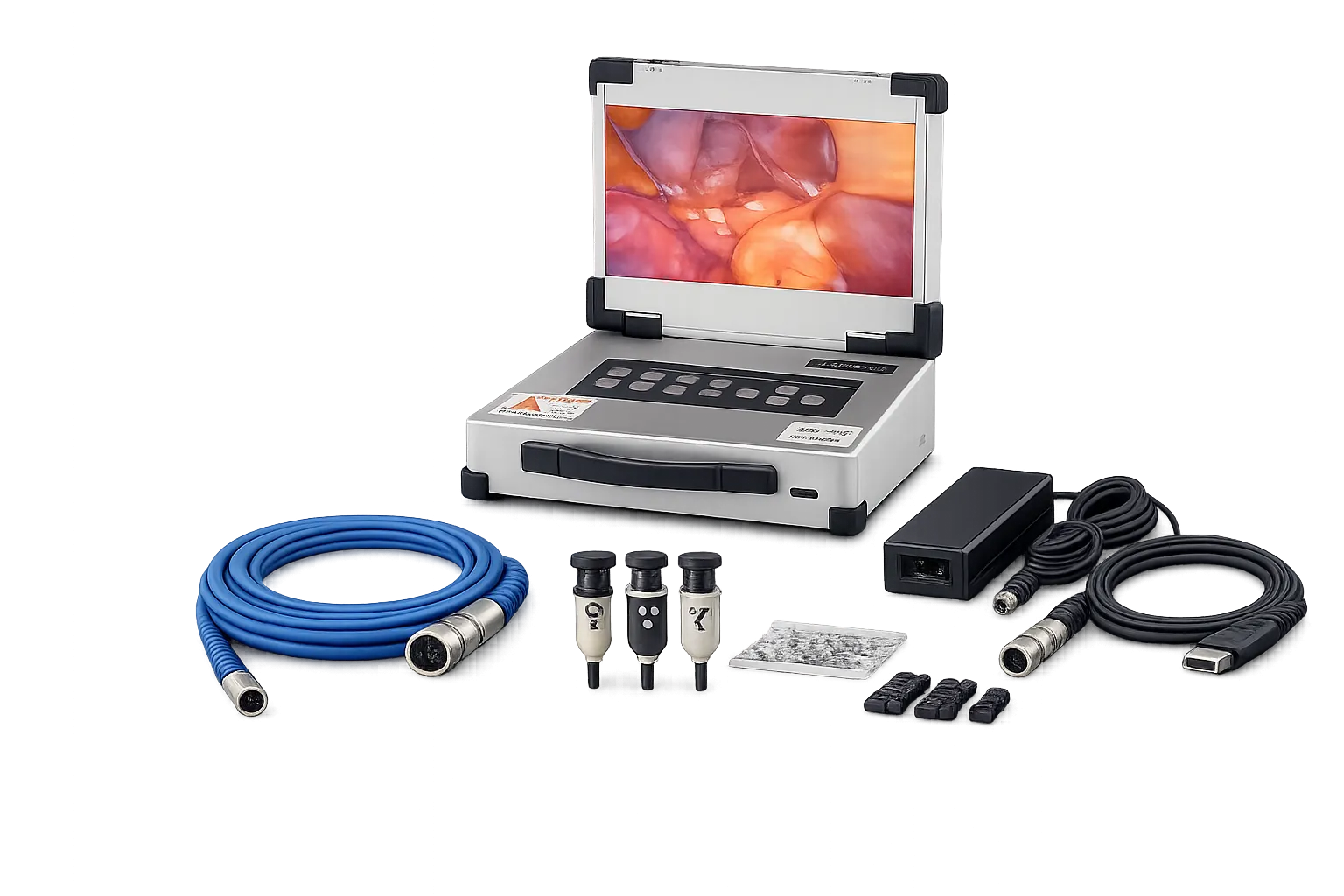
A case that folds flat suits rooms where equipment cannot hold a permanent position. The unit opens as a complete imaging arrangement with its own screen and lighting, then closes and stores away when the session ends. Two panel sizes let a department choose what genuinely fits the space available. The room returns to its other uses once the case closes again. Setting up needs only the case and one mains socket.
Mixed Display Estates
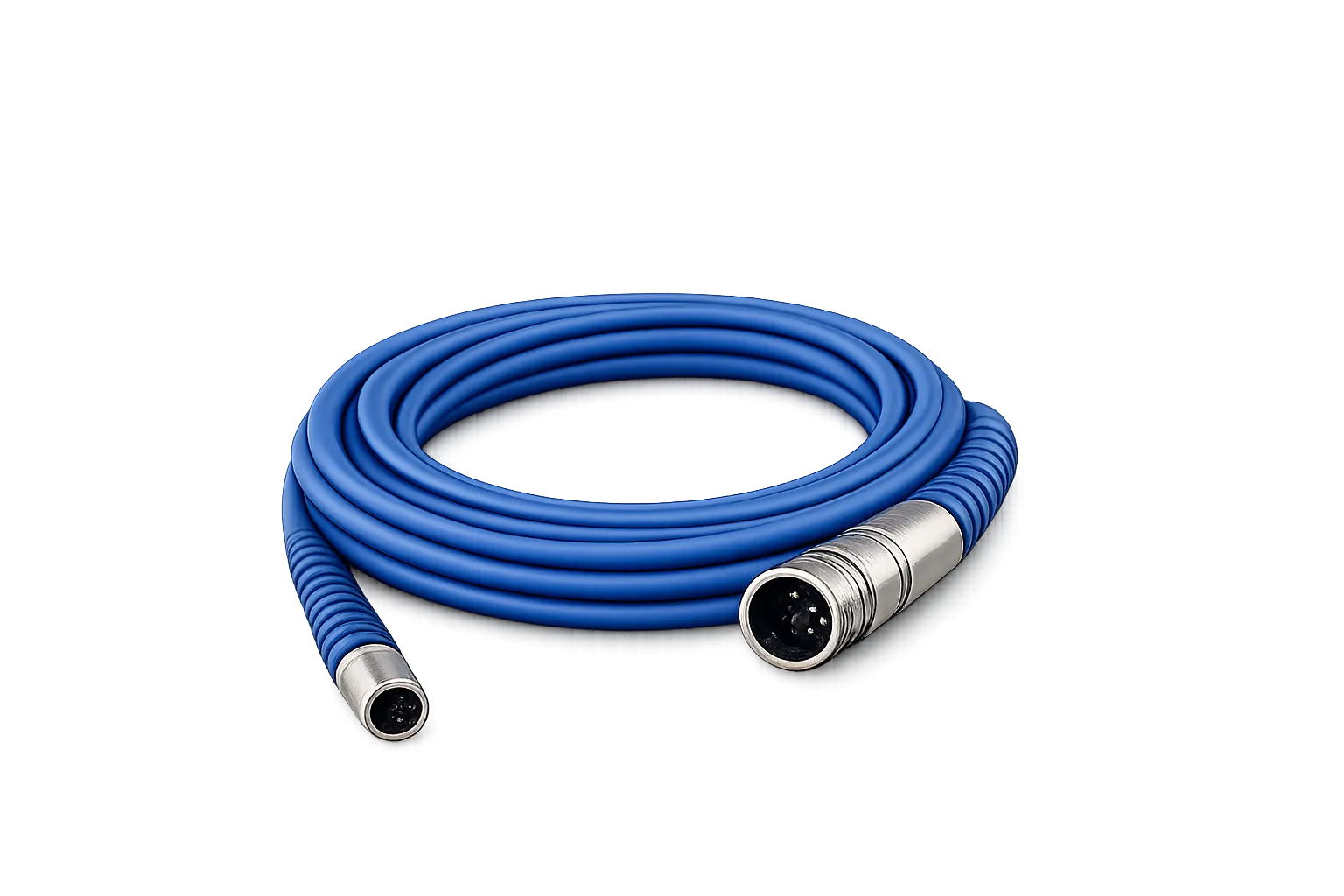
Five outputs spanning SDI, BNC, DVI, HDMI and USB address a common situation: monitors purchased across many years, in several standards, all still working. Analogue connections alongside digital ones mean the unit joins that estate directly, with nothing replaced and no adaptors introduced into the chain. Existing display investment continues earning its place fully. Adaptors introduce failure points that are easily avoided.
Documentation and Case Records
Capture from the front panel means a finding is recorded at the moment it appears rather than retrieved afterwards. For a clinician working single-handed, documentation that requires one press rather than a second person operating separate equipment is documentation that actually happens consistently. Records reach the file without depending on a colleague nearby. Capture needing one press tends to be capture that happens.