

Rooms With Limited Provision
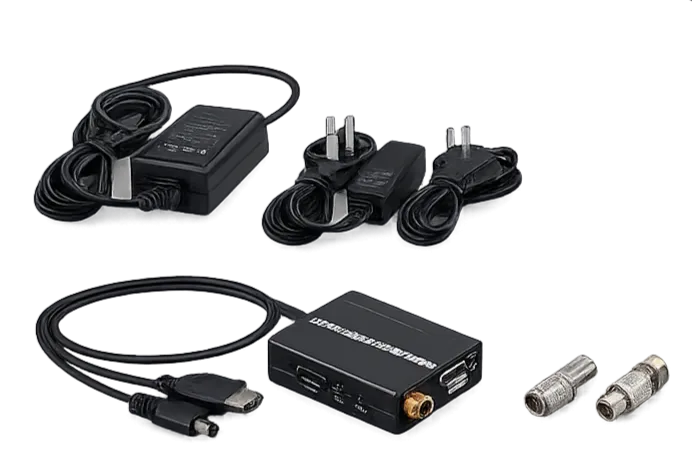
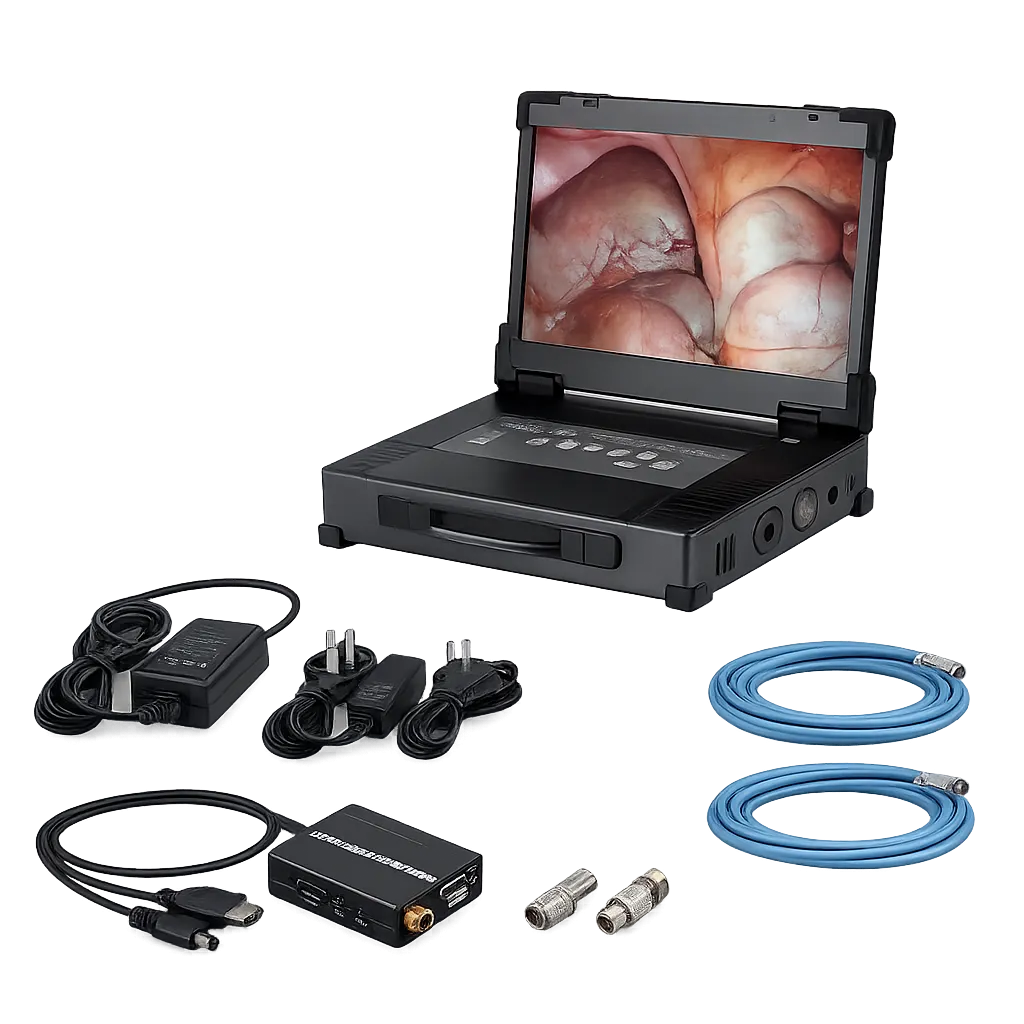
Sixty watts is a modest demand, and a unit that asks little of a room is a unit that can be used in more of them. Clinic rooms, side rooms and shared spaces without dedicated electrical capacity accommodate this case where a heavier draw would raise questions. Two BNC connections and one mains lead is the whole installation. More rooms therefore qualify as places imaging can happen. No building work or electrical assessment stands in the way.
Established BNC Estates
Departments running monitors and recorders fitted some years ago frequently find newer equipment will not connect without adaptors. BNC output at standard definition joins that estate directly, so a room gains a portable imaging capability without any accompanying replacement of screens already in service. Existing display investment continues earning its place fully. Adaptors introduce failure points that are easily avoided here.
Units Choosing Their Own Housing
Where a case stays on a trolley in one room, a plastic body keeps weight and cost down. Where it travels daily between sites, a metal body better withstands the handling. Offering both means the decision follows how a department actually works rather than what a manufacturer assumed. Neither option is better; they suit different circumstances. Handling patterns differ considerably between departments.
Gynaecology, ENT and Routine Inspection
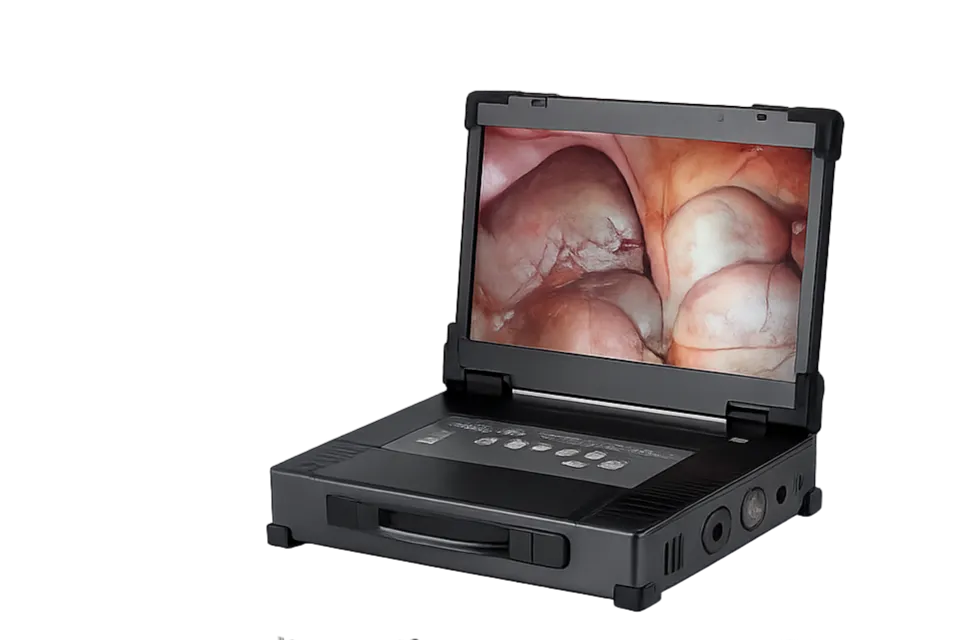
The platform suits routine examination and surgery across the specialties these units serve. A camera panel function menu keeps imaging adjustments within reach during the procedure, and the compact single-panel format suits rooms that serve several functions across a week. The unit leaves again once the session has finished. Rooms serving several functions benefit particularly from this.