
Laparoscopic and General Surgery
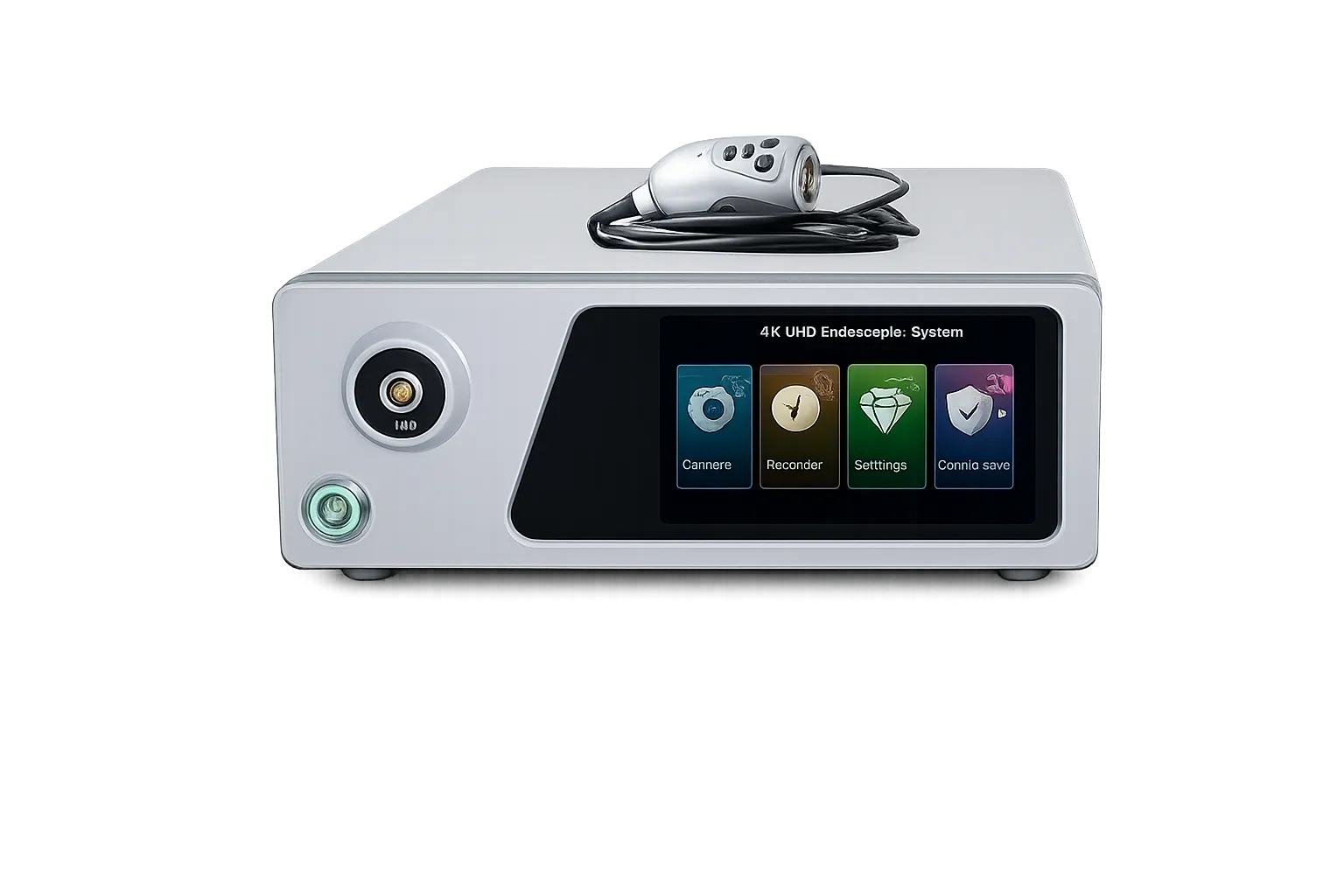
Abdominal and pelvic laparoscopy places heavy demands on colour fidelity, because the surgeon separates peritoneum, fat and vessel by hue as much as by shape. The three-sensor capture preserves those distinctions at full ultra high definition resolution, and the wide shutter range controls the bright reflections that irrigation and metal instruments throw back. Low light performance holds the picture together as the scope advances into deeper recesses where the light source loses reach.
Arthroscopy and Orthopaedic Procedures
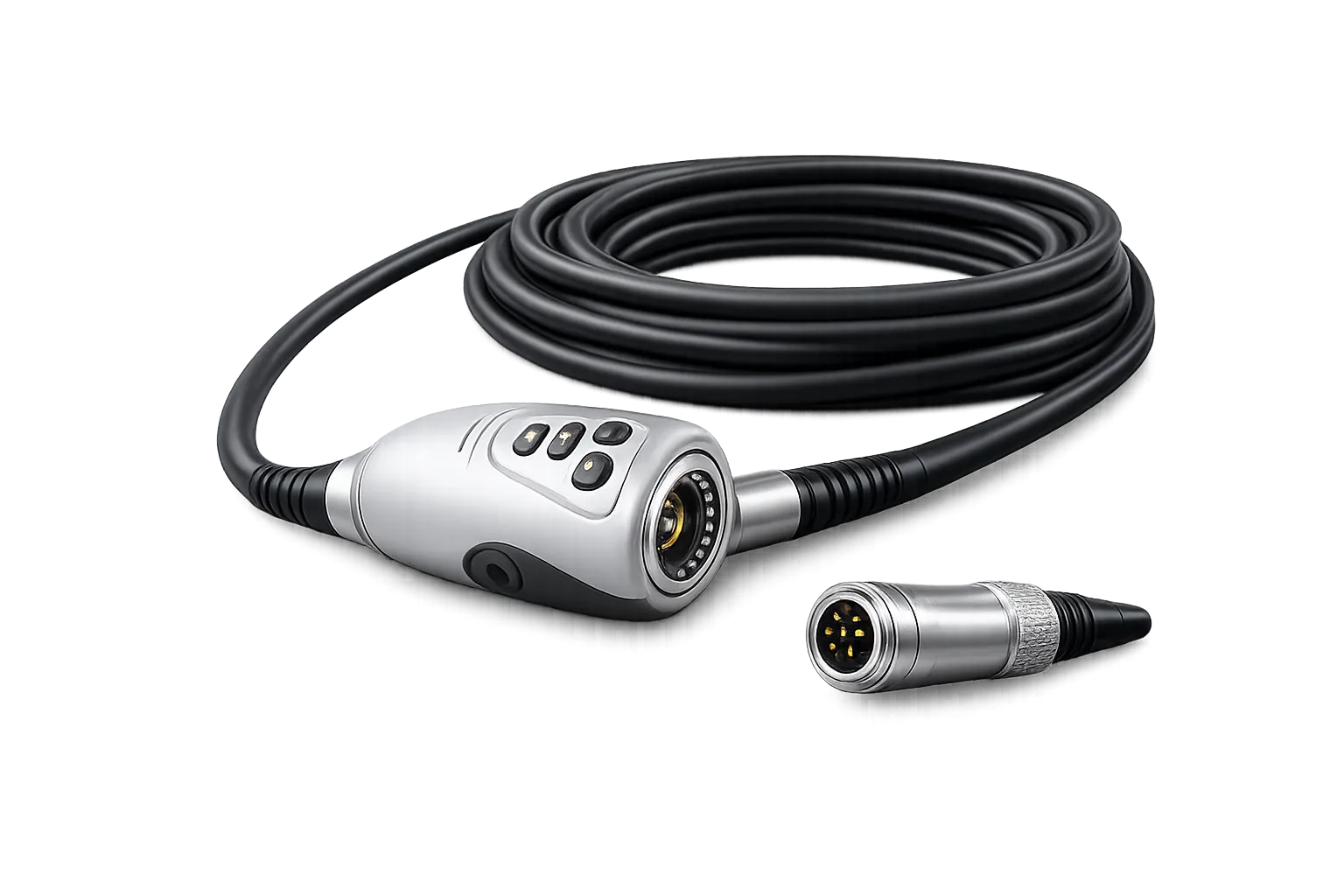
Joint work happens in a small, fluid-filled space where cartilage, synovium and ligament share similar tones. High line-count resolution helps distinguish surface texture and early degenerative change that a lower definition picture would flatten. The lightweight head suits the frequent repositioning arthroscopy requires, and the 2.8 metre cable allows free movement around the limb without dragging the console.
ENT, Urology and Gynaecology
Narrow-lumen endoscopy through the airway, urinary tract or uterine cavity benefits from sensitivity at low illumination, since light falls away quickly inside a confined passage. Sharp rendering of mucosal surface detail supports careful inspection, while the broad output set lets a clinician capture stills or video for the patient record during the same visit.
Surgical Teaching and Documentation
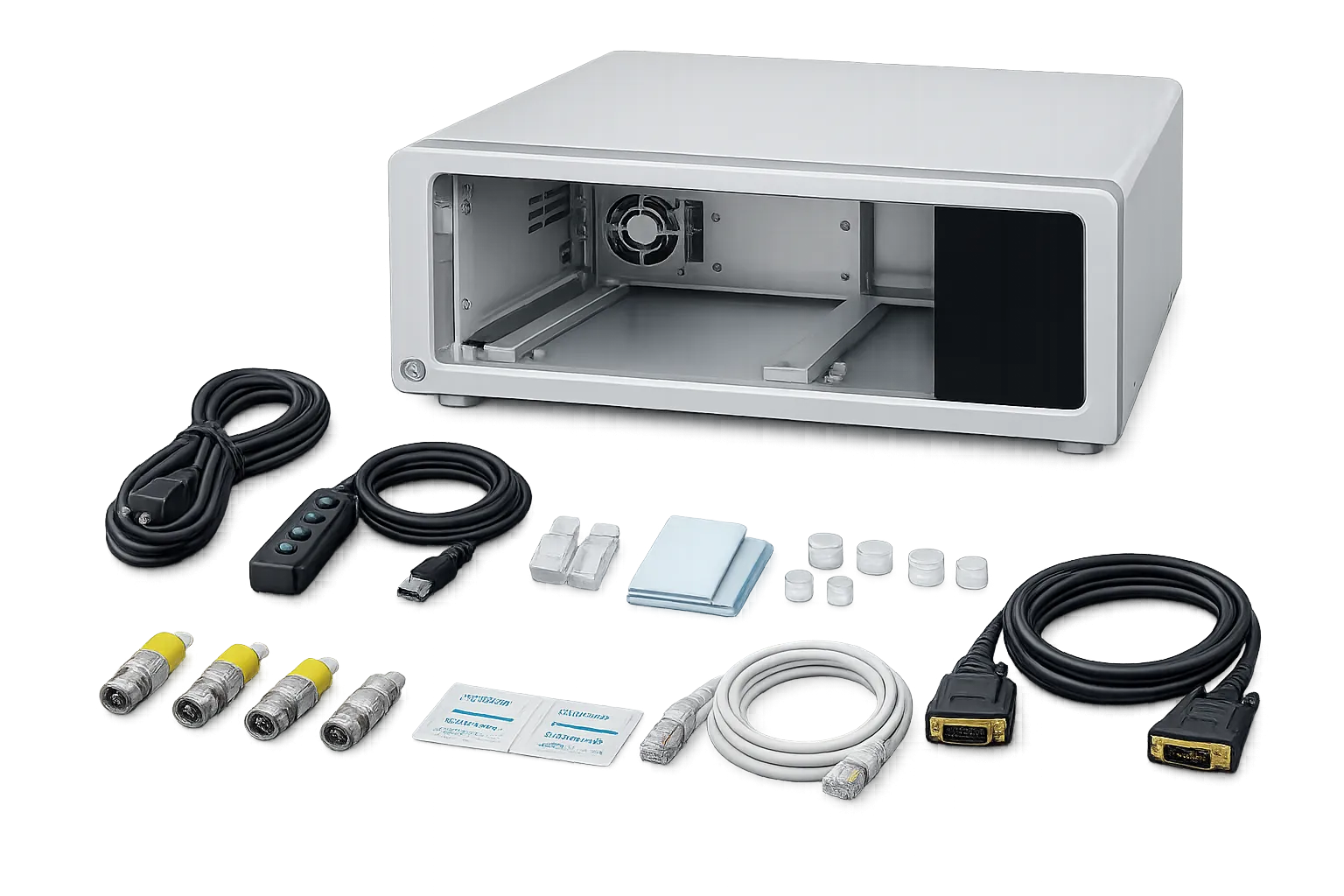
Simultaneous outputs let a teaching display mirror the operative view while a recorder captures the procedure and the primary monitor stays untouched. USB and LAN connections move those files onward for case review, audit or trainee assessment, turning routine theatre lists into durable teaching material without adding steps for the scrub team. Recorded ultra high definition material also holds up well under later scrutiny, which makes it genuinely useful for departmental audit, morbidity review and consent discussions with patients who want to understand what a proposed procedure actually involves.