
Introduction
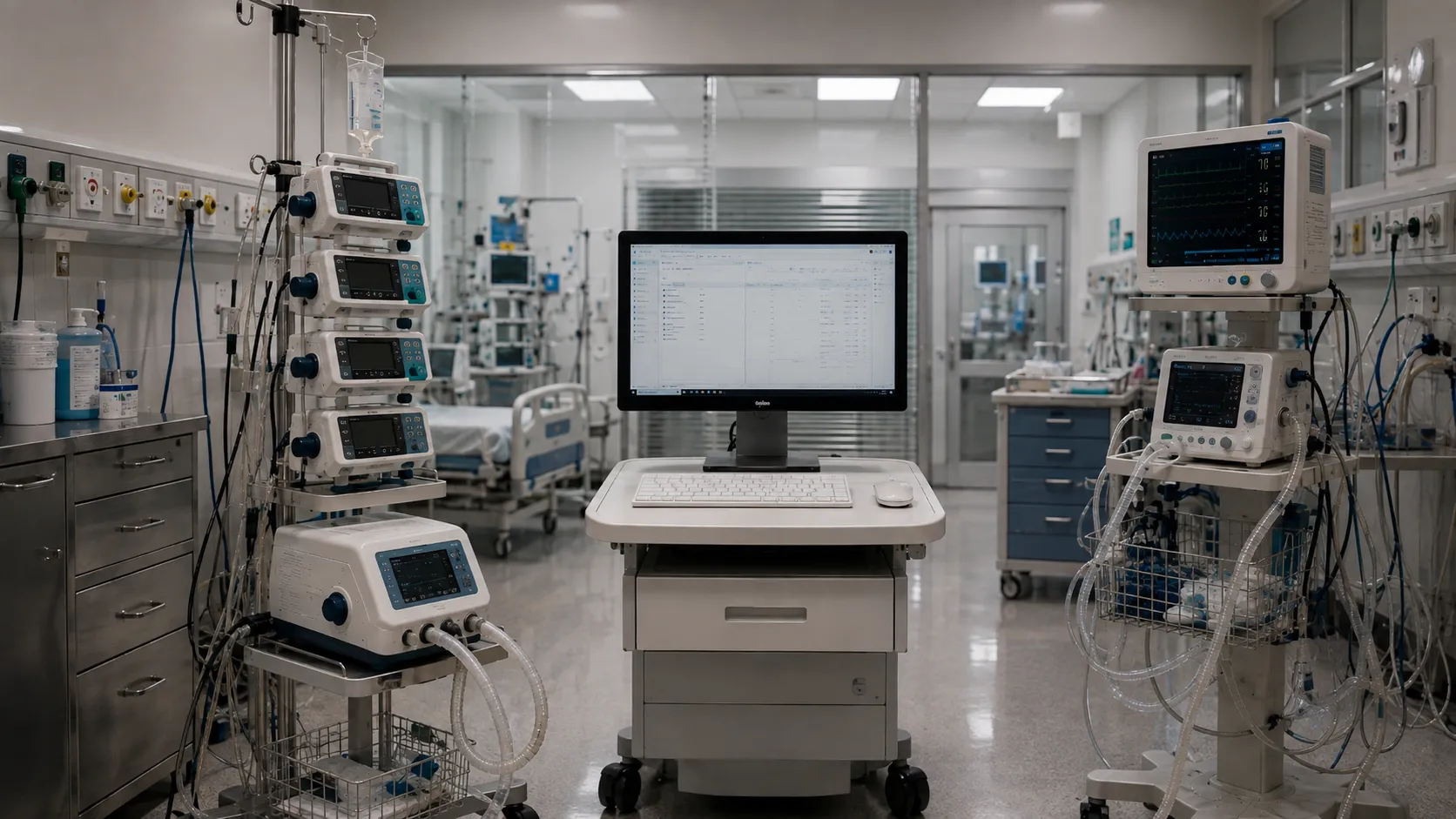
Interoperability is the least glamorous word in the smart hospital, and the most important. It is the plain ability of different systems and devices to talk to each other — and without it, every other benefit of connection quietly collapses. A hospital can buy the finest equipment in the world, but if it cannot share its data on common terms, it has bought a room of expensive islands. This guide explains what interoperability means for smart hospital equipment, why it matters, and how to ensure it.
What interoperability actually means
At its simplest, interoperability means that a reading produced by one device can be understood and used by another system, correctly and without special effort. It has layers: the devices must be able to connect at all, they must exchange data in a shared format, and that data must carry the same meaning at both ends. A number is not enough; both sides must agree that the number is a heart rate, in the same units, for the same patient. When all three layers align, equipment from different manufacturers behaves as a single system.
Why it decides everything
-
No integration without it. Data only joins into one picture if systems can share it meaningfully.
-
Freedom from lock-in. Open standards let a hospital mix makers rather than being trapped with one.
-
Lasting value. Equipment that connects on recognised standards keeps fitting as the hospital evolves.
-
Safer care. A shared, accurate picture depends on data meaning the same thing everywhere.
The standards that carry it
Interoperability is made real by recognised standards. For exchanging clinical information, HL7 FHIR provides systems with an agreed-upon structure so that data means the same thing wherever it lands. For device-to-device communication, families such as ISO/IEEE 11073 for point-of-care medical devices define how equipment should communicate. And bodies such as IHE (Integrating the Healthcare Enterprise) publish profiles that specify how systems should work together in practice. A buyer does not need to master these standards, but should insist that equipment supports the recognised ones — because that support is the difference between a device that joins the hospital and one that stands apart from it.
Closed equipment versus interoperable equipment
|
Closed/proprietary |
Interoperable |
|---|---|
|
Speaks its own dialect |
Speaks recognised standards |
|
Locks you to one supplier |
Lets you mix makers |
|
An island in the hospital |
Part of the whole system |
|
A dead end over time |
An investment that keeps fitting |
Making interoperability a buying rule
The practical power of interoperability lies in its ability to be turned into a simple purchasing discipline. Rather than assessing a device solely on its clinical features, a smart hospital first asks whether it connects to open, recognised standards — and treats a device that cannot as a poor fit, however capable it is on its own. This is exactly the direction health systems are moving; the aim of NHS England's connected digital systems is for information to flow across settings, which is only possible when equipment interoperates by design. Make it a rule at the point of purchase, and interoperability stops being a hope and becomes a guarantee.
What to weigh before you buy
-
Which standards does it support? Look for recognised, open standards, not a private format.
-
Will it join your systems? Confirm the device's data flows into your records and tools.
-
Does it keep you free? Prefer equipment that doesn't lock you into one supplier.
-
Will it still fit tomorrow? Standards-based connection protects an investment as the hospital changes.
The bottom line
Interoperability is the quiet foundation on which the whole smart hospital stands. It is what enables data integration, keeps a hospital free from lock-in, protects investments over time, and underpins safe, shared care. Recognised standards carry it, and it is secured not by hoping devices will get along but by insisting, at every purchase, that they connect on open terms. A device that cannot interoperate is a dead end dressed as an asset. Make interoperability a buying rule, and every other benefit of connection becomes possible.
More from Business
-
Buyers — source approved, well-documented equipment.
-
Suppliers — list your equipment and reach buyers worldwide.
-
Advertise — promote your products and services to a clinical audience.
-
Business overview — explore everything MediGear offers healthcare organisations.
Disclaimer
This article is for general information only and does not constitute clinical, procurement, regulatory, security or legal advice. Smart hospital equipment interoperability and the standards and rules that govern them are evolving, and requirements vary by market and change over time. Cybersecurity and interoperability requirements should always be confirmed with the relevant authorities. Always consult qualified clinical, biomedical engineering, information governance and security professionals for decisions specific to your organisation. medigear.uk accepts no liability for actions taken based on this content.
Equip on open standards.
Genuine, approved, fully documented medical equipment — the reliable hardware a smart, connected hospital is built on, wherever you work.
Frequently Asked Questions
Interoperability is the ability of different systems and devices to communicate so that data flows accurately between them. It has layers: devices must be able to connect, exchange data in a shared format, and carry the same meaning at both ends — both sides agreeing a number is a heart rate, in the same units, for the same patient. When these line up, mixed equipment behaves as one system.
Because without it every other benefit of connection collapses. Data only integrates into one picture if systems can share it meaningfully; open standards free a hospital from being locked to one supplier; standards-based equipment keeps fitting as the hospital evolves; and safe, shared care depends on data meaning the same thing everywhere. A device that cannot interoperate is a dead end dressed as an asset.
Recognised standards carry it: HL7 FHIR gives an agreed structure for exchanging clinical information, families such as ISO/IEEE 11073 define how devices communicate at the point of care, and IHE publishes profiles specifying how systems should work together in practice. Buyers do not need to master these, but should insist that equipment supports the recognised ones.
When equipment speaks open, recognised standards rather than a private dialect, a hospital stays free to mix makers over time rather than being trapped with one. Proprietary equipment that only talks to its own ecosystem locks a hospital in; interoperable equipment keeps its options open and protects the investment as needs change.
By assessing a device first on whether it connects on open, recognised standards, and treating one that cannot as a poor fit, however capable it is alone — before weighing its clinical features. Made a discipline at the point of purchase, interoperability stops being a hope and becomes a guarantee that new equipment will join the hospital rather than stand apart.
Ask which recognised standards the device supports, confirm that its data will flow into your records and tools, check that it keeps you free to mix suppliers, and consider whether a standards-based connection will still fit as the hospital changes. These questions decide whether a device becomes part of the whole system or an expensive island.