
Introduction
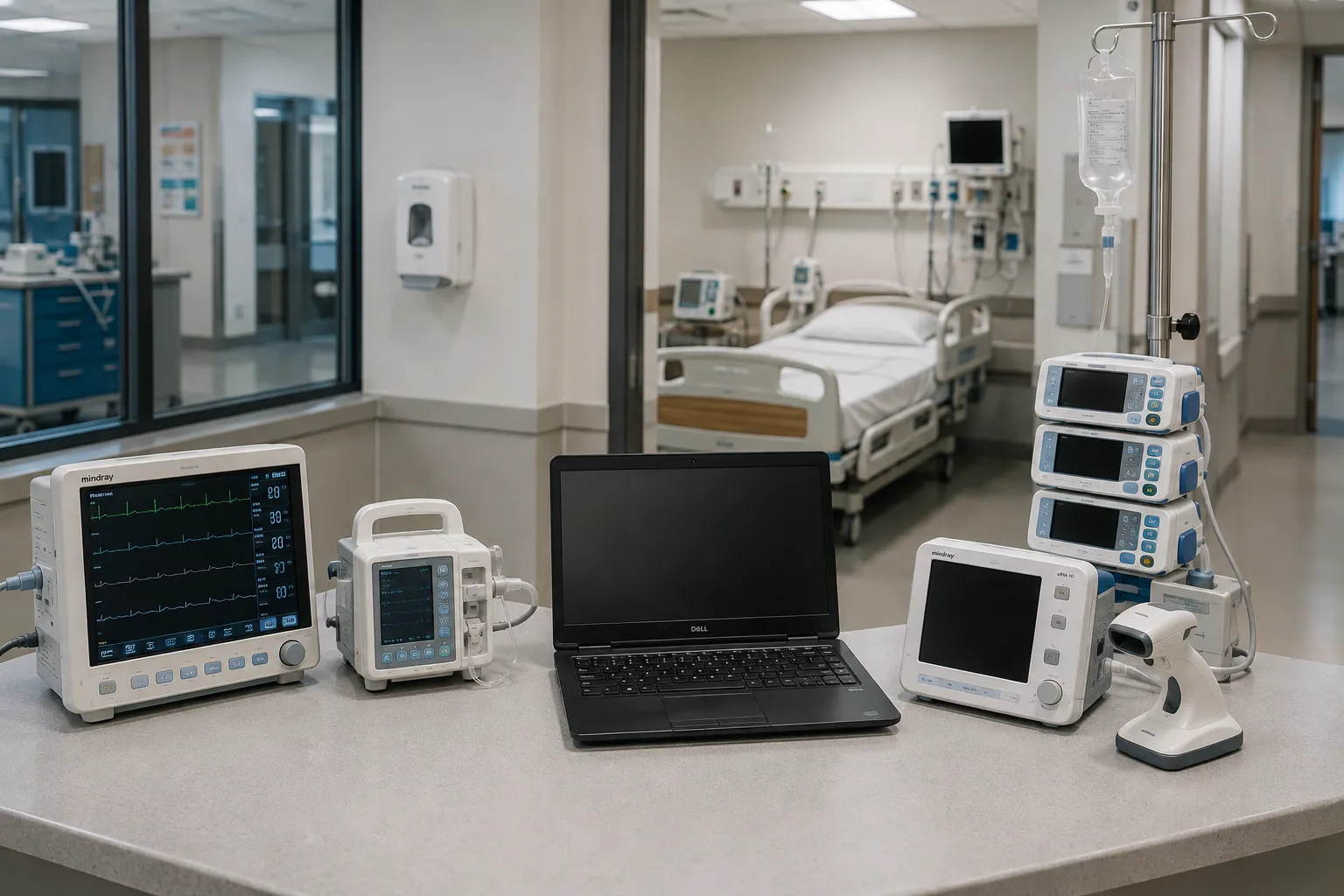
A clinical workflow is the sequence of steps a clinician follows to care for a patient — assess, decide, act, record, hand over. Technology that fits those steps helps; technology that fights them hinders, no matter how advanced it is. The real test of smart medical equipment is not what it can do in a demonstration but how well it slots into the rhythm of real clinical work. This article explains how smart equipment supports clinical workflows, and why fit matters more than features.
Fit is the whole game.
Clinical work has a rhythm, often under pressure, and staff have little patience for anything that breaks it. A device that saves a task but forces three new ones, or that demands attention at the wrong moment, will be resented and worked around. The best smart equipment does the opposite: it removes steps, surfaces information exactly when it is needed, and otherwise stays out of the way. This is why the NHS England guidance on medical devices and digital tools judges tools partly on how well they support real practice — because a tool that fights the workflow fails whatever its specification promises.
How smart equipment supports the workflow
-
Removes steps. Automatic recording and data flow take routine tasks off the clinician.
-
Times information well. The right data appears at the moment a decision is being made.
-
Eases handovers. A clear, current record makes passing care between staff safer and quicker.
-
Stays out of the way. It supports the work quietly rather than demanding attention.
Supporting decisions at the right moment
A workflow is really a chain of decisions, and good equipment supports each one by putting the right information in front of the clinician exactly when it matters. A connected monitor feeding a live early warning score, for instance, supports the decision of who to see next; the Royal College of Physicians' NEWS2 works best when connected devices keep it current within the flow of a shift rather than as a separate task. The aim is not to make decisions for the clinician but to make the information a decision needs effortless to have — support at the point of the workflow where it counts.
Fighting the workflow versus fitting it
|
Fights the workflow |
Fits the workflow |
|---|---|
|
Adds steps to the round |
Removes steps from it |
|
Information at the wrong time |
Information when it is needed |
|
Demands attention constantly |
Stays quietly in the background |
|
Worked around by staff |
Trusted and used by staff |
Designed around people, connected to the whole
Equipment that supports clinical workflows is designed around how people actually work and is connected so that what it captures follows the patient rather than stopping at a single device. When a reading taken in a workflow flows into the shared record, the next clinician in the chain inherits the picture instead of rebuilding it — the kind of continuity the aim of NHS England's connected digital systems makes possible. Fit and connection work together: fit gets the device used, and connection lets what it captures strengthen the whole chain of care rather than just one link
What to weigh before you buy
-
Does it fit the round? Test how the device behaves in real-world flow, not in a demo.
-
Does it remove or add steps? The savings have to be net for staff to embrace them.
-
Does information arrive well? The right data at the right moment is the point.
-
Does it connect onward? What it captures should follow the patient through the workflow.
The bottom line
Smart medical equipment supports clinical workflows when it fits the rhythm of real work — removing steps, timing information well, easing handovers and otherwise staying out of the way. Fit matters more than features, because a device that fights the workflow gets worked around however advanced it is, while one that fits gets trusted and used. Add connection, so that what the device captures follows the patient through the chain of care, and the equipment strengthens the whole workflow rather than just one moment of it. The best smart equipment is the equipment clinicians barely notice, because it simply makes their workflow.
More from Business
-
Buyers — source approved, well-documented equipment.
-
Suppliers — list your equipment and reach buyers worldwide.
-
Advertise — promote your products and services to a clinical audience.
-
Business overview — explore everything MediGear offers healthcare organisations.
Disclaimer
This article is for general information only and does not constitute clinical, procurement, regulatory, security or legal advice. Smart equipment, clinical workflows, and the standards and rules that govern them are evolving, and requirements vary by market and change over time. Cybersecurity and interoperability requirements should always be confirmed with the relevant authorities. Always consult qualified clinical, biomedical engineering, information governance and security professionals for decisions specific to your organisation. medigear.uk accepts no liability for actions taken based on this content.
Equip work that flows.
Genuine, approved, fully documented medical equipment — the reliable hardware a smart, connected hospital is built on, wherever you work.
Frequently Asked Questions
By fitting the rhythm of real clinical work. It removes routine steps through automatic recording and data flow, surfaces the right information at the moment a decision is made, eases handovers with a clear, up-to-date record, and otherwise stays out of the way. The best smart equipment works quietly rather than demanding attention.
Because a device that fights the workflow gets worked around, however advanced it is, while one that fits gets trusted and used. Clinical work has a rhythm, often under pressure, and staff have little patience for anything that breaks it. A tool that saves one task but forces three new ones fails in practice whatever its specification promises.
A workflow is a chain of decisions, and good equipment supports each by putting the right information in front of the clinician exactly when it matters — for exampl,e a connected monitor feeding a live early warning score to inform who to see next. The aim is not to make decisions for the clinician but to make the information a decision needs effortless to have.
Yes, if it fits poorly. Equipment that adds steps to the round, demands attention at the wrong moment, or delivers information at the wrong time will be resented and worked around. That is why a device should be tested in the real flow of work, not just a demonstration, before a hospital relies on it.
So that what it captures follows the patient rather than stopping at one device. When a readinn in a workflois enteredws into the shared record, the next clinician inherits the picturrather thanof rebuilding it. Fit gets the device used; connection lets what it captures strengthen the whole chain of care rather than one link of it.
Test how the device behaves in the real round rather than in a demo; check that it removes more steps than it adds so the savings are net; confirm that information arrives at the right moment; and make sure it connects onward so that what it captures follows the patient. Fit with real practice is the decisive test.