
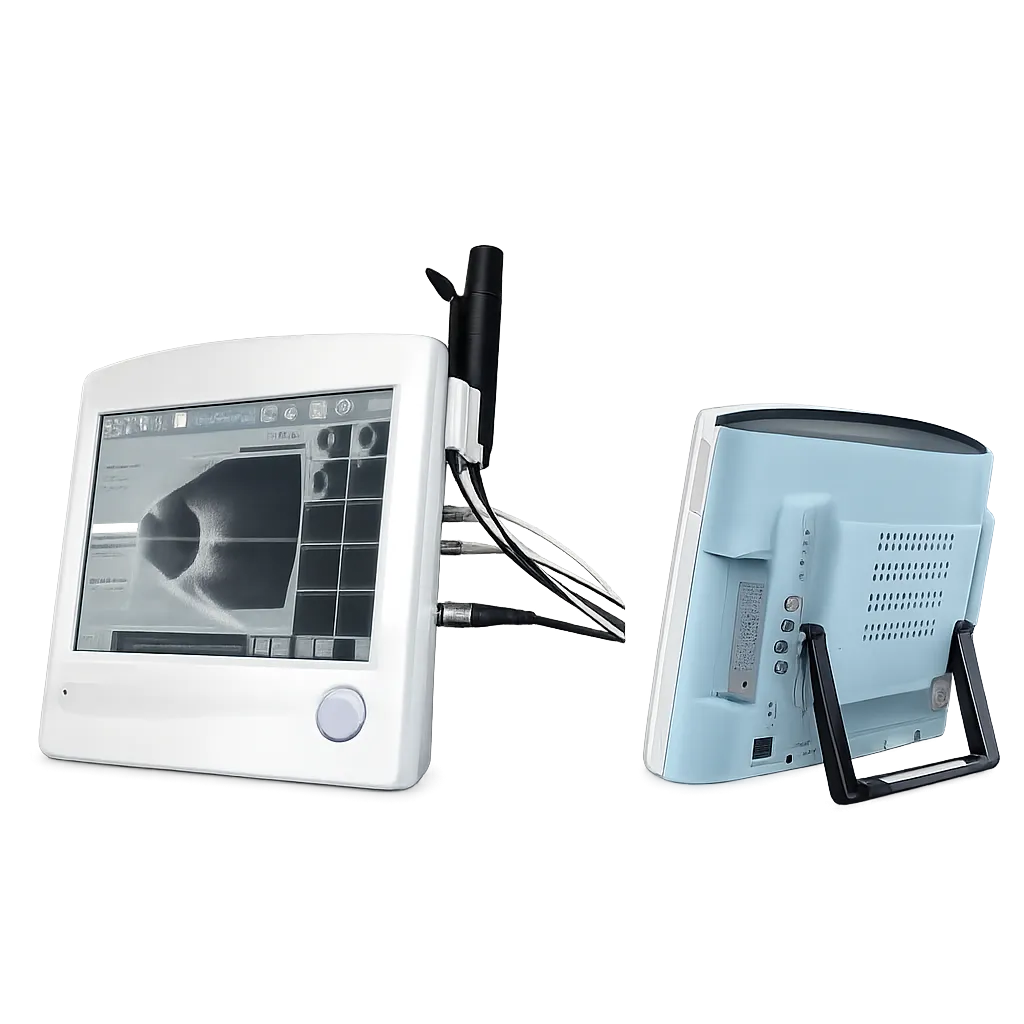
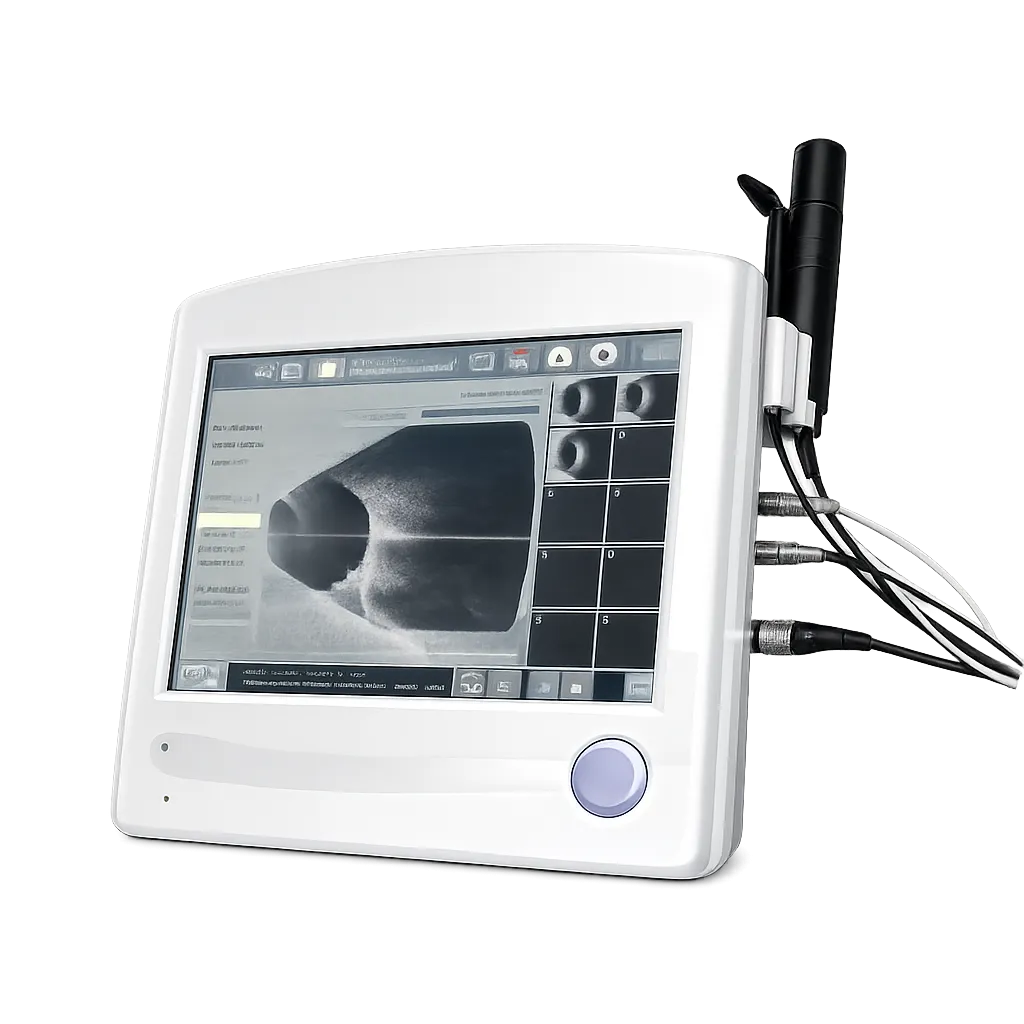
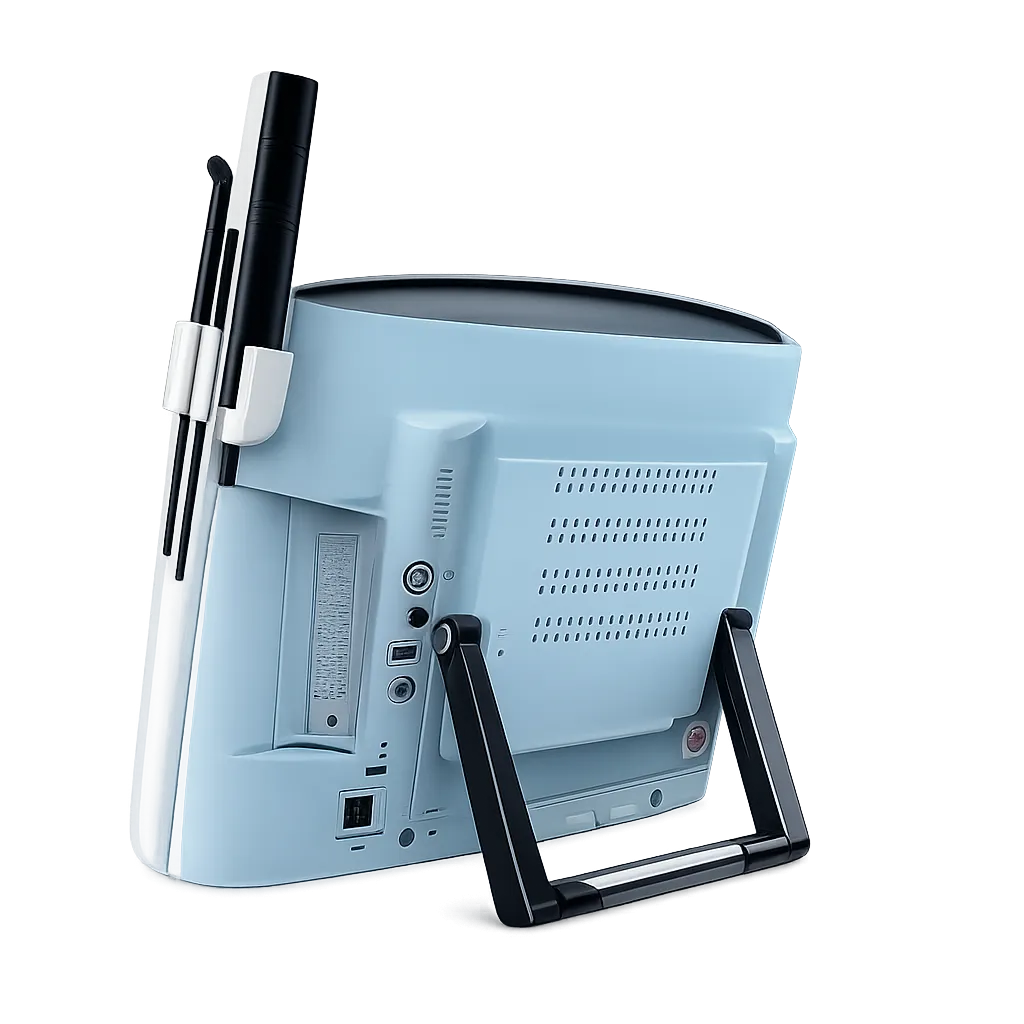
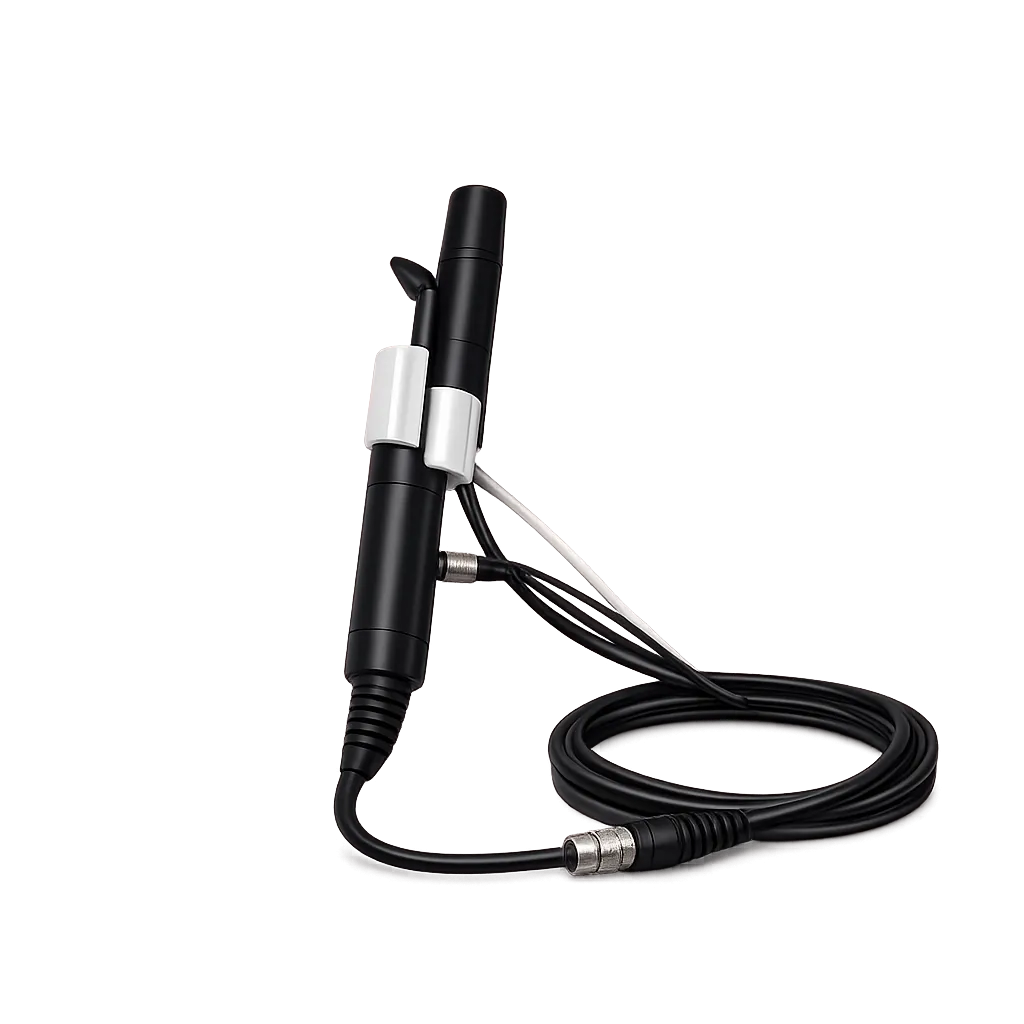
Glaucoma assessment involves the use of a pachymeter. Central corneal thickness affects how measured intraocular pressure should be interpreted, and a service assessing suspects without it is working from an uncorrected figure. At 20 MHz, over a 0.3-1.5 mm range with an accuracy of ≤0.01 mm, the pachymeter comfortably covers the clinical range. Medigear.uk confirms the pachymeter specification for the supplied build, as this is the modality that distinguishes the model.
Refractive surgery screening depends on the same measurement, since residual stromal bed calculation and candidate selection both rest on corneal thickness. Combining that with axial length biometry in a single instrument means the screening workup runs on a single device rather than across two. All interpretation and candidate assessment remain with the practitioner.
Cataract and IOL planning uses the A-scan side with comparison across formulae and standard deviation calculation. This is where the divergent published specifications matter most, since sources differ on measurement range, accuracy and the number of formulae provided. A surgical service should treat those figures as unconfirmed until Medigear.uk has obtained them for the specific build being quoted.
Ophthalmology clinics use B-scan when the fundus cannot be viewed directly, operating at 10 MHz to 60 MHz and achieving depths of 60 mm or greater across a 53-degree angle. WWhena post-gain function is fitted, a frozen acquisition can be reviewed across gain levels without rescanning, which shortens contact time with anxious or paediatric patients and reduces the number of repeat sweeps arequired for difficult examination Medigear.uk confirms whether that function is present on the build supplied