
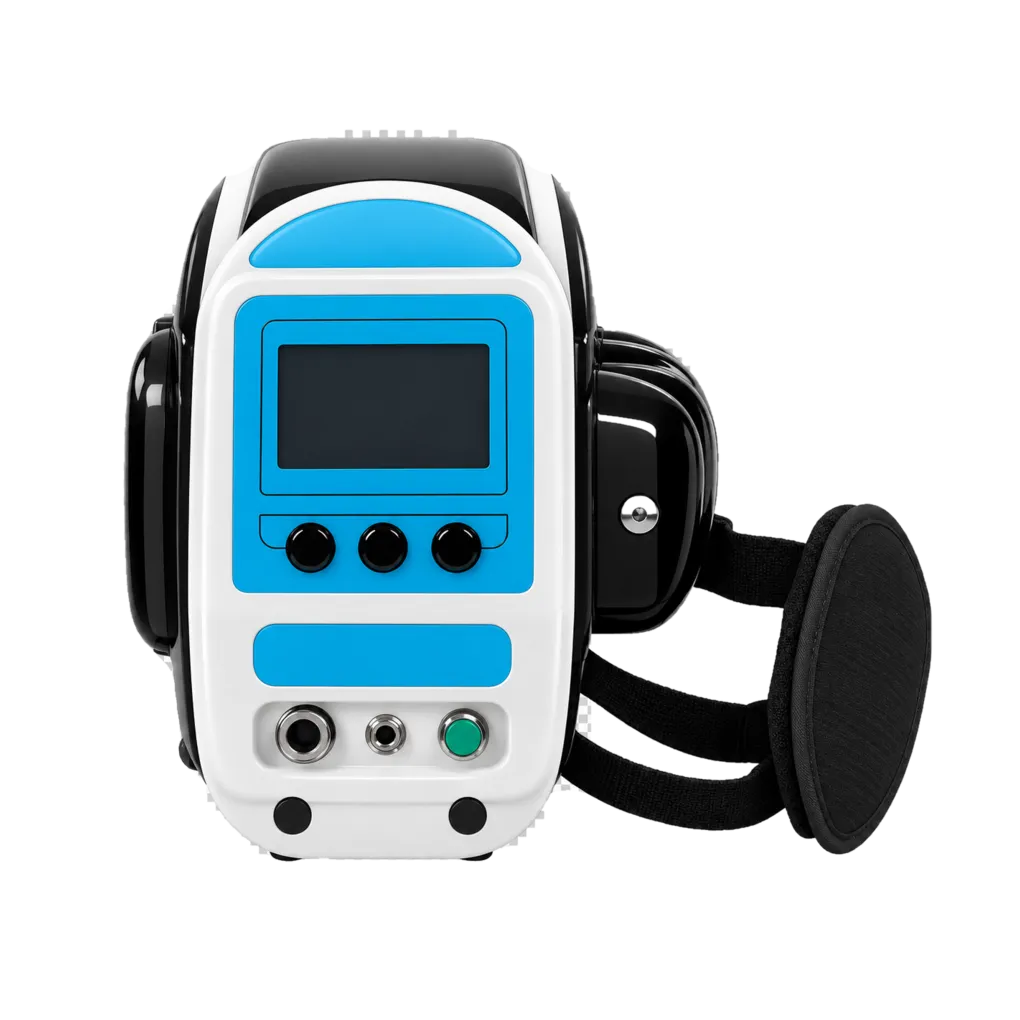
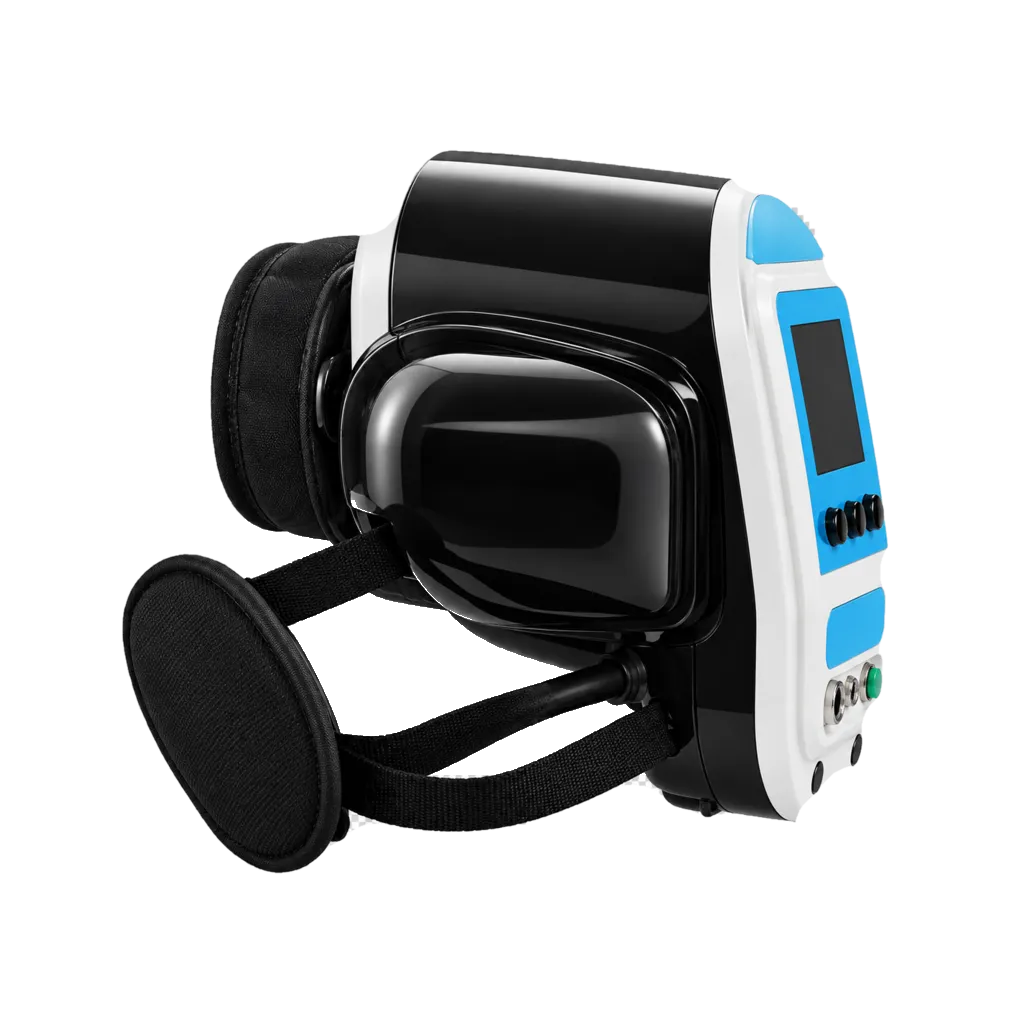
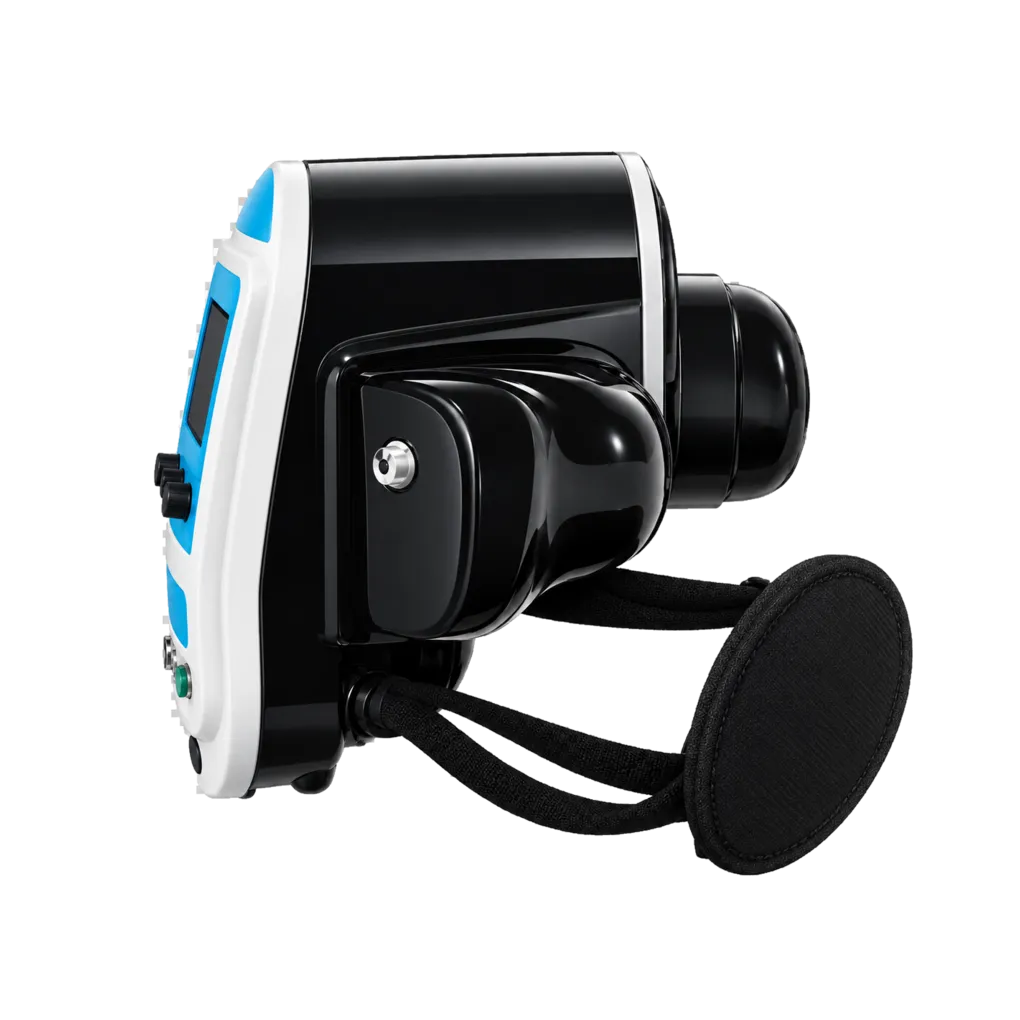
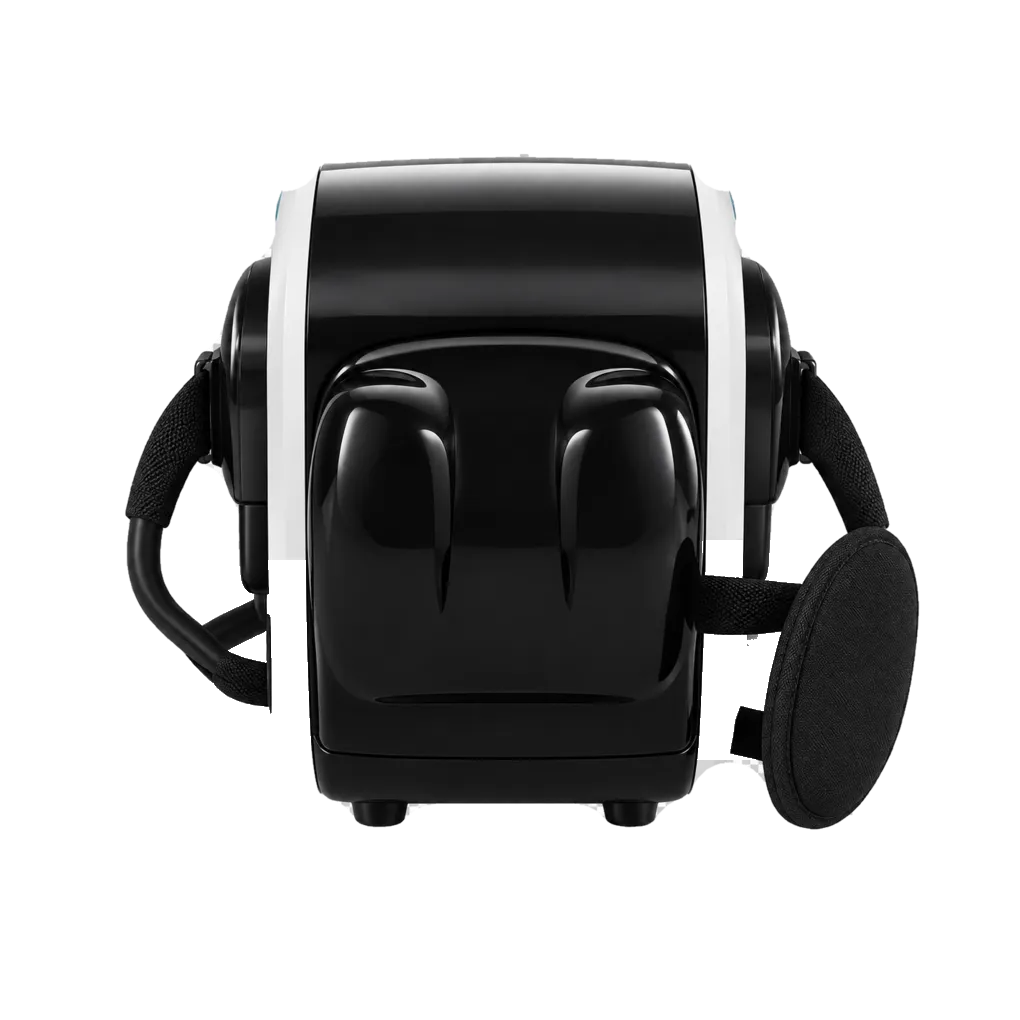
Intraoral radiography carries the diagnostic load in UK general dentistry, and the SJD-C21 is configured for that daily volume. It supports bitewing caries detection, periapical assessment of pathology, endodontic working-length and obturation verification, alveolar bone-level review, and root morphology assessment ahead of extraction, with 30 × 40 mm film among the compatible media alongside digital sensors.
Operation at 70 kV produces a long greyscale, which suits views where crestal bone, root surface and restorative material must be read from a single image — periodontal review and restorative margin assessment both draw on that. It also reaches a given receptor density in a shorter exposure.
The installation picture requires work before any clinical benefit is realised. The published focus-skin distance corresponds to the lower kilovoltage band while the tube is specified in the higher one, and the published field diameter exceeds what UK guidance permits at the skin. Both are procurement questions that determine whether the unit can be commissioned in its supplied configuration.
The included remote release is a genuine working advantage for practices taking a high daily volume, since operator dose falls with distance and a remote trigger gives the operator a real choice of standing position — exercised within the arrangement their Radiation Protection Adviser has assessed.
Community dental services and special care teams need equipment one clinician can carry. At 2.5 kg, the unit travels, with off-site radiation protection arrangements agreed with the RPA in advance.
Guidance from the College of General Dentistry and UKHSA Dental X-ray Protection Services remains the reference point that UK practices work to, alongside HSE enforcement of IRR17.