
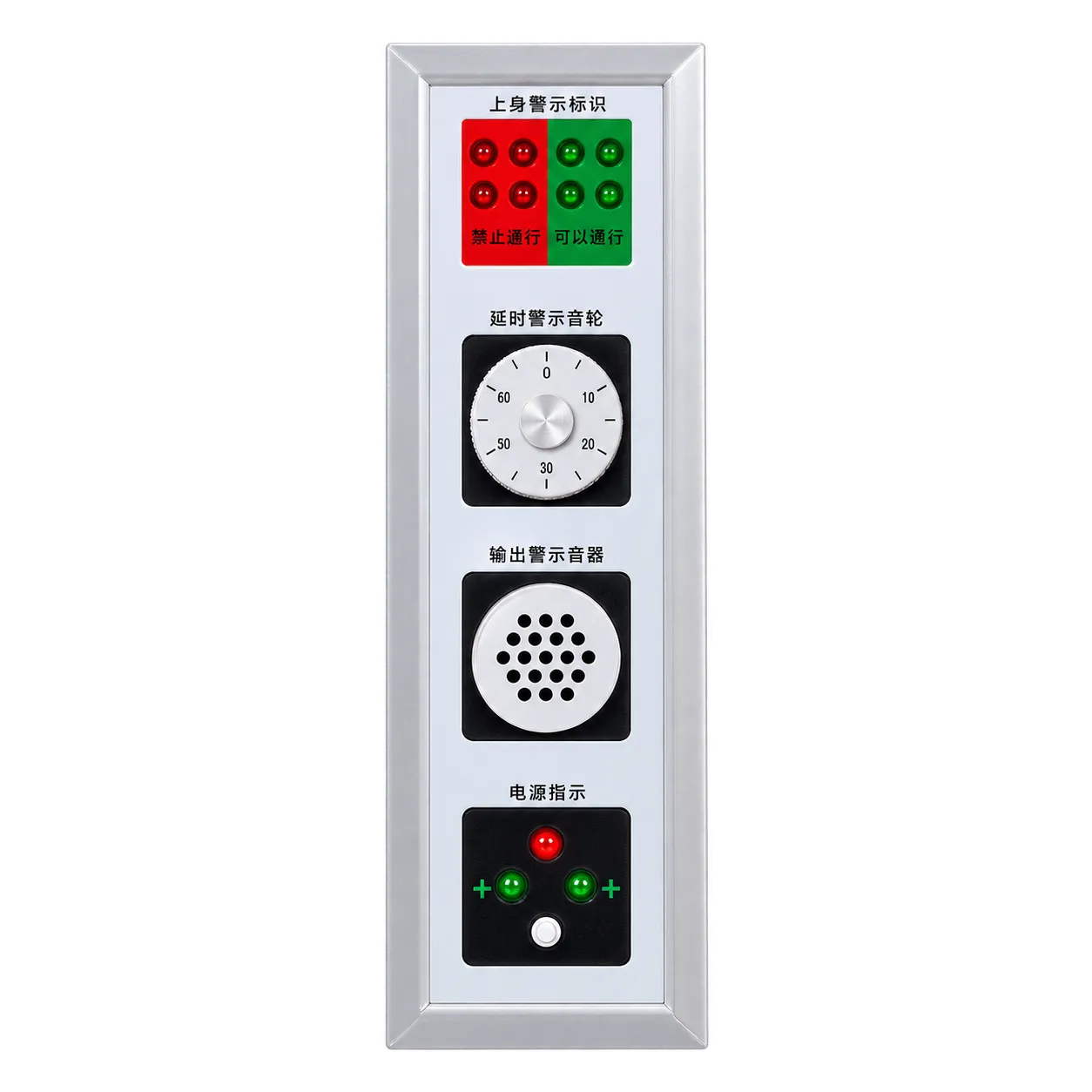
Practices that audit their own equipment against standards have the clearest reason to choose this model. Visual acuity measurement depends on chart luminance, and the international standards governing it specify a range for the chart surface — a chart too dim reads worse than it should, and one too bright introduces glare and pupillary constriction that degrade the result differently. A practice with a documented quality system, or one whose acuity data feeds into occupational certification or audit, needs to be able to state that its chart operates within the specified range. It cannot do that with an instrument that publishes no figure at all, which describes most illuminated wall charts including the rest of this range.
Occupational health and certification work follows directly. Where an acuity result carries consequences — a licence, an employment decision, a fitness assessment — the defensibility of the measurement matters, and part of that defensibility is being able to show the chart was presented at an appropriate luminance.
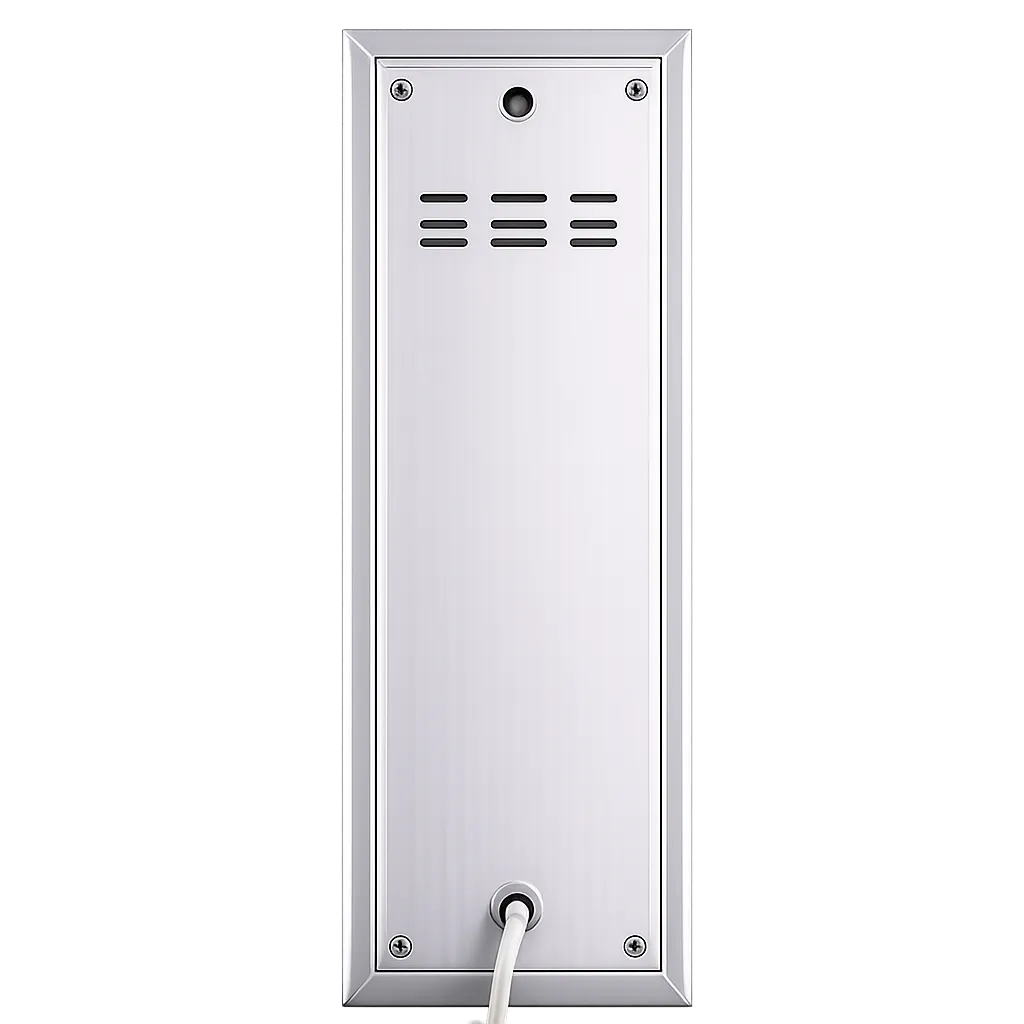
General screening positions gain the practical benefits: universal 100–240V input covering UK mains without adaptation, an aluminium alloy body with the LED array enclosed, and four faces covering ring, directional, multi-panel and paediatric optotypes.
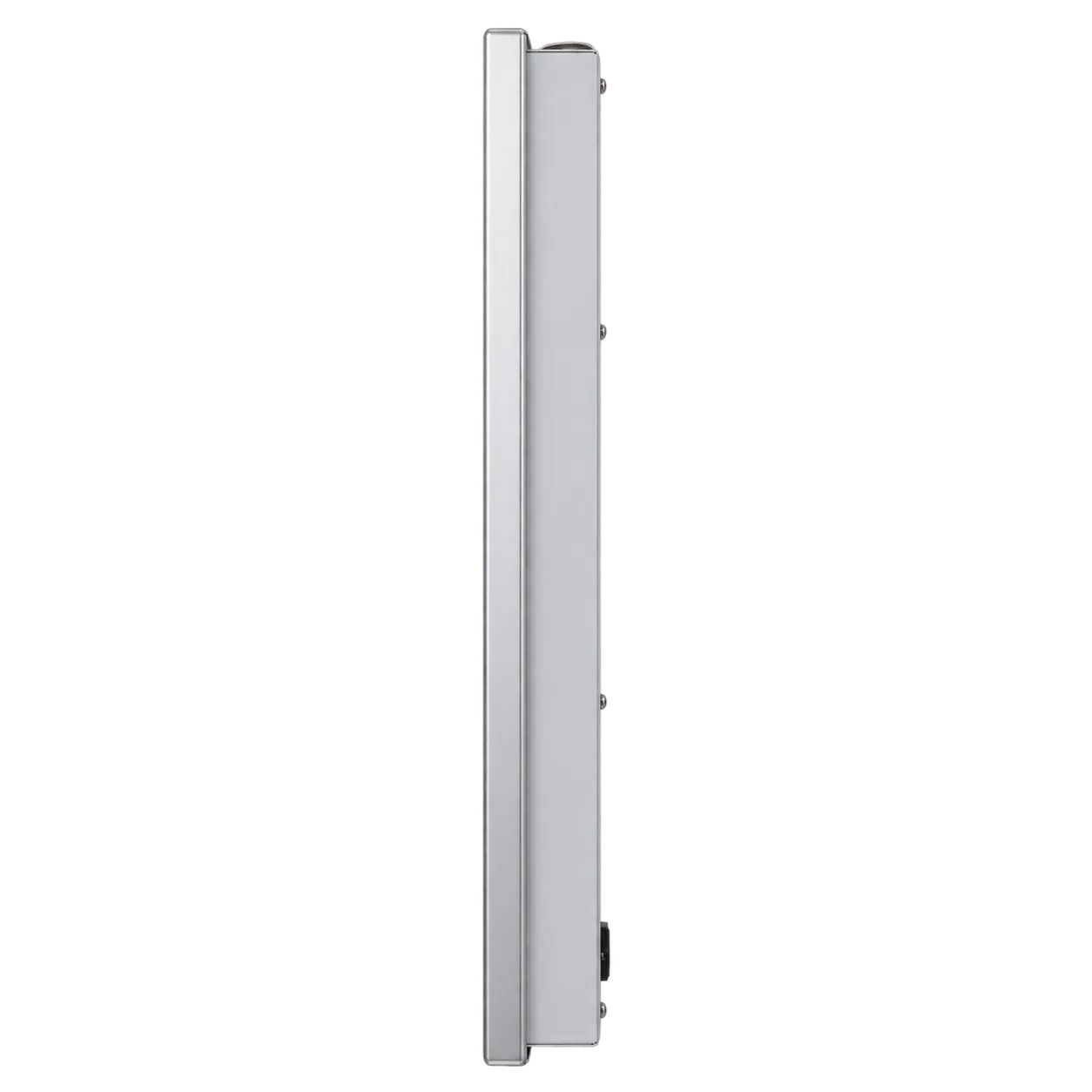
Three matters need settling before ordering, and the first determines how much the headline specification is actually worth. Whether 80–350 cd/m² denotes an adjustable range, a manufacturing tolerance or variation across the face is not stated, and those are materially different instruments. Second, the international standard claimed is not named. Third, the 250 mm depth figure is far greater than comparable charts and should be verified before a mounting position is planned.