
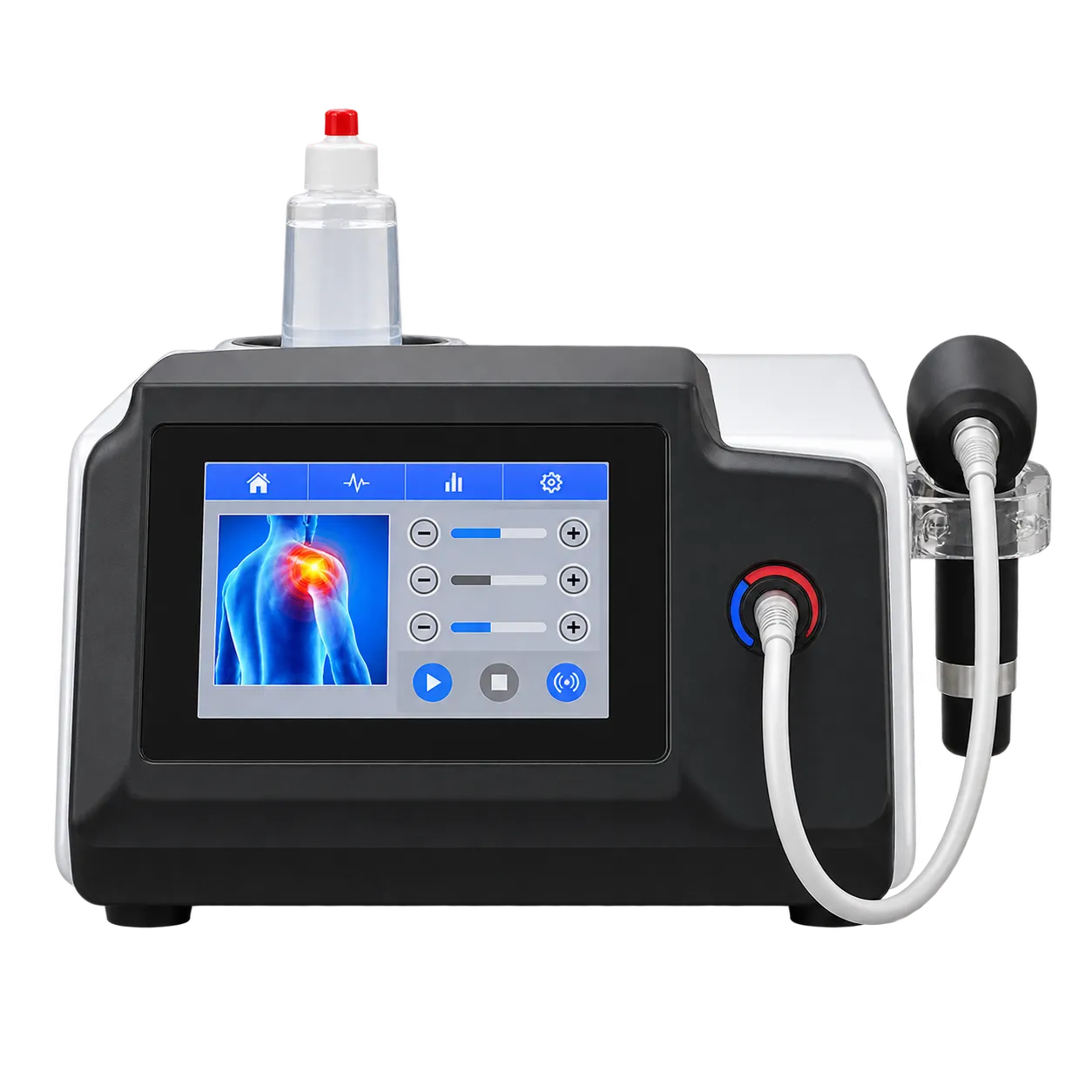
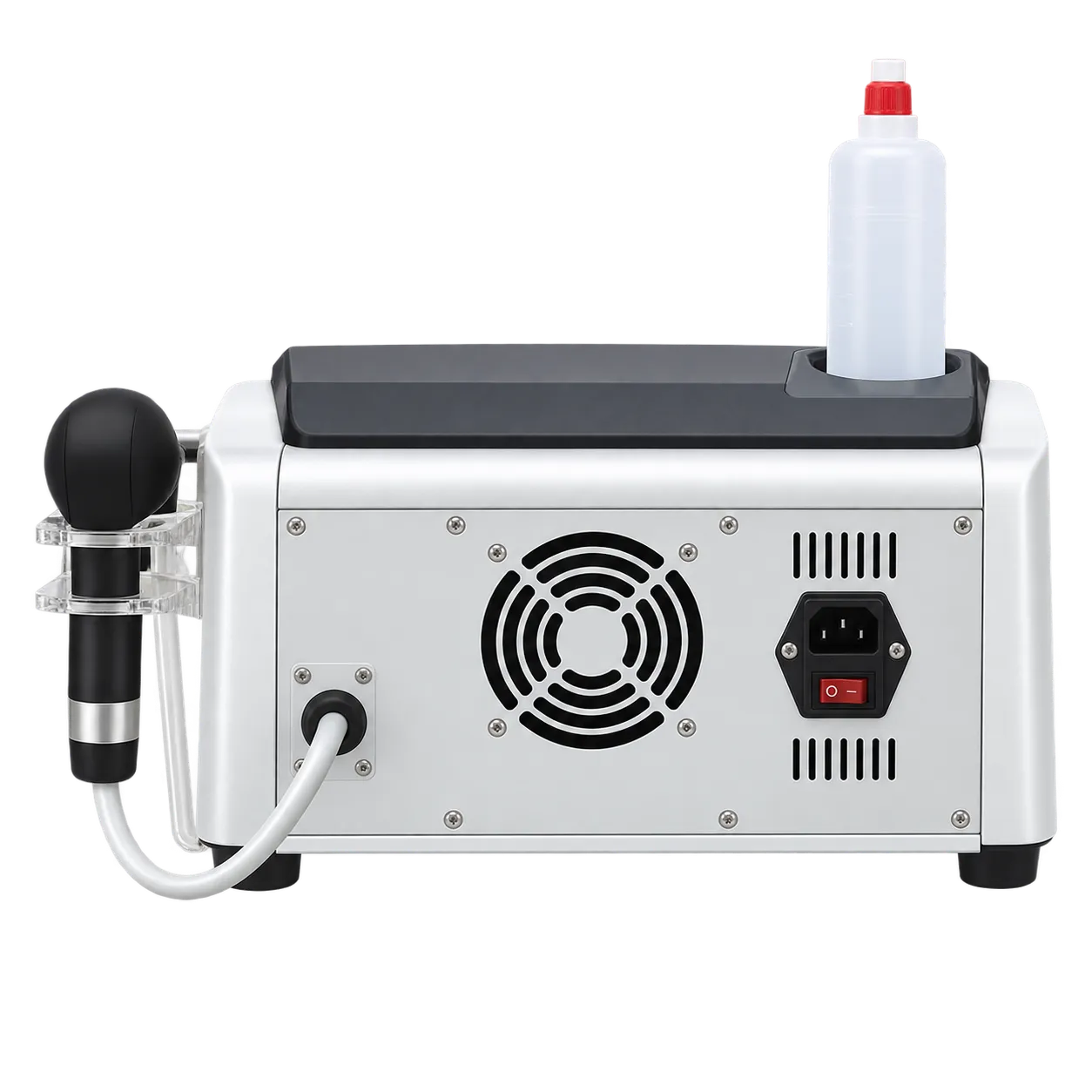
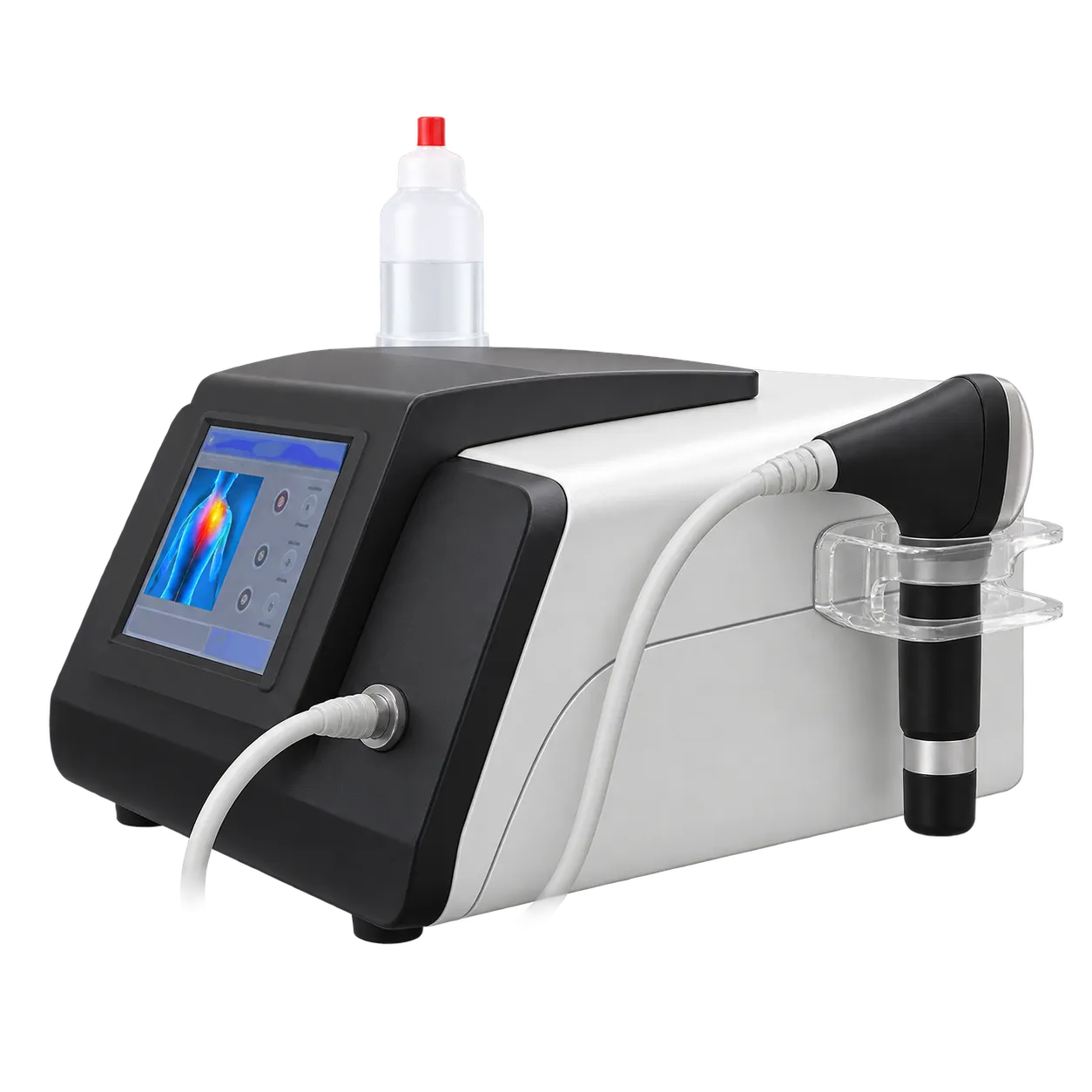
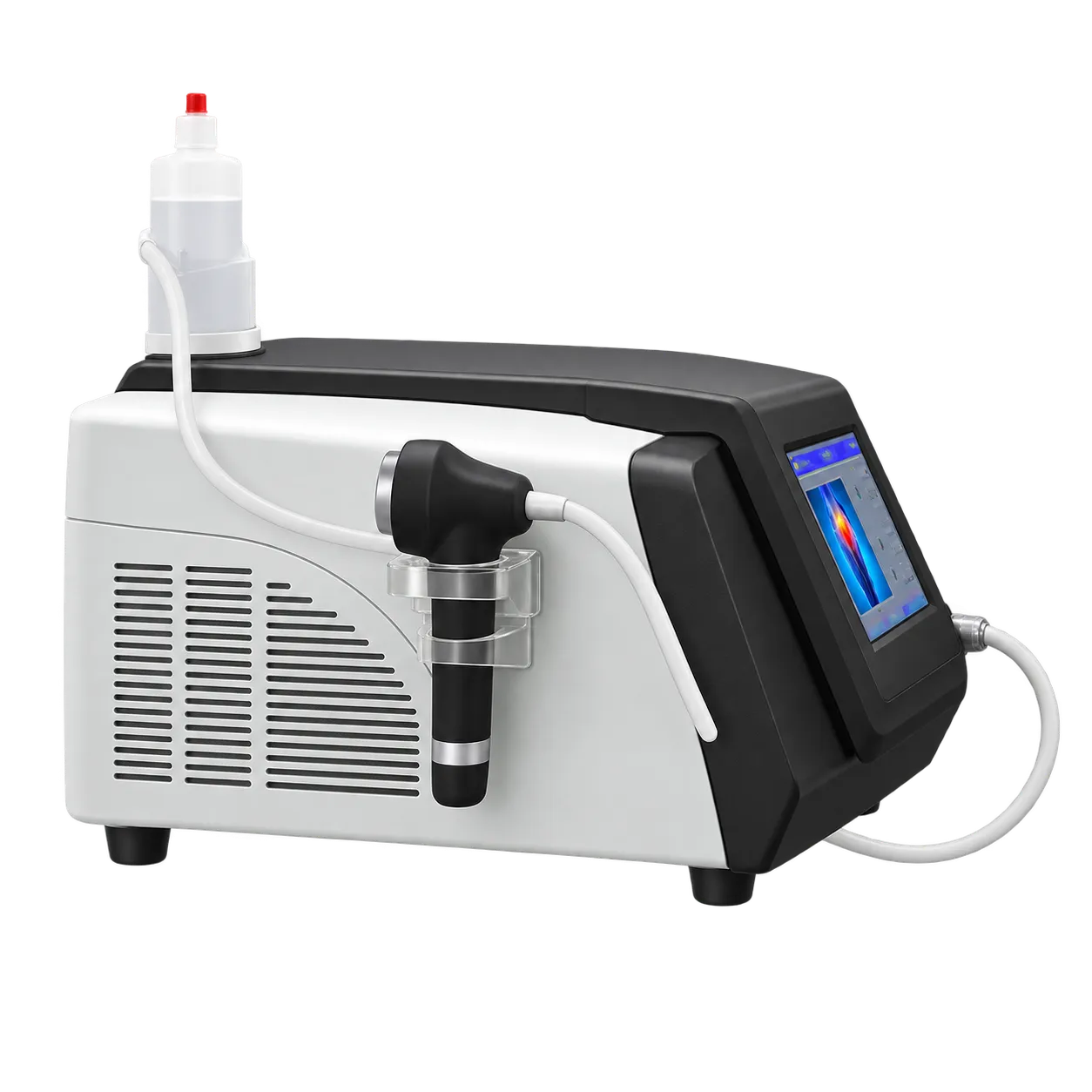
Breadth of caseload is what justifies this specification. A practice seeing a slim ankle at nine and a heavily built thigh at eleven needs both ends of the range in the same afternoon, and that is precisely what twenty-four increments and nine heads are for. Narrow caseloads do not need either.
The regions themselves are unremarkable: feet, elbows, tendons at the knee and ankle, the lateral hip and the shoulder girdle, with myofascial trigger point work filling the gaps between them. The wider probe set helps a clinician match the head to the region rather than treating everything with one transmitter and varying only the numbers.
None of that helps without protocol governance. Fifty thousand available combinations turn into fifty thousand ways to be inconsistent once three practitioners share one machine. Four decisions fix it: an agreed opening level per region, a rule for how far to progress, a stop point tied to what the patient agreed at consent, and a session record capturing all four variables, including the head.
Room siting deserves a thought too. Radial handpieces are percussive,e and the sound travels, so a unit working all afternoon beside a consulting room will be noticed. Where partitions are thin, site it furthest from quiet space.
Outcome measurement should sit beside that record. A baseline and discharge measure per patient turns a course of treatment into evidence the service can review, and it is what makes an audit defensible if a complaint or an insurer query arrives.
Purchasing tends to split by size. Sole practitioners and small partnerships order directly. Larger providers involve procurement and a governance lead who will want the paperwork before the invoice. Either way, the manufacturer issues the conformity documentation, and the seller passes it on.