
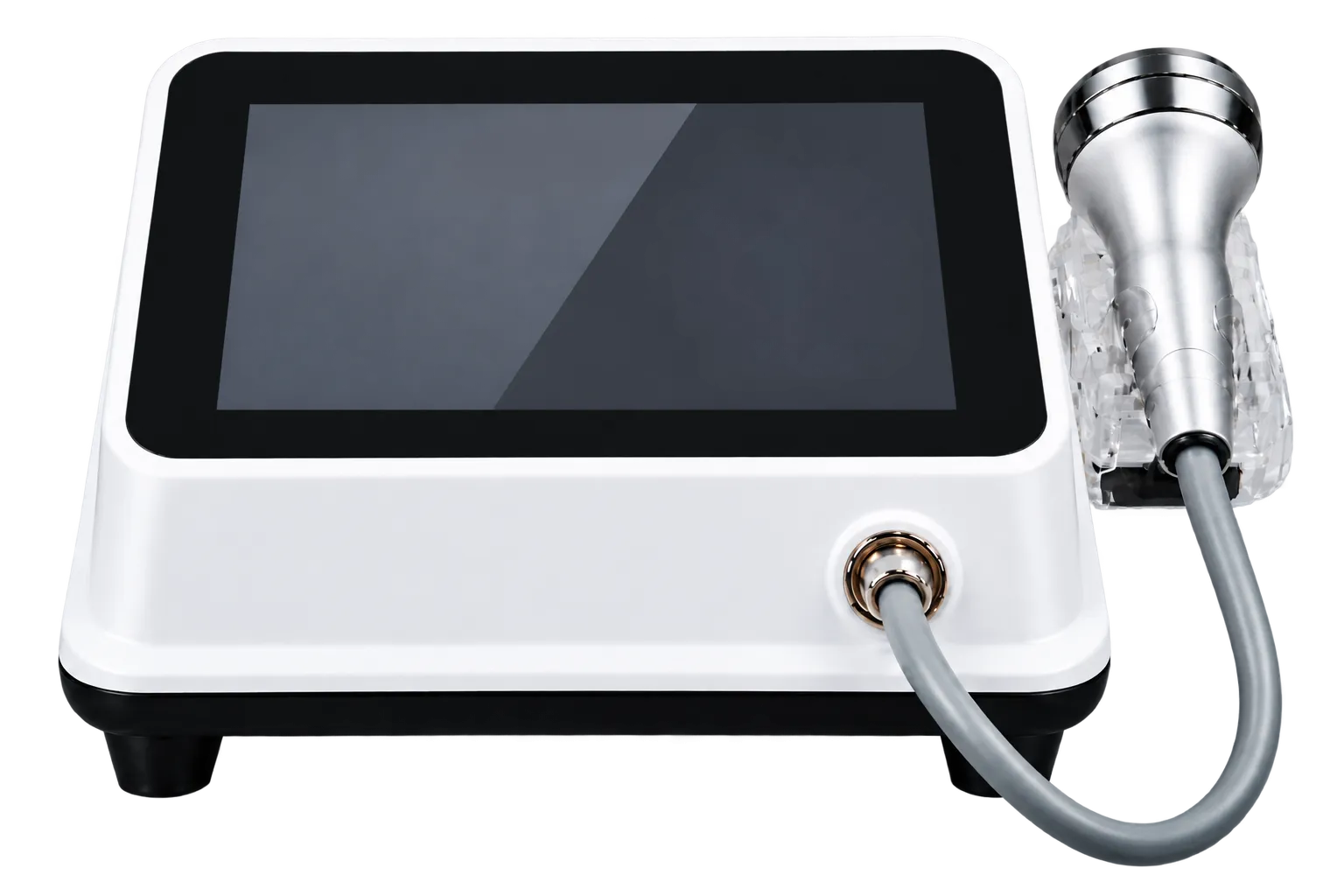
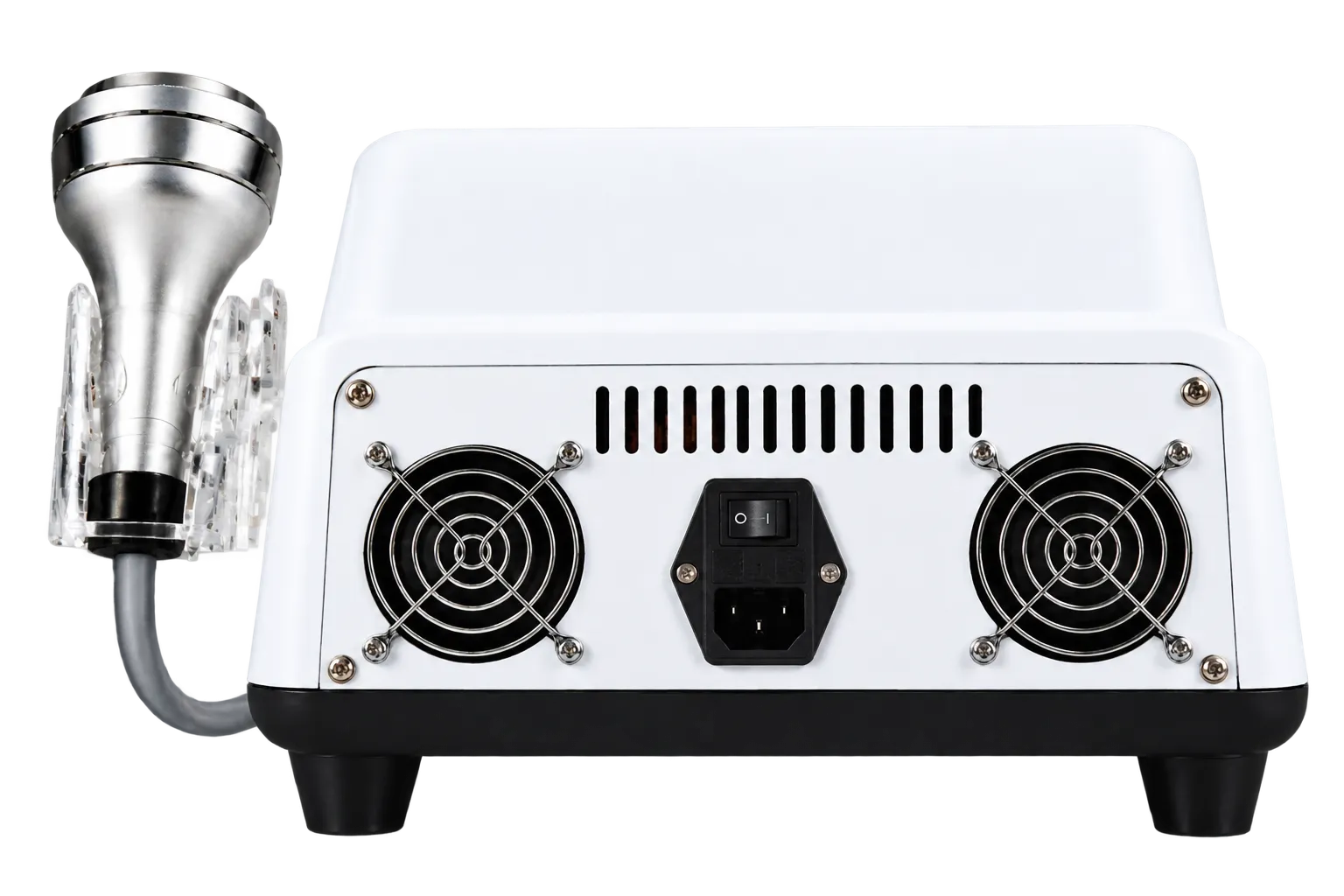
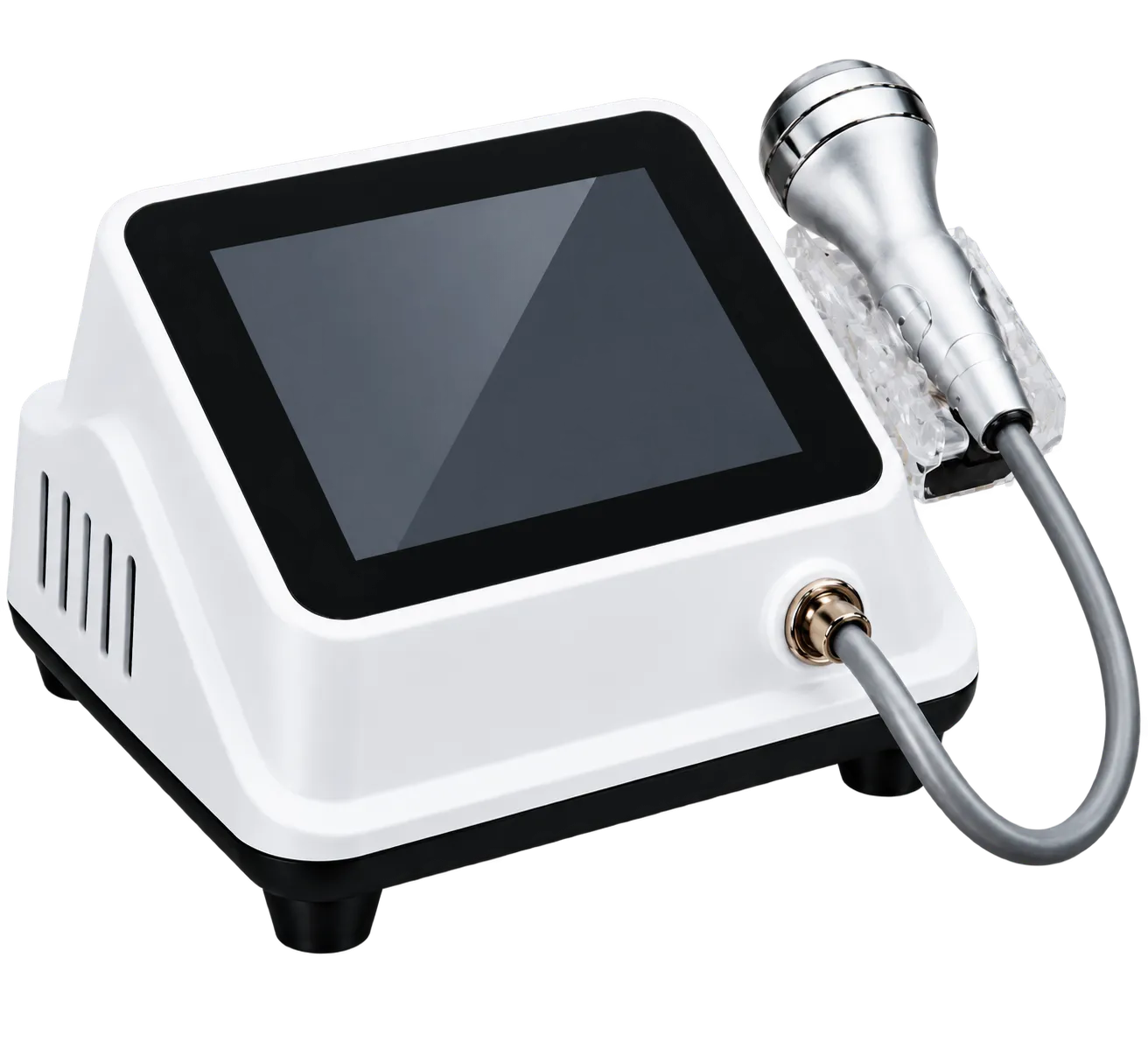
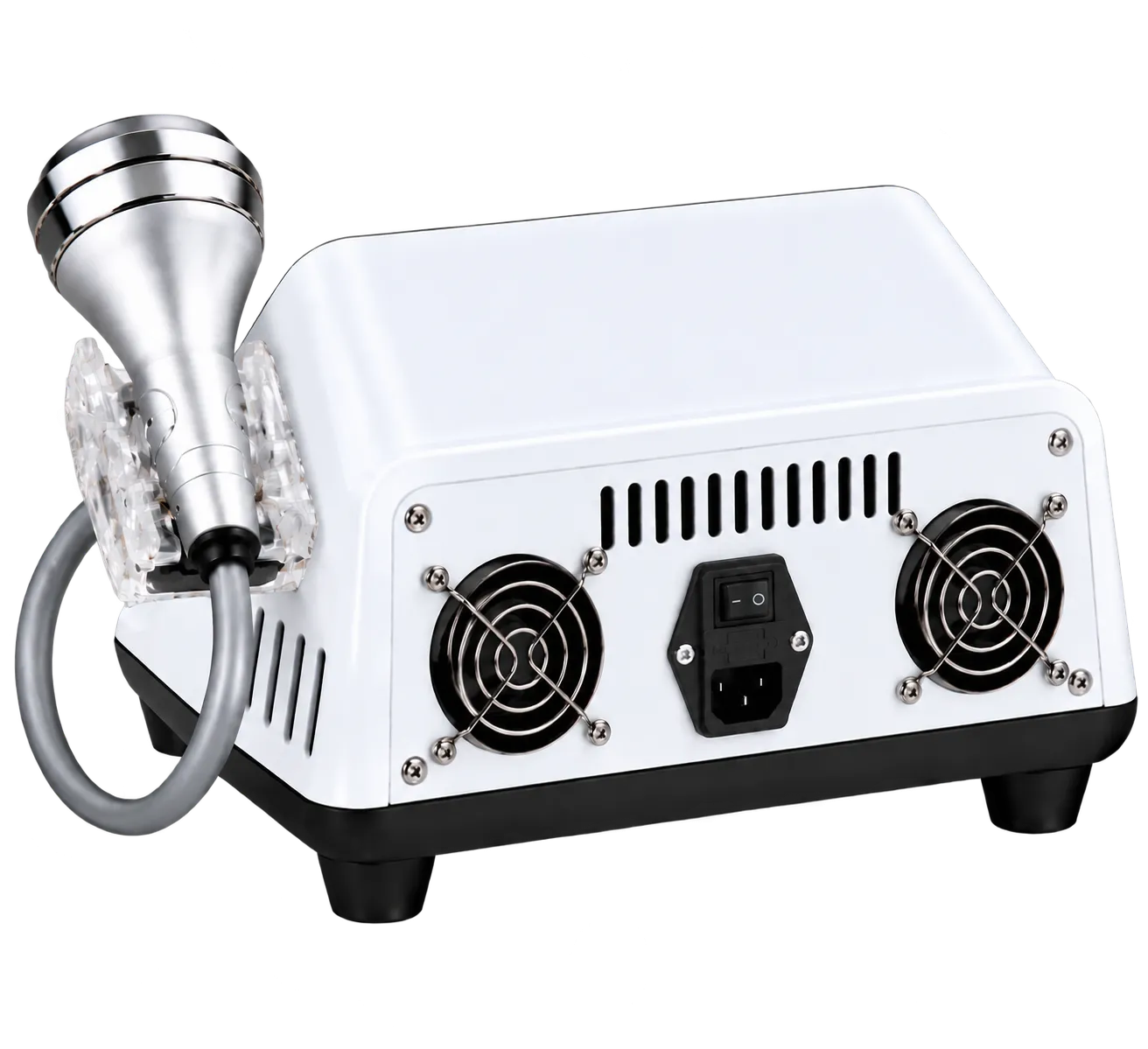
Musculoskeletal physiotherapy services that want more than one wavelength in a single console are the intended audience for a unit like this. Tendon, muscle and soft-tissue complaints are a common focus of high-intensity laser research, and two-wavelength 810 and 980 nm protocols already appear in published and registered trials for heel and nerve-root pain.
The practical gain depends on how the service writes its protocols. A team that names the wavelength or blend for each condition, and records it at every visit, can audit whether one choice performs better than another in its own caseload. Leaving the choice to individual clinicians makes the three options harder to evaluate.
Clinics that already run other lasers should treat eyewear as the first task. A set covering 810 to 1064 nm protects against every listed wavelength on this console, but it may not suit other units, so store and label each set with the laser it belongs to.
Osteoarthritis falls outside the unit's use, in line with NICE's guideline for that condition. Cosmetic work, including hair removal, where triple-wavelength lasers are widely used, is outside what the datasheet describes.
Before first use, each site must appoint a Laser Protection Adviser and Supervisor and put in place local rules covering wavelength selection, trained authorised users, and a controlled room. CQC registration in England depends on the treatment and who provides it, and certain local authorities keep their own laser licensing. Welsh clinics that operate Class 3B or 4 equipment come under Healthcare Inspectorate Wales, and Scottish and Northern Irish arrangements differ again.
Private clinics usually order directly, and NHS bodies put each new laser through local safety and device approval before use. The conformity documentation those procurement routes require is issued by the manufacturer and provided by the seller.