
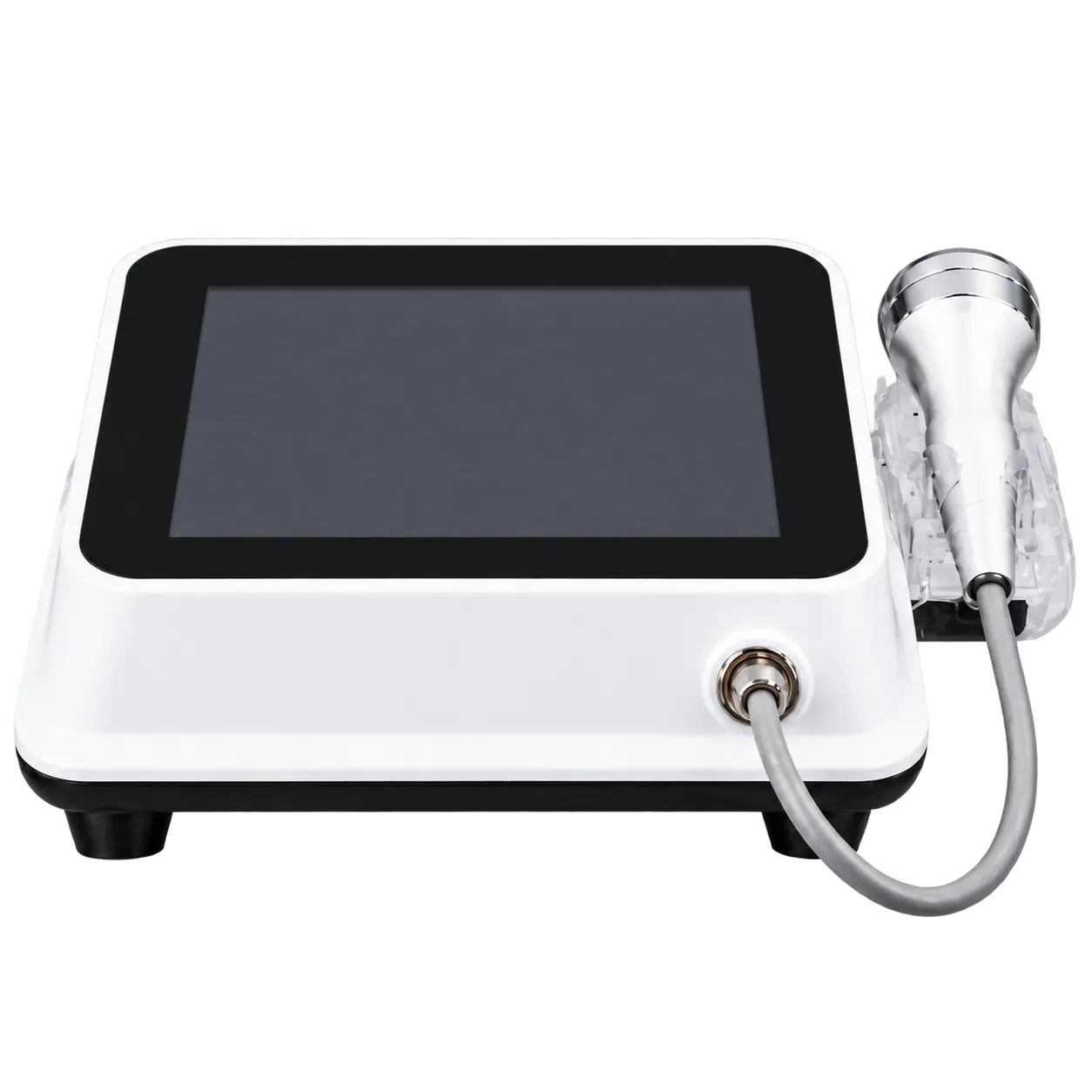
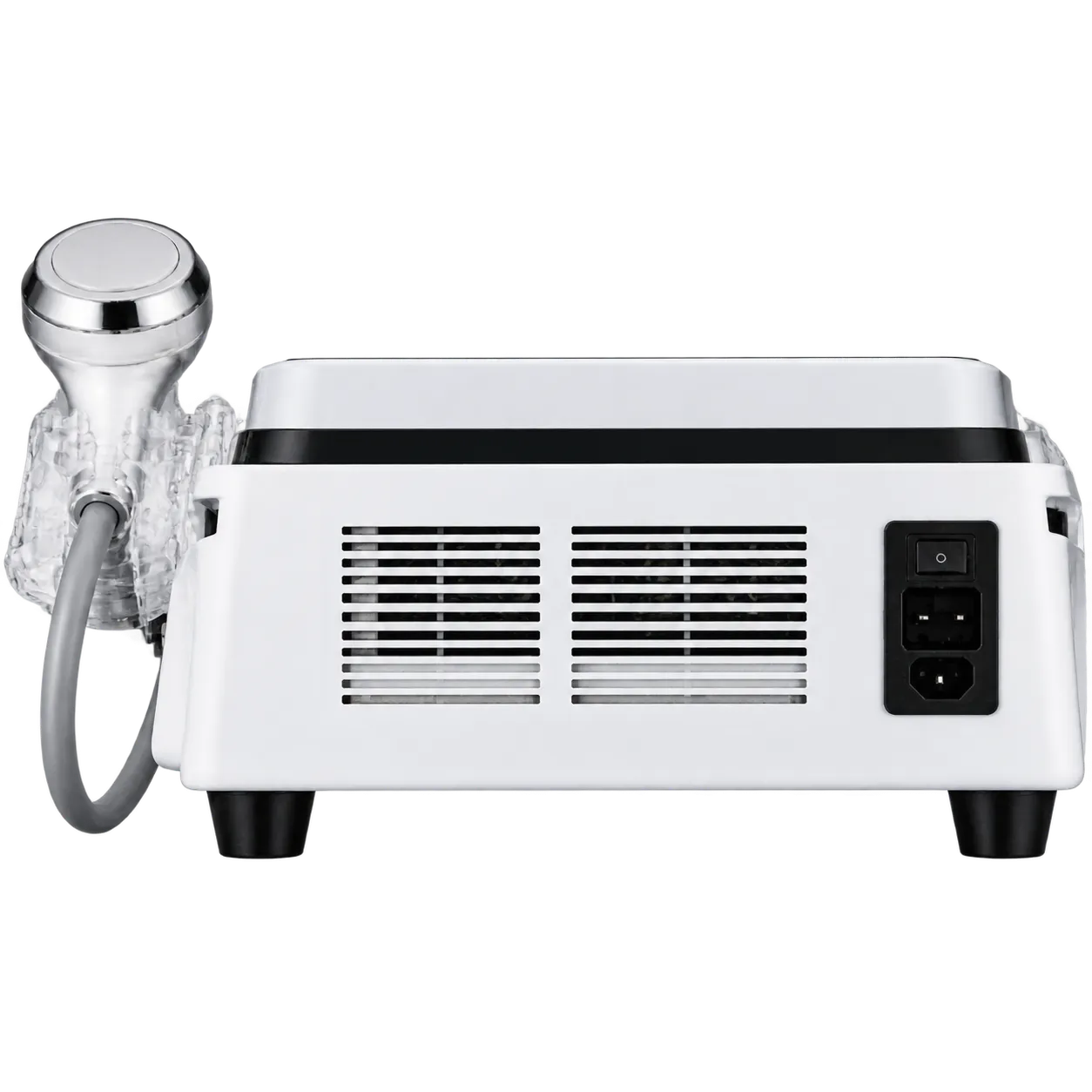
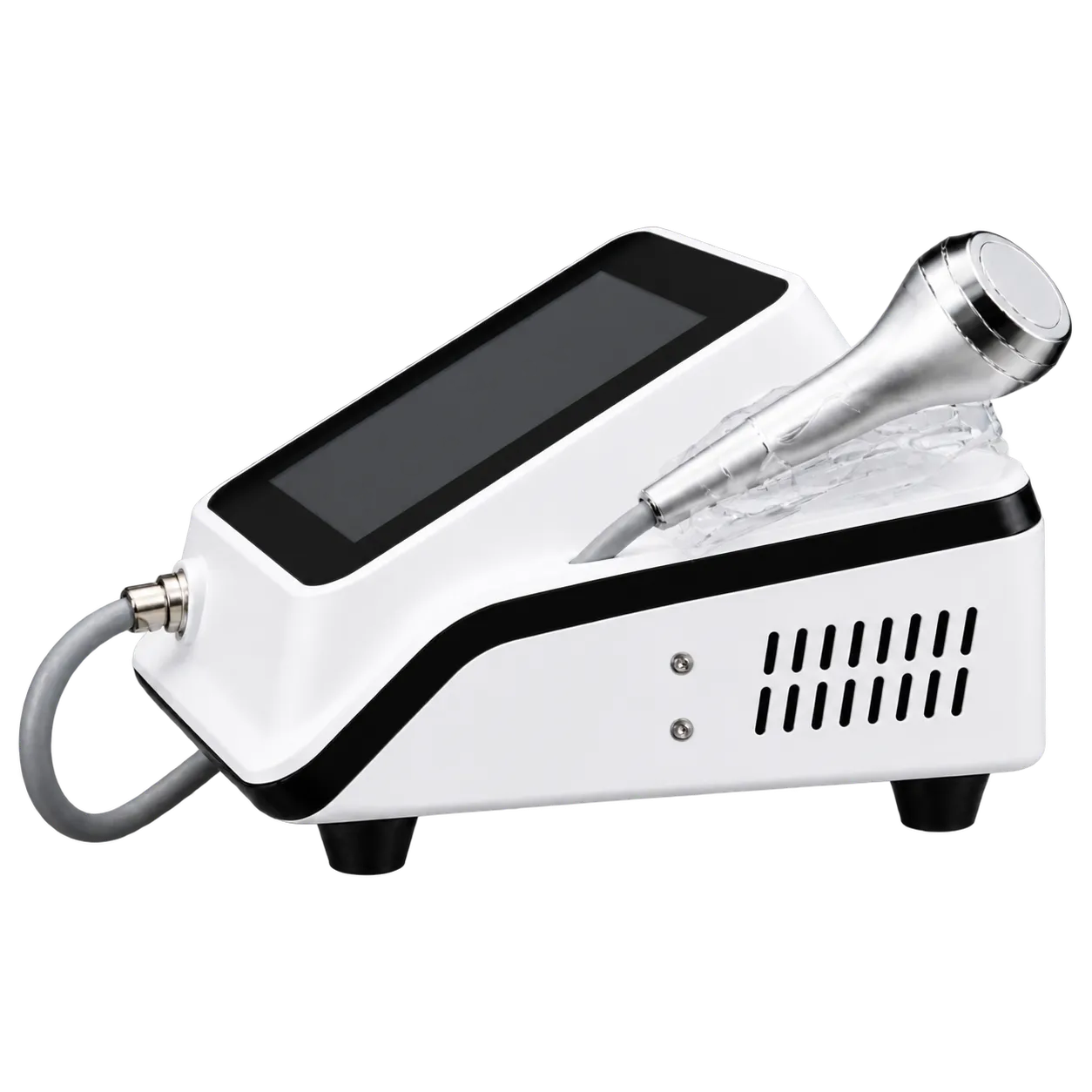
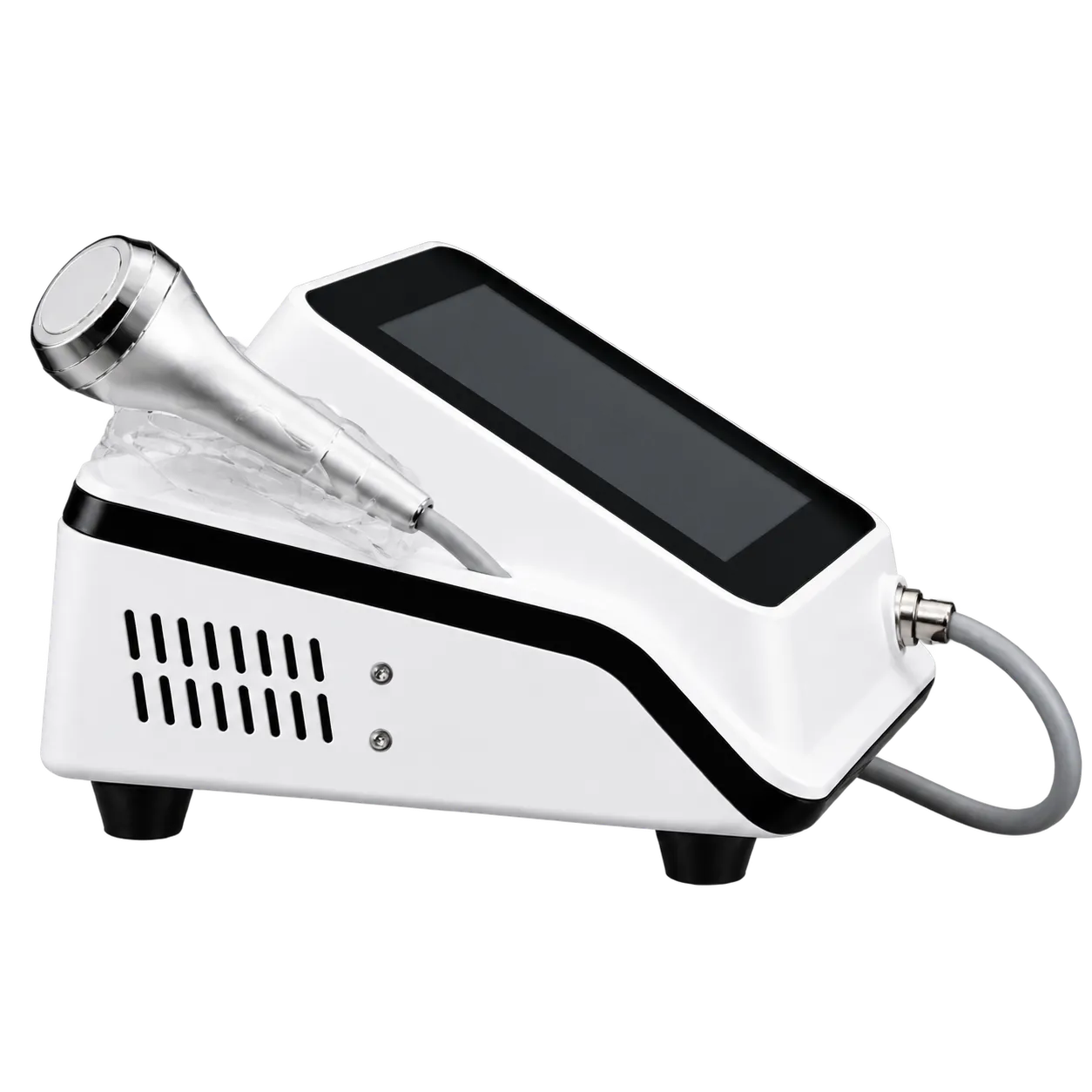
Musculoskeletal outpatient services with a steady shoulder list are a natural fit. Trials of high-intensity laser include frozen shoulder, where an umbrella review found some of the largest pain effects, and trial registers include hemiplegic shoulder pain after stroke. Low back pain and tendon problems run through the same body of research, and laser is normally one part of an exercise-led programme.
Busy clinics gain most from the time arithmetic. Once the seller confirms the output figure, a service can set appointment lengths based on the dose each protocol calls for, then keep a written record of pulse width, rate, and exposure time for audit.
Private sports and rehabilitation clinics that already hold laser safety arrangements can add the console to an existing adviser contract, with the local rules updated to name LA31-30W. Services starting from scratch need that framework first: a Laser Protection Adviser, a supervisor, a controlled room, trained users and 980 nm protective eyewear.
Osteoarthritis stays outside the caseload, because NICE's 2022 guideline on the condition tells services not to offer laser therapy for it.
Registration follows the treatment in England, so clinics whose healthcare professionals carry out the regulated activity of treating disease, disorder or injury normally register with CQC, and some councils license laser premises beyond that scope. In Wales, clinics with Class 3B or 4 lasers register with Healthcare Inspectorate Wales, and the other nations apply their own rules.
Independent clinics tend to buy direct, and NHS organisations take new lasers through their laser safety policies and device management checks. The conformity documentation those procurement routes require is issued by the manufacturer and provided by the seller.