
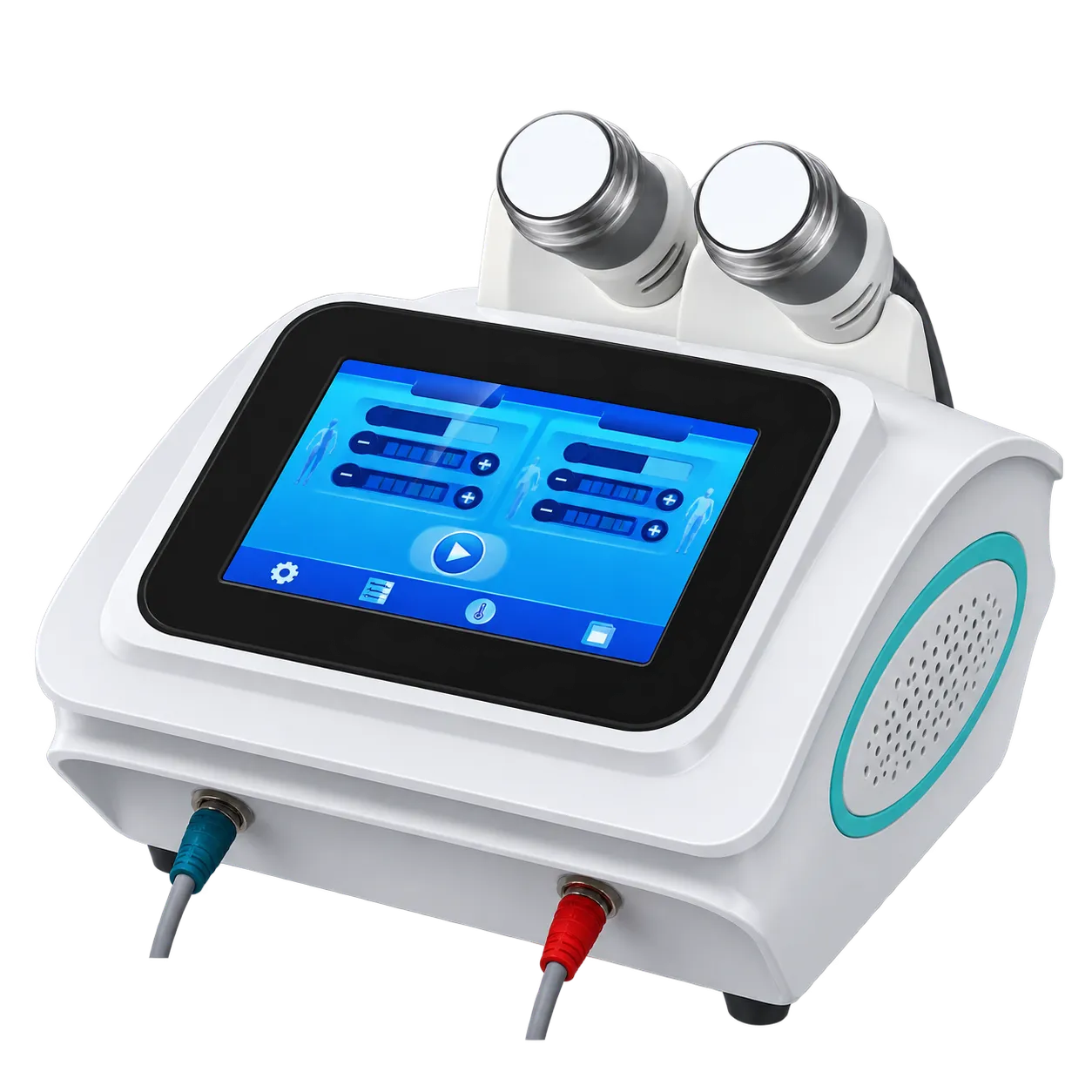
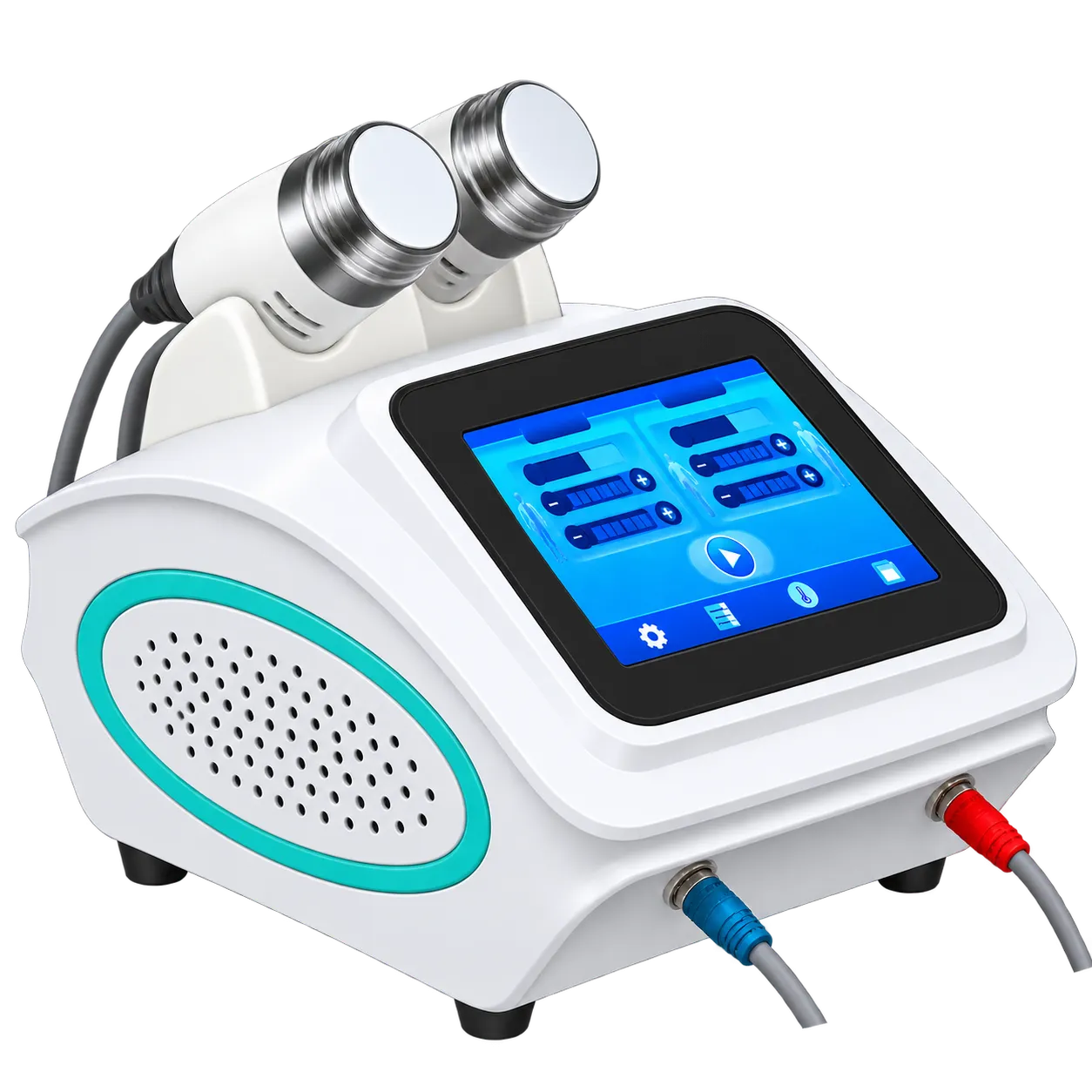
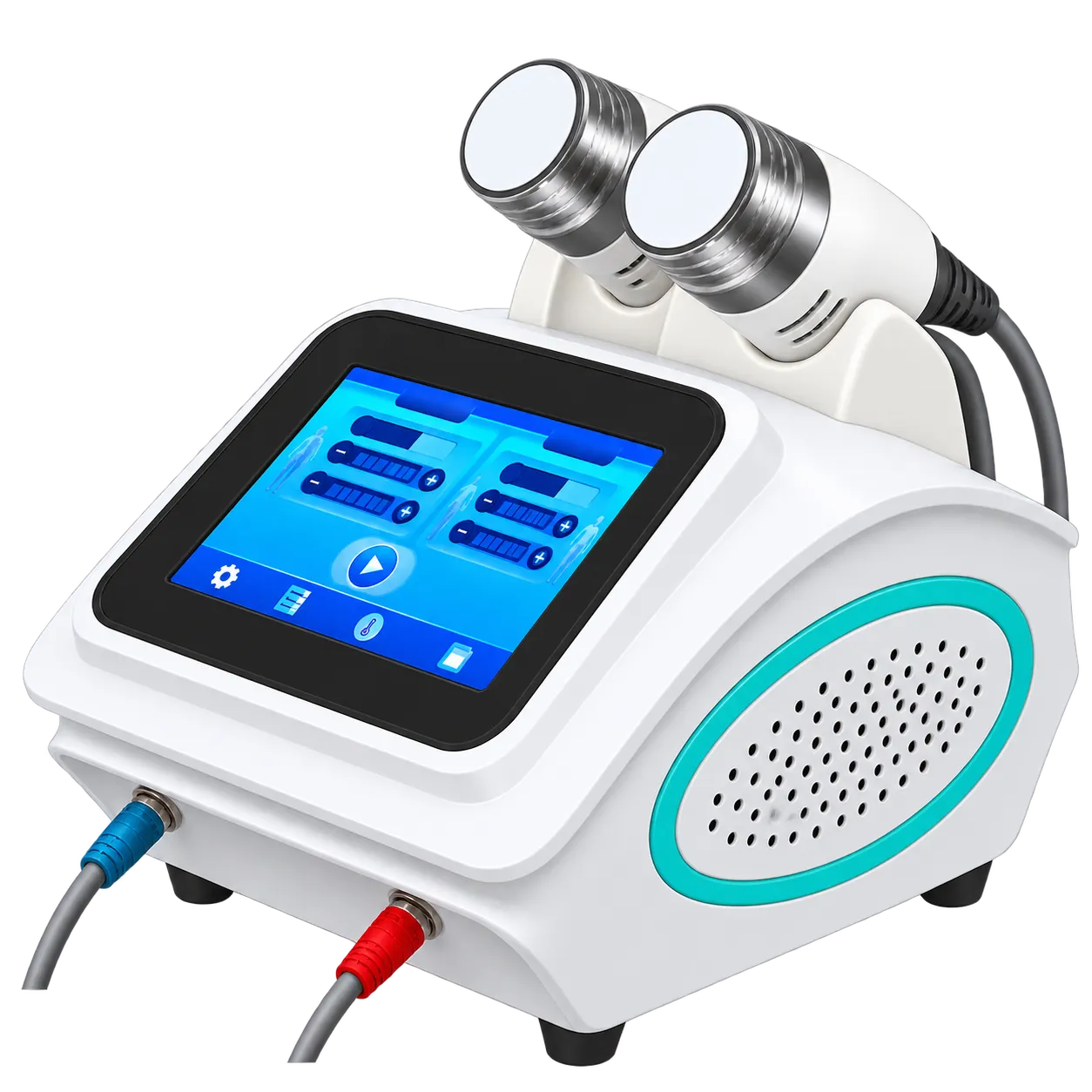
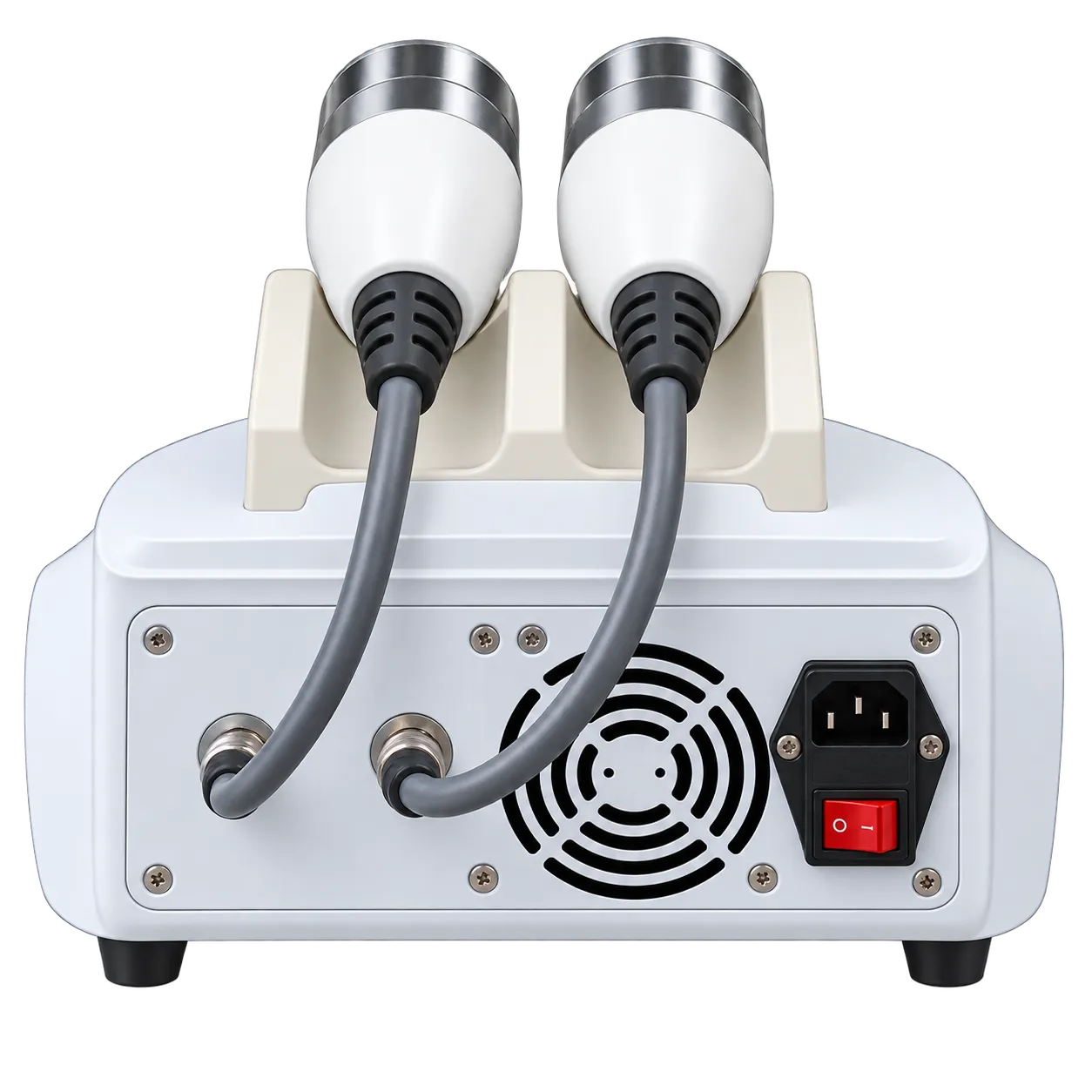
In a therapy room, this console sits while a therapist works through a full list. Physiotherapy departments, rehabilitation units, sports and soft tissue clinics, and podiatry rooms all run appointments where the modality changes case by case, and an eight-inch screen on a 3.5-kilogram body means it goes to whichever room has a free couch rather than the couch coming to it.
What it can treat is settled by physics rather than preference. At three megahertz, the energy is absorbed within the first centimetre or two of tissue, which puts superficial tendon and muscle, myofascial trigger points, shallow calcific deposits, and scar tissue within its reach, and anything deeper outside it. No amount of adjustment to the console changes that boundary.
The harder decision is which of those presentations a service will actually offer it for. Guidance in the UK advises against ultrasound in low back pain and sciatica, and against it in osteoarthritis, where therapeutic exercise is named as the core treatment instead. A rotator cuff tendinopathy guideline published in 2025 reaches the same conclusion. Together, those account for much of what arrives at a musculoskeletal door, so the indication list should be written down before the console is switched on rather than worked out afterwards.
Procurement follows familiar paths. Trust musculoskeletal services, private clinics, podiatry groups and teaching institutions each work to their own rules, and a device in Class IIa or IIb passes clinical governance as well as finance. Conformity paperwork moves from the manufacturer to the buyer through the seller. Any adverse incident goes to the MHRA through the Yellow Card scheme.