
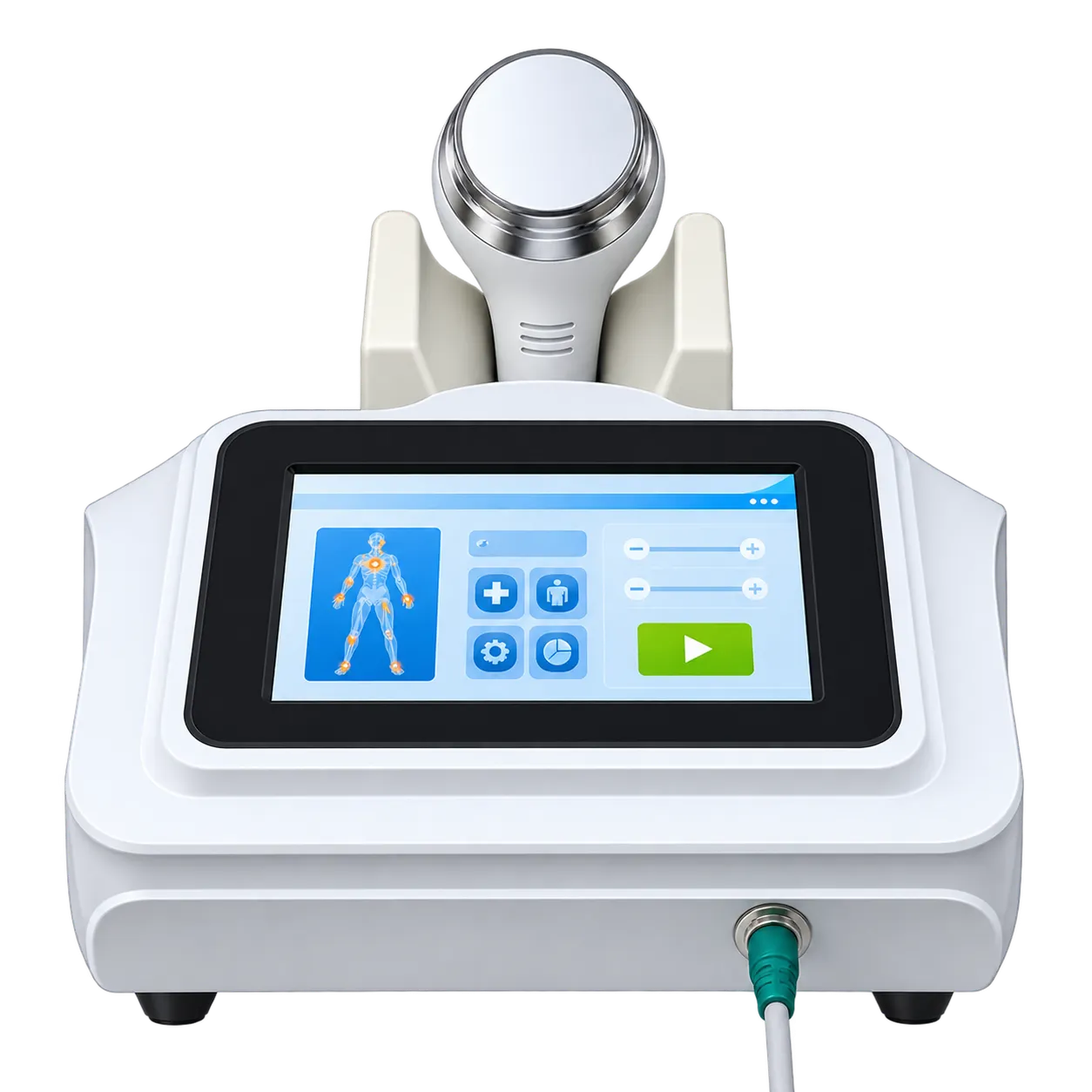
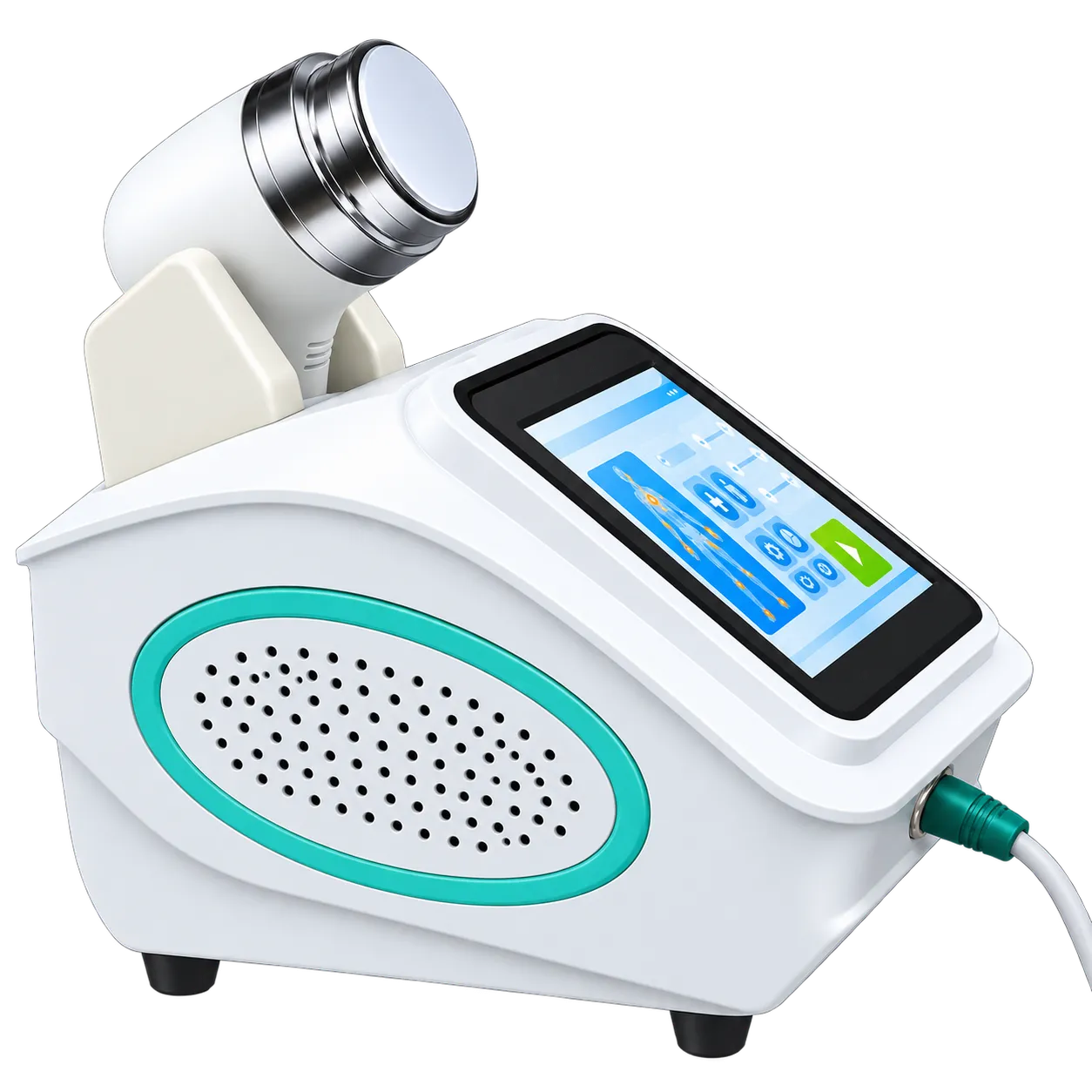
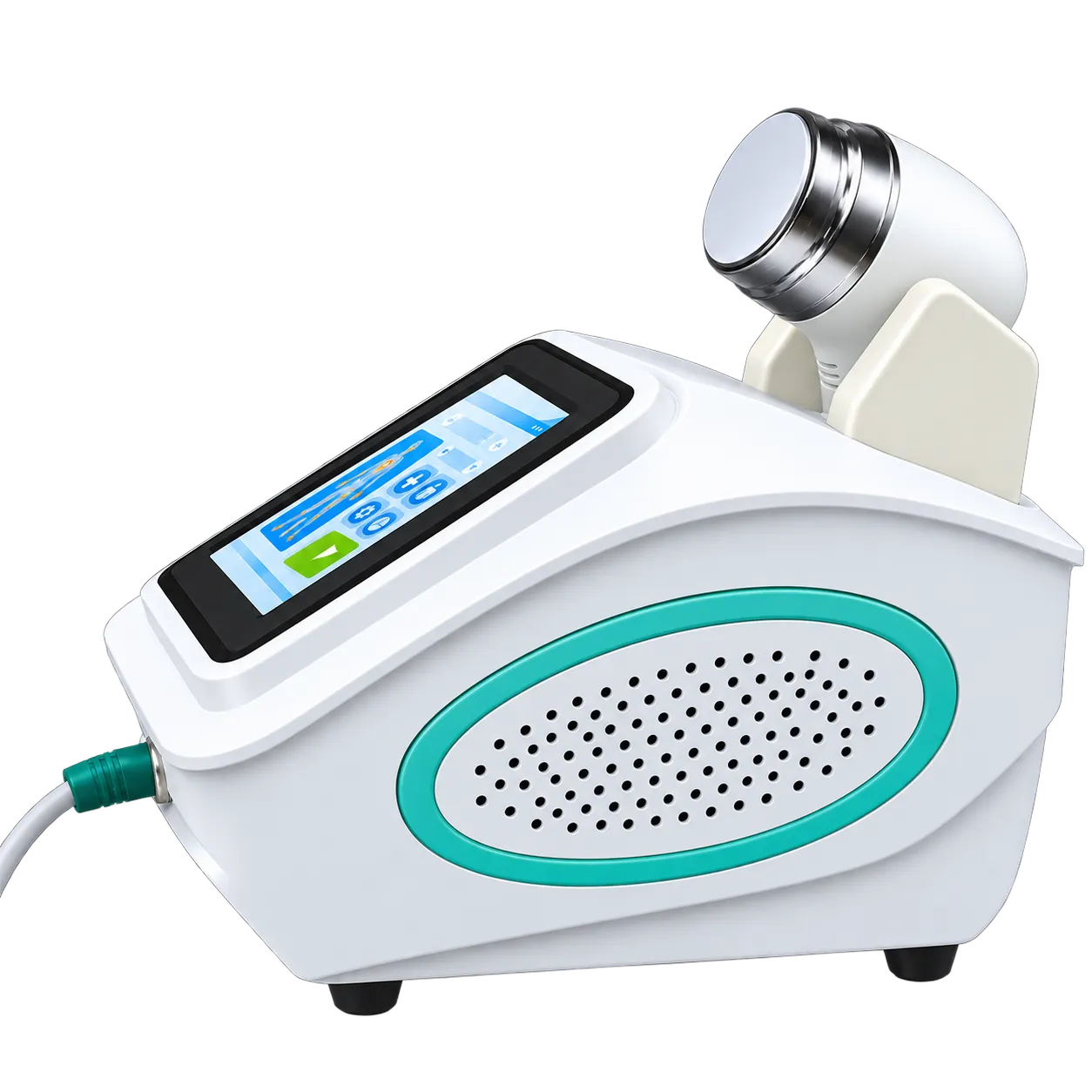
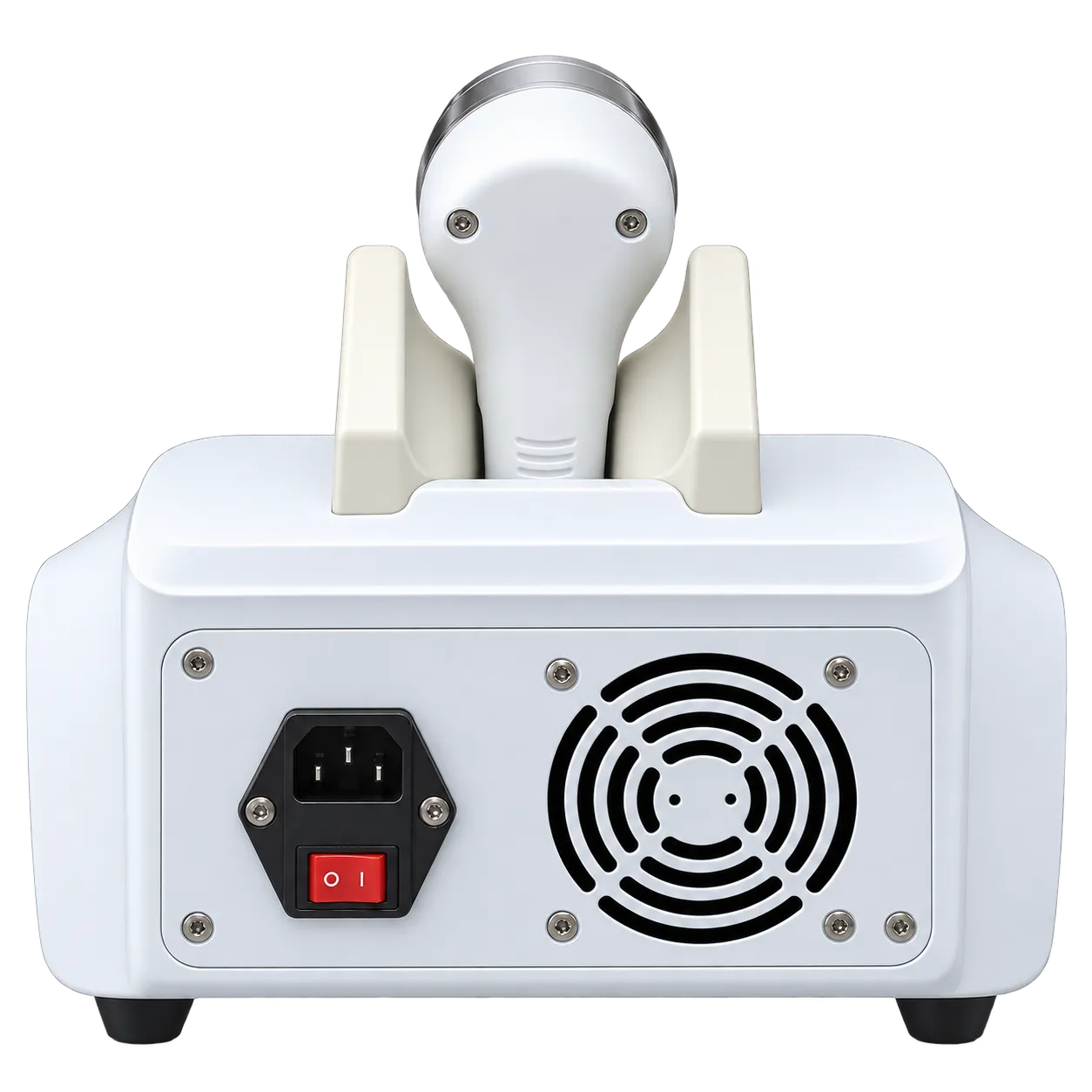
The JC01-30W is used in physiotherapy departments, sports and soft tissue clinics, podiatry, and rehabilitation services. At 3 MHz, it targets superficial structures, so it reaches tissues within roughly a centimetre or two of the skin: superficial tendon and muscle, myofascial trigger points, calcific deposits close to the surface, and scar or soft tissue work.
Deciding the indication list has to happen before delivery, not after. UK guidance advises against ultrasound for low back pain and sciatica, and against it for osteoarthritis, with therapeutic exercise as the core treatment in both. A 2025 rotator cuff tendinopathy guideline also recommends against it. Together, they cover a large share of a typical musculoskeletal caseload, so a service buying this console should be able to say what it will use it for and what it will not.
The duty cycle is where the clinical choice is made day to day. A continuous output drives the thermal effect and suits chronic presentations; pulsing at the lower end of the 20 to 80 per cent range reduces heating and is the usual selection in acute work. Having both on one console, with the ratio adjustable, is what lets a clinician follow a documented protocol rather than approximate it.
Buying runs through the usual routes. NHS musculoskeletal services, private physiotherapy and sports clinics, podiatry practices and teaching institutions each apply their own procurement rules, and a Class IIa or IIb device clears clinical governance alongside the rest. Conformity documentation is issued by the manufacturer and provided by the seller. Report adverse incidents involving the device to the MHRA through the Yellow Card scheme.