
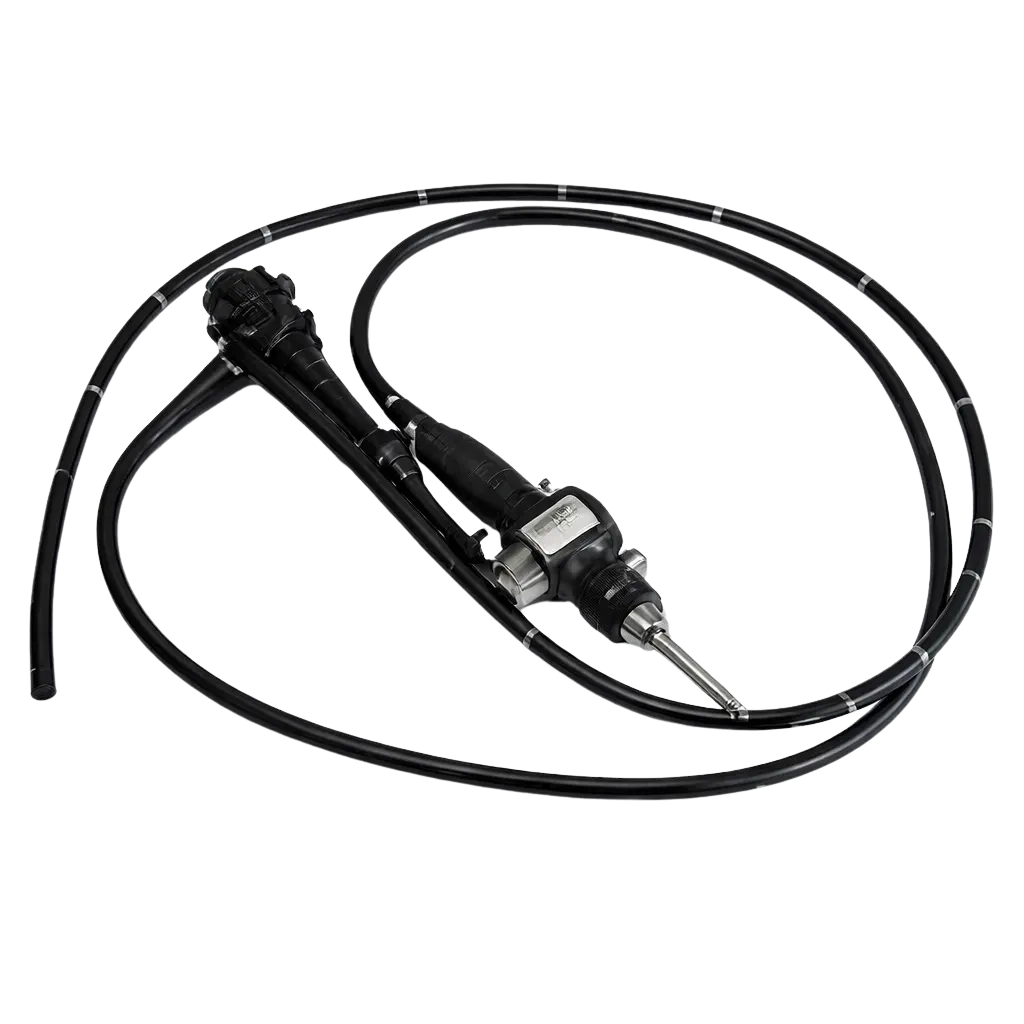
Routine Colorectal Examination In Gastroenterology Units
Routine colorectal inspection is central to detecting early disease. The CF-VI delivers clear fibre-optic visualisation with wide-angle coverage, helping endoscopists identify polyps, inflammation, and mucosal changes during screening. Gastroenterology departments in general hospitals and specialist centres benefit from its dependable build, consistent optics, and proven handling characteristics across daily clinical sessions.
Diagnostic Biopsy Sampling In Specialist Clinics
Targeted biopsy remains essential for confirming colorectal and inflammatory conditions. The instrument channel of the CF-VI accepts standard biopsy forceps, enabling precise tissue sampling from suspicious areas. Specialist gastroenterology clinics and outpatient diagnostic centres value this reliable sampling capability when supporting histopathology-driven diagnosis and treatment planning for common lower gastrointestinal conditions.
Therapeutic Polyp Removal In Day-Care Endoscopy Suites
Early polyp removal helps reduce long-term colorectal cancer risk. The CF-VI supports polypectomy through compatible snares and haemostatic accessories passed through its working channel. Day-care endoscopy suites and ambulatory therapeutic units benefit from combining diagnostic inspection with same-session polyp removal, reducing patient recalls and improving overall workflow efficiency.
Follow-Up Assessment For Inflammatory Bowel Disease
Patients with ulcerative colitis or Crohn disease require regular mucosal review. The CF-VI supports detailed inspection and targeted biopsy during follow-up colonoscopy, helping clinicians monitor disease activity and guide treatment adjustments. Specialist inflammatory bowel disease clinics and long-term surveillance programmes find this a practical and dependable option.
Evaluation Of Lower Gastrointestinal Symptoms
Patients presenting with altered bowel habits, rectal bleeding, or unexplained abdominal symptoms often require lower GI endoscopy. The CF-VI supports timely inspection and targeted sampling during urgent assessment. Referral clinics, general hospitals, and outpatient diagnostic units benefit from its dependable availability for initial symptom-based colorectal investigation.