
Objective Starting Point for Spectacle Prescribing
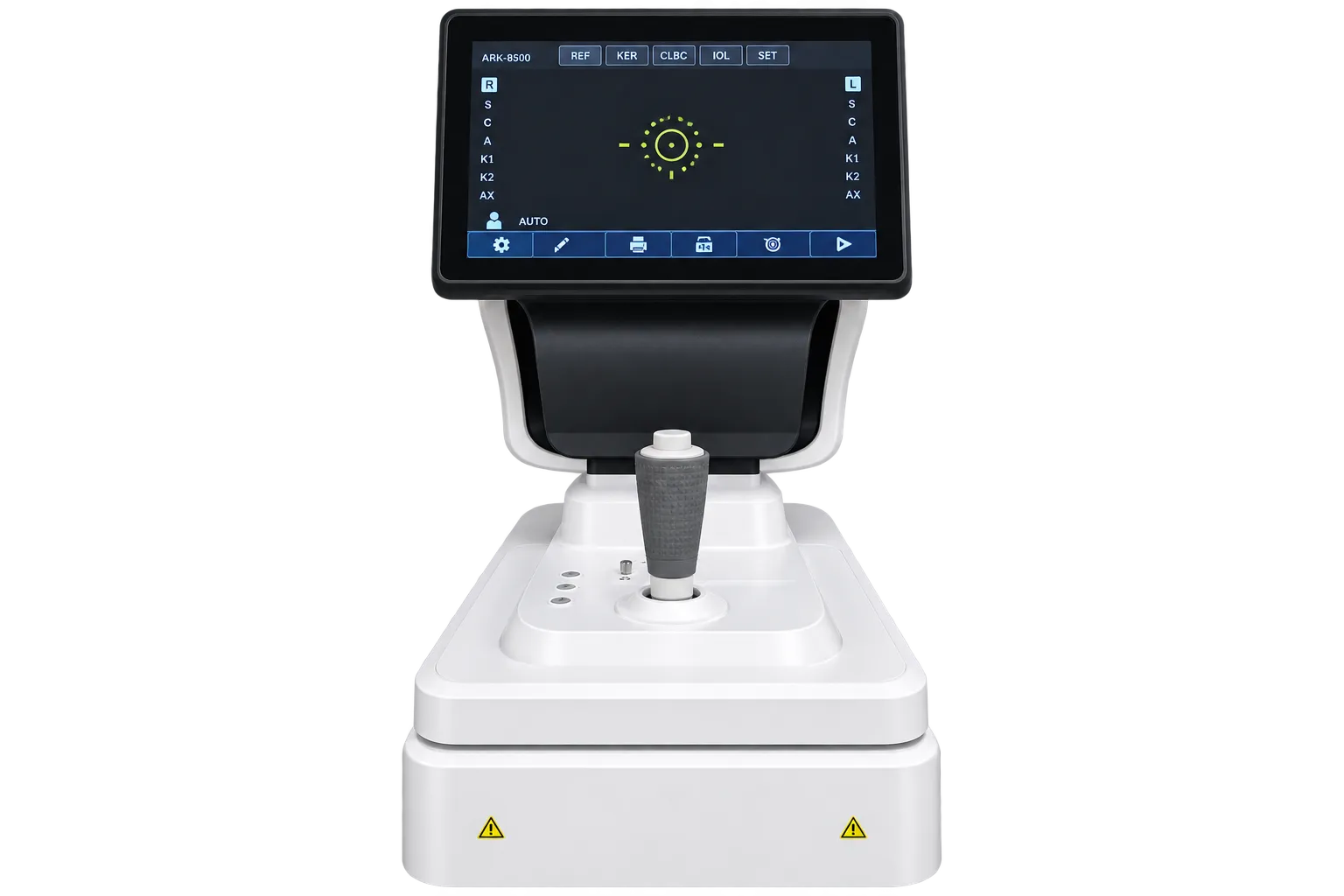
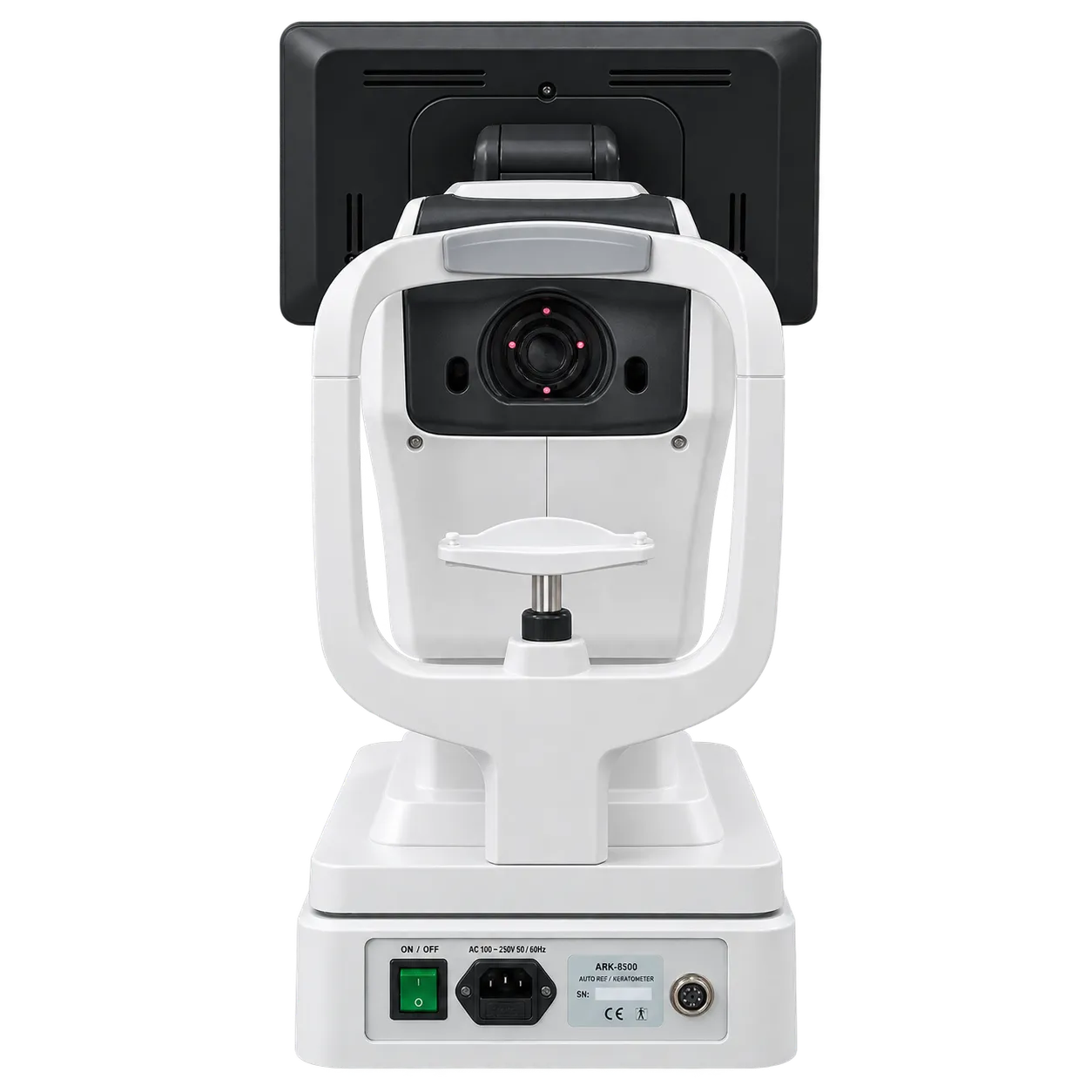
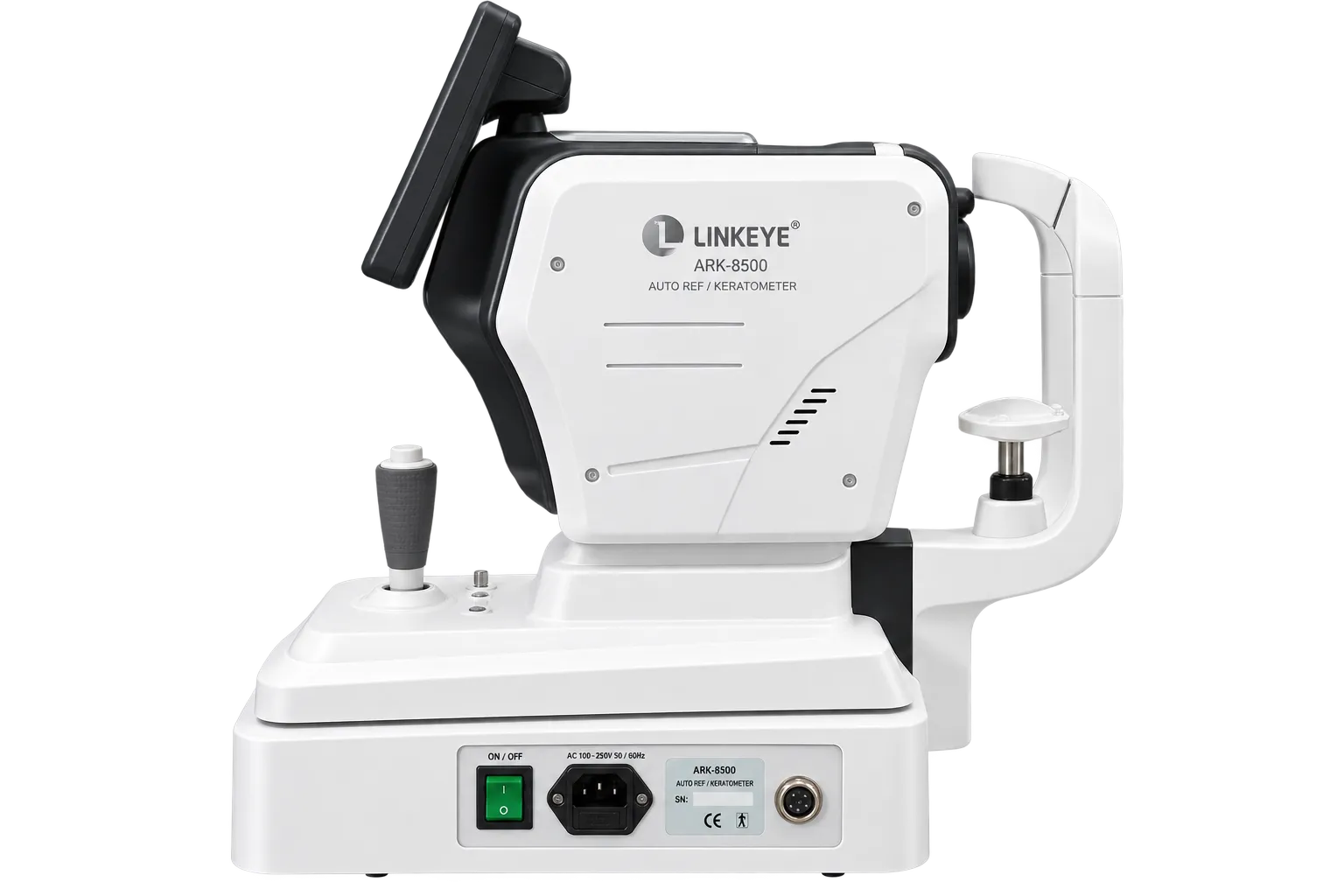
In routine sight testing the ARK-8500 supplies the objective figures that open a refraction. Sphere, cylinder and axis arrive within moments, giving the optometrist a reliable base from which to begin subjective refinement rather than starting from a blank phoropter. Because vertex distance is selectable across four settings, the recorded values can be matched to the fitting geometry actually intended, which reduces the corrections needed later at the dispensing stage and keeps the prescription honest for higher powers.
Contact Lens Fitting and Corneal Assessment
Keratometry readings of curvature radius, refractive power and corneal power inform base curve selection and give a clear picture of corneal shape before a trial lens is placed. Fitters gain a repeatable numerical reference for follow-up visits, which makes it far easier to judge whether a comfort complaint reflects a genuine change in the corneal surface or simply a lens handling issue that better technique will resolve.
Screening Where Cooperation Is Limited
The sub-half-second capture and automatic alignment make the instrument workable with patients who cannot hold a steady position for long, including young children and adults with limited concentration or reduced mobility. The automatic fogging target does the work of relaxing accommodation without lengthy instruction, and the minimum pupil size of 2.0mm keeps readings achievable in brighter consulting rooms where pupils sit small.
Baseline Records and Ongoing Monitoring
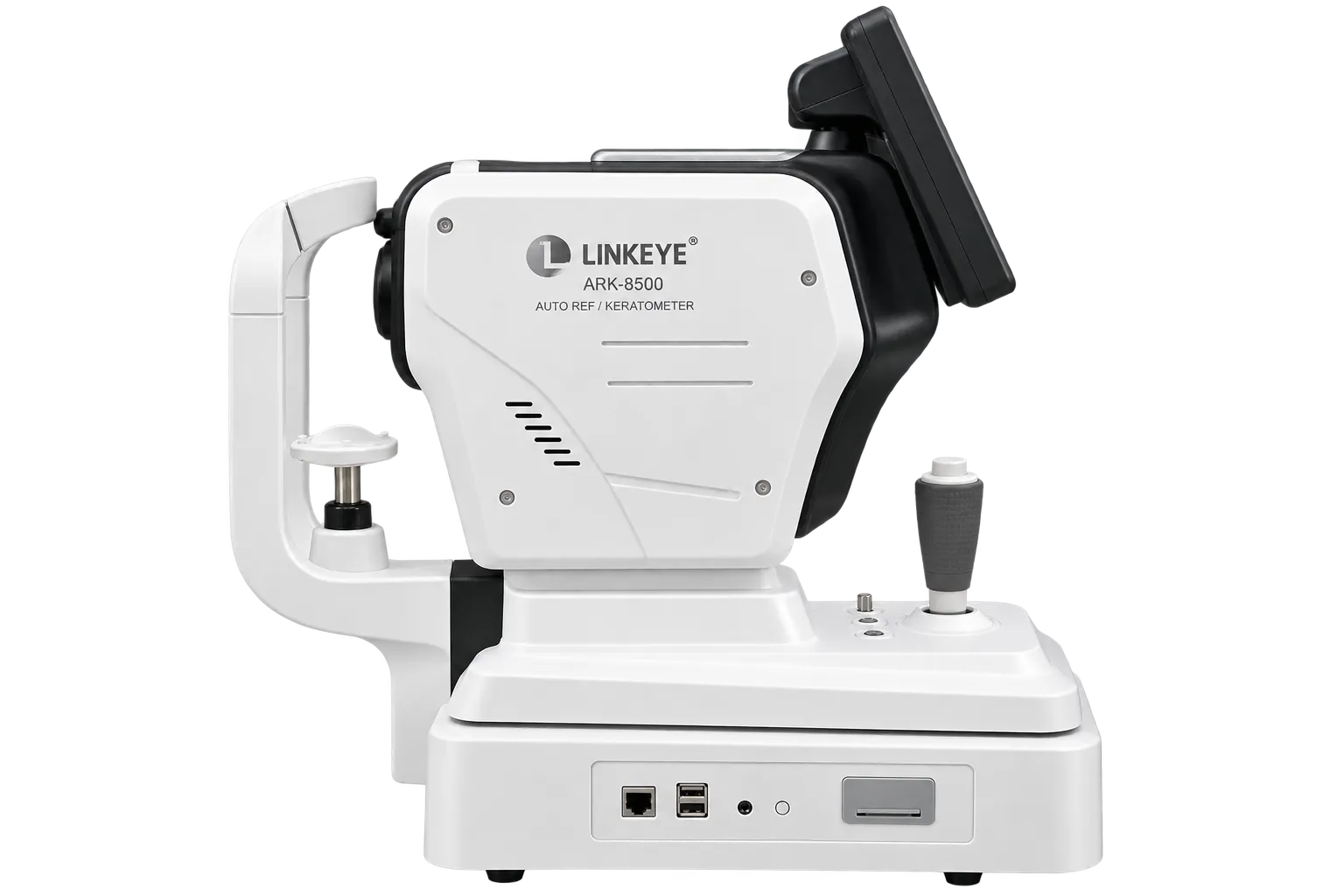
Stored readings and printed slips give practices a consistent record for comparison at subsequent appointments. Where a patient reports gradual visual change, having earlier objective figures captured on the same instrument under the same settings makes any shift considerably easier to interpret, supporting an informed conversation about whether onward referral or further investigation is appropriate.