
The DIRECTVIEW CR 500 Digital Imaging System is commonly used for:
- General radiography examinations
- Chest X-rays
- Skeletal and bone imaging
- Orthopedic imaging
- Abdominal radiography
- Routine diagnostic imaging in clinics and hospitals
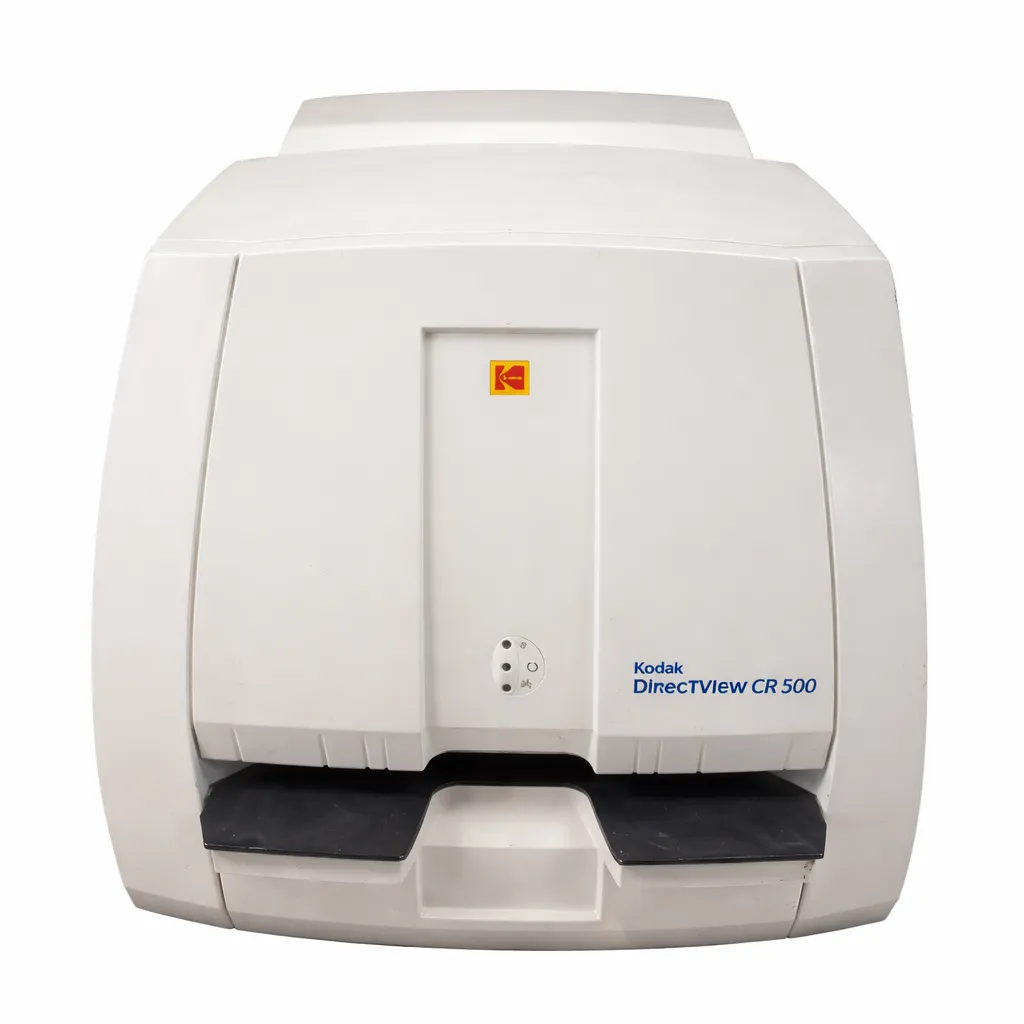
A smart and simple step into digital radiography.
The DIRECTVIEW CR 500 Digital Imaging System is a compact and reliable computed radiography (CR) solution designed for clinics and hospitals moving from film-based X-ray to digital imaging. It delivers consistent image quality while supporting smooth and efficient radiology workflow.
A few quick details and you are done. Our projects team replies within one business day with availability, lead time and a quotation.
Kodak Digital imaging system DIRECTVIEW CR 500
Product code: MDIE-MIEQ-159
The DIRECTVIEW CR 500 Digital Imaging System is designed to simplify the transition to digital radiography without requiring major changes to existing X-ray equipment. It works with standard X-ray rooms and converts X-ray images captured on imaging plates into high-quality digital images.
This system is well suited for low- to medium-volume radiology departments. It offers dependable performance, fast image processing, and stable operation for daily clinical use. The CR 500 integrates easily with hospital networks and PACS, allowing images to be stored, viewed, and shared digitally.
With a compact footprint and user-friendly interface, the DIRECTVIEW CR 500 fits easily into small radiology rooms and clinics. It helps reduce operating costs by eliminating film processing while maintaining diagnostic image clarity.
Key Features
The DIRECTVIEW CR 500 Digital Imaging System is commonly used for:
1. What type of system is DIRECTVIEW CR 500?
It is a computed radiography (CR) system that converts X-ray images into digital format.
2. Can it work with existing X-ray machines?
Yes. It is designed to integrate with standard X-ray equipment.
3. Is DIRECTVIEW CR 500 suitable for small clinics?
Yes. Its compact size makes it ideal for clinics and smaller radiology departments.
4. Does it support digital image storage?
Yes. It integrates with PACS for digital storage and image sharing.
5. How fast is image processing?
Images are processed quickly, helping reduce patient waiting time.
6. Is image quality reliable for diagnosis?
Yes. The system delivers consistent image quality suitable for routine diagnostics.
7. Does it reduce operating costs?
Yes. It eliminates film and chemical processing expenses.
8. Is the system easy to operate?
Yes. The interface is simple and designed for daily clinical use.