
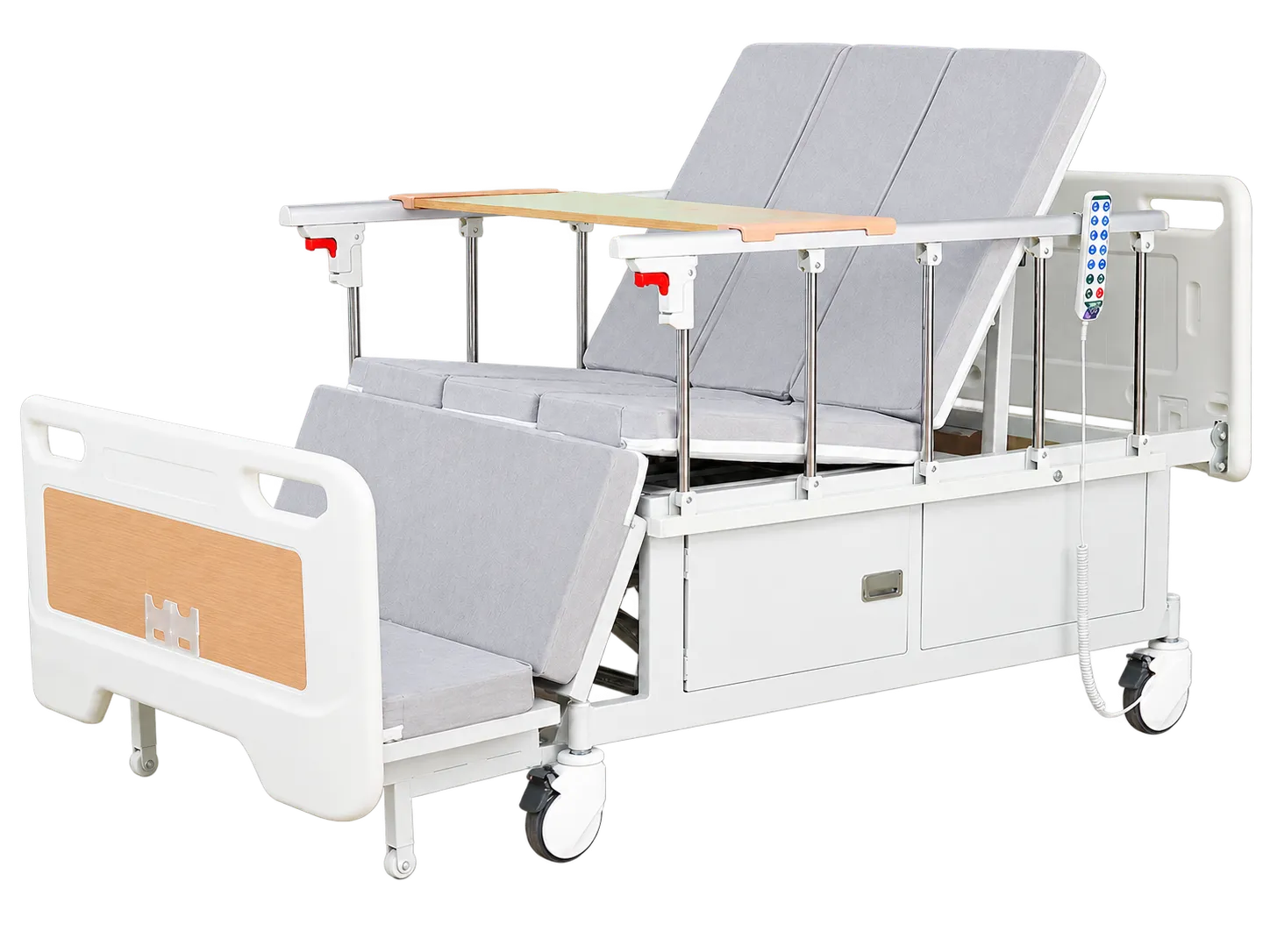
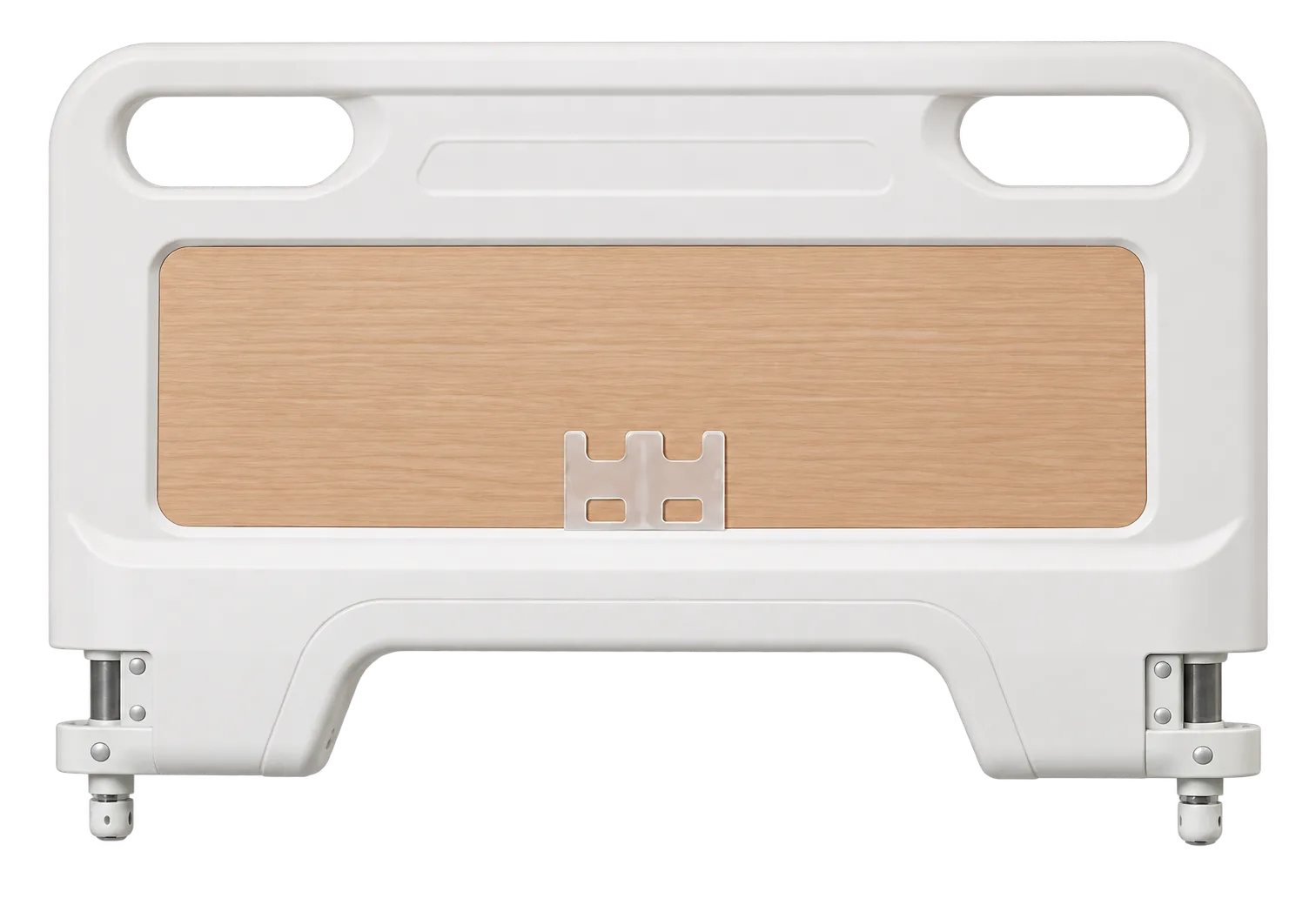
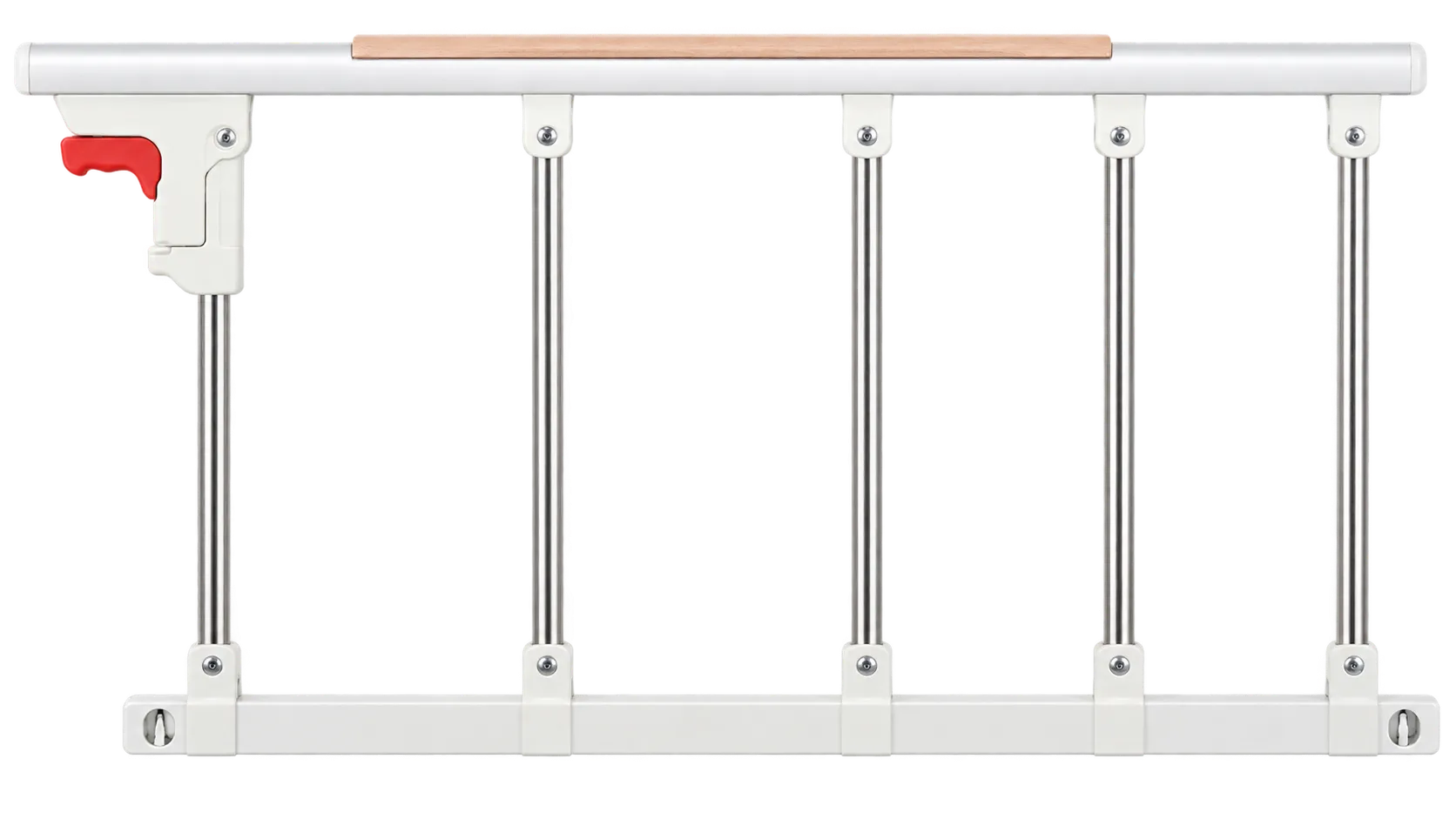
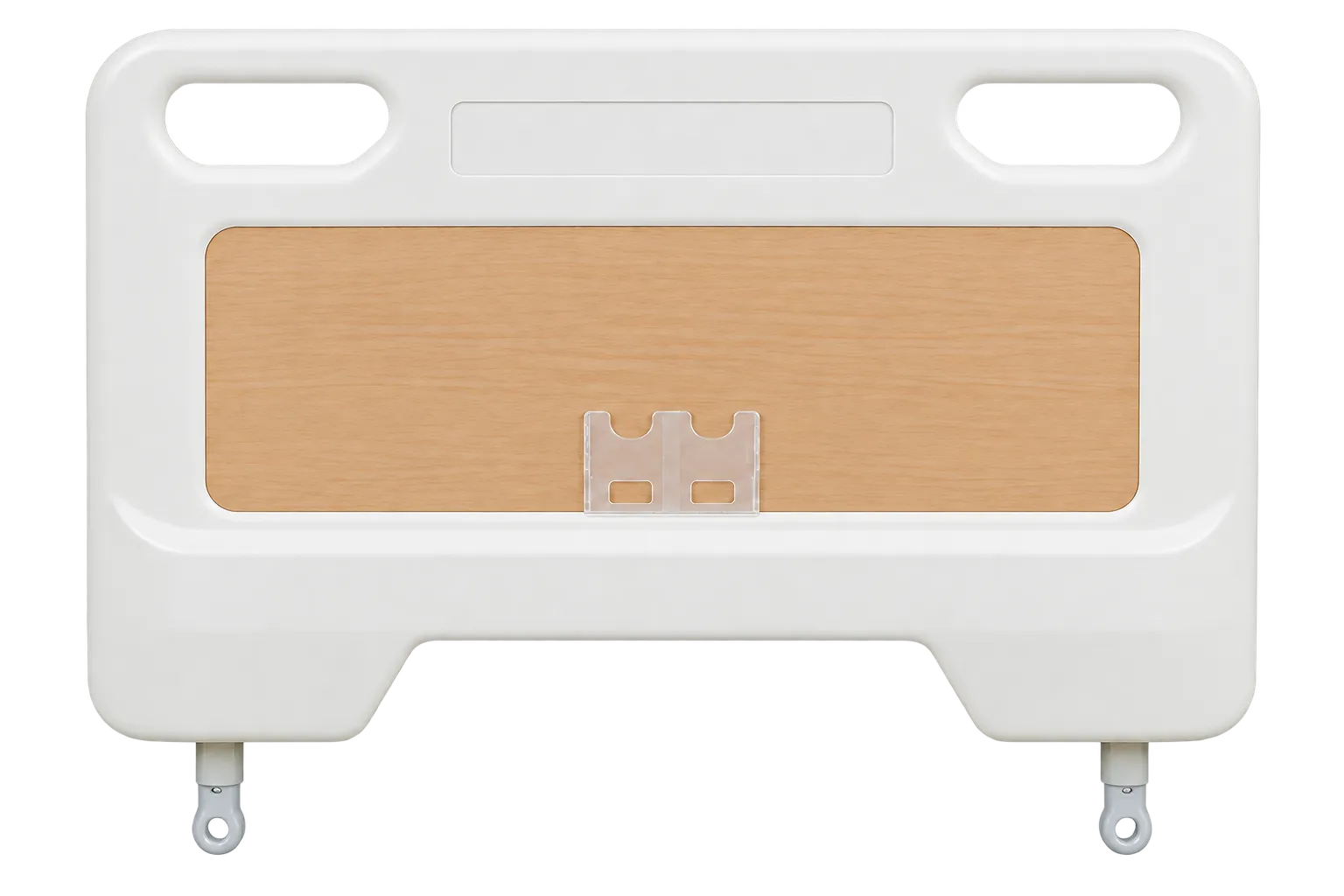
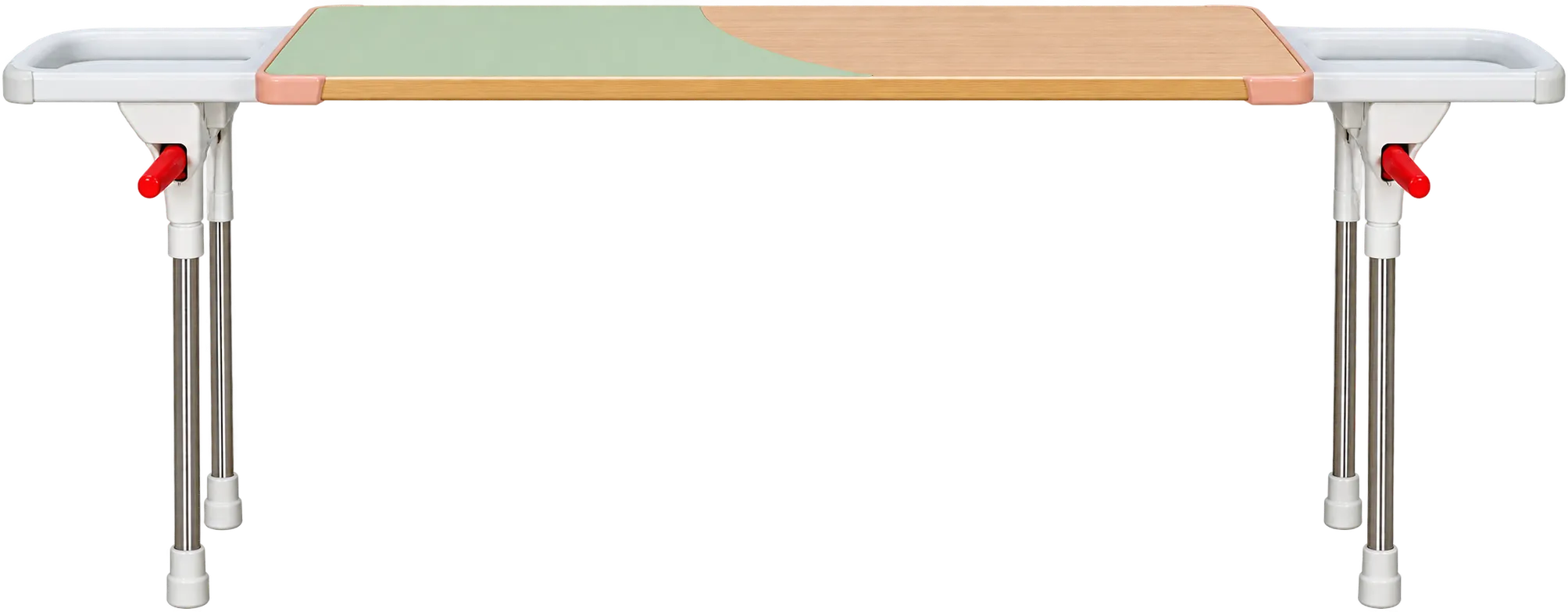
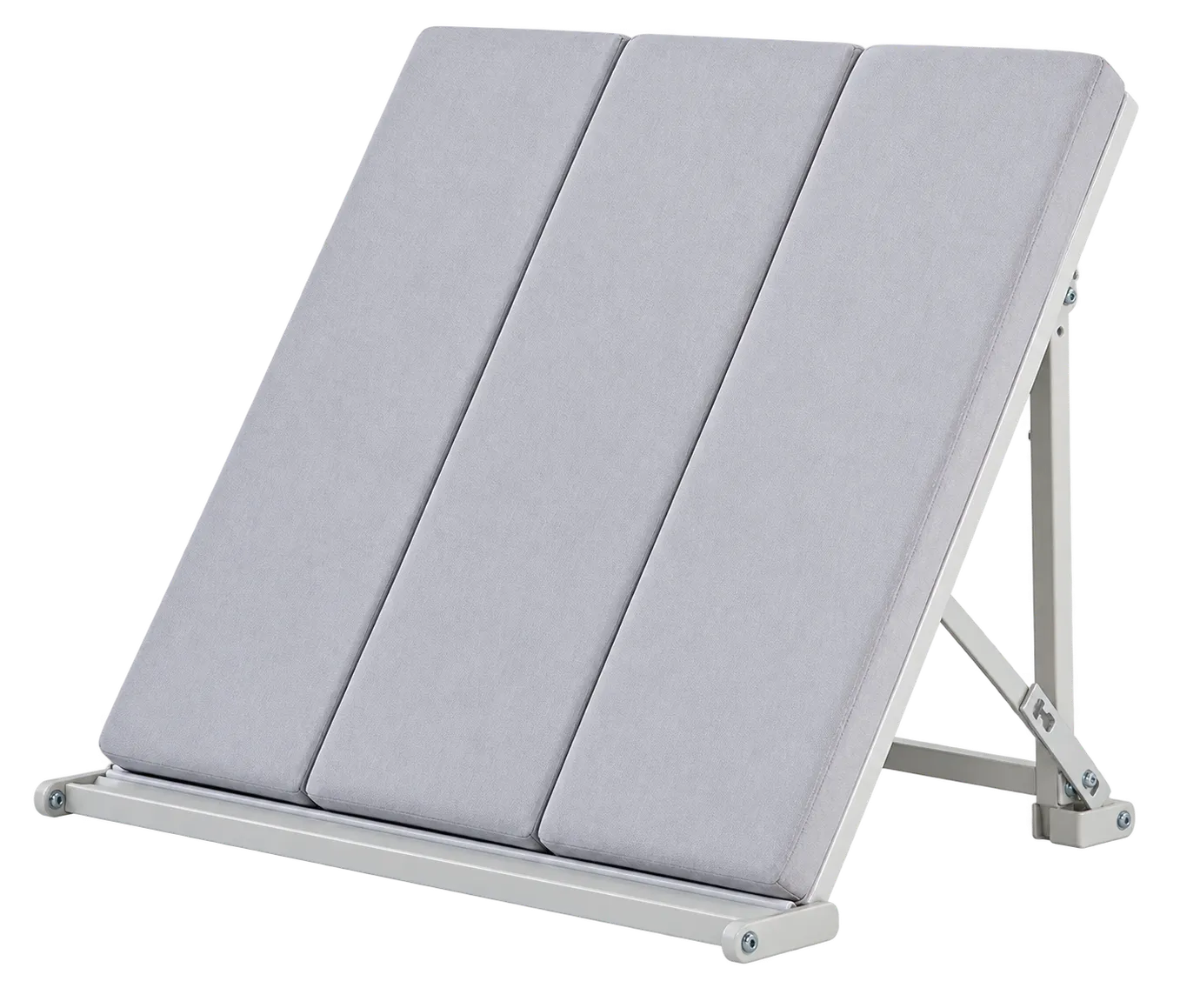
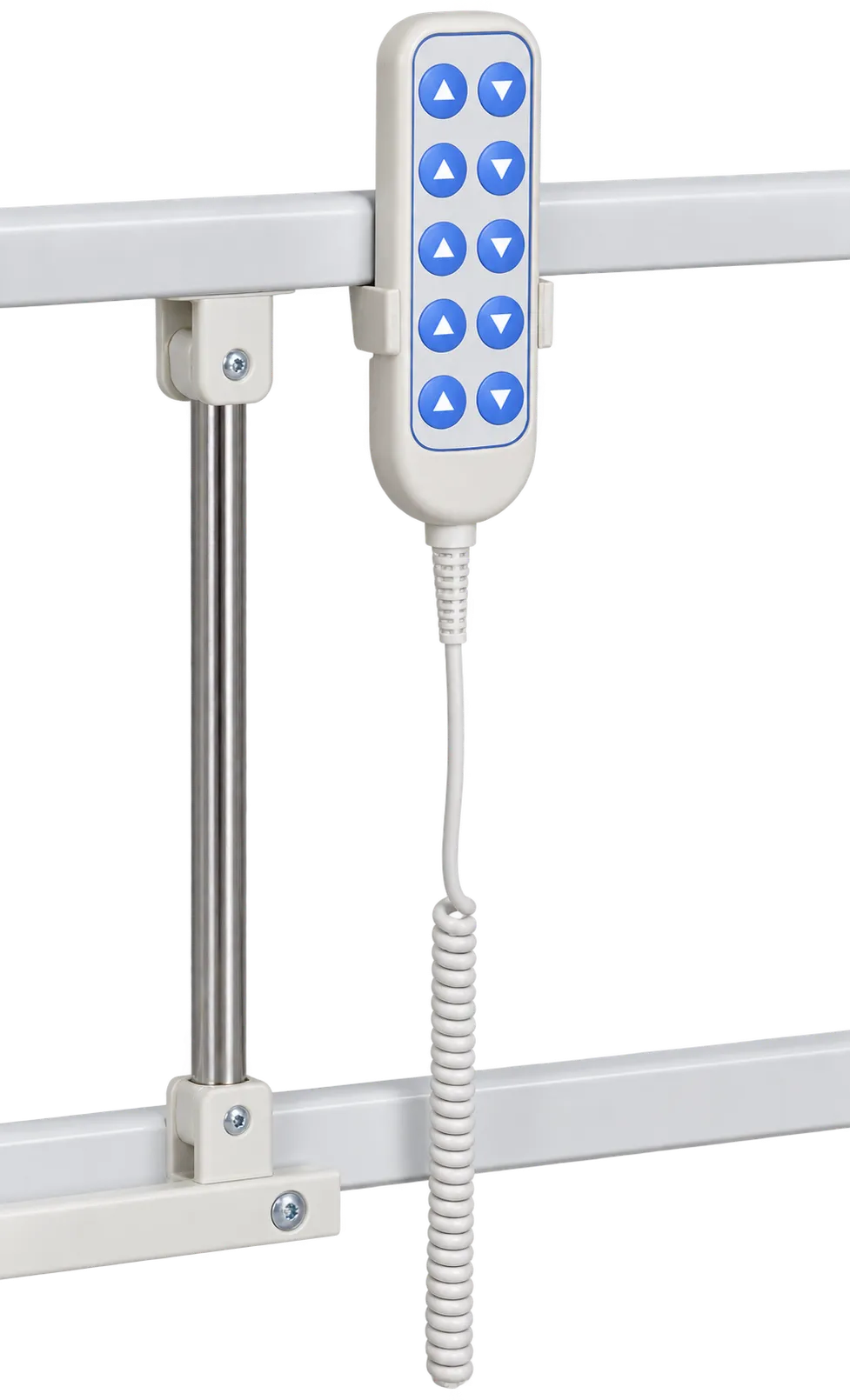
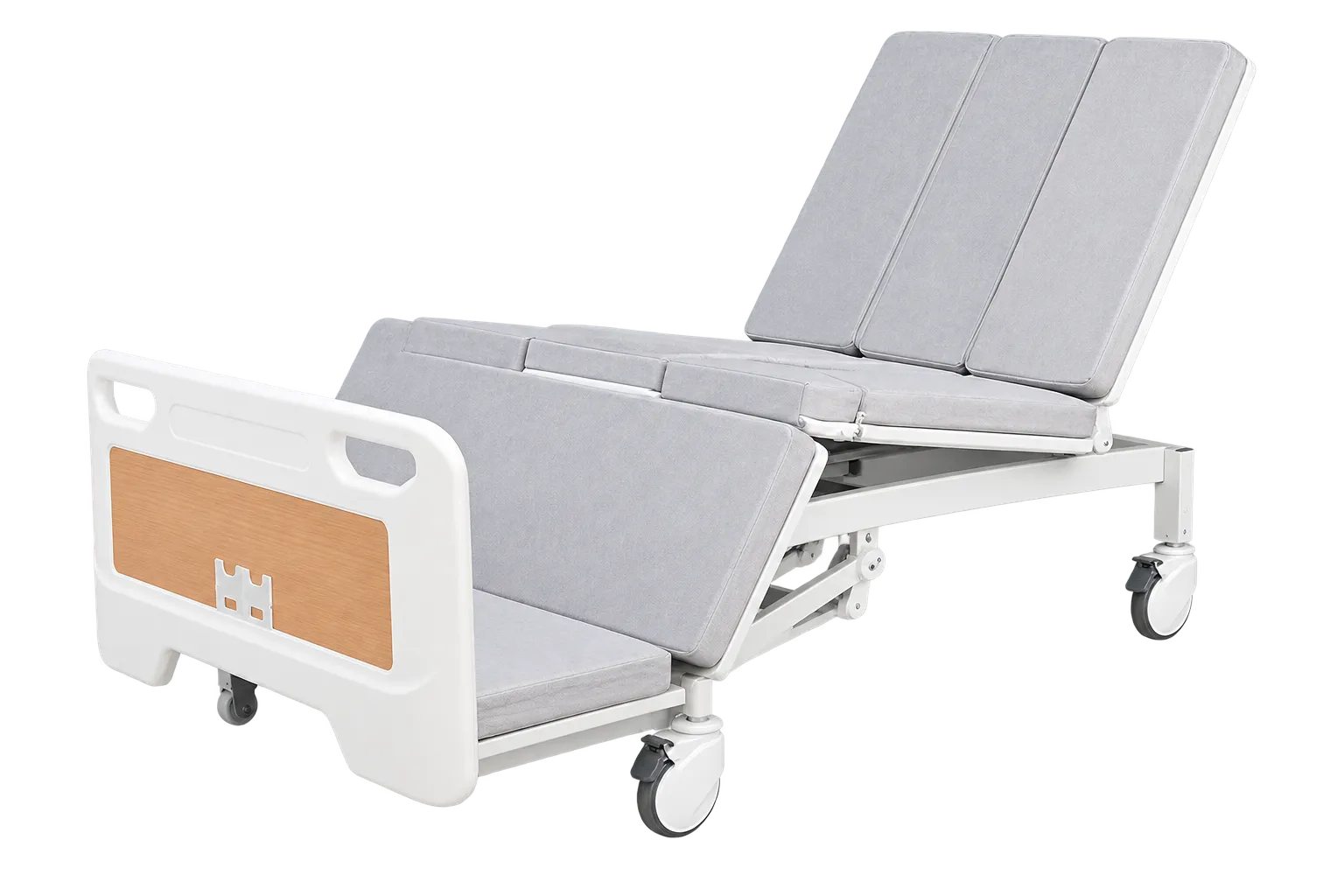
The JD-DCX-01 serves a narrow, well-defined population: adults who are fully or near-fully dependent for toileting and expected to remain bed-based for a sustained period. Within that group, the case is strong; outside it, the bed is the wrong purchase.
In nursing homes and complex care settings, the primary gain is exposure to manual handling. Assisted toileting of a dependent resident—rolling onto a bedpan, hoisting to a commode, cleaning, and rolling back—is among the most frequent and physically demanding tasks carers perform, repeated several times daily per resident. Moving that episode into the bed removes the lift entirely. For a service managing musculoskeletal injury rates and agency costs, that is the measurable return.
For tissue viability, the value is timing. Incontinence-associated dermatitis is driven by how long urine and faeces stay in contact with skin, and it is an established independent risk factor for pressure damage, with reported prevalence in nursing home populations approaching 30%. Cleansing at the moment of soiling, rather than at the next round, directly shortens that exposure. The same aperture that delivers the benefit also concentrates load, so aperture time must be actively limited, and the rinse followed by a structured cleanse, protect and restore routine.
In spinal, neurological and palliative care, and in home care for a bedbound relative, the argument is dignity. Toileting is socially conditioned as private from childhood, and dependence on another person for it is consistently reported as one of the hardest losses patients describe. Managing it without a hoist, a bedpan or a second carer in the room preserves something a specification sheet struggles to quantify, but families recognise immediately.
Medigear.uk supplies the conformity, water connection and mattress documentation that CQC-regulated providers and NHS procurement reviews require.