
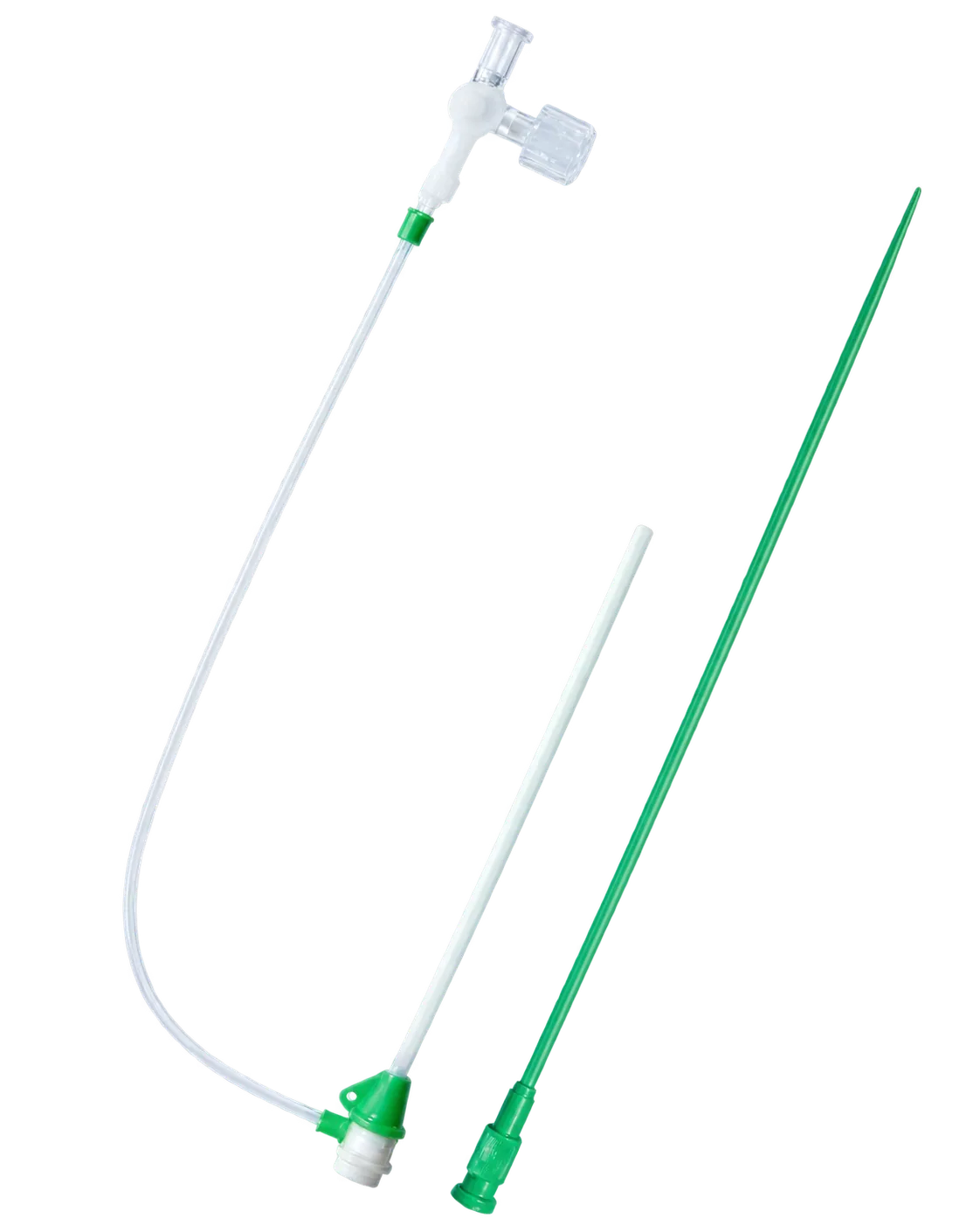
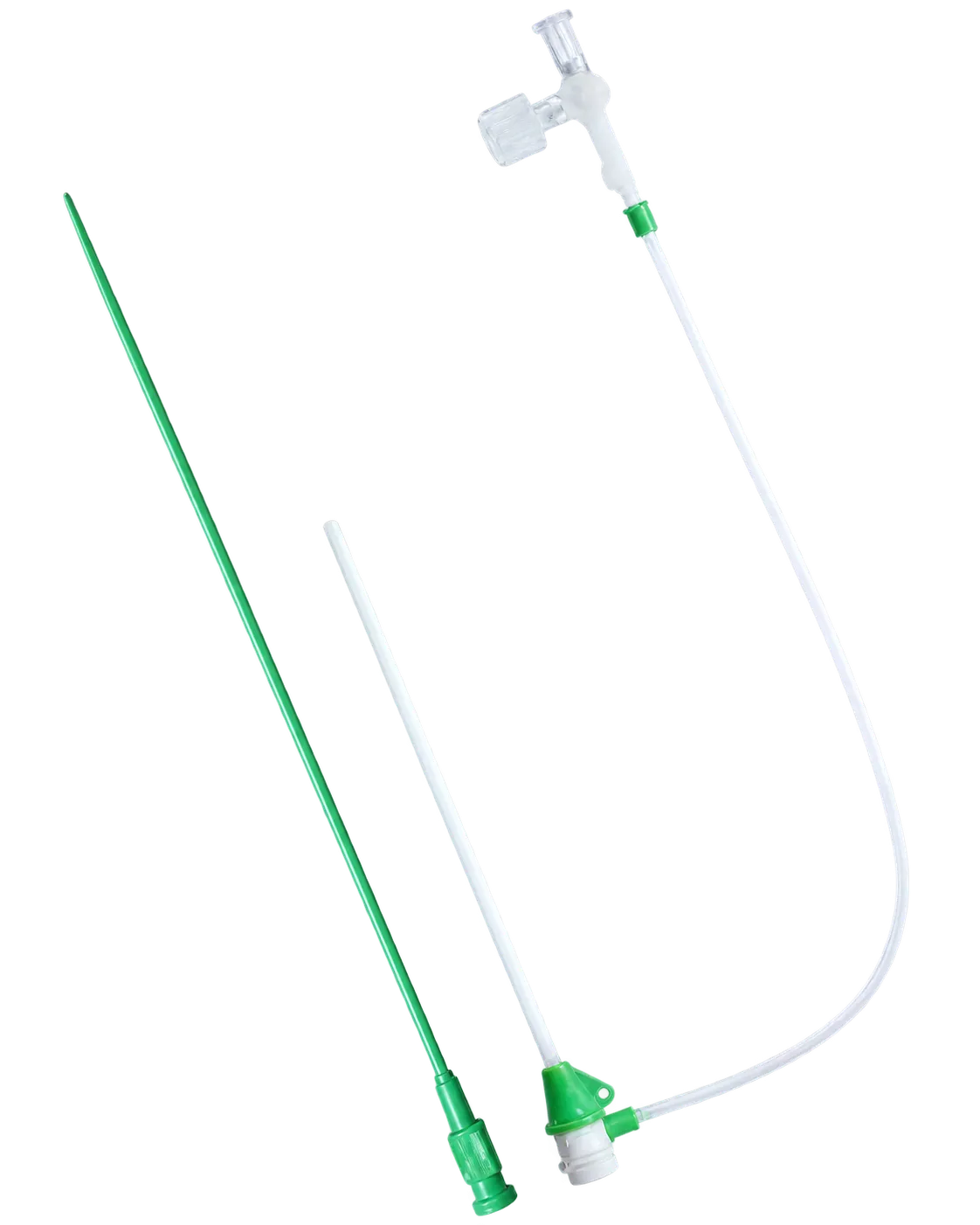
Radial access is now the default route for coronary angiography and intervention in most UK centres. Puncturing at the wrist rather than the groin lowers access site bleeding, and the artery is compressible against bone if bleeding does occur. Patients can sit up immediately and mobilise sooner. The trade-off is vessel size, because the radial artery is far smaller than the femoral and it reacts to instrumentation.
That reactivity shapes the whole product design. Radial artery spasm is common and makes sheath insertion painful and catheter manipulation difficult. Radial artery occlusion after the procedure is the other concern, and it is linked to how large the sheath is relative to the artery. Both push in the same direction, toward the smallest sheath that will take the required catheters, inserted with the least force. This is why the taper between guidewire, dilator and sheath matters and why INT emphasises it.
Size selection follows the case. A 5F sheath covers diagnostic angiography and takes 5F catheters. A 6F sheath is the usual choice where intervention is expected, since most stent and balloon systems are built around 6F guide catheters. The 160 mm TR02A gives a longer segment inside the vessel, which some operators prefer for support during catheter exchanges. Radiopacity allows the sheath tip to be seen under fluoroscopy, confirming position. At the end of the case, the sheath is removed,d and a compression band is applied over the puncture.
Peripheral interventional radiology uses the same sets for radial access to non-coronary territory. Medigear.uk supplies the instructions for use with every order.