
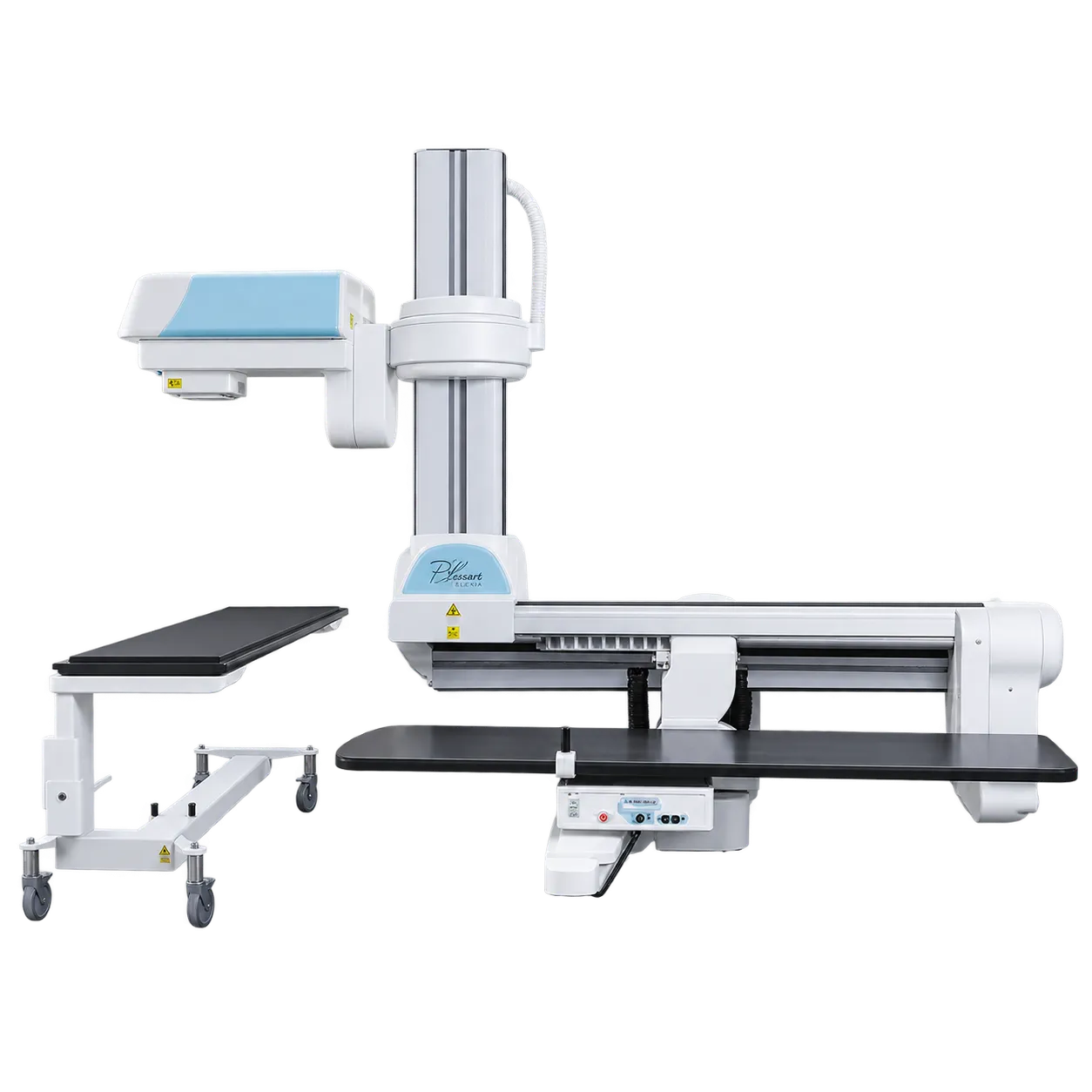
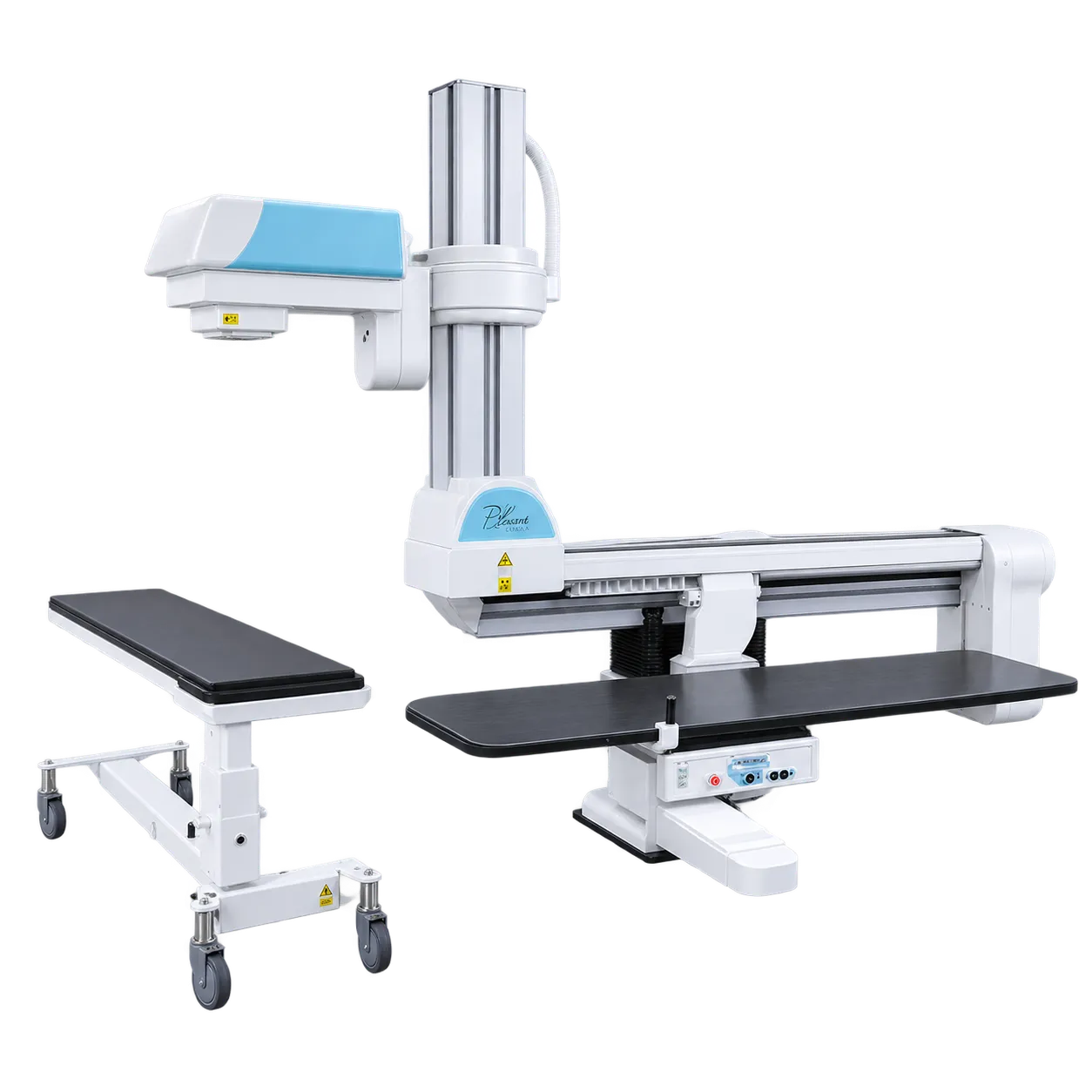
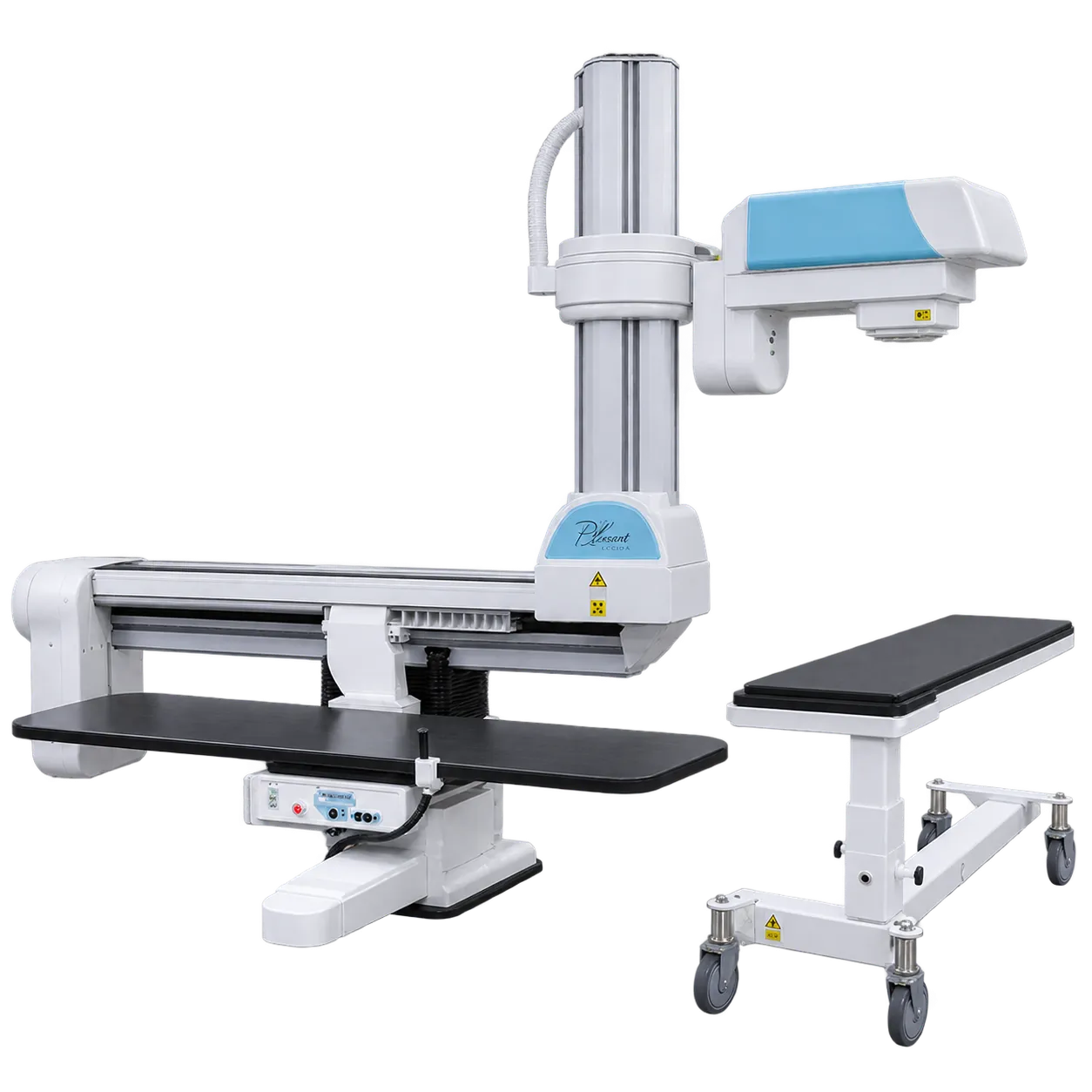
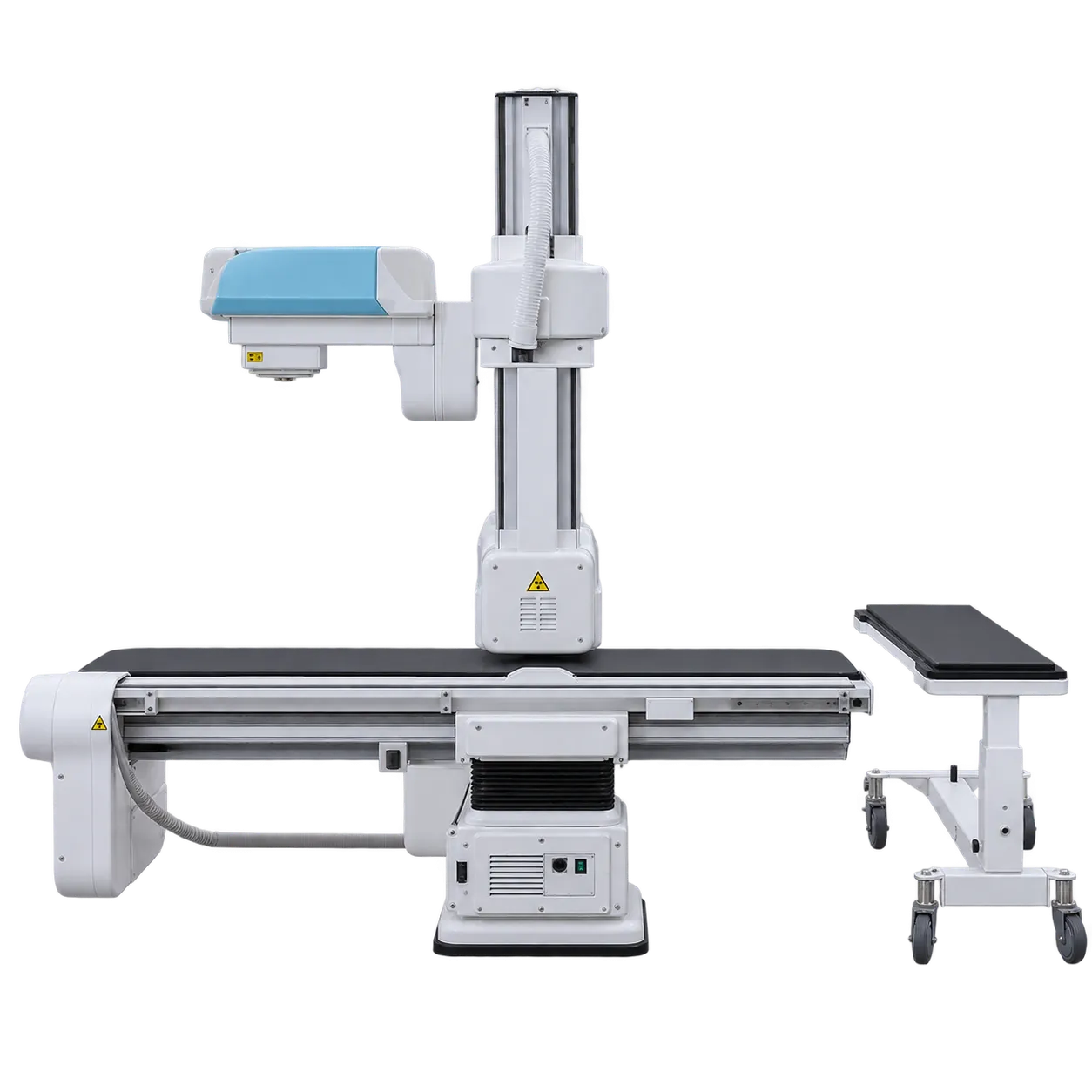
Contrast studies of the gastrointestinal tract are among the most established uses of a combined room, covering swallow, meal and follow-through work where the question concerns transit and function rather than static anatomy. All clinical judgement, including whether an examination is justified and how findings are interpreted, remains with the referring and reporting clinicians, and Medigear.uk supplies configuration and condition detail rather than clinical guidance.
Videofluoroscopic swallow assessment is frequently performed jointly with speech and language therapy, and services offering it commonly struggle for room access. A dedicated combined room removes that constraint and opens a referral stream many departments currently send elsewhere.
Gynaecological contrast work including tubal patency assessment requires screening rather than static imaging, and is a list that fits a combined room without competing with general radiographic throughput.
Arthrography and guided injection benefit from real-time visualisation of needle position and contrast distribution, and bring orthopaedic and rheumatology referrals into the room.
General radiographic work continues alongside all of the above, which is what allows a single installation to be filled where two separate rooms could not be justified.
Services assessing this platform should count the lists it could absorb across radiology and beyond, since the referral breadth rather than any single specification is what determines whether the room earns its space.