Fourteen minutes. That is the average time a stroke patient in the UK waits before someone around them realises something is seriously wrong. Fourteen minutes of brain cells dying at a rate of nearly two million per minute. Fourteen minutes in which the difference between full recovery and permanent disability rests entirely in the hands of whoever happens to be standing closest.
Stroke does not knock politely. It crashes through without warning — mid-sentence, mid-meal, mid-sleep — and the body's signals in those first moments are often subtle enough to be mistaken for tiredness, confusion, or a stumble. Recognising those signals is not a medical skill. It is a human one. And it saves lives in a way that almost nothing else can.
This guide covers stroke warning signs with the clarity they deserve, explains what happens inside the brain during a stroke, walks through the risk factors most people underestimate, and shows how CT scan and MRI machines detect damage fast enough to change outcomes. Medigear supplies certified diagnostic imaging equipment to hospitals and stroke centres across the UK — and every second of detection time that equipment saves translates directly into brain tissue preserved and lives changed.
What Happens During a Stroke
A stroke happens when the blood supply to part of the brain is suddenly interrupted. Without oxygen, brain tissue begins to die within minutes. The damage is not theoretical — it is measurable, irreversible, and directly proportional to the duration of the interruption. Every minute without treatment destroys roughly 1.9 million neurons, 14 billion synapses, and 12 kilometres of nerve fibres. The phrase "time is brain" is not a slogan. It is biology.
Ischaemic Stroke
Ischaemic stroke accounts for roughly eighty-five per cent of all cases. A blood clot — often originating from the heart or a narrowed artery in the neck — lodges in a vessel supplying the brain and cuts off blood flow to downstream tissue. The area immediately surrounding the blockage dies first. But a larger zone of brain tissue — the ischaemic penumbra — remains alive but at risk, surviving on limited collateral blood flow. Saving that penumbra is the entire purpose of acute stroke treatment.
Haemorrhagic Stroke
Haemorrhagic stroke accounts for the remaining fifteen percent and carries a higher mortality rate. A blood vessel in the brain ruptures — sometimes due to an aneurysm, sometimes from chronic high blood pressure — and blood floods the surrounding tissue. The damage comes from two directions simultaneously — the brain tissue downstream loses its blood supply, while the tissue around the bleeding site is compressed and poisoned by the spreading blood. Treatment is entirely different from that of ischaemic stroke, which is exactly why imaging must come first.
Transient Ischaemic Attacks
Transient ischaemic attacks — often called mini strokes — produce identical symptoms to a full stroke but resolve within minutes to hours as the temporary blockage clears. They leave no permanent damage on imaging. But they are not harmless. A TIA is the brain's final warning before a full stroke arrives. Roughly one in five people who experience a TIA will have a complete stroke within ninety days if the underlying cause is not identified and treated.
The FAST Test and Beyond
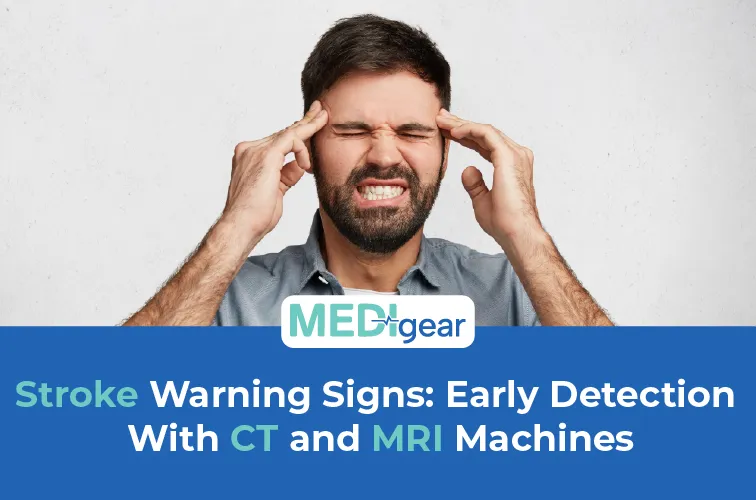
The FAST test remains the most accessible way to recognise stroke in real time. Face drooping on one side. Arm weakness or inability to raise both arms equally. Speech that sounds slurred, jumbled, or absent. Time to call 999 immediately. But FAST catches roughly seventy percent of strokes. The remaining thirty percent present with symptoms FAST does not cover — sudden severe headache with no obvious cause, sudden loss of vision in one or both eyes, sudden confusion or inability to understand spoken words, sudden dizziness or complete loss of balance, and sudden numbness anywhere on one side of the body.
The Quiet Stroke Nobody Expects
Here is what most awareness campaigns miss — stroke does not always look like collapse. Sometimes it begins as a fork slipping from fingers that worked fine ten minutes ago. A word that sits on the tip of the tongue but will not come out. A slight drag in one foot, feeling like clumsiness rather than an emergency. Patients dismiss these signs because they expect drama. Bystanders hesitate because they do not want to overreact. And in that hesitation, brain tissue dies silently.
Posterior Circulation Strokes
Posterior circulation strokes — affecting the brain stem and cerebellum — are among the most commonly missed. They cause dizziness, double vision, difficulty swallowing, and loss of coordination rather than the classic face and arm symptoms. Younger patients, women, and ethnic minority groups are statistically more likely to experience atypical presentations and delayed diagnosis — a disparity that costs lives and demands broader awareness beyond the FAST framework.
Risk Factors
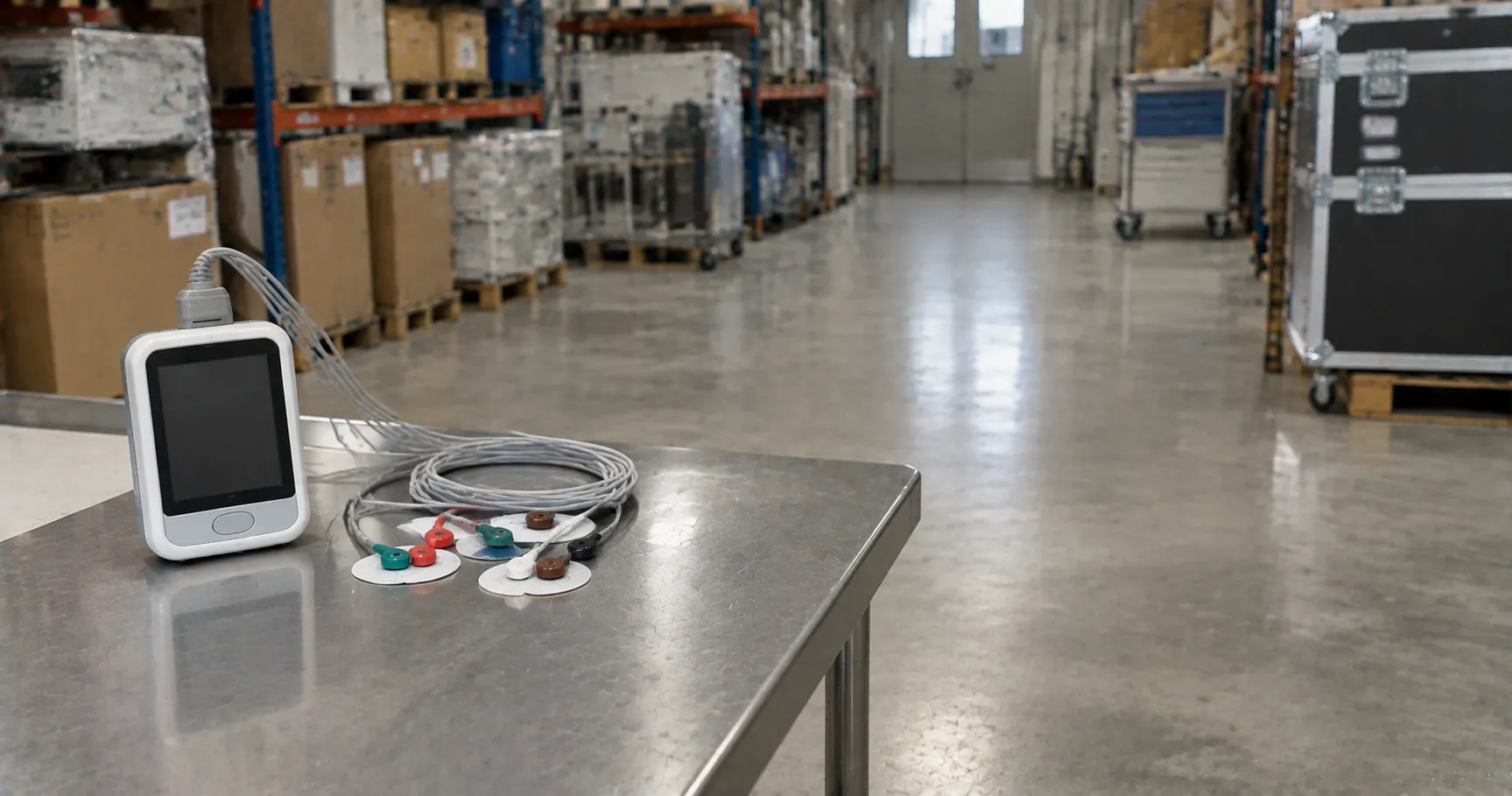
Stroke risk factors are divided into modifiable and non-modifiable categories. Age, family history, ethnicity, and previous stroke or TIA cannot be changed. But the factors that drive most strokes absolutely can — high blood pressure remains the single largest contributor, followed by atrial fibrillation, diabetes, smoking, physical inactivity, obesity, high cholesterol, and excessive alcohol consumption. Managing these factors does not eliminate risk entirely, but it reduces it dramatically. Our complete buyer's guide to ECG machines for clinics covers cardiac monitoring devices essential for detecting atrial fibrillation — the most significant modifiable risk factor for ischaemic stroke.
Stroke in Younger Adults
Stroke in younger adults is rising in ways that should alarm everyone. While stroke remains predominantly a condition of older age, increasing rates of obesity, diabetes, sedentary lifestyles, and stimulant drug use are pushing the average age of onset downward. A stroke at thirty-five carries decades of disability that a stroke at seventy-five does not. Awareness campaigns that focus exclusively on older populations miss an increasingly vulnerable demographic entirely.
Stroke in Women
Women experience stroke differently from men — and the differences matter clinically. Women are more likely to present with atypical symptoms, including sudden fatigue, nausea, and general weakness, rather than classic FAST signs. Pregnancy, pre-eclampsia, hormonal contraception, and migraine with aura all increase stroke risk in ways specific to women. Despite this, women are statistically more likely to have their symptoms attributed to anxiety or stress rather than assessed as a potential cerebrovascular event.
The Emotional Aftermath
The emotional aftermath of a stroke is devastatingly underrecognised. Depression affects roughly one-third of survivors. Anxiety, emotional lability, personality changes, and post-traumatic stress are common but rarely discussed during acute care. Partners and family members carry their own psychological burden — watching someone they love struggle with tasks that were effortless days earlier. Recovery is not just neurological. It is emotional, relational, and deeply personal. Equipment and medication support the physical journey. But the human journey requires acknowledgement, patience, and support that extends far beyond clinical walls.
Paediatric Stroke
Children can have strokes too — and the signs look different from adults. Sudden weakness on one side, seizures, severe headache, and speech difficulty in a previously healthy child should trigger immediate emergency assessment. Paediatric stroke is rare, but profoundly impactful, and delayed diagnosis remains far too common because clinicians and parents simply do not expect stroke in a child. Awareness saves young brains just as urgently as it saves older ones.
CT Scan and MRI in Stroke Detection
CT scanners are the first imaging tool used in acute stroke assessment. A non-contrast CT of the brain can be completed in seconds, and its primary role is to immediately rule out haemorrhagic stroke before treatment begins. If blood is visible, thrombolysis is contraindicated. If no blood is seen, clot-dissolving treatment can proceed. This single scan determines the entire treatment pathway. CT angiography maps blood vessels to locate the exact blockage, while CT perfusion imaging distinguishes dead tissue from salvageable penumbra — guiding decisions about mechanical thrombectomy.
MRI machines offer superior soft-tissue detail and detect ischaemic changes earlier than CT — particularly valuable for late-presenting patients or those with atypical symptoms. Diffusion-weighted MRI reveals damage within minutes of onset, whereas CT may not show it for hours. For stroke units managing complex cases, MRI adds diagnostic depth that changes outcomes. The trade-off is speed — CT remains the first-line test in hyperacute stroke, where every minute matters.
Stroke Pathway and Prevention
Stroke pathway design determines how effectively imaging translates into outcomes. Door-to-needle times must fall below sixty minutes. The fastest UK centres achieve under thirty, and imaging speed sits at the heart of that achievement. Always confirm CE marking, ISO 13485 standards, and full MHRA compliance on every imaging device — the consequences of equipment failure during a stroke pathway are measured in permanent brain damage.
Recovery and Rehabilitation
Post-stroke recovery extends far beyond hospital walls. Our complete guide to ostomy care products and accessories covers daily care routines relevant to stroke survivors managing long-term devices at home. Our guide to understanding catheter types for patients and caregivers addresses one of the most common — and least discussed — aspects of post-stroke home care that families face during recovery.
Why Choose Medigear for Stroke Imaging Equipment
Medigear supports hospitals and stroke centres with certified CT scan and MRI equipment backed by transparent pricing, honest technical guidance, and responsive after-sales support. Whether upgrading imaging capability, expanding pathway capacity, or equipping a new stroke unit, our team matches equipment to clinical need with the urgency this speciality demands. Reach out to our team directly for guidance built around the stroke service your patients depend on.
Conclusion
Stroke does not wait. It does not schedule itself conveniently. It arrives in seconds and demands a response in minutes — and the people standing closest in those moments hold more power over the outcome than any hospital on earth. Recognising the signs, acting without hesitation, and reaching imaging equipment that can distinguish a bleed from a clot in under sixty seconds — that is the chain that saves brains, saves independence, and saves lives. Medigear stands alongside stroke centres and hospitals with certified CT and MRI equipment and the expert support that acute care demands. Speak to our team today for guidance built around the speed and accuracy your patients' brains depend on.