
She was seventeen when the acne started. Not the normal kind that fades with adolescence — deep, painful cysts along her jawline that no skincare routine could touch. Her periods had never been regular, but nobody seemed concerned. By twenty-two, she was gaining weight she could not explain, finding dark hairs on her chin every morning, and feeling exhausted in a way that sleep never fixed. Four GPs, two dermatologists, and five years of being told it was stress, diet, or just bad luck before someone finally said the words — polycystic ovary syndrome.
Her story is not unusual. It is shockingly ordinary. PCOS affects roughly one in ten women in the UK, making it one of the most common endocrine disorders on the planet. Yet it remains one of the most underdiagnosed, most misunderstood, and most frequently dismissed conditions in women's healthcare. The average time to diagnosis is over two years. Some women wait a decade. Many are never diagnosed at all.
This guide explains PCOS with the directness it deserves — what it actually is, what it does to the body, what risks it carries long-term, and how the diagnostic pathway works when clinicians take it seriously. Medigear supports clinics with certified diagnostic equipment that makes accurate, early PCOS assessment possible — because no woman should wait five years for a condition that a single ultrasound and a blood test can identify.
What PCOS Actually Is
PCOS is a hormonal disorder characterised by a combination of symptoms that vary enormously between patients. The name is misleading — not every woman with PCOS has visible cysts on her ovaries, and having ovarian cysts does not automatically mean PCOS. The condition involves a complex interplay among elevated androgens, insulin resistance, and disrupted ovulation, producing a wide spectrum of symptoms affecting almost every system in the body.
Symptoms Nobody Connects
The symptoms of PCOS rarely arrive with a label attached. Irregular or absent periods are often the first sign — cycles that stretch beyond thirty-five days, or disappear entirely for months at a time. Excess androgen production drives acne, oily skin, thinning scalp hair, and unwanted facial, chest, and abdominal hair growth. Weight gain — particularly around the midsection — resists conventional diet and exercise approaches because it is driven by insulin resistance rather than calorie surplus. Fatigue, mood disturbances, and difficulty concentrating round out a symptom picture that many women live with for years before anyone connects the dots.
The Pattern Nobody Sees
Here is what makes PCOS particularly cruel — the symptoms look like separate problems when viewed in isolation. A GP sees acne and prescribes skincare. A gynaecologist sees irregular periods and prescribes the pill. A dietitian sees weight gain and prescribes calorie restriction. Nobody steps back far enough to see the pattern. And the woman sitting in each of those appointments knows something is wrong, but cannot get anyone to see the whole picture.
Insulin Resistance
Insulin resistance sits at the metabolic heart of PCOS for roughly seventy per cent of affected women. The body produces insulin normally, but cells respond poorly to its signal, forcing the pancreas to produce more and more to maintain blood glucose levels. This excess insulin stimulates the ovaries to produce androgens, disrupts normal follicle development, and promotes fat storage in a cycle that feeds itself relentlessly. Understanding insulin resistance is essential to understanding PCOS — and to treating it effectively rather than just managing symptoms one by one.
Long-Term Health Risks
The long-term health risks of PCOS extend far beyond reproductive concerns. Type 2 diabetes risk is significantly elevated — women with PCOS are up to four times more likely to develop diabetes than women without the condition. Cardiovascular disease risk rises alongside insulin resistance, dyslipidaemia, and chronic inflammation. Endometrial cancer risk increases when prolonged anovulation leaves the uterine lining exposed to unopposed oestrogen for months or years. Mental health impacts — depression, anxiety, eating disorders, and reduced quality of life — are consistently reported at higher rates in women with PCOS than in the general female population. This is not a cosmetic condition. It is a systemic metabolic disorder with lifelong implications.
PCOS in Adolescents
PCOS in adolescents presents diagnostic challenges that deserve specific attention. Irregular periods are normal during the first two years after menarche, making it difficult to distinguish PCOS from typical pubertal development. Acne is common in teenagers regardless of hormonal status. Weight gain during puberty is expected. The key differentiator is persistence and severity — symptoms that continue beyond two years post-menarche, worsen rather than stabilise, and cluster rather than appear in isolation — should prompt proper assessment rather than reassurance that she will grow out of it.
The Diagnostic Pathway
The diagnostic pathway for PCOS follows the Rotterdam criteria — the most widely accepted clinical framework. Diagnosis requires at least two of three features — oligo-ovulation or anovulation, clinical or biochemical hyperandrogenism, and polycystic ovarian morphology on ultrasound — after excluding other conditions that mimic PCOS including thyroid disorders, congenital adrenal hyperplasia, and hyperprolactinaemia. No single test confirms PCOS. Diagnosis is clinical, combining history, examination, blood tests, and imaging.
Blood Tests
Blood tests form the biochemical backbone of PCOS assessment. Testosterone, sex hormone-binding globulin, LH, FSH, thyroid function, prolactin, and fasting glucose or HbA1c provide the hormonal and metabolic picture clinicians need. Lipid profiles assess cardiovascular risk. Insulin levels — though not universally measured — add valuable information about metabolic severity. For clinics offering comprehensive PCOS assessment, reliable diagnostic equipment is essential. Our complete buyer's guide to ECG machines for clinics covers cardiac monitoring equipment that supports cardiovascular risk assessment in PCOS patients — a critical but often overlooked component of long-term PCOS management.
Ultrasound Imaging
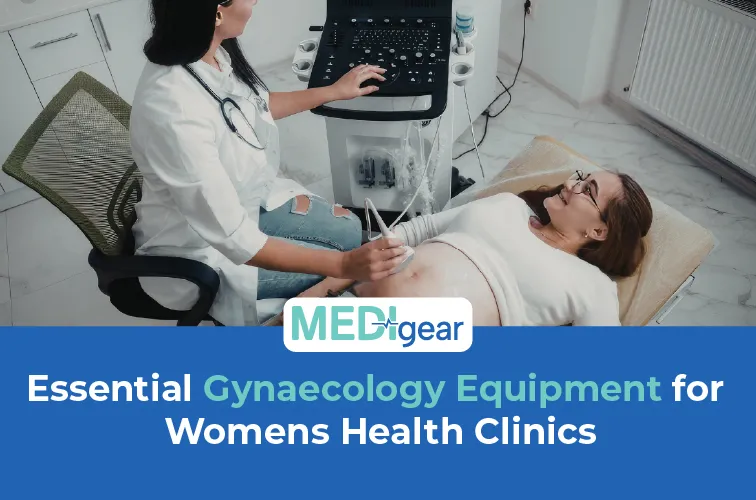
Ultrasound imaging plays a central role in the diagnosis of PCOS. Transvaginal ultrasound identifies polycystic ovarian morphology — typically defined as twelve or more follicles measuring two to nine millimetres in diameter, or an ovarian volume exceeding ten millilitres. Modern portable ultrasound devices make this assessment accessible in GP surgeries and women's health clinics without hospital referral. For clinics investing in gynaecological diagnostic capability, our guide to essential gynaecology equipment for women's health clinics covers the imaging and examination tools that support accurate PCOS assessment alongside broader reproductive health services.
Treatment Approaches
Treatment for PCOS is not one-size-fits-all — because PCOS itself is not one-size-fits-all. Lifestyle modification targeting insulin resistance through structured exercise, dietary changes that stabilise blood glucose, and sustainable weight management remains first-line for most patients. Combined oral contraceptives regulate cycles and reduce androgen levels. Metformin addresses insulin resistance directly. Anti-androgens manage hirsutism and acne. Fertility treatments support ovulation when pregnancy is the goal. The treatment plan must match the individual patient's symptoms, priorities, and life stage — not a protocol sheet.
The Psychological Burden
The psychological burden of PCOS is real, persistent, and frequently minimised. Living with visible symptoms — facial hair, acne, hair loss, weight that resists every effort — takes a toll on self-image, relationships, and mental health that blood tests cannot measure. Women with PCOS report higher rates of depression, anxiety, disordered eating, and social withdrawal than matched controls. Clinics that acknowledge this dimension and integrate psychological screening into PCOS care deliver measurably better outcomes than those that treat the condition as purely hormonal.
Fertility and PCOS
Fertility and PCOS are the question that weighs heaviest for many women — and the answer is more hopeful than most expect. PCOS is a leading cause of anovulatory infertility, but it is also one of the most treatable. Ovulation induction with letrozole or clomiphene succeeds for the majority of patients. Lifestyle modification alone restores ovulation in a significant proportion of women with PCOS-related infertility. IVF remains available for those who do not respond to first-line approaches. The critical step is diagnosis, because treatment cannot begin until someone names the problem.
Weight Stigma
Weight stigma intersects with PCOS in ways that cause genuine clinical harm. Women with PCOS who are overweight frequently report being told to simply lose weight before any diagnostic investigation begins — as though weight loss were a prerequisite for being taken seriously rather than a potential outcome of proper treatment. This approach delays diagnosis, damages trust, and ignores the metabolic reality that makes weight loss harder for PCOS patients than for the general population. Every woman presenting with suggestive symptoms deserves investigation regardless of her BMI.
The Gut Microbiome
The gut microbiome is emerging as a new frontier in PCOS research. Early evidence suggests that women with PCOS have measurably different gut bacterial profiles compared to women without the condition — and that these differences may contribute to inflammation, insulin resistance, and androgen excess. While microbiome-targeted therapies remain experimental, the research direction is promising and may eventually offer new treatment approaches that address root causes rather than managing downstream symptoms.
Awareness Gaps
PCOS awareness and education remain inadequate at almost every level. Medical training dedicates minimal time to the condition relative to its prevalence. Public awareness campaigns lag behind other conditions of similar impact. And the women living with PCOS often know more about their condition from online communities than from their clinical teams — a reality that should concern every healthcare professional reading this guide.
Why Choose Medigear
Medigear supports clinics with certified diagnostic and gynaecological equipment that enables accurate PCOS assessment, making it accessible, efficient, and clinically reliable. From ultrasound devices and blood testing equipment to examination couches and clinical workflow tools, our team helps women's health practices build the diagnostic capability that PCOS patients deserve. Reach out to our team directly for guidance on equipping your clinic to detect, diagnose, and support PCOS with the thoroughness this condition demands.
Conclusion
PCOS is not rare. It is not minor. And it is not something women should spend five years trying to get diagnosed. One in ten women lives with a condition that affects their skin, their weight, their fertility, their mental health, and their long-term metabolic risk — and too many of them are still being told it is just stress, just hormones, just bad luck. Clinics that invest in proper diagnostic equipment and structured assessment pathways change that story for every woman who walks through their door. Medigear stands alongside women's health practices with certified equipment and a genuine commitment to making PCOS diagnosis faster, more accurate, and more dignified. Speak to our team today and give your patients the answers they have been waiting for.