Maintaining a patient's normal body temperature during surgery is an essential part of perioperative care. Even a slight drop in core temperature can increase the risk of complications such as surgical site infections, excessive blood loss, delayed recovery, and prolonged hospital stays. As surgical procedures become more complex and recovery protocols continue to evolve, patient warming systems have become an important component of modern operating room equipment.
For medical equipment buyers services professionals worldwide, selecting the right patient warming system requires evaluating clinical performance, safety features, ease of operation, maintenance requirements, and compatibility with existing perioperative workflows. Healthcare facilities must also consider energy efficiency, consumable costs, and long-term service support when making purchasing decisions.
This guide explains how patient warming systems improve surgical safety, the healthcare settings where they are used, and the technical features hospitals should evaluate before investing in this essential equipment.
How Patient Warming Systems Improve Surgical Safety
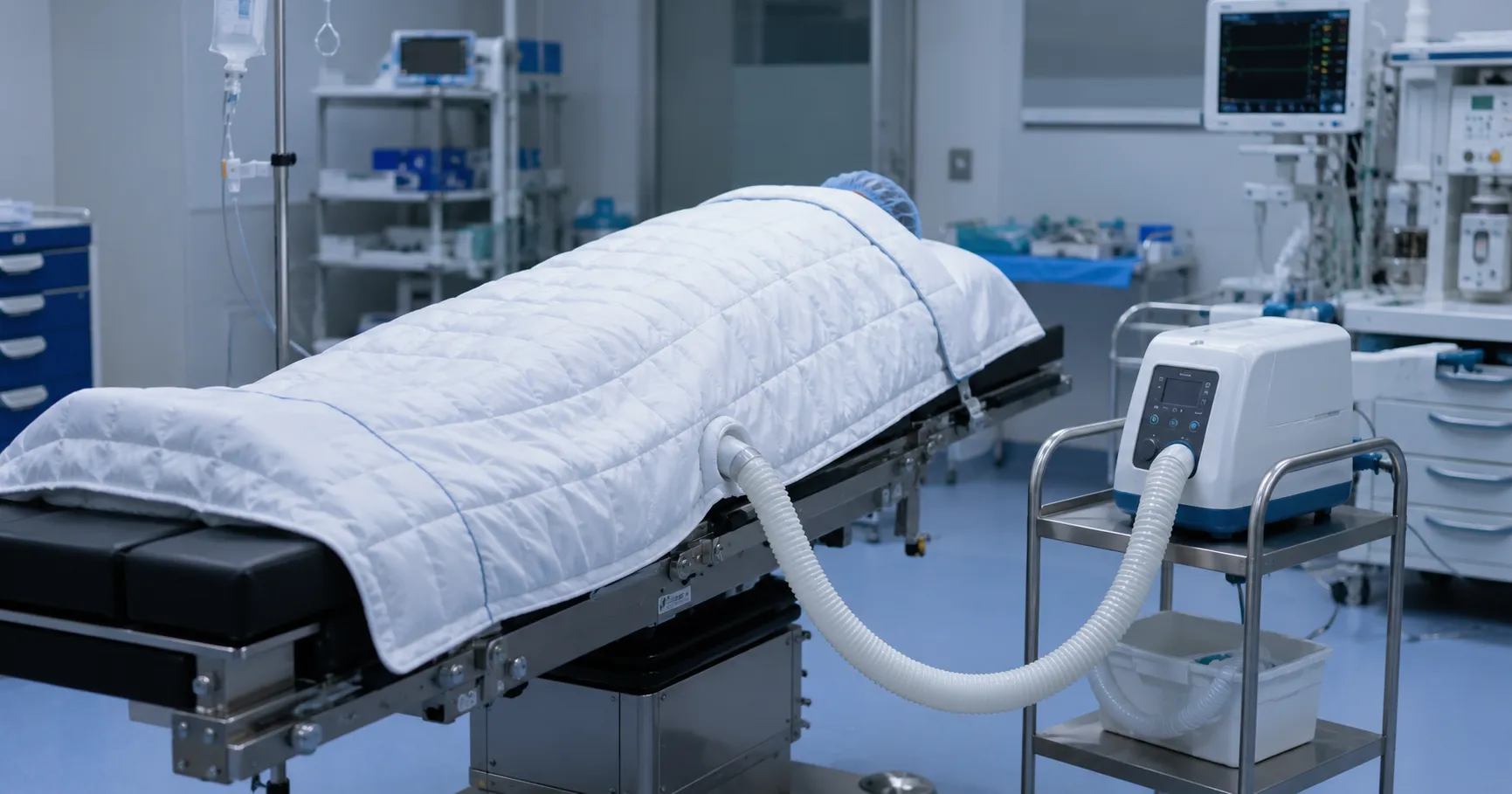
Patient warming systems are designed to maintain normothermia before, during, and after surgery by delivering controlled heat safely and consistently. Their primary objective is to reduce the risk of unintended perioperative hypothermia while supporting positive clinical outcomes.
Maintaining Normal Body Temperature — Modern warming systems deliver controlled heat to help patients maintain stable core temperatures throughout surgical procedures. Experienced perioperative teams often observe smoother patient recovery when body temperature remains within the recommended clinical range.
Reducing Surgical Complications — Maintaining normothermia may help reduce the likelihood of surgical site infections, excessive bleeding, and cardiovascular stress associated with hypothermia. Consistent temperature management also supports improved physiological stability during lengthy procedures.
Improving Patient Comfort and Recovery — Patient warming continues to benefit patients during the recovery phase by helping them regain thermal comfort more quickly. One aspect that surprises first-time buyers is how temperature management contributes not only to patient comfort but also to overall recovery efficiency.
Supporting Enhanced Recovery Protocols — Many healthcare facilities include active warming systems within Enhanced Recovery After Surgery (ERAS) pathways. Proper temperature management supports multidisciplinary efforts to improve patient outcomes and reduce recovery times.
Healthcare Settings Where Patient Warming Systems Are Used
Patient warming systems are used across numerous healthcare environments where maintaining patient temperature is an important part of clinical care.
General Operating Theatres — Most hospitals use patient warming systems during general surgical procedures to minimise the risk of perioperative hypothermia. These systems are commonly used alongside anaesthesia equipment and patient monitoring devices to support comprehensive perioperative care.
Healthcare providers working with trusted international healthcare business suppliers often receive guidance on selecting warming systems that meet applicable local regulatory standards and integrate with existing operating room equipment.
Cardiac and Major Surgical Centres — Complex procedures with prolonged operating times often require advanced warming systems to maintain consistent patient temperatures throughout surgery. Reliable temperature management becomes especially important during major cardiovascular and transplant procedures.
Day Surgery and Ambulatory Centres — Outpatient surgical facilities often select compact warming systems that are easy to operate, transport, and maintain. Efficient warming improves patient comfort before discharge while supporting fast-paced clinical workflows.
Recovery Rooms and Intensive Care Units — Patient warming systems are also used after surgery to assist patients recovering from anaesthesia or experiencing temperature instability. Facilities that use warming equipment across multiple departments frequently report improved continuity in perioperative temperature management.
Technical Features Hospitals Should Evaluate
Technical specifications should always be assessed according to their impact on clinical performance, patient safety, and operational efficiency.
Accurate Temperature Control — High-quality patient warming systems provide precise temperature regulation with multiple adjustable settings. Procurement teams should evaluate temperature consistency rather than simply comparing maximum heating capability.
Safety Monitoring and Alarm Systems — Modern systems incorporate over-temperature protection, automatic shutdown functions, airflow monitoring, and electronic safety alarms. These features help reduce the risk of overheating while supporting safe clinical operation.
Compatibility with Warming Blankets and Accessories — Many systems support a range of blanket sizes and designs suitable for various surgical specialities and patient populations. Experienced procurement managers often consider consumable availability because ongoing blanket costs contribute to long-term ownership expenses.
Energy Efficiency and User-Friendly Operation — Modern patient warming systems combine efficient heating performance with intuitive controls, touchscreen interfaces, and simplified maintenance. Hospitals planning future operating room upgrades frequently prioritise systems that deliver reliable performance and reduce operating costs over time.
Procurement Considerations Before Purchasing a Patient Warming System
Choosing the right patient warming system requires careful evaluation of clinical performance, safety, operating costs, and long-term service support. Procurement teams should look beyond the initial purchase price and assess how the equipment will perform throughout its operational life. Experienced healthcare supply managers often prioritise reliability, ease of maintenance, and compatibility with existing perioperative workflows when comparing different systems.
Evaluating Total Cost of Ownership — The purchase cost is only one part of the investment. Hospitals should also consider the costs of disposable blankets, energy consumption, preventive maintenance, spare parts availability, software updates where applicable, and the expected equipment lifespan. Facilities that assess lifetime ownership costs often find that dependable systems provide greater value through reduced downtime and improved clinical efficiency.
Verifying Compliance and Safety Standards — Patient warming systems should comply with applicable local regulatory standards and recognised certifications such as CE, FDA, or their regional equivalents. Procurement teams should review technical documentation, electrical safety certifications, temperature accuracy testing, and manufacturer quality assurance before approving equipment purchases.
Healthcare providers comparing products from suppliers and manufacturers business advertise to global healthcare buyers frequently request independent performance data, warranty details, and after-sales service commitments before selecting a supplier.
Assessing Service and Technical Support — Reliable technical support is essential because patient warming systems are used daily in surgical environments. Hospitals should evaluate warranty coverage, preventive maintenance programmes, response times, spare part availability, and clinical training before making a procurement decision.
Planning for Future Clinical Needs — Healthcare facilities expanding surgical services should choose warming systems that support different patient populations and a wide range of surgical specialities. Flexible equipment can continue meeting clinical requirements as operating theatres evolve.
Healthcare organisations managing procurement across multiple facilities often benefit from establishing long-term medical equipment supply business partners, helping ensure consistent equipment quality, coordinated servicing, and efficient purchasing across their healthcare network.
Maintenance and Maximising Equipment Service Life
Routine maintenance helps patient warming systems deliver consistent performance while protecting patient safety and extending equipment lifespan.
Preventive Maintenance Inspections — Biomedical engineering teams should regularly inspect blowers, heating elements, airflow systems, filters, power connections, and control panels in accordance with the manufacturer's recommendations. Scheduled inspections help identify potential issues before they interrupt clinical services.
Cleaning and Infection Prevention — Equipment surfaces, air filters, reusable accessories, and connection points should be cleaned after clinical use using approved procedures. Proper cleaning supports infection prevention while maintaining equipment performance.
Routine Performance Verification — Temperature accuracy, airflow consistency, alarm functions, and safety systems should be tested periodically to ensure reliable operation. Facilities operating in regions with limited local technical support often discover that preventive servicing significantly reduces repair costs and improves equipment availability over the long term.
Global Demand and International Procurement Trends
Patient warming systems continue to experience growing demand as healthcare providers place greater emphasis on perioperative temperature management and enhanced surgical recovery protocols.
Increasing Adoption of Active Warming Technology — Hospitals around the world are replacing passive warming methods with active warming systems that provide controlled temperature management throughout surgery. Improved awareness of perioperative hypothermia has contributed to wider adoption across many surgical specialities.
Selecting Between Premium and Standard Systems — Some healthcare facilities prioritise advanced systems with digital controls, multiple warming modes, and enhanced safety features. In contrast, others opt for standard models that meet essential clinical requirements within available budgets. Procurement decisions should align with surgical workload and long-term operational goals.
Managing International Equipment Procurement — Hospitals purchasing patient warming systems internationally should evaluate export documentation, shipping timelines, installation support, technical training, customs requirements, and local service availability. Careful planning helps ensure equipment is installed efficiently and performs reliably from the first day of operation.
Final Thoughts
Patient warming systems play a vital role in maintaining normal body temperature throughout the surgical journey, helping reduce the risk of perioperative hypothermia while supporting patient safety and recovery. Their contribution extends beyond patient comfort by improving clinical outcomes and supporting efficient perioperative care.
Hospitals should evaluate the accuracy of temperature control, safety features, consumable costs, maintenance requirements, regulatory compliance, and long-term service support before selecting a patient warming system. A well-planned procurement decision helps healthcare facilities achieve dependable clinical performance, efficient workflows, and sustainable long-term value.
Disclaimer
Medigear.uk is a global medical equipment supplier, exporter, and distributor. The content published on this site is intended for educational and product awareness purposes only. Nothing on this page constitutes medical advice, clinical guidance, or treatment recommendations. All healthcare procurement and clinical decisions should be made by qualified medical professionals and compliant procurement teams operating within the regulatory frameworks of their respective countries.