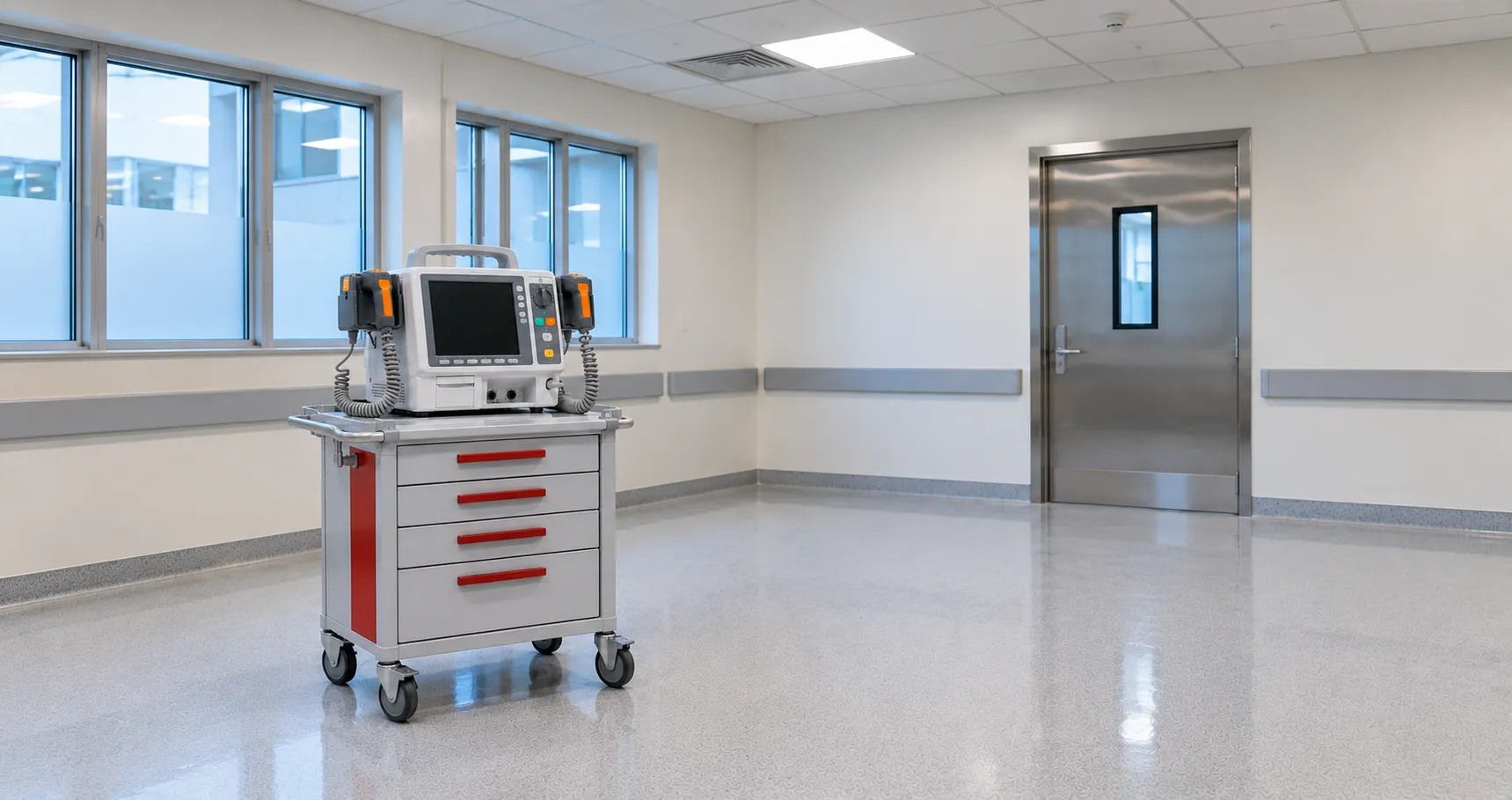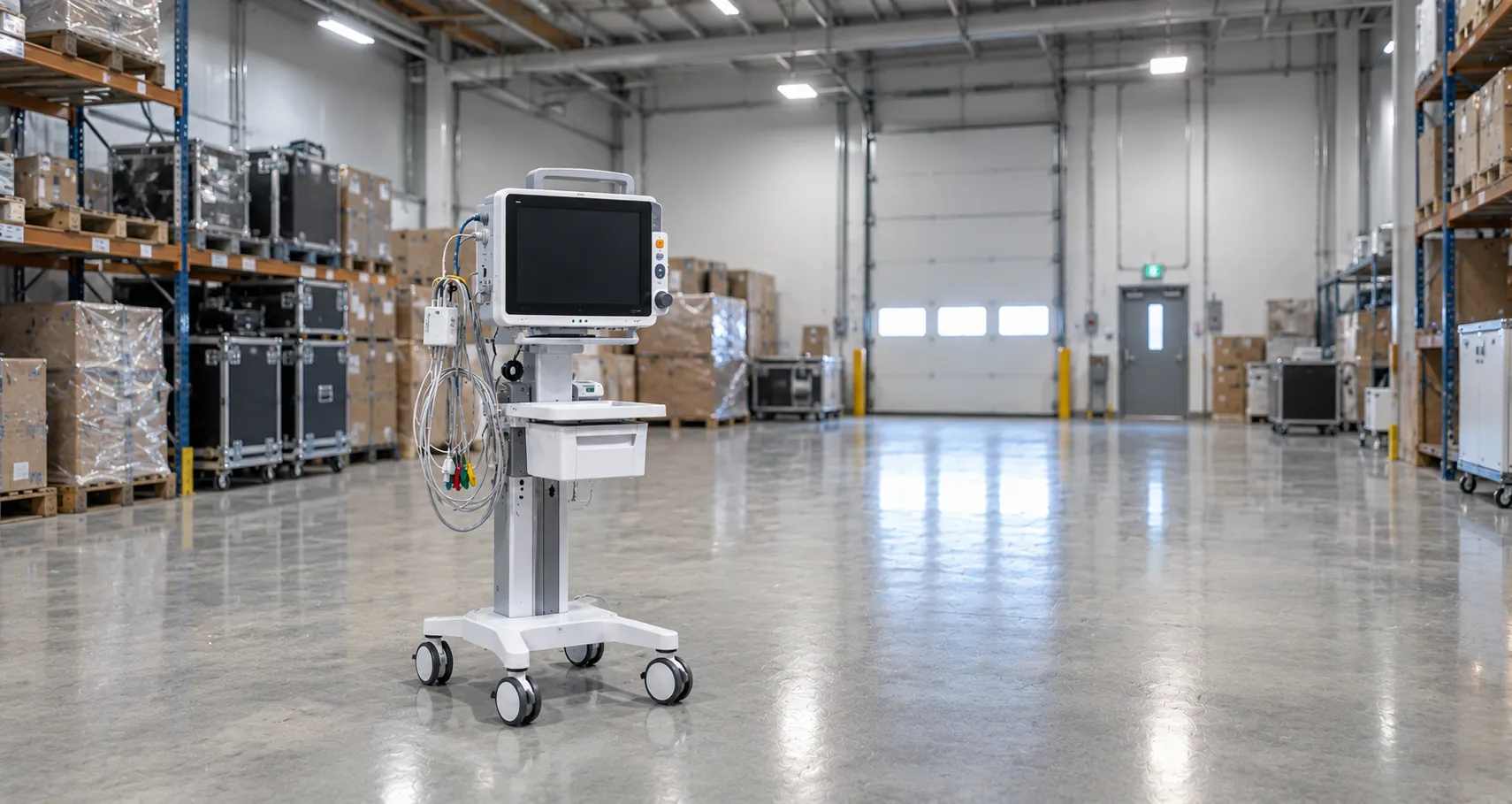
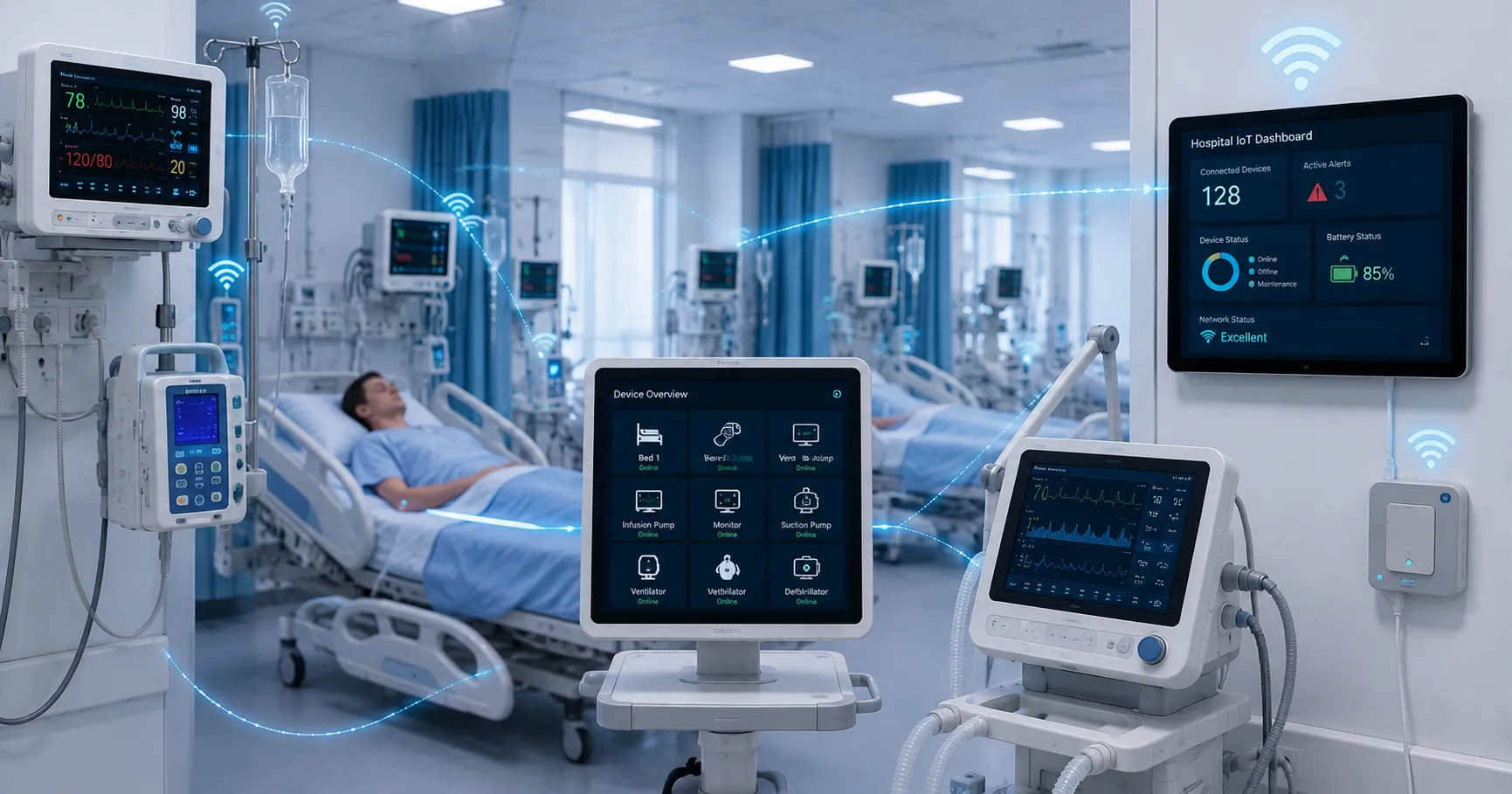
Automated hospital equipment helps healthcare facilities reduce repetitive manual tasks, improve workflow visibility, support faster information movement, and manage clinical operations more efficiently. These systems may include automated laboratory analysers, smart medication systems, robotic support equipment, automated sterilisation devices, connected patient monitors, digital imaging systems, smart hospital beds, automated pharmacy tools, asset tracking platforms, and cloud-based maintenance dashboards.
For healthcare buyers, automated hospital equipment should be selected with careful attention to clinical purpose, workflow fit, safety, staff training, cybersecurity, interoperability, maintenance, spare parts, service support, and regulatory documentation. The FDA describes digital health technologies as systems that use computing platforms, connectivity, software, and sensors for healthcare and related uses, which reflects how many automated hospital systems operate in clinical environments.
How Automated Hospital Equipment Improves Efficiency
Automated hospital equipment improves efficiency by helping healthcare teams complete selected tasks with less manual effort, fewer delays, and better data visibility. The goal is not to remove staff from care. The goal is to support doctors, nurses, technicians, biomedical engineers, and operations teams with reliable tools that improve daily workflow.
Reduced Repetitive Tasks — Automation can eliminate repetitive manual steps such as sample handling, device status checks, patient data entry, inventory tracking, equipment location searches, and maintenance scheduling.
Faster Clinical Information Flow — Connected automated equipment can move test results, images, readings, alerts, and service data into dashboards or hospital systems more quickly.
Improved Department Coordination — Automated systems can help laboratories, imaging departments, ICUs, operating rooms, pharmacies, and wards coordinate tasks with fewer communication gaps.
Better Equipment Utilisation — Automated tracking and management platforms can show which devices are available, under repair, overdue for service, or frequently used.
Where Automated Hospital Equipment Is Used
Automated hospital equipment can support many healthcare departments. The correct equipment depends on patient volume, staff workload, department function, infrastructure, and budget.
Clinical Laboratories — Automated analysers, sample processors, barcode systems, centrifuges, immunoassay systems, haematology analysers, and biochemistry analysers help laboratories process samples more efficiently and reduce manual handling.
Diagnostic Imaging Departments — Digital imaging systems, automated positioning tools, image processing software, PACS connectivity, and AI-supported review tools can help imaging teams manage workflow and reporting.
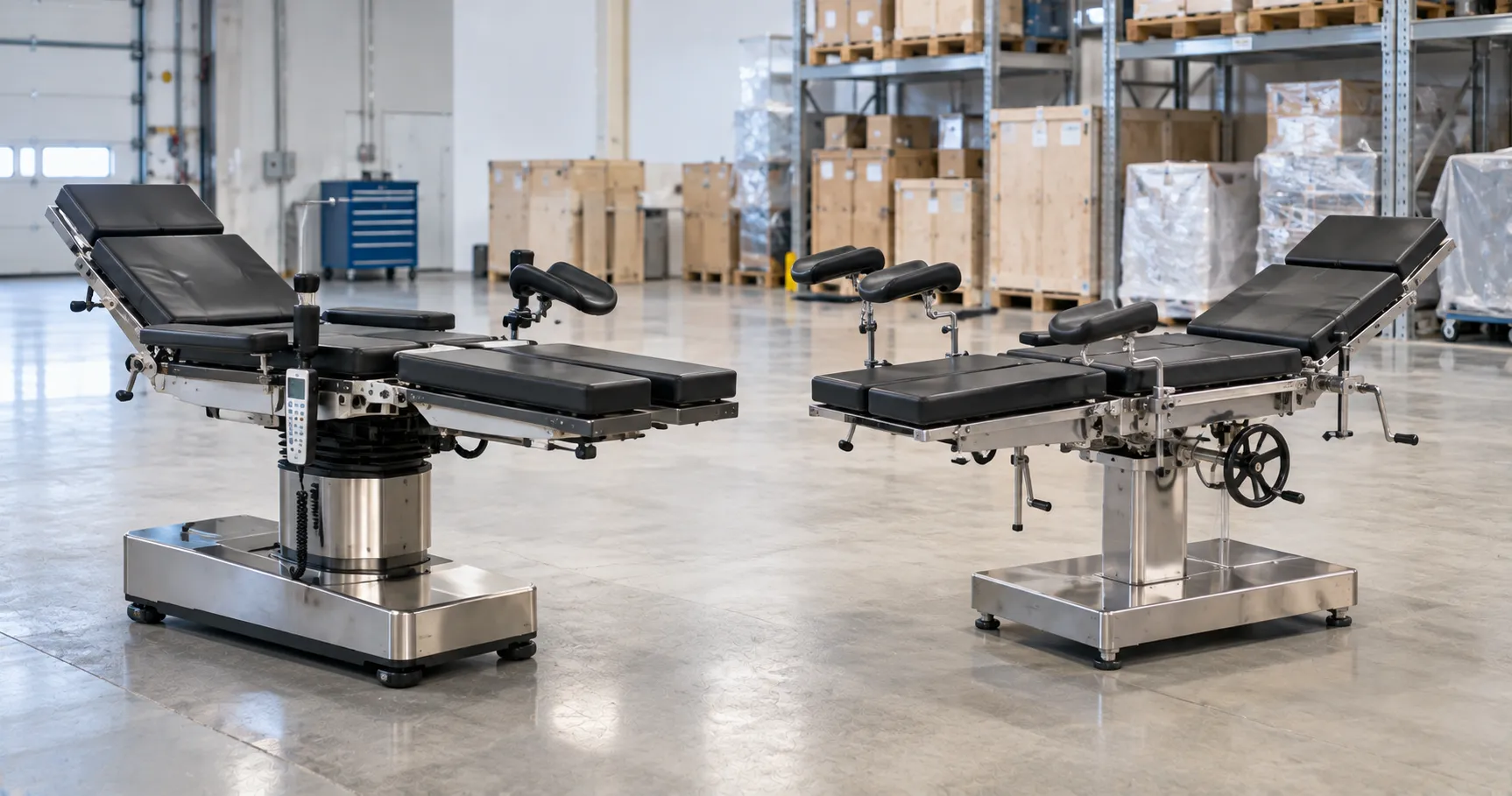
Operating Rooms and Procedure Areas — Automated surgical tables, robotic support tools, connected anaesthesia workstations, smart lighting systems, electrosurgical equipment, and digital procedure room systems can support theatre workflow.
Intensive Care Units (ICUs) may use connected monitors, ventilators, infusion systems, smart beds, central monitoring stations, and alarm systems to support high-acuity care.
Sterilisation and CSSD Areas — Automated washer-disinfectors, autoclaves, tracking systems, drying cabinets, and sterile storage tools help manage instrument cleaning, sterilisation, and documentation.
Pharmacy and Medication Areas — Automated medication storage and dispensing systems, barcode tools, and inventory platforms can streamline medication handling and reduce manual stock management.
Facilities sourcing through regulated and certified equipment suppliers worldwide should confirm equipment documentation, training requirements, service support, software lifecycle, and compatibility before procurement.
Common Types of Automated Hospital Equipment
Automated hospital equipment covers both clinical and operational systems. Buyers should understand whether automation improves safety, speed, accuracy, documentation, maintenance, or staff workflow.
Automated Laboratory Equipment — Laboratory automation may include sample sorting, analysers, reagent handling, result transfer, quality-control checks, and digital reporting.
Automated Sterilisation Equipment — Washer-disinfectors, autoclaves, sterilisation-tracking systems, and drying equipment support the CSSD workflow and infection-prevention processes.
Smart Patient Monitoring Systems — Connected monitors can collect vital signs, send alerts, display trends, and share data with central stations or clinical dashboards.
Automated Medication Systems — Medication storage and dispensing tools can support inventory visibility, controlled access, and medication workflow when implemented with proper pharmacy policies.
Robotic Hospital Equipment — Robotic systems may support surgery, rehabilitation, logistics, pharmacy, cleaning, or laboratory operations, depending on facility needs.
Automated Imaging Systems — Imaging equipment may include automated exposure control, positioning support, image enhancement, worklist management, and digital reporting connectivity.
Asset Tracking Platforms — Barcode, RFID, Bluetooth, or real-time location systems can help hospitals find and manage equipment more efficiently.
Cloud-Based Maintenance Platforms — These systems help biomedical teams organise work orders, preventive maintenance, service history, spare parts, and equipment lifecycle planning.
Benefits of Automated Hospital Equipment
Automated equipment can support efficiency when the technology is aligned with actual workflow needs.
Faster Turnaround Time — Automation can help diagnostic, laboratory, pharmacy, and sterilisation departments process work more quickly.
Reduced Manual Errors — Barcode systems, automated data transfer, controlled workflows, and digital records can reduce errors caused by repeated manual entry.
Better Staff Productivity — Staff can spend less time on repetitive tasks and more time on clinical care, technical review, patient support, and decision-making.
Improved Equipment Availability — Automated asset tracking and maintenance dashboards can help teams locate equipment more quickly and reduce avoidable downtime.
Stronger Documentation — Automated systems can support digital records for test results, sterilisation cycles, service history, calibration, inventory, and quality-control checks.
Better Planning Data — Usage reports and dashboard analytics can help procurement teams decide when to replace, repair, standardise, or expand equipment.
Automation and Interoperability
Interoperability is important because automated hospital equipment often needs to exchange information with other systems. A device may work well on its own but create extra work if it does not connect with existing hospital platforms.
Hospital System Compatibility — Buyers should confirm whether automated equipment can connect with EMR, HIS, LIS, PACS, nurse call systems, asset platforms, pharmacy systems, or maintenance software.
Safe Data Exchange — FDA defines medical device interoperability as the ability to exchange and use information among devices, products, technologies, or systems safely, securely, and effectively.
Data Mapping — Automated data must be mapped correctly. Wrong units, missing timestamps, duplicate records, or incorrect patient matching can create serious workflow risks.
Downtime Workflow — Automated systems should have backup procedures in place. Staff must know what to do if software, network, cloud access, or power fails.
Vendor Coordination — Integration may require cooperation between equipment suppliers, hospital IT teams, software vendors, and biomedical engineers.
Cybersecurity and Data Security
Automated hospital equipment may connect to networks, cloud platforms, remote service tools, dashboards, mobile apps, or patient data systems. This creates cybersecurity responsibility.
Access Control — Facilities should define who can operate equipment, change settings, approve remote access, export reports, and manage software updates.
Secure Data Transmission — Buyers should ask whether patient data, service data, images, results, and equipment records are encrypted during transfer and storage.
Remote Service Rules — Some suppliers use remote access for troubleshooting or software support. Access should be approved, logged, limited, and controlled in accordance with facility policy.
Software Updates — Automated equipment may need firmware, software, app, or cloud updates. Updates should be documented and planned to avoid workflow disruption.
Cybersecurity Documentation — FDA cybersecurity guidance provides recommendations on cybersecurity device design, labelling, and documentation for devices with cybersecurity risk. This supports the need for cybersecurity review before buying connected or automated equipment.
Procurement Guidance for Automated Hospital Equipment
Procurement of automated hospital equipment should involve clinical users, biomedical engineers, IT teams, cybersecurity staff, facility planners, finance teams, legal teams, compliance staff, and procurement teams. Automation affects multiple departments, so the buying process should be cross-functional.
Total Cost of Ownership — Buyers should include device price, installation, accessories, consumables, reagents, software licences, cloud fees, integration, staff training, cybersecurity review, preventive maintenance, spare parts, service contracts, and replacement planning.
Workflow Requirement Review — Facilities should define the workflow problem before selecting equipment. Automation should reduce delays, improve accuracy, support staff, or improve equipment visibility.
Supplier Transparency — Suppliers and manufacturers advertising to global healthcare buyers should provide clear specifications, intended use, automation features, software details, cybersecurity documentation, service terms, warranty, training, and spare part availability.
Compliance and Documentation — Procurement teams should request conformity documents, product registrations where relevant, user manuals, service manuals, calibration requirements, cleaning instructions, cybersecurity information, software version details, warranty terms, and training materials.
Pilot Testing Before Scale-Up — Hospitals should test automated equipment in real-world workflows before large-scale procurement. A pilot can reveal usability problems, integration issues, staff training gaps, maintenance concerns, and hidden costs.
Healthcare groups managing multiple hospitals or clinics may benefit from structured distribution and reseller partnership arrangements. Standardising automated equipment, accessories, software platforms, training, and service support can reduce variation across sites.
Key Questions Buyers Should Ask Suppliers
Automated hospital equipment requires detailed supplier evaluation because it affects clinical workflow, data flow, maintenance, and staff routines.
What workflow does the equipment automate? — The supplier should explain the exact task, process, or department workflow that the equipment supports.
What manual steps remain? — Automation rarely removes every manual task. Buyers should understand what staff still need to do.
What systems does it connect with? — Suppliers should confirm compatibility with laboratory systems, imaging platforms, hospital information systems, maintenance platforms, or pharmacy systems.
What happens during downtime? — Buyers should understand backup procedures if software, power, connectivity, or automation functions fail.
What consumables are required? — Automated equipment may depend on reagents, cartridges, sensors, filters, trays, labels, tubing, batteries, or service kits.
What training is included? — Staff training should cover operation, troubleshooting, cleaning, safety, documentation, and escalation.
How long will software and spare parts be supported? — Automation systems need long-term support to remain useful and safe.
Maintenance and Biomedical Engineering Planning
Automated hospital equipment needs strong maintenance planning. More automation often means more software, sensors, motors, calibration points, and service requirements.
Preventive Maintenance — WHO maintenance guidance explains that a medical equipment maintenance strategy includes inspection, preventive maintenance, and corrective maintenance, with preventive maintenance helping extend equipment life and reduce failure rates.
Calibration and Quality Checks — Laboratory, diagnostic, monitoring, and therapeutic automation may need regular calibration, verification, and quality-control checks.
Spare Parts Planning — Motors, sensors, pumps, valves, tubing, filters, batteries, probes, scanners, trays, and circuit boards may need replacement during the equipment lifecycle.
Software Version Control — Biomedical and IT teams should document software versions, firmware updates, configuration changes, and service actions.
Service Records — Maintenance reports, downtime logs, fault records, calibration certificates, warranty claims, and replacement parts should be stored for audit readiness.
Backup Equipment Planning — Critical automated systems should have backup workflows or replacement equipment so clinical services can continue during maintenance.
Staff Training and Change Management
Automation changes daily routines. Staff may resist automated equipment if it is difficult to use, poorly explained, or introduced without workflow support.
Role-Based Training — Nurses, doctors, laboratory staff, radiology teams, theatre staff, pharmacy teams, biomedical engineers, and IT teams may each need different training.
Practical Workflow Training — Training should show how the equipment fits into real clinical workflows, not just how the buttons work.
Troubleshooting Skills — Staff should know how to respond to alarms, errors, jams, failed scans, connectivity loss, low supplies, and service warnings.
Escalation Rules — Facilities should define when users should call biomedical engineering, IT, the supplier, or department leadership.
Refresher Training — Automated equipment may change after software updates, staff changes, or workflow adjustments. Refresher training helps maintain safe use.
Automation in Laboratory and Diagnostic Services
Laboratory and diagnostic departments often benefit greatly from automation because they handle large volumes of samples, images, and reports, as well as quality-control tasks.
Sample Processing — Automated systems can support sample sorting, preparation, analysis, and result transfer.
Result Reporting — Connected systems can reduce manual transcription and support faster reporting when integration is configured correctly.
Quality Control — Automated devices may record control results, calibration status, reagent information, and error logs.
Imaging Workflow — Digital imaging systems can support worklists, image transfer, reporting queues, and remote review.
Point-of-Care Testing — Automated point-of-care devices can help selected departments obtain results near the patient, but quality control and operator training remain essential.
Automation in Operations and Facility Management
Automated hospital equipment is not limited to clinical devices. Operations teams also use automation to manage equipment movement, maintenance, inventory, and logistics.
Asset Tracking — Automated tracking helps teams find mobile equipment faster and reduces the time spent searching for devices.
Inventory Management — Automated stock systems can support reorder planning for consumables, spare parts, and clinical supplies.
Maintenance Dashboards — Cloud-based platforms can help biomedical teams manage work orders, preventive maintenance, downtime, and service history.
Sterile Processing Records — CSSD automation can help track instrument cleaning, sterilisation cycles, and equipment readiness.
Energy and Utility Monitoring — Some facilities use automated monitoring for medical gas, power, HVAC, refrigeration, and support systems.
Challenges of Automated Hospital Equipment
Automation can improve efficiency, but poor planning can create new problems.
High Initial Cost — Automated systems may require investment in hardware, software, integration, training, and service contracts.
Hidden Running Costs — Consumables, software licences, cloud fees, service visits, spare parts, and upgrades can increase long-term costs.
Workflow Mismatch — Equipment that does not fit he department's real workflow may slow staff down rather than improve efficiency.
Integration Problems — Automation may fail to deliver value if it cannot connect with existing hospital systems.
Staff Resistance — Staff may avoid automation if training is inadequate or if the system generates more alerts and additional documentation.
Maintenance Complexity — Automated equipment may require specialist service support, planned spare parts, and software lifecycle management.
International Sourcing Considerations
Automated hospital equipment can be sourced internationally when buyers clearly define the department, workflow goal, device category, automation level, software needs, connectivity requirements, power specifications, consumables, documentation, warranty, service access, training, spare parts, and compliance expectations.
Buyers should confirm whether they need automated laboratory equipment, smart patient monitoring systems, robotic support equipment, automated sterilisation equipment, pharmacy automation tools, asset tracking platforms, cloud maintenance systems, or full hospital workflow automation packages. For project-based sourcing, buyers can contact the Medigear.uk team for supply support to discuss availability, documentation, export needs, and procurement requirements.
Future Role of Automated Equipment in Hospitals
Automated hospital equipment will continue to support healthcare facilities by improving speed, visibility, accuracy, and operational control. However, successful automation depends on more than buying advanced devices. It requires clear workflows, trained staff, cybersecurity planning, maintenance support, supplier accountability, and realistic cost planning.
The best automation strategy starts with a real hospital problem. Facilities should identify where delays, manual errors, staff overload, equipment shortages, or documentation gaps are affecting performance. Then they should choose equipment that solves those problems in practical, measurable ways.
When selected responsibly, automated hospital equipment can help healthcare teams reduce repetitive work, improve service readiness, support clinical departments, and manage resources more efficiently.
Final Thoughts
Automated hospital equipment helps healthcare facilities improve efficiency by reducing repetitive manual work, supporting faster information flow, strengthening equipment visibility, and improving workflow consistency. These systems can support laboratories, imaging departments, ICUs, operating rooms, pharmacies, CSSD areas, and biomedical engineering teams.
The right automated equipment should align with clinical needs, departmental workflows, interoperability requirements, cybersecurity policies, maintenance capacity, staff training, total cost of ownership, and local compliance standards. Buyers should review documentation, service support, spare parts, software lifecycle, and supplier reliability before ordering.
Disclaimer
Medigear.uk is a global medical equipment supplier, exporter, and distributor. The content published on this site is intended for educational and product awareness purposes only. Nothing on this page constitutes medical advice, clinical guidance, cybersecurity advice, data protection advice, legal advice, or treatment recommendations. All healthcare procurement, technology, data, legal, and clinical decisions should be made by qualified professionals and compliant procurement teams operating within the regulatory frameworks of their respective countries.