Hospital equipment purchasing becomes difficult to control when every department submits requirements independently. Similar devices may be purchased under different specifications, suppliers may quote incompatible configurations, and maintenance teams may be expected to support more equipment platforms than their resources allow.
For healthcare buyers, hospital equipment category planning provides a structured way to organise related products, assess demand and coordinate purchasing decisions. Instead of evaluating every request as a separate transaction, managers can examine how equipment groups support clinical services across the facility.
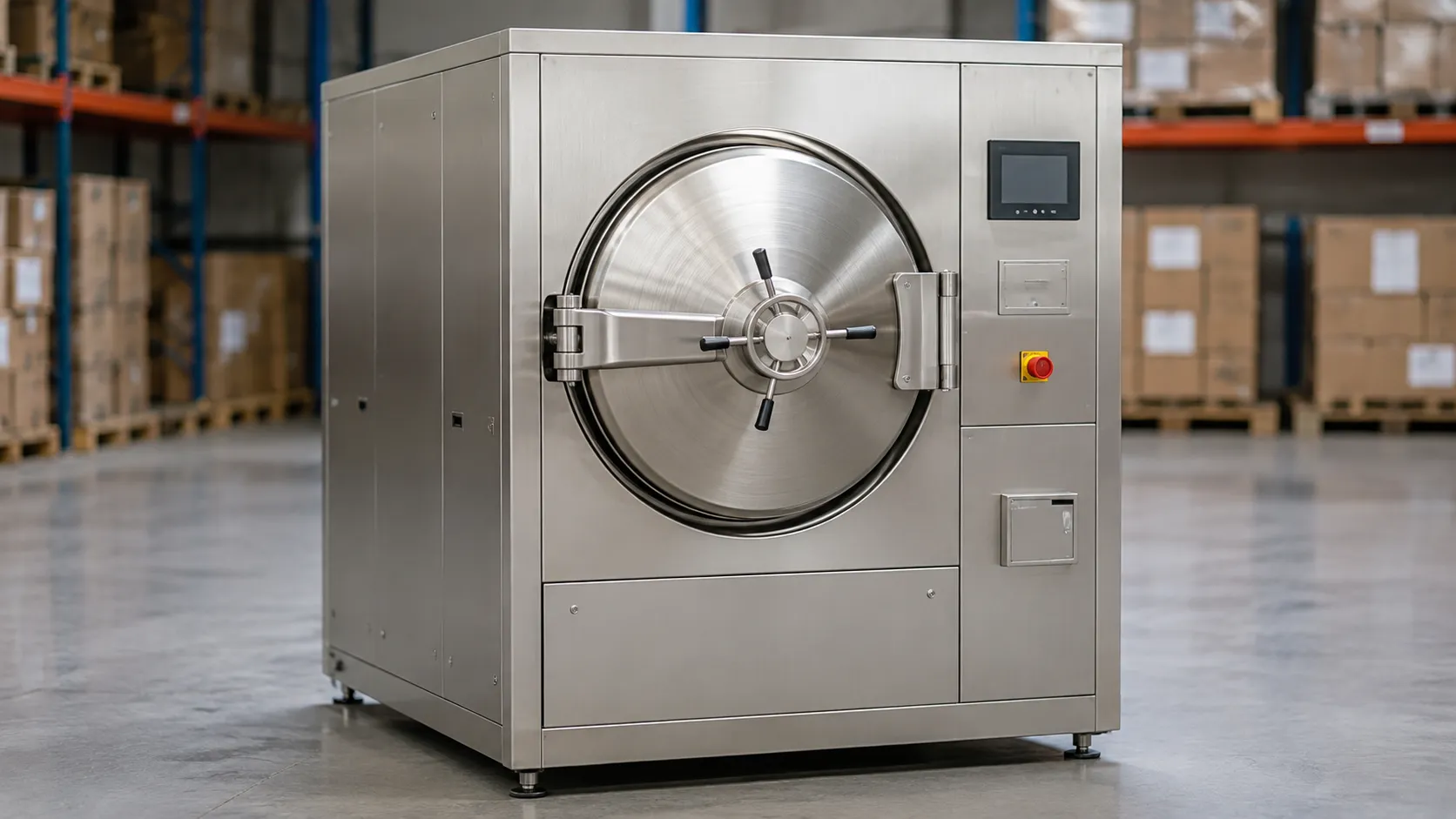
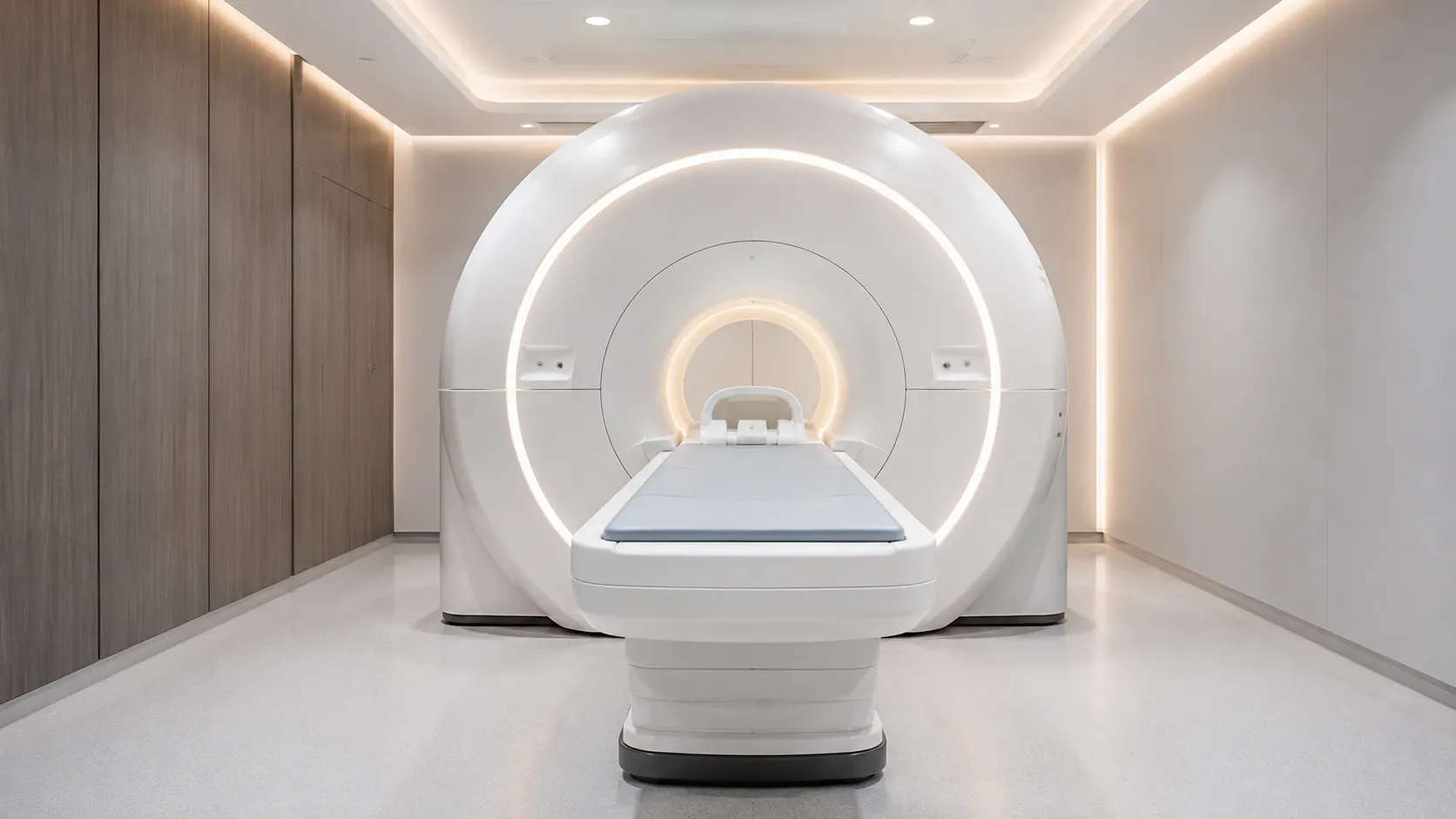
A category may include patient monitors, imaging equipment, laboratory analysers, operating theatre systems, sterilisation devices, hospital furniture or rehabilitation products. Each category can then be reviewed according to clinical need, current assets, supplier options, lifecycle costs and future growth.
Effective category planning improves budget visibility and reduces fragmented purchasing. This guide explains how healthcare managers can build equipment categories, set priorities, evaluate specifications and create sustainable sourcing strategies.
How Category Planning Organises Clinical Equipment Demand
Equipment category planning connects departmental requirements with a wider view of clinical operations. It helps managers understand what the organisation already owns, what it genuinely needs and where standardisation may improve value.
Clinical service alignment — Every category should relate to a defined clinical function. Patient monitoring, for example, may support emergency, intensive care, operating theatre, recovery and ward services, but the required performance can differ between these settings.
Managers should avoid grouping equipment solely by product name when clinical risk and operational requirements differ.
Consolidated demand visibility — Category planning brings together requests from several departments. This can reveal duplicate purchases, shared requirements, and opportunities to coordinate delivery, training, or maintenance.
In practice, procurement teams often find that departments request similar equipment at different times because no central demand schedule exists.
Clear category ownership — Each category should have responsible clinical, technical and procurement representatives. These stakeholders should review demand, specifications, supplier performance and lifecycle risks.
Category ownership reduces the likelihood that decisions remain dependent on a single department or individual.
Budget coordination — Equipment categories allow managers to compare spending across clinical areas. Capital purchases, consumables, software, accessories, and service contracts can be reviewed as part of a single financial picture.
This provides stronger evidence for budget prioritisation than isolated product quotations.
Risk-based planning — Categories containing life-support, diagnostic or infection-control equipment may need stronger controls than lower-risk furniture or general-use devices. Review frequency, supplier qualification and backup planning should reflect the consequences of equipment failure.
Future capacity planning — Managers can connect category demand with expected service growth, new departments and replacement schedules. This supports phased investment instead of repeated emergency purchases.
A useful category structure should simplify decision-making without hiding important differences between clinical environments.
Category Priorities Across Different Healthcare Settings
Equipment categories should reflect the services delivered, the available infrastructure, and the technical support within each healthcare setting. A large hospital and a community clinic may use similar category names but require very different specifications and purchasing strategies.
Large hospitals and teaching facilities — Major hospitals may manage categories covering imaging, surgery, critical care, laboratory, sterilisation, neonatal care and general wards. Each category may contain several equipment tiers for different clinical environments.
These organisations often benefit from category committees that coordinate clinical, engineering and procurement decisions.
District and regional hospitals — Regional facilities may focus on dependable equipment with manageable service requirements. When reviewing established international healthcare equipment suppliers, managers should assess whether suppliers can support several related products without weakening specialist expertise.
Experienced clinical supply managers typically assess service access and spare parts availability by category rather than accepting a general supplier capability statement.
Community clinics and outpatient centres — Smaller facilities may organise equipment around examination, basic diagnostics, point-of-care testing, treatment and patient mobility. Category plans should avoid excessive product variation where staff and maintenance resources are limited.
Compact and multi-purpose equipment may provide suitable value when it remains clinically appropriate.
Diagnostic and laboratory facilities — These settings may require separate categories for analysers, imaging systems, sample preparation, refrigeration and quality-control equipment. Consumables, reagents and software should be included because they can represent substantial recurring expenditure.
Surgical and treatment centres — Equipment categories may include operating tables, lighting, anaesthesia, electrosurgery, suction, sterilisation and recovery monitoring. Managers should examine how the categories work together across the complete procedure pathway.
Mobile and remote healthcare programmes — Portable diagnostics, power systems, protective cases and communication tools may form linked categories. Equipment should be reviewed for battery life, transport durability and field maintenance.
Multi-facility healthcare groups — Central category planning can support shared specifications, consolidated purchasing and common training. Local facilities should still document differences in workload, space and infrastructure.
Category planning works best when it reflects real service conditions rather than applying one portfolio design to every healthcare location.
Technical Criteria for Building Equipment Categories
Category definitions should help managers compare clinically similar products while preserving technical differences that affect safety, performance and support.
Clinical risk classification — Equipment can be grouped according to how failure would affect patient care. Critical devices may require tighter standardisation, backup capacity and service-response requirements.
Lower-risk equipment may allow broader supplier choice and simplified approval controls.
Performance and capacity ranges — Products within one category may require different performance levels. A ward monitor and an intensive care monitor may belong to the same broad category but should not be treated as interchangeable.
Category plans should define appropriate tiers according to clinical workload.
Accessory and consumable compatibility — Sensors, cables, probes, batteries, reagents and other recurring items can influence category decisions. Compatible accessories may reduce inventory complexity, but standardisation should never override clinical suitability.
Infrastructure requirements — Voltage, power stability, network access, medical gases, ventilation, water and space can affect which products belong in a standard category. Managers should identify where differences in infrastructure require alternative configurations.
Software and connectivity — Connected equipment may depend on integration, licences, data storage and cybersecurity support. Devices using incompatible software platforms can create additional technical and administrative work.
Serviceability — A category should consider engineer access, preventive maintenance, spare parts and repair tools. Supporting too many unrelated platforms can increase downtime and training requirements for biomedical engineering teams.
Regulatory documentation — Equipment must meet applicable local regulatory standards, including CE, FDA, or their regional equivalents, where relevant. Category specifications should identify the conformity and registration evidence required from suppliers.
Expected service life — Managers should consider manufacturer support, software availability and likely parts continuity. Equipment with a low purchase price may provide poor category value if it becomes unsupported quickly.
Technical category criteria should explain why products can be evaluated together and where separate subcategories are necessary.
How Healthcare Managers Should Build a Category Procurement Plan
A category procurement plan should convert clinical demand and equipment data into a clear sourcing, budgeting and implementation strategy.
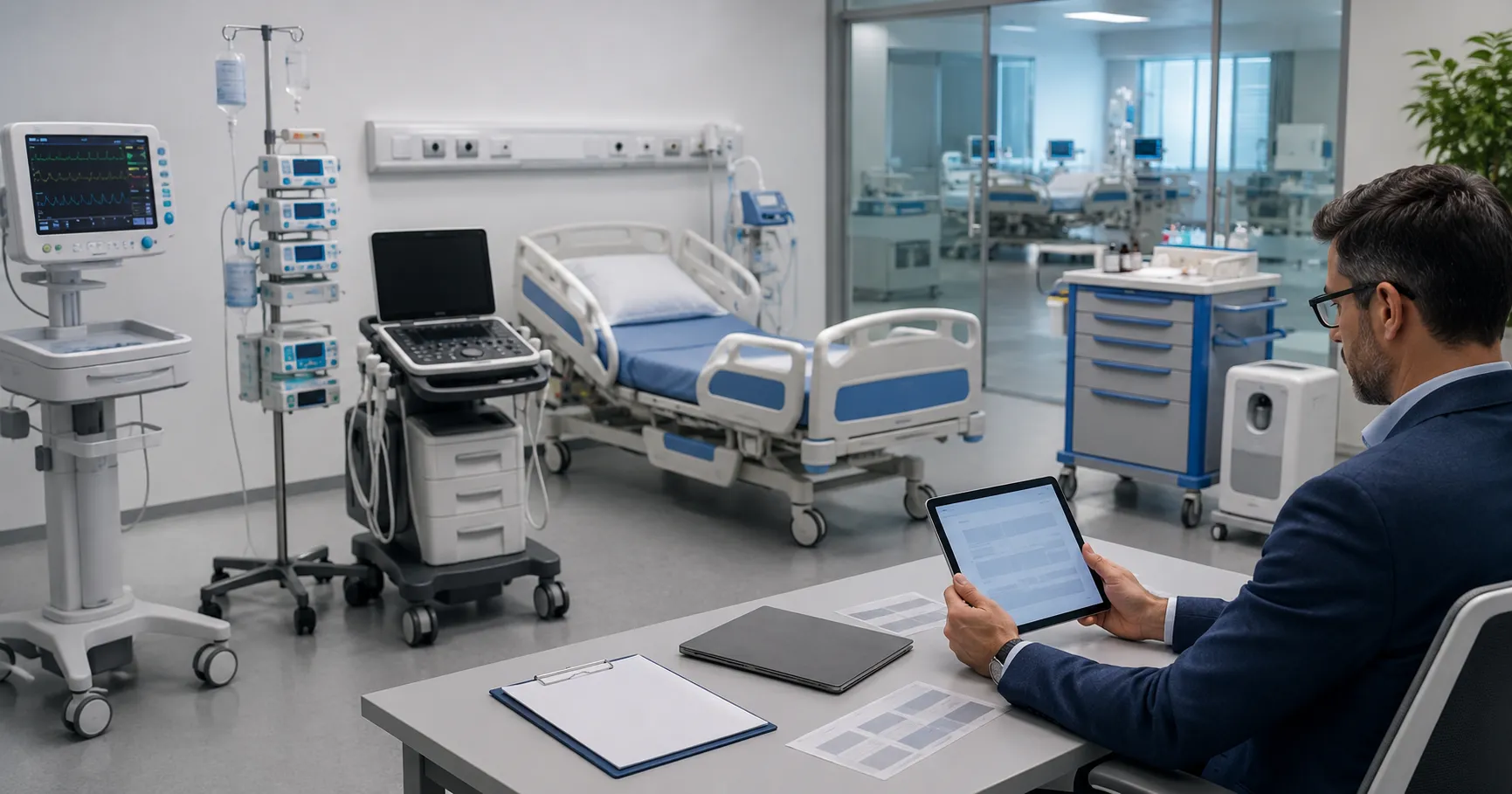
Map current assets — Managers should record equipment type, model, age, condition, location, utilisation and service status. Incomplete inventories make it difficult to identify duplication, shortages or replacement demand.
Analyse category expenditure — Purchase prices should be reviewed alongside accessories, consumables, maintenance, software and training. This shows where recurring costs exceed initial capital expenditure.
Define standard specifications — Specifications should establish required clinical performance, configuration, compliance and support. They should remain broad enough to allow fair supplier comparison while excluding unsuitable products.
Review supplier information carefully — Equipment manufacturers, advertising or global hospital buyers should provide accurate specifications, configurations, regulatory information and support terms. Procurement teams should verify these details against formal documentation rather than promotional claims.
Develop sourcing lots — Large categories may be divided into logical product groups, to enable specialist suppliers to participate. Combining all categories into a single contract may simplify administration, but can reduce competition and technical depth.
Evaluate total category cost — Buyers should calculate acquisition, implementation, consumables, service, downtime and replacement costs. Supplier comparison should use consistent assumptions across the category.
Set performance measures — Delivery accuracy, product quality, documentation, service response and complaint resolution can be monitored at the category level. This makes supplier reviews more meaningful than broad organisation-wide scores.
Healthcare groups coordinating several categories may benefit from collaborative global distribution and procurement partnerships. These arrangements should preserve transparent pricing, technical accountability, and regular supplier performance reviews.
Maintaining Category Standards Across Equipment Life
Category planning continues after equipment is purchased. Maintenance data, user feedback and technology changes should influence future specifications and sourcing decisions.
Preventive maintenance alignment — Standard equipment platforms may simplify service schedules and engineer training. Managers should still confirm that maintenance frequency reflects clinical risk and actual utilisation.
Spare-parts management — Category-level analysis can identify components that should be held locally. Common batteries, sensors or service parts may reduce downtime and inventory duplication.
Operator training control — Similar equipment interfaces can simplify training across departments. Competency records should identify which staff are authorised to operate each equipment tier.
Performance and complaint monitoring — Breakdowns, user complaints, calibration failures and recurring accessory problems should be reviewed by category. Repeated issues may require changes to specifications or supplier approval.
Technology and software review — Connected devices may require security patches, licence renewals and integration updates. Category managers should track software support dates and identify systems approaching obsolescence.
Replacement coordination — Assets within one category should be reviewed together during replacement planning. This helps managers avoid replacing isolated devices with models that create new compatibility or training problems.
Lifecycle cost feedback — Actual service, consumables, labour,e and downtime costs should be compared with original forecasts. This evidence improves future tender specifications and budget assumptions.
Facilities with limited local technical support may face high travel, freight and downtime costs. Category strategies should therefore give appropriate weight to regional service availability and parts access.
International Sourcing and Category Expansion
International sourcing can provide access to broader product ranges, specialist suppliers and professionally refurbished equipment. It also requires category-specific controls for documentation, logistics and support.
Supplier capability by category — A supplier may be strong in hospital furniture but lack technical depth in imaging or laboratory equipment. Managers should assess experience, documentation and service capability separately for each category.
Export and import requirements — Different product groups may require different shipping, inspection or registration processes. Buyers should identify destination requirements before approving the category sourcing plan.
Freight and handling conditions — Imaging systems, laboratory equipment, furniture and portable devices have different packaging and transport risks. Category budgets should include suitable insurance, handling and final delivery.
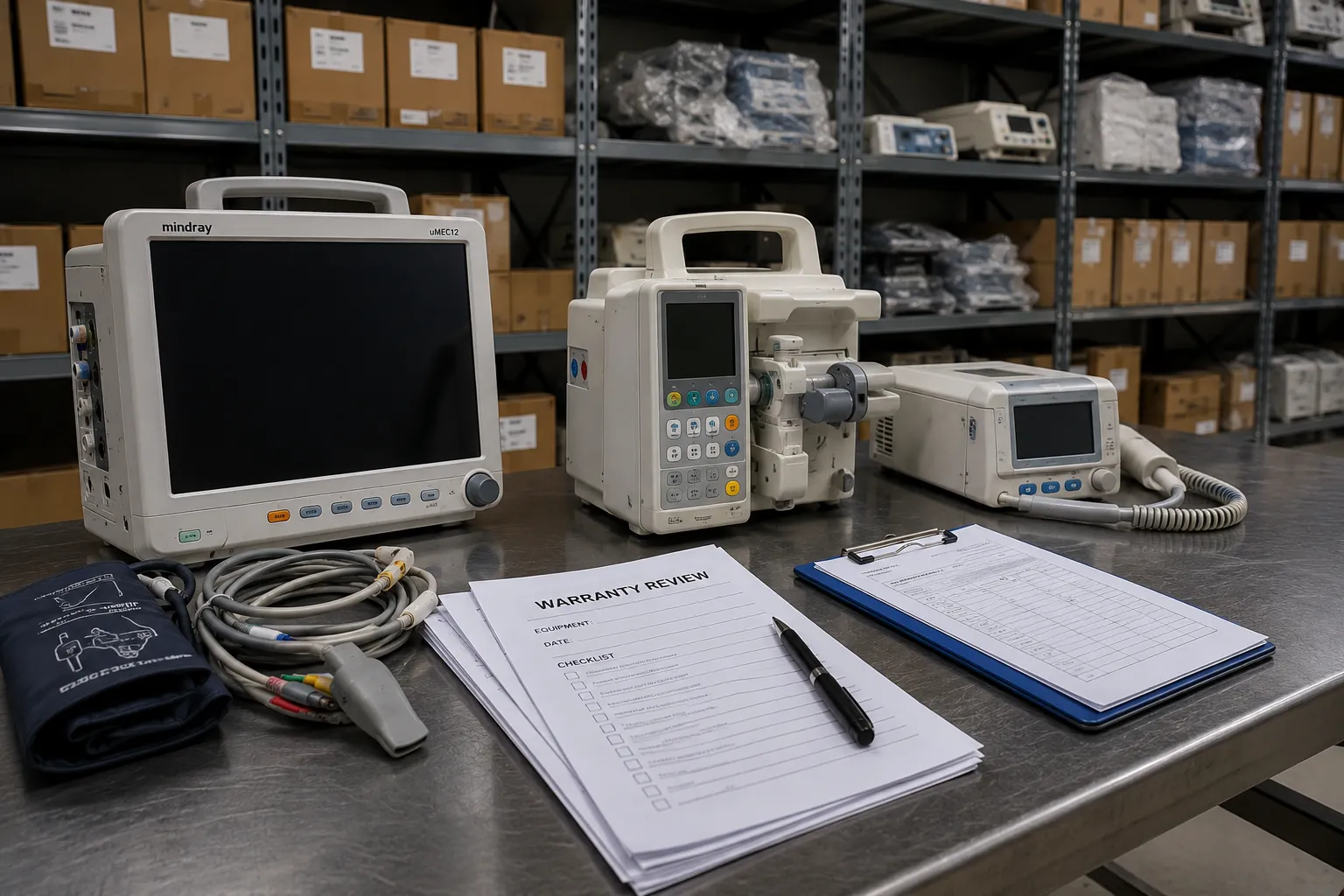
New and refurbished options — Refurbished equipment can support selected categories where condition, compliance, warranty and remaining support life are verified. It may be less suitable where software, consumables or parts are approaching discontinuation.
Lead-time coordination — Equipment categories may need to arrive in a planned sequence. Furniture and utilities may be required before diagnostic or surgical systems can be installed and commissioned.
Service coverage across locations — International supply arrangements should identify who provides installation, training, maintenance and repair. A general global-support statement may not reflect the services available at each facility.
Specialist procurement assistance — Healthcare managers developing multi-category requirements can contact Medigear.uk for assistance. A useful enquiry should include the required categories, quantities, destination, condition preference and expected delivery schedule.
International sourcing should support the category strategy rather than create new equipment variation without clinical or financial justification.
Final thoughts
Hospital equipment category planning helps healthcare managers organise clinical demand, control spending and reduce fragmented procurement. It creates a structured view of how related equipment supports departments, facilities and long-term service development.
Strong category plans use accurate asset inventories, utilisation data, technical specifications and lifecycle costs. They also identify where standardisation can simplify training, maintenance and accessories without limiting necessary clinical differences.
Categories should be reviewed as demand, technology, supplier performance and regulatory requirements change. A category structure that once worked well may become unsuitable when services expand or equipment platforms reach obsolescence.
A controlled category strategy supports clearer budgets, stronger supplier evaluation and equipment portfolios that remain clinically appropriate and financially sustainable.
Disclaimer
Medigear.uk is a global medical equipment supplier, exporter, and distributor. The content published on this site is intended for educational and product awareness purposes only. Nothing on this page constitutes medical advice, clinical guidance, or treatment recommendations. All healthcare procurement and clinical decisions should be made by qualified medical professionals and compliant procurement teams operating within the regulatory frameworks of their respective countries.