New hospital projects can face expensive delays when medical equipment planning begins after architectural layouts and infrastructure decisions have already been finalised. Equipment may require more space than expected, access routes may be too narrow, or rooms may lack the correct electrical, ventilation, water, network, or medical gas provisions.
For medical equipment buyers and professionals worldwide, package planning creates a coordinated link between clinical services, room design, procurement and implementation. It ensures that equipment is not treated as a collection of unrelated purchases made near the end of the project.
A complete package can include major diagnostic systems, critical care devices, surgical equipment, laboratory products, hospital furniture, accessories, software, starter consumables and technical services. Each item must be connected to a room, a clinical function, a requirement, infrastructure, and a delivery schedule.
Effective medical equipment package planning helps project teams control scope, budgets and supplier responsibilities. This guide explains how to organise equipment packages, develop specifications, calculate quantities and coordinate international sourcing, installation and commissioning.
How Equipment Packages Support Hospital Project Delivery
Medical equipment packages translate a hospital’s clinical model into practical procurement requirements. They show what each department needs, where every asset will be installed and which services must be available before delivery.
Clinical service definition — Planning should begin with the services the hospital intends to provide, the expected patient demand, and the planned levels of care. Equipment selections should support this approved model rather than duplicating another facility's inventory.
In practice, procurement teams often find that equipment lists expand when clinical services are not clearly defined. A documented service scope helps control unnecessary additions.
Room-by-room allocation — Every item should be assigned to a department, room or functional area. This allows project teams to verify quantities, space, utilities and installation responsibilities.
Room-level planning also helps identify equipment that can be shared between clinical areas.
Departmental coordination — Imaging, critical care, surgery, laboratory, sterilisation and general wards may depend on connected workflows. Planning each department separately can create gaps between patient preparation, treatment, recovery and support services.
Equipment hierarchy — Project teams should distinguish fixed equipment, mobile devices, furniture, accessories, consumables and information systems. Different groups may have separate design, procurement and installation requirements.
Project scope control — An approved package list establishes what is included within the project budget. Changes should follow a documented review process covering clinical need, cost, infrastructure and schedule impact.
Implementation responsibility — The package should identify who supplies, installs, tests, commissions and trains users for each item. Unclear responsibility can delay acceptance even when the equipment has arrived.
Well-structured packages make equipment requirements visible early enough to influence hospital design and project planning.
Equipment Packages Across Different Hospital Areas
Hospital departments require different equipment-planning approaches because their workloads, infrastructure and clinical risks vary.
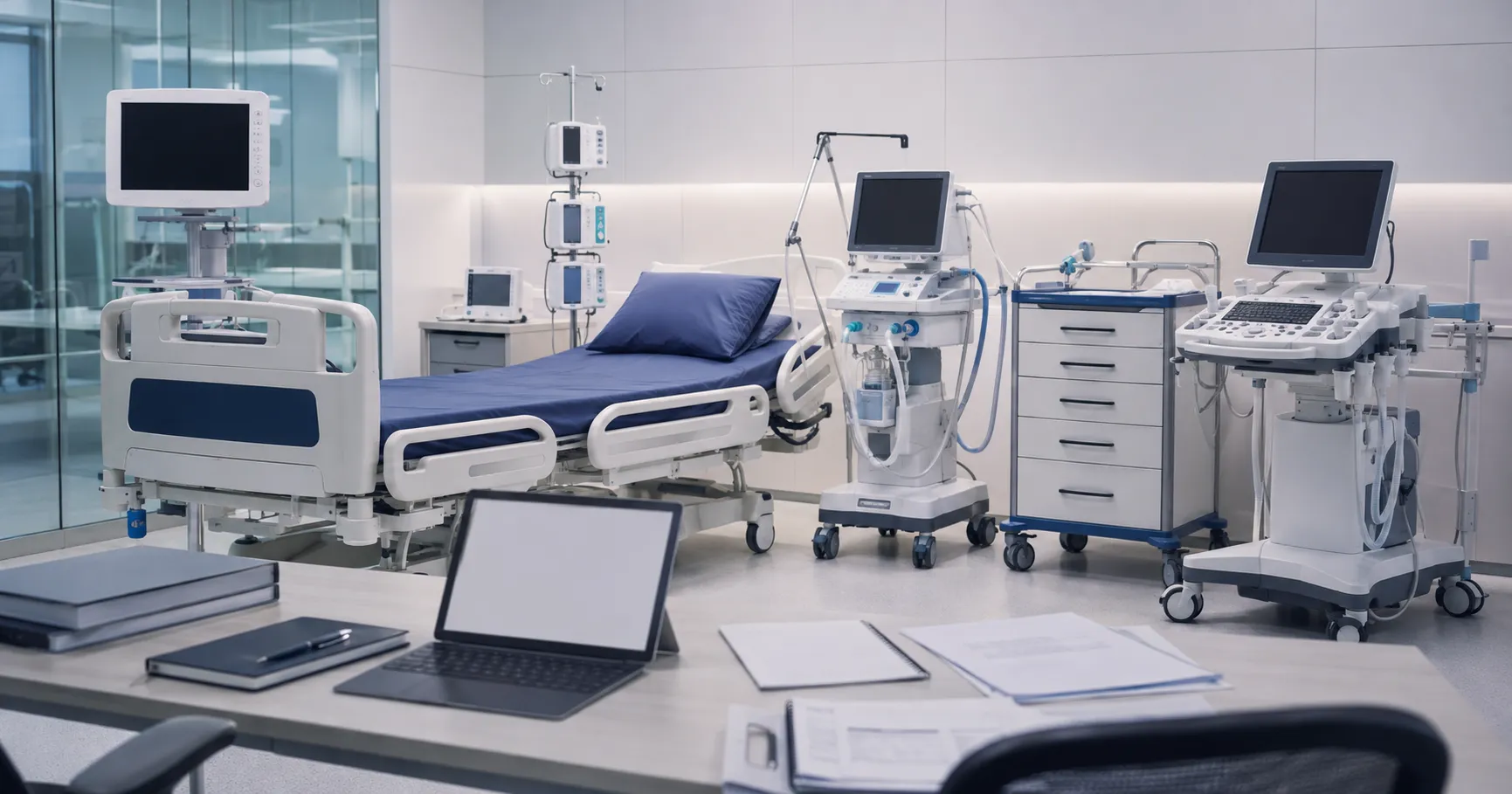
Emergency and critical care areas — These packages may include patient monitors, ventilators, defibrillators, infusion systems, resuscitation equipment and emergency trolleys. Quantities should account for bed numbers, patient acuity, isolation rooms and backup capacity.
Accessories and central monitoring requirements should be planned with the main equipment.
Operating theatres and procedure rooms — Surgical packages may include operating tables, lights, anaesthesia systems, electrosurgical units, suction, imaging and patient-warming equipment. The planner should review how devices fit around the operating table and connect to the ceiling, wall or mobile services.
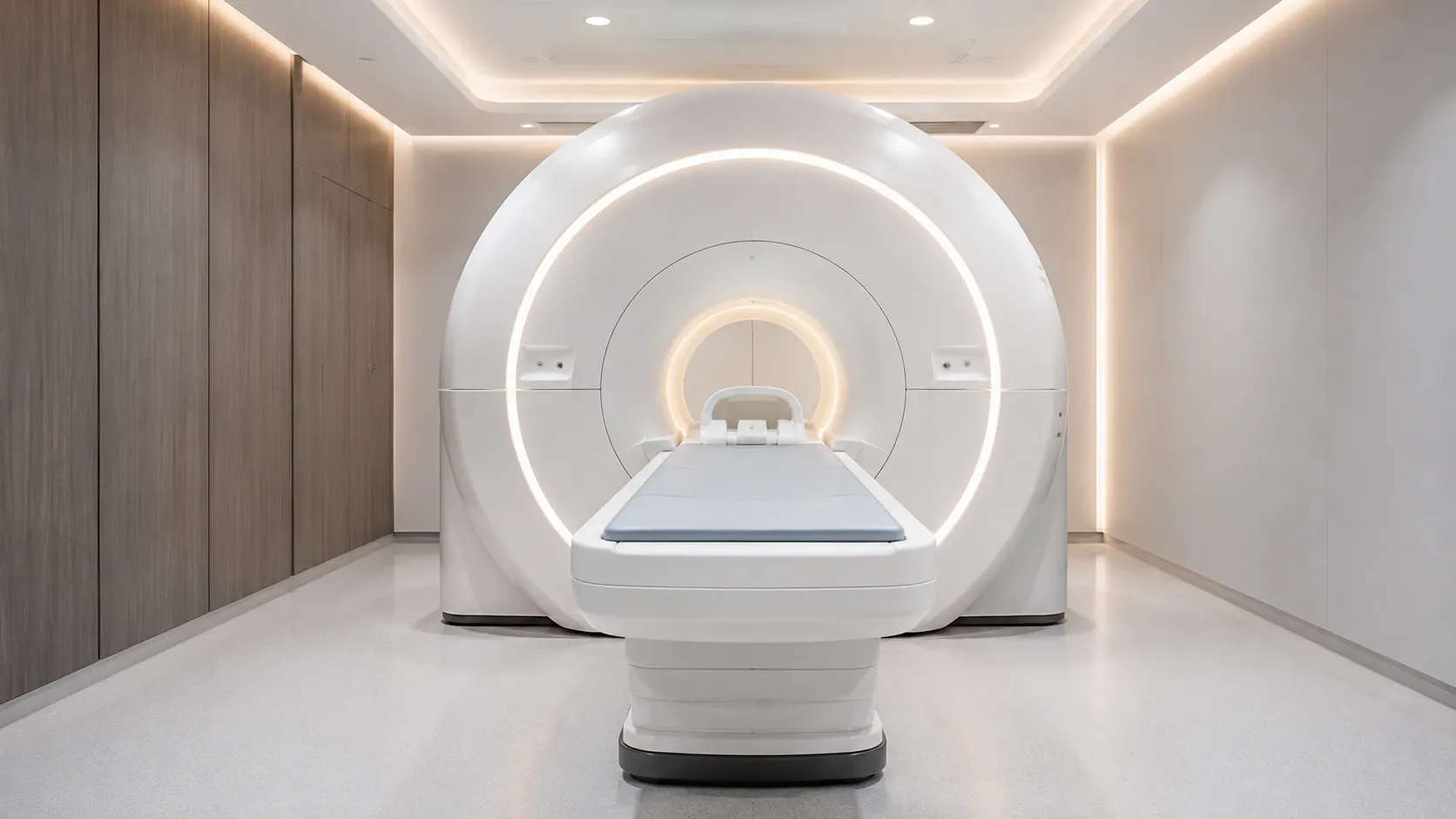
Diagnostic imaging departments — Imaging equipment may require shielding, cooling, structural support, specialised power and controlled access routes. Buyers working with regulated and certified equipment suppliers worldwide should confirm site-planning data, installation requirements and destination-specific documentation early in the project.
Experienced clinical supply managers typically request manufacturer drawings before room dimensions and utilities are approved.
Laboratory and pathology services — Laboratory packages should include analysers, sample preparation, refrigeration, microscopes, safety equipment and quality-control systems. Reagents, water quality, waste handling and data connectivity can affect the design.
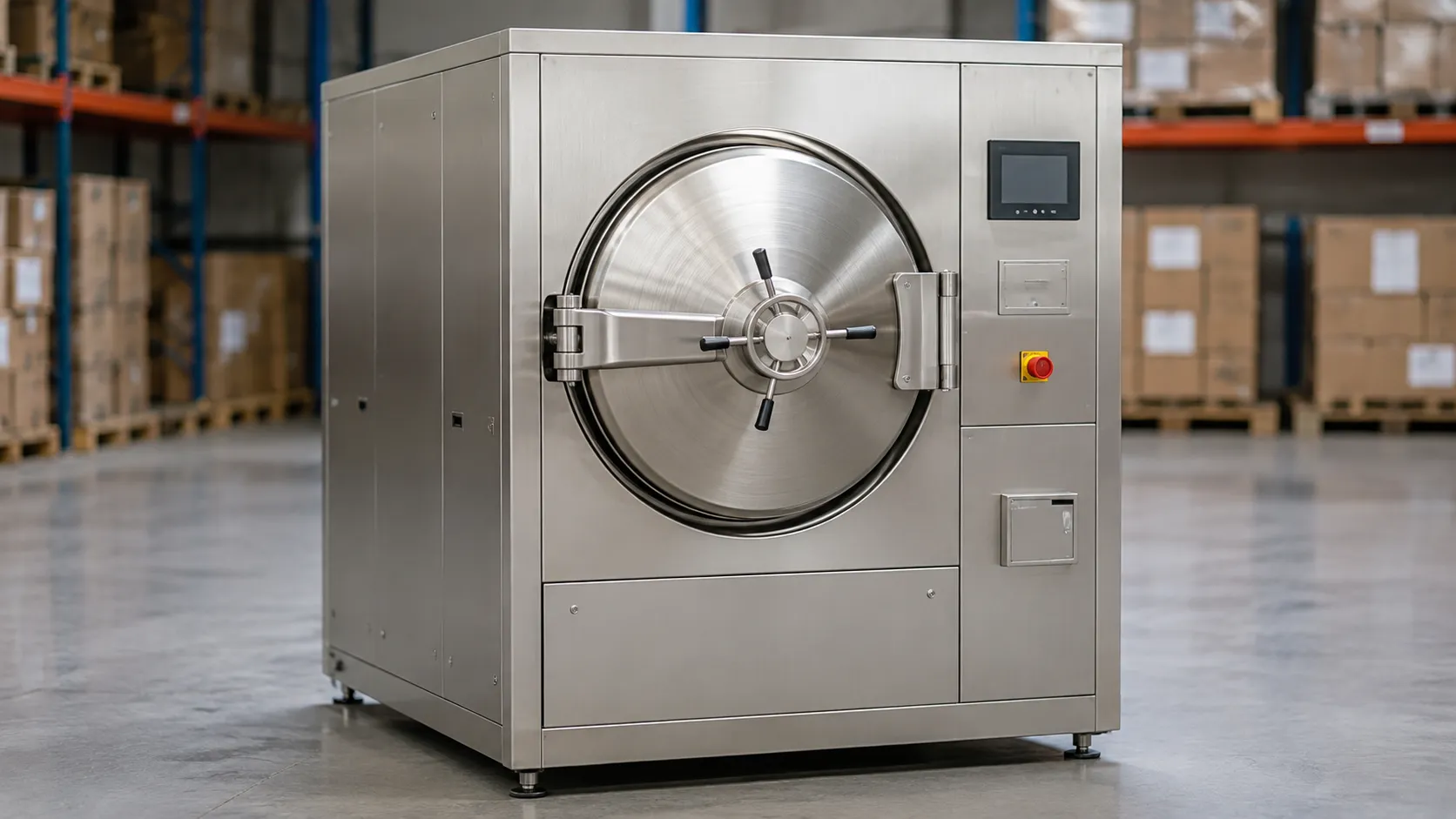
Sterilisation and infection-control areas — Sterilisation packages may include autoclaves, washer-disinfectors, packing equipment, water treatment and transport trolleys. Equipment flows should support separation between contaminated and clean processes.
Inpatient wards and outpatient departments — These areas may require beds, examination equipment, vital-sign monitoring, treatment trolleys and mobility products. Standardised configurations can simplify training, maintenance and accessory management.
Rehabilitation and specialist services — Physiotherapy, ophthalmology, dental, neonatal, and other specialist departments need packages tailored to their specific clinical pathways. Generic room lists may overlook specialised accessories and staff workflows.
Each package should reflect the department's operational conditions rather than relying solely on broad equipment categories.
Technical Information Required Before Packages Are Approved
Technical planning determines whether selected equipment can be installed, connected and maintained within the completed hospital.
Equipment dimensions and clearances — Planners should record operating dimensions, service clearances, door access and transport weight. Mobile equipment may also require storage and charging space.
Large systems should be checked against loading bays, corridors, lifts and final room access.
Electrical and utility requirements — voltage, frequency, power load, backup supply, water, drainage, medical gases, and ventilation — should be documented. Equipment requirements must be coordinated with architectural and engineering drawings.
Network and system integration — Connected devices may require data points, wireless coverage, server capacity, interfaces and cybersecurity controls. Project teams should define whether integration forms part of the equipment contract or a separate technology package.
Environmental conditions — Temperature, humidity, dust control, vibration and electromagnetic conditions can affect equipment performance. Specialist rooms may require dedicated cooling or environmental monitoring.
Equipment configuration — Specifications should identify models, accessories, probes, cables, software, trolleys and starter consumables. Base-unit descriptions rarely represent a complete clinical package.
Compliance documentation — Equipment should meet applicable local regulatory standards, including CE, FDA, or their regional equivalents, where relevant. Project teams should confirm product registration, quality certification and import requirements before ordering.
Maintenance access — Equipment layouts should allow engineers to inspect and service devices safely. Placing fixed systems too close to walls or built-in furniture can increase maintenance time and future modification costs.
Future expansion provisions — Infrastructure may include spare electrical capacity, network points, or medical gas outlets where future growth is likely. Realistic service forecasts should support expansion allowances.
Technical data should be controlled through an equipment schedule so that design and procurement teams work from the same approved information.
How Project Teams Should Procure Equipment Packages
Procurement packages should balance clinical specialisation, supplier competition and project coordination. Combining all categories or orders may appear simple, but it cannot reduce technical depth or pricing transparency.
Select logical procurement lots — Packages may be divided by department, equipment category, technical complexity or installation responsibility. Specialist systems may require dedicated suppliers, while standard furniture and mobile devices can be grouped separately.
Create consistent specifications — Every bidder should receive the same scope, quantities, performance requirements and commercial schedule. Specifications should describe required clinical outcomes without unnecessarily limiting competition to one manufacturer.
Calculate total package cost — Budgets should include equipment, accessories, freight, customs, installation, integration, training, software, consumables and maintenance. Project teams should separate confirmed costs from provisional allowances.
Review supplier information carefully — Suppliers and manufacturers advertising to global healthcare buyers should provide accurate configurations, technical requirements, conformity information and service terms. These claims should be verified against formal quotations and technical documents.
Coordinate delivery responsibilities — Tender documents should state who handles shipping, unloading, storage, movement to rooms, installation and waste removal. Large equipment may require specialist lifting or temporary access to the buildings.
Evaluate implementation capability — Supplier assessment should cover project management, installation resources, engineer access, documentation and training. Product availability alone does not demonstrate the ability to deliver a complex hospital package.
Control package changes — Substitutions and quantity changes should require clinical, technical and financial approval. Uncontrolled changes can affect room layouts, accessories, training and service contracts.
New hospital projects managing several equipment lots may benefit from collaborative global distribution and procurement partnerships. These arrangements should retain clear package responsibilities, transparent pricing and measurable delivery and service standards.
Installation, Commissioning and Package Lifecycle Support
Equipment delivery does not complete the package. Products must be installed, tested, documented and transferred into operational control before clinical use.
Site-readiness verification — Rooms should be inspected before equipment is dispatched or delivered. Power, utilities, network connections, flooring, ventilation and access routes must match approved requirements.
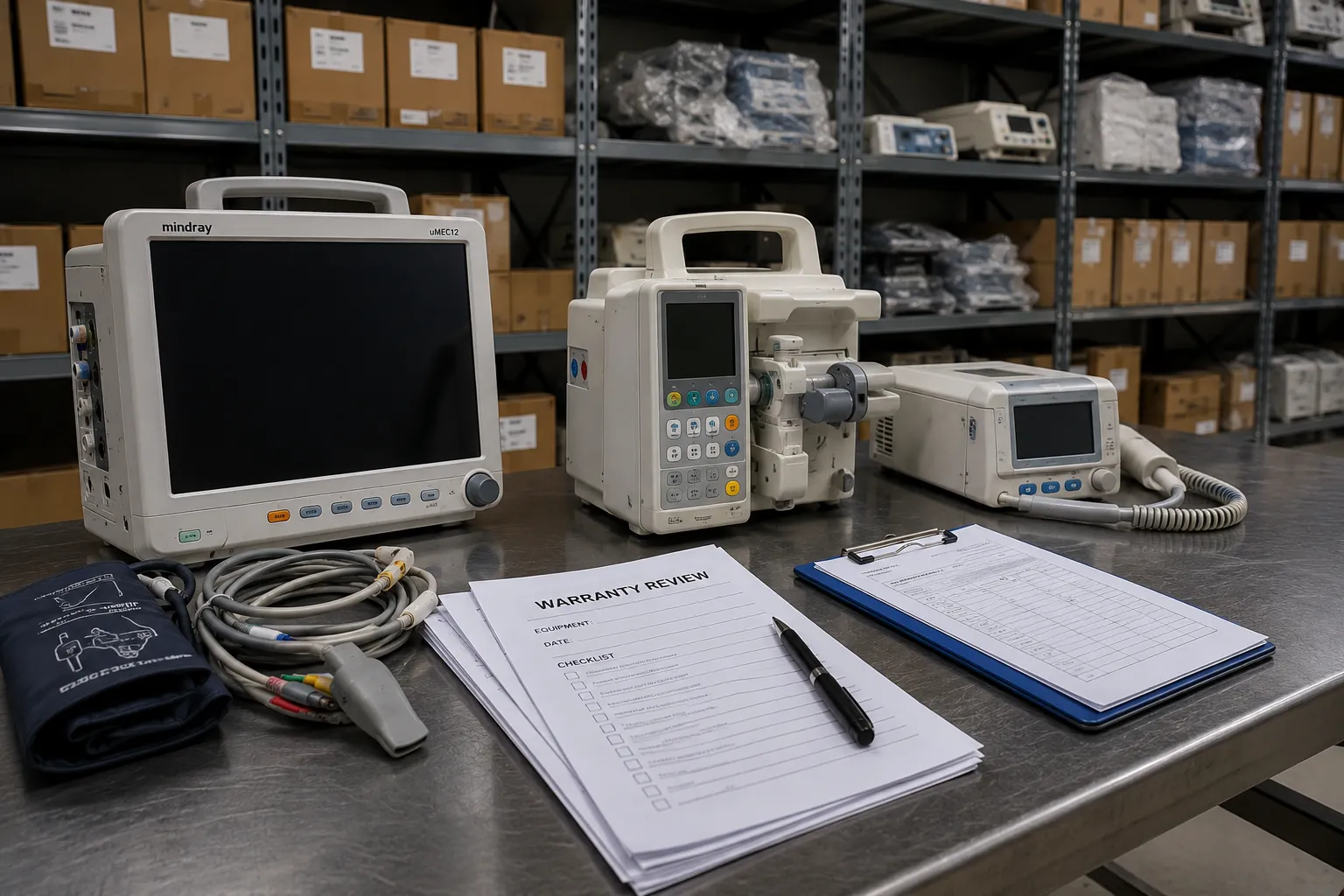
Delivery and storage control — Project teams should schedule deliveries according to room completion and installation capacity. Equipment stored for extended periods may be at risk of damage, warranty issues, or battery management issues.
Installation responsibilities — The project plan should distinguish supplier installation, contractor work and hospital engineering support. Fixed equipment may require coordinated work between several organisations.
Acceptance testing — Commissioning should confirm configuration, performance, safety and connectivity. Serial numbers, accessories, software versions and calibration records should match the purchase documents.
Operator and technical training — Clinical users need practical instruction, while biomedical engineers may require separate maintenance training. Training should occur close enough to opening that staff retain the information.
Warranty commencement — Buyers should confirm whether the warranty begins at shipment, delivery, installation or commissioning. Early shipment can reduce effective warranty coverage if the hospital opening is delayed.
Preventive maintenance planning — Equipment should enter the asset-management system with service intervals, responsible providers, and replacement parts information. Maintenance contracts should match the expected opening and utilisation schedule.
Handover documentation — Manuals, drawings, conformity records, service contacts, test results and training records should be collected before final acceptance. Missing documents become difficult to recover after project teams disperse.
Facilities should retain a complete package history because future repairs, upgrades and replacement decisions depend on accurate commissioning information.
International Sourcing and Package Delivery Risk
International sourcing can provide access to a broad range of equipment categories and specialist manufacturers, but it introduces risks related to documentation, currency, shipping, and service.
Package lead-time planning — Manufacturing, refurbishment, export preparation, freight, customs, installation and commissioning should be scheduled separately. Long-lead equipment should be identified early enough to ensure the hospital's opening date is met.
Shipping sequence — Equipment should arrive according to installation readiness rather than supplier convenience. Early delivery can create storage pressure, while late delivery may block commissioning and staff training.
Import documentation — International shipments may require invoices, packing lists, certificates of origin, conformity evidence and destination-specific permits. Documentation should be reviewed before dispatch.
Currency and payment exposure — Exchange-rate changes can affect package budgets between approval and payment. Project teams should manage quotation validity, payment milestones and financial contingency.
New and refurbished packages — Professionally refurbished equipment may support selected departments, provided condition, service history, compliance, warranty, and parts access are verified. New equipment may be more suitable where long support life or compatibility with current software platforms is essential.
Regional service support — Warranty and maintenance arrangements should reflect the hospital’s actual location. Engineer travel, spare parts freight and remote support responsibilities must be documented.
Specialist project assistance — New hospital teams planning multi-category requirements can submit a medical equipment enquiry to the Medigear.uk contact. A useful enquiry should include department lists, quantities, destination, condition preference and the expected construction and opening schedule.
International package sourcing should remain connected to hospital design, construction and commissioning rather than operating as a separate purchasing activity.
Final thoughts
Medical equipment package planning helps new hospital projects coordinate clinical requirements, infrastructure, procurement and implementation before construction decisions become difficult to change.
Strong plans use room-by-room equipment schedules, complete configurations and realistic quantity calculations. They also include accessories, software, consumables, installation, training and maintenance rather than focusing only on major devices.
Project teams should involve clinical users, biomedical engineers, facilities specialists, procurement professionals and finance managers throughout the process. Each change should be reviewed for its effect on cost, design and delivery.
A controlled package strategy reduces duplication, protects the project schedule and helps the completed hospital open with equipment that is installed, documented, supportable and ready for clinical use.
Disclaimer
Medigear.uk is a global medical equipment supplier, exporter, and distributor. The content published on this site is intended for educational and product awareness purposes only. Nothing on this page constitutes medical advice, clinical guidance, or treatment recommendations. All healthcare procurement and clinical decisions should be made by qualified medical professionals and compliant procurement teams operating within the regulatory frameworks of their respective countries.