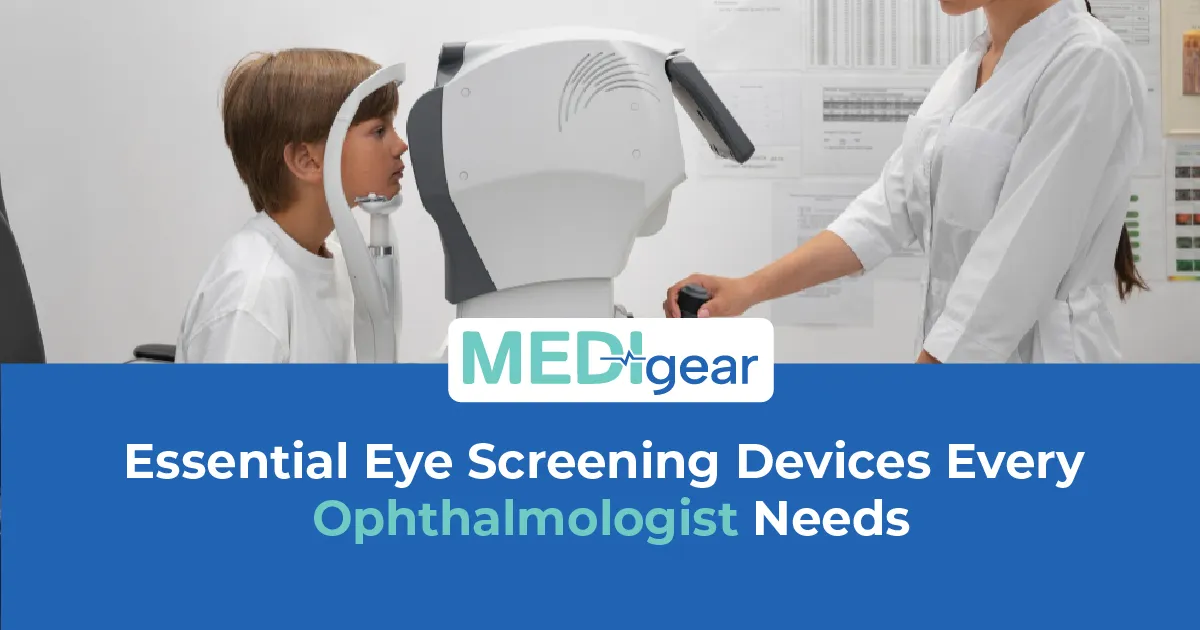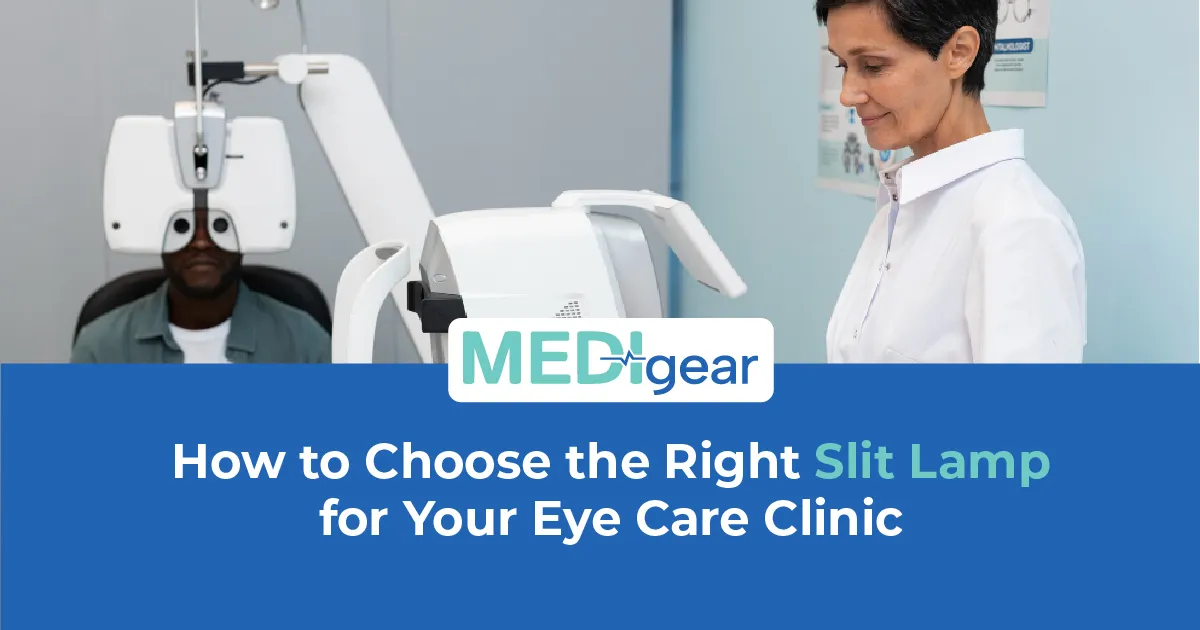

What does an optometry practice need before the first patient sits in the chair? Not the frames on the wall. Not the reception desk. The ophthalmic equipment behind the consulting room door. The slit lamp. The phoropter. The tonometer. The retinal camera. Tools that catch glaucoma before the vision goes, and retinopathy before the vessels bleed. Without ophthalmic equipment, an optometry practice is a shop. With it, the patient who came for glasses leaves with sight protected.
She opened her first optometry practice at thirty-two. Qualified. Ambitious. Tight budget. She bought a quality slit lamp, a reliable phoropter, and a non-contact tonometer. Three instruments. Core clinical work is covered from day one. Retinal camera month three. OCT month eight. Each is funded by the demand, as the last one proved. End of year one — ophthalmic equipment that a hospital eye service would recognise. Built piece by piece. Funded by the patients, each piece helped her see. Three instruments to a full suite. Not a bigger budget. Clinical need proved first.
This guide covers the best ophthalmic equipment for new optometry practices with the honest detail that optometrists, practice owners, and procurement teams need. Medigear supplies certified ophthalmic equipment to practices across the UK, and every point here comes from real clinical demand, not showroom demos. Practices sourcing certified ophthalmic equipment can explore the Medigear buyers portal for pricing, availability, and procurement built for optometry purchasing.
Slit Lamp
A slit lamp is the first piece of ophthalmic equipment every optometry practice buys. The eyes of the optometrist. Focused beam. Binocular microscope. Cornea. Chamber. Iris. Lens. With extra lenses — retina and nerve. Quality depends on optics. Light. Magnification range. A poor one misses the subtle abrasion. The early cataract. The narrow angle that a quality slit lamp shows without effort. LED gives a consistent colour. Smooth joystick gives precision. Buy the best the budget allows. Used on every patient. Every day.
Phoropter
A phoropter — or refractor head — holds the lenses the patient looks through during refraction. Determines the prescription. Manual — reliable, proven. Digital — faster, integrates with records. Manual works for decades. Digital saves minutes per patient. Minutes that become appointments. Either way — calibrated, smooth, right height. Stiff or jerky movements slow the refraction and the clinician.
Tonometer
A tonometer measures intraocular pressure — the number that screens for glaucoma. Non-contact — air-puff — fast, no drops, suits high-volume screening. Goldmann applanation — gold standard — needs a trained operator and fluorescein. Without a tonometer, no glaucoma screening. With one, the raised pressure is caught before the vision is lost. Ophthalmic equipment manufacturers wanting to list products where optometry practices are searching can reach buyers through the Medigear advertising platform.
Retinal Camera
A retinal camera captures a photograph of the fundus — the retina, macula, optic disc, and blood vessels. Documents what the clinician sees. Permanent record. Comparison next visit. Memory forgets. The photograph catches. Diabetic screening needs it. Glaucoma needs it. Macular tracking needs it. Without a camera, description alone. For one patient, the GP and the hospital see the retina exactly the same way.
OCT
An OCT — optical coherence tomography — is the imaging that sees beneath the surface. Scans the retina in cross-section. Layers that no slit lamp or camera can show. Macular oedema. Drusen. Nerve fibre thinning. Membranes. Holes. Does not replace the exam. Adds a dimension the eye cannot see. For glaucoma or medical retina, the OCT separates screening from diagnosis. Reach out to our team for guidance on matching ophthalmic equipment specifications to your clinical ambitions and patient volume.
Visual Field Analyser
A visual field analyser maps the peripheral vision. Detects the scotomas — blind spots — of glaucoma before the patient notices. Standard automated perimetry. The patient presses when they see a light. The machine maps what it sees and misses. Not optional in glaucoma. It shows whether the damage measured by OCT affects the vision the patient uses.
Autorefractor
Autorefractor gives a starting point. Objective measurement first. Subjective follows. Speeds the process. Helps children. Communication difficulties. Those struggling with subjective choices. Add a keratometer for corneal curvature. Essential for contact lens fitting.
Lensometer
A lensometer — or focimeter — reads the prescription of the patient's existing glasses. Confirms what they wear before the refraction and says what they should wear. Digital reads faster. Manual costs less. Same job. Every practice needs one. For practices managing ophthalmic equipment alongside broader clinical needs, our guide to the best nebulisers covers the devices that support respiratory care in elderly patients attending eye clinics with comorbidities. Our guide to setting up patient monitoring on a budget covers the vital signs tools used when ophthalmic procedures require blood pressure and pulse monitoring.
Trial Frames
Trial frames and trial lens sets allow the optometrist to demonstrate the prescription to the patient in a frame they wear — confirming the refraction before ordering the glasses. Trial frames also suit patients who cannot use a phoropter. Children. Wheelchair users. Those unable to sit at the instrument. Suppliers of slit lamps, tonometers, retinal cameras, and ophthalmic accessories can register through the Medigear supplier portal to connect with practices building or upgrading their clinical equipment.
Chair and Table
Instrument tables and chairs must position the patient and the ophthalmic equipment at the correct height and distance. Motorised adjusts for every patient. Tall. Short. Transfer. Child. Manual work slows the clinic. Thirty seconds per patient saves thirty minutes per day. Over a year — hours.
Infection Control
Cleaning and infection control between patients applies to every piece of ophthalmic equipment that contacts the face, chin, or forehead. Chin rest covers. Tonometer tips disinfected. Joystick wiped. Trial frames cleaned. Skip it, and conjunctivitis, adenovirus, and ocular infections transfer between patients. Companies seeking long-term collaboration on ophthalmic equipment supply, servicing, and practice fit-outs can explore the Medigear partnership programme for ongoing opportunities beyond a single order.
Enhanced Services
Can your practice demonstrate to commissioning bodies that the ophthalmic equipment meets the standard required for enhanced services — glaucoma repeat measures, diabetic screening, and post-operative cataract follow-up? Contracts need specific ophthalmic equipment. Own it — win. Miss it — lose the revenue.
Phased Plan
Does your practice have a phased ophthalmic equipment plan that separates day-one essentials from year-one targets? Slit lamp. Phoropter. Tonometer. These open the practice. Retinal camera. OCT. Visual field analyser. These expand it. The budget that tries to buy everything on day one buys nothing well. The one that phases smartly opens on time and upgrades with revenue.
Same-Day Reports
Can your practice offer a same-day report to the GP with retinal images attached? A referral letter with a photograph carries more clinical weight than one without. The GP sees what the optometrist saw. The hospital consultant sees it before the patient arrives. Ophthalmic equipment that captures and shares images turns the practice into a clinical partner the NHS trusts with enhanced service contracts.
Maintenance
What does your ophthalmic equipment maintenance schedule look like? Slit lamp bulbs dim over time. Tonometer calibration drifts. Phoropter lenses collect dust. Camera sensors degrade. Eighty per cent illumination means eighty per cent of what a new one shows. Calibration and cleaning keep the ophthalmic equipment at the level the eyes need. Not the level age has reduced it to.
Paediatric
Does your practice stock the ophthalmic equipment needed for paediatric eye examinations? A child who cannot read letters needs picture charts or Kay pictures. A child who cannot sit at the slit lamp needs a hand-held alternative. A child who cannot tolerate air-puff tonometry requires a different approach. Adult ophthalmic equipment does not always work for children. Adapt and catch the squint, the amblyopia, and the refractive error early, and treatment corrects them.
Cost Per Clinical Year
How does your practice compare ophthalmic equipment costs across suppliers? Not by invoice price. By cost per clinical year. Add purchase, service, calibration, consumables, and expected lifespan. Slit lamp costs more on day one, but running for fifteen years costs less per year than the one that fades in five. Buy what costs less per patient examined. Not less per invoice.
Patient Understanding
Can your practice demonstrate to patients why the ophthalmic equipment matters? A retinal photograph is shown on screen. An OCT scan explained in plain language. A visual field map the patient can see and understand. Test becomes conversation. The patient who sees their retina understands the follow-up. The one hearing a number does not.
First Impressions
Does your waiting room reflect the ophthalmic equipment behind the consulting room door? Patients judge before they sit down. Clean instruments visible through an open door. A modern chair and table. A screen showing retinal images. These tell the patient the practice invests in their sight. Dusty trial frame and yellowing chart tell a different story. What the patient sees builds trust before the exam starts.
Why Choose Medigear
Medigear supplies certified ophthalmic equipment, imaging systems, and clinical accessories to optometry practices, hospitals, and eye clinics across the UK. Whether you are opening a new practice, upgrading ageing instruments, or expanding into enhanced services, our team matches the right tools to your patients and your clinical ambitions. Reach out to our team for guidance built around the eyes your practice examines — and the ophthalmic equipment that must see what they cannot.
Conclusion
What does an optometry practice need before the first patient sits down? The ophthalmic equipment behind the door. She opened at thirty-two. Three instruments from day one. Retinal camera month three. OCT month eight. Each funded by the demand the last one proved. End of year one — a full diagnostic suite a hospital eye service would recognise. Built piece by piece. The slit lamp sees the eye. The tonometer catches the pressure. The camera documents what memory forgets. The OCT sees what no lens can resolve. And the visual field maps the blind spots glaucoma makes before the patient notices. Phase smartly. Open on time. Upgrade with revenue. Medigear stands alongside optometry practices with certified ophthalmic equipment and the honest support that clinical eye care demands. Speak to our team today — because the eyes your practice examines deserve equipment that sees what they cannot.
⚠️ This post is for general information only. We do not sell medications or provide prescriptions — Medigear.uk is a medical equipment supplier only.