Medical equipment upgrades help growing clinics improve service capacity, replace ageing devices, streamline workflows, reduce downtime, and prepare for new clinical services. As clinics expand, older equipment may no longer match patient volume, diagnostic needs, digital workflow, maintenance expectations, or compliance requirements.
For healthcare buyers, upgrading clinic equipment should be planned as a lifecycle decision, not just a one-time purchase. WHO explains that medical equipment includes devices that require calibration, maintenance, repair, user training, and decommissioning, making upgrade planning important for long-term equipment management.
What Medical Equipment Upgrades Mean
Medical equipment upgrades mean replacing, expanding, modernising, or improving clinic devices so they better support clinical workflow, patient throughput, documentation, safety, and service reliability.
Upgrades may include replacing outdated examination devices, adding diagnostic systems, improving patient monitoring, upgrading sterilisation equipment, introducing digital records, replacing manual devices with automated systems, or adding connected equipment where appropriate.
An upgrade does not always mean buying the most advanced device. It means selecting equipment that fits the clinic’s current and future workload.
Why Growing Clinics Need Equipment Upgrades
Growing clinics often begin with basic equipment and then expand into more services. As patient volume increases, equipment needs become more complex.
Common reasons for upgrades include:
-
Higher patient numbers
-
New diagnostic services
-
More specialist consultations
-
Longer operating hours
-
Repeated equipment breakdowns
-
Poor service support
-
Missing spare parts
-
Outdated software
-
Inaccurate or unreliable readings
-
Need for digital records
-
Better patient comfort requirements
-
New compliance expectations
WHO technical specifications guide the procurement and acquisition of medical devices, which supports the need for clear requirements before upgrading equipment.
Equipment Categories Clinics May Upgrade
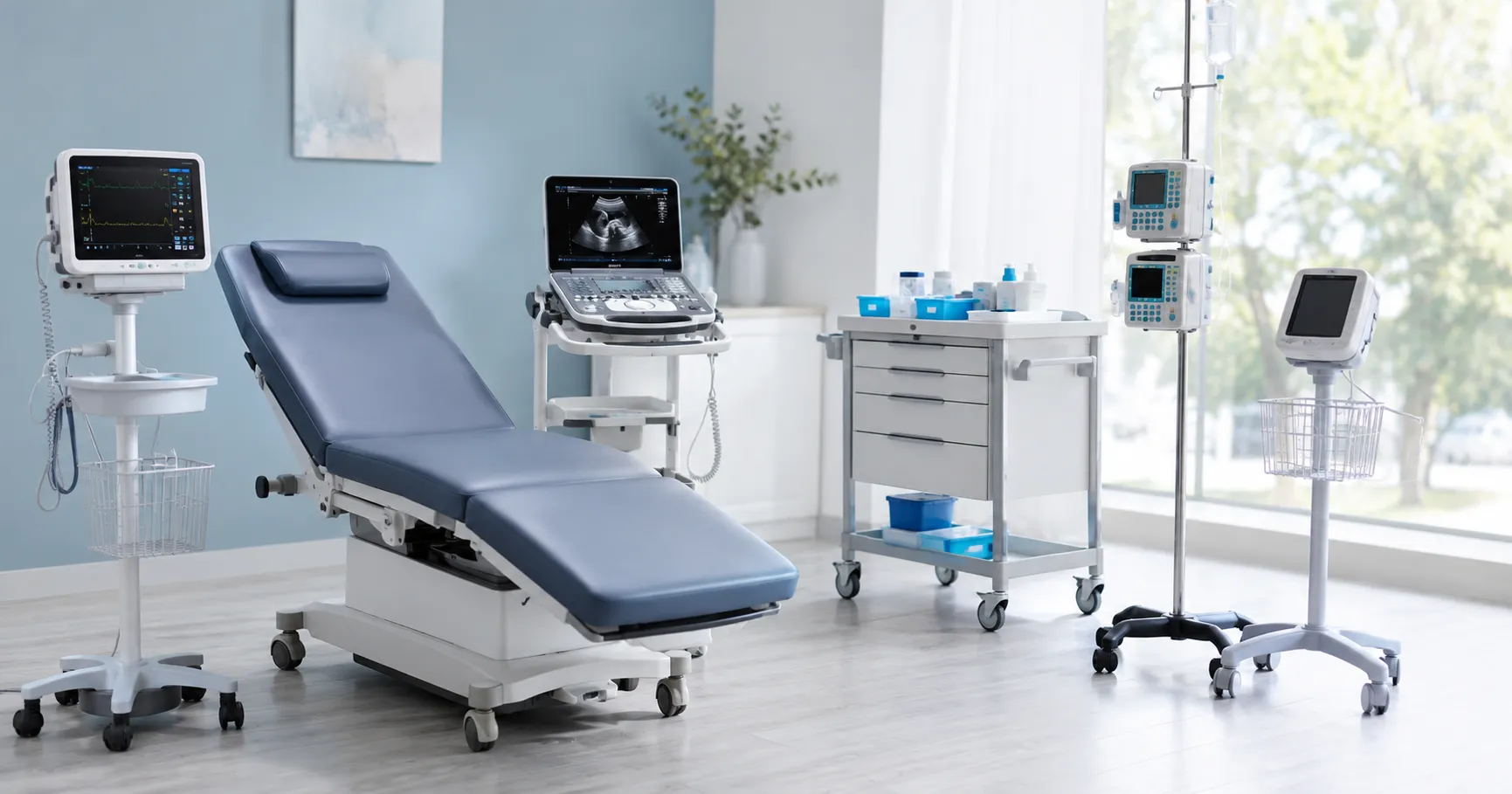
Growing clinics may upgrade different equipment categories depending on their services.
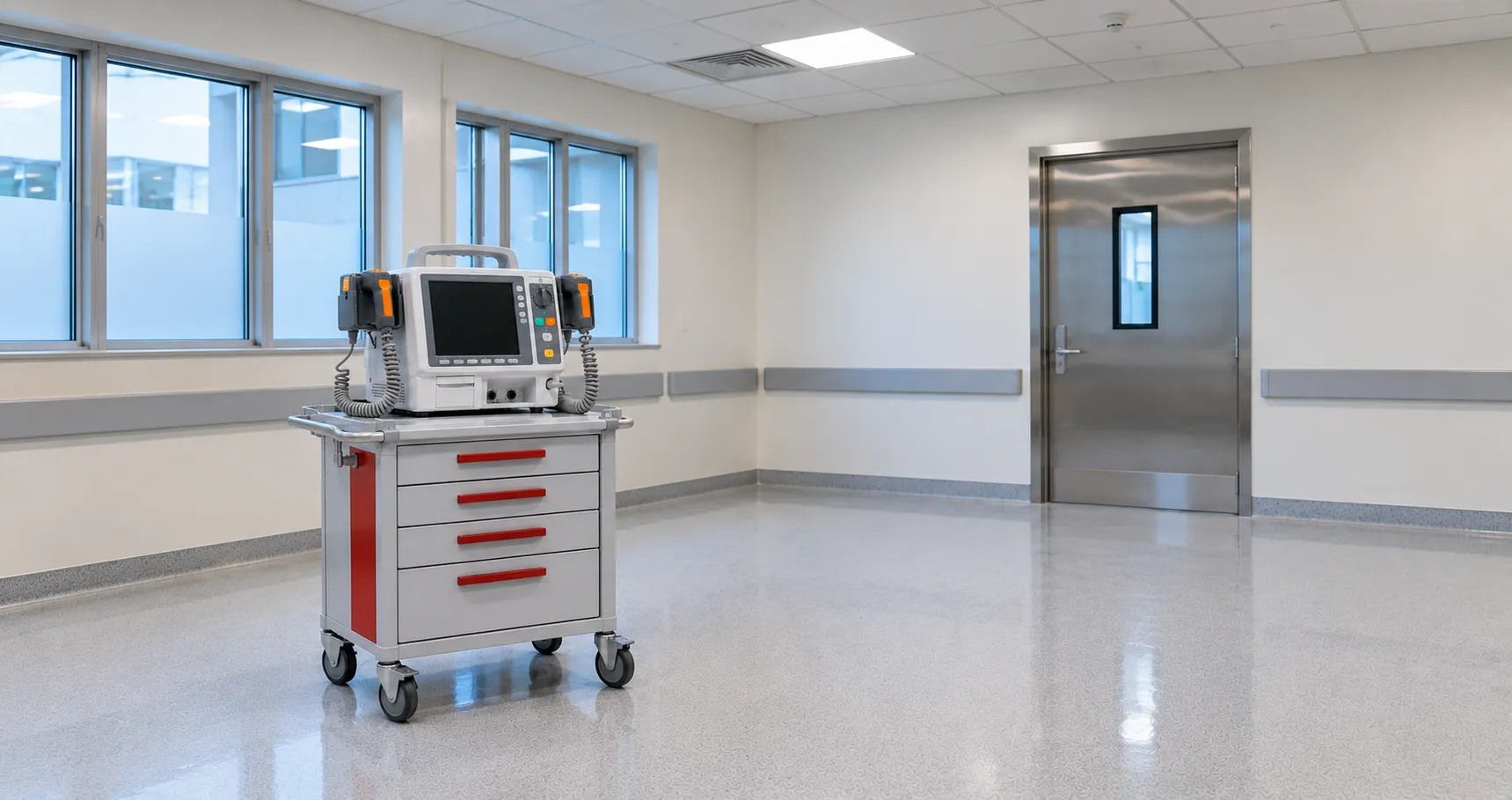
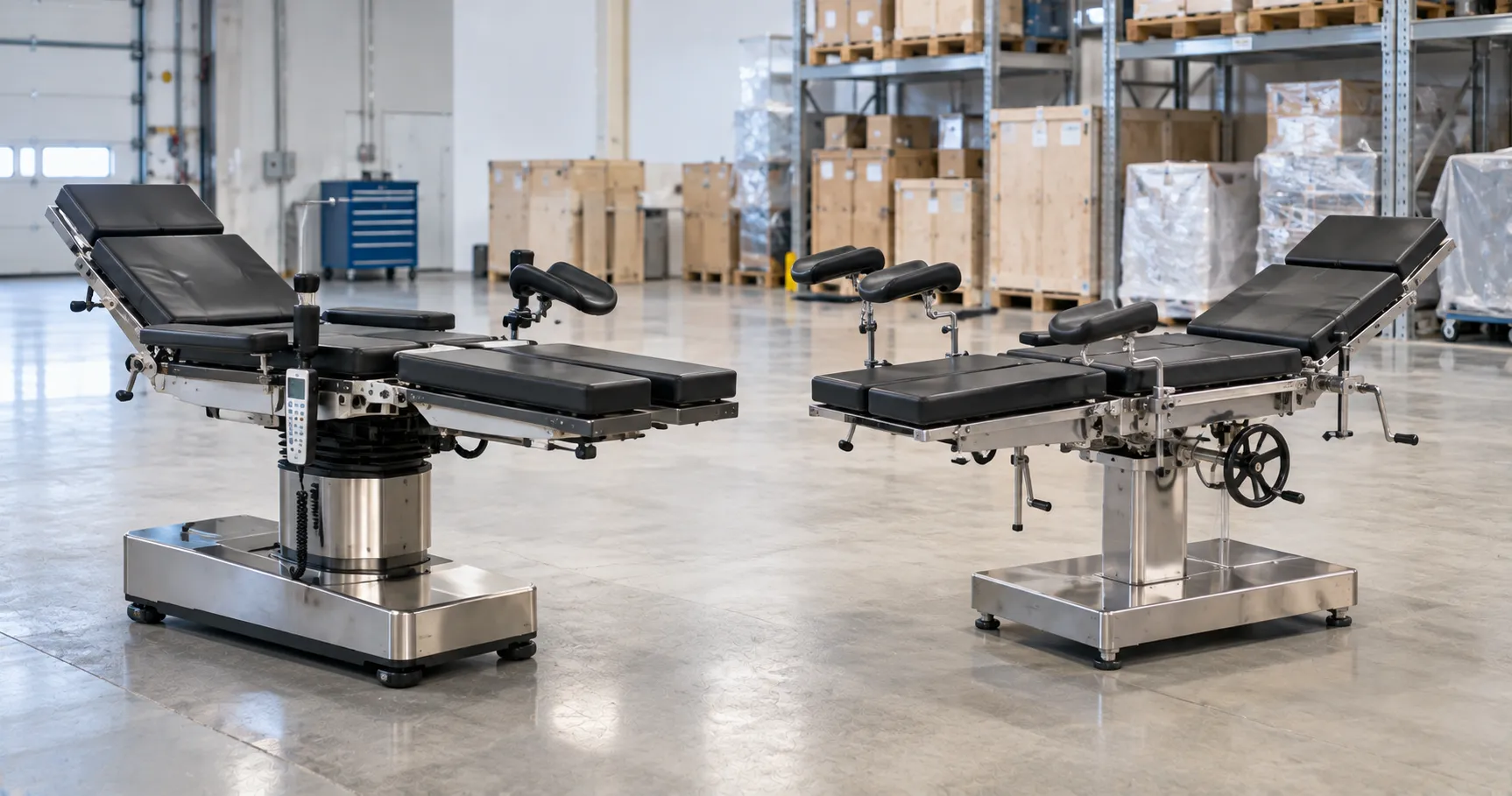
Examination Equipment — Examination tables, diagnostic sets, lighting, weighing scales, blood pressure devices, thermometers, and patient assessment tools.
Diagnostic Devices — ECG machines, ultrasound systems, portable imaging devices, laboratory analysers, point-of-care testing equipment, spirometers, and ophthalmic devices.
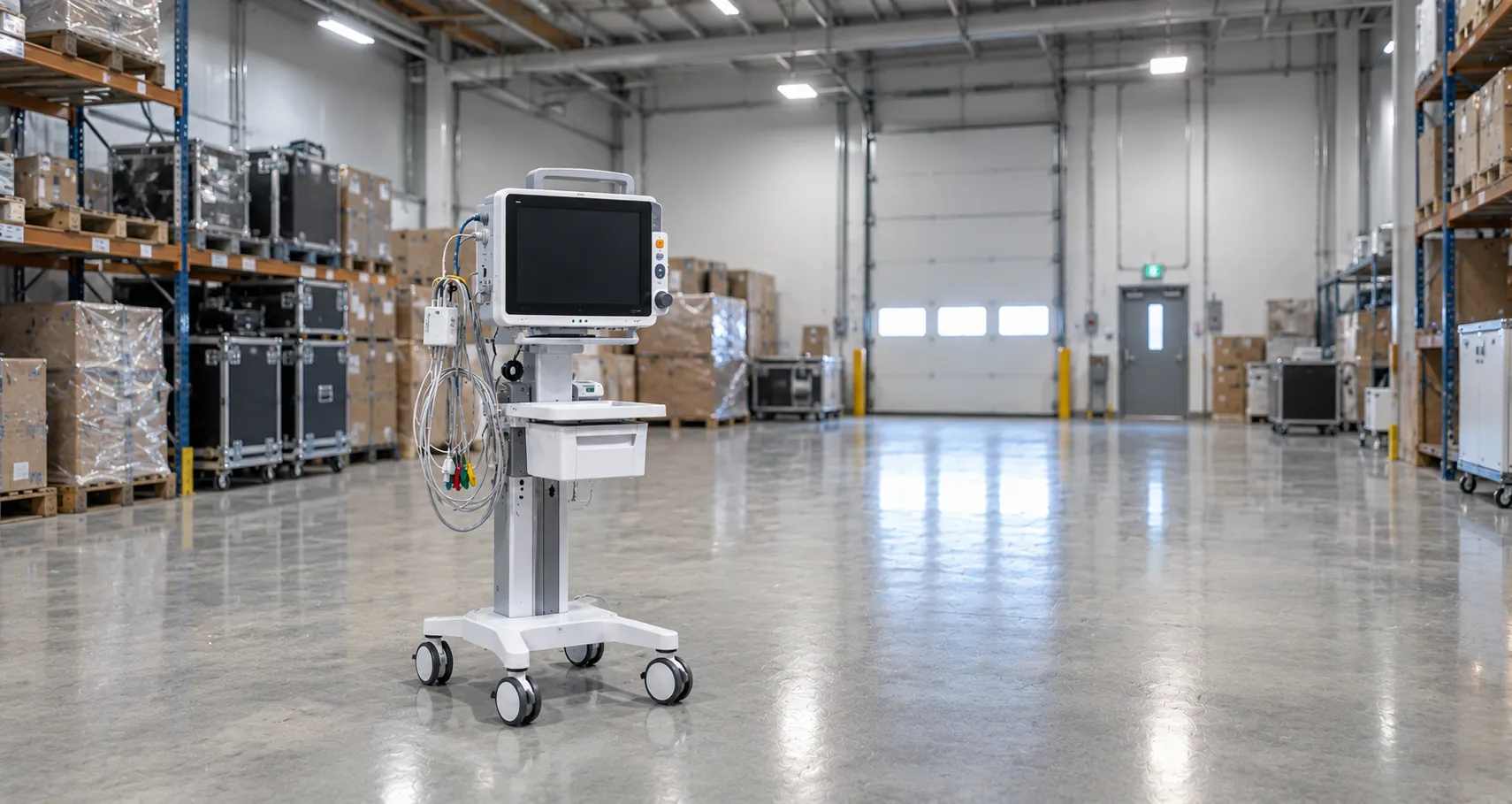
Patient Monitoring Equipment — Vital signs monitors, pulse oximeters, ambulatory monitors, connected monitors, and observation tools.
Sterilisation Equipment — Autoclaves, instrument washers, sterilisation packaging, biological indicators, and cleaning systems.
Treatment and Procedure Equipment — Infusion pumps, suction units, minor procedure lights, electrosurgical units, trolleys, and emergency devices.
Digital and Connected Systems — Asset records, maintenance logs, cloud-connected devices, patient data systems, and digital procurement tools.
Facilities sourcing through regulated and certified equipment suppliers worldwide should confirm specifications, warranty, spare parts, service support, training, and compliance documents before purchasing upgraded equipment.
When Clinics Should Replace Equipment
Replacement should be considered when equipment becomes unreliable, expensive to repair, unsupported by suppliers, difficult to clean, inaccurate, or unsuitable for current clinical needs.
Warning signs include:
-
Frequent breakdowns
-
High repair cost
-
Missing spare parts
-
Expired warranty
-
Poor service response
-
No calibration support
-
Outdated software
-
Weak battery performance
-
Missing manuals
-
Staff complaints
-
Downtime affecting appointments
A clinic should not wait until critical equipment fails. Replacement planning helps avoid service disruption and rushed procurement.
Creating an Upgrade Priority List
Not every device needs to be upgraded at the same time. Clinics should create a priority list based on the impact on patient care, device condition, repair history, compliance needs, and business growth.
A practical priority list may include:
-
Essential diagnostic devices
-
Emergency response equipment
-
Sterilisation systems
-
Patient monitoring tools
-
High-use examination equipment
-
Devices with repeated faults
-
Equipment without spare parts
-
Devices affecting appointment capacity
-
Digital systems that reduce manual work
This helps clinics invest in upgrades that first improve workflow and service quality.
Digital Equipment and Connected Workflow
Growing clinics may benefit from connected equipment, cloud dashboards, digital maintenance records, electronic reporting, and interoperable systems. The FDA describes digital health technologies as systems that use computing platforms, connectivity, software, and sensors for healthcare and related uses.
Digital equipment can help clinics:
-
Reduce manual records
-
Track device usage
-
Review service history
-
Improve data access
-
Support patient monitoring
-
Organise diagnostic reports
-
Manage maintenance schedules
-
Improve procurement decisions
Connected systems should be selected carefully so they support workflow without creating unnecessary digital complexity.
Interoperability and System Compatibility
When clinics upgrade equipment, they should check whether new devices can work with existing systems. The FDA defines medical device interoperability as the ability to safely, securely, and effectively exchange and use information among devices, products, technologies, or systems.
Buyers should check:
-
Can the device export data?
-
Can it connect with existing software?
-
Does it support reporting workflows?
-
Can maintenance records be stored?
-
Can results be reviewed later?
-
What happens if connectivity fails?
-
Who controls software updates?
Interoperability should reduce manual work and improve documentation.
Maintenance Planning Before Upgrading
Maintenance planning is essential before buying upgraded equipment. A modern device may still create problems if service support, spare parts, calibration, or training are weak.
Clinics should review:
-
Preventive maintenance needs
-
Calibration requirements
-
Warranty terms
-
Spare part availability
-
Service response time
-
Engineer access
-
Software update process
-
User training
-
Cleaning instructions
-
Repair cost
-
Expected service life
WHO technical specifications can also support planning, maintenance, equipment lifecycle, and procurement decisions for medical devices.
Procurement Guidance for Growing Clinics
Clinic equipment procurement should involve doctors, nurses, technicians, biomedical engineers,s where available, finance teams, and management.
Define the Service Expansion Plan — Buyers should know whether the clinic is adding diagnostics, procedures, monitoring, rehabilitation, dental care, women’s health, ophthalmology, laboratory services, or emergency readiness.
Review Total Cost of Ownership — The total cost includes device price, accessories, consumables, software, installation, training, maintenance, calibration, spare parts, warranty, and replacement planning.
Check Supplier Transparency — Suppliers and manufacturers advertising to global healthcare buyers should provide specifications, warranty, manuals, service support, spare parts, installation needs, and compliance documents.
Standardise Where Possible — Standardising monitors, trolleys, diagnostic tools, accessories, and service contracts can reduce staff training and maintenance complexity.
Common Upgrade Mistakes to Avoid
Growing clinics should avoid these mistakes when upgrading equipment.
Buying Without a Growth Plan — Equipment should match future service needs, not only current gaps.
Choosing Only by Price — Low-cost devices may become expensive if accessories, service, or parts are weak.
Ignoring Maintenance — Every upgraded device should have a service plan.
Skipping Staff Training — New devices require user training and clear operating procedures.
Not Checking Compatibility — Connected devices should work with existing clinic systems.
Forgetting Consumables — Reagents, probes, cuffs, tubing, filters, batteries, and disposables affect daily cost.
No Asset Records — Upgraded equipment should be entered into a digital asset and maintenance register.
International Sourcing Considerations
Medical equipment upgrades can be sourced internationally when clinics define device purpose, specifications, accessories, warranty, spare parts, service expectations, documentation, software requirements, and compliance needs.
Growing clinic groups may benefit from structured distribution and reseller partnership arrangements. Standardising equipment models, accessories, service records, and supplier documents can reduce variation across multiple clinic locations.
Buyers should confirm whether they need diagnostic devices, patient monitors, sterilisation equipment, examination furniture, procedure tools, emergency devices, digital systems, or full clinic upgrade packages. For project-based sourcing, buyers can contact the Medigear.uk team for supply support to discuss availability, documentation, export needs, and procurement requirements.
Future Role of Clinic Equipment Upgrades
Medical equipment upgrades will continue to support clinics as outpatient care becomes more technology-enabled, data-driven, and service-focused. Growing clinics will need reliable diagnostic tools, digital workflow systems, connected devices, preventive maintenance records, and supplier support.
The strongest upgrade strategy combines clinical need, workflow review, maintenance planning, digital compatibility, compliance documents, staff training, and lifecycle cost control.
Final Thoughts
Medical equipment upgrades help growing clinics improve service capacity, workflow quality, diagnostic readiness, patient comfort, digital records, and long-term procurement control. Upgrades should be planned around real clinical needs, not only marketing claims or low purchase prices.
Healthcare buyers should review equipment condition, service history, future clinic growth, maintenance needs, accessories, consumables, compliance documents, supplier reliability, and total cost of ownership before placing orders. A structured upgrade plan helps clinics grow without unnecessary equipment risk.
Disclaimer
Medigear.uk is a global medical equipment supplier, exporter, and distributor. The content published on this site is intended for educational and product awareness purposes only. Nothing on this page constitutes medical advice, clinical guidance, procurement consulting, biomedical engineering advice, legal advice, regulatory advice, or treatment recommendations. All healthcare procurement, equipment upgrade, technology, legal, regulatory, facility, and clinical decisions should be made by qualified professionals and compliant procurement teams operating within the regulatory frameworks of their respective countries.